Refugees fundraiser
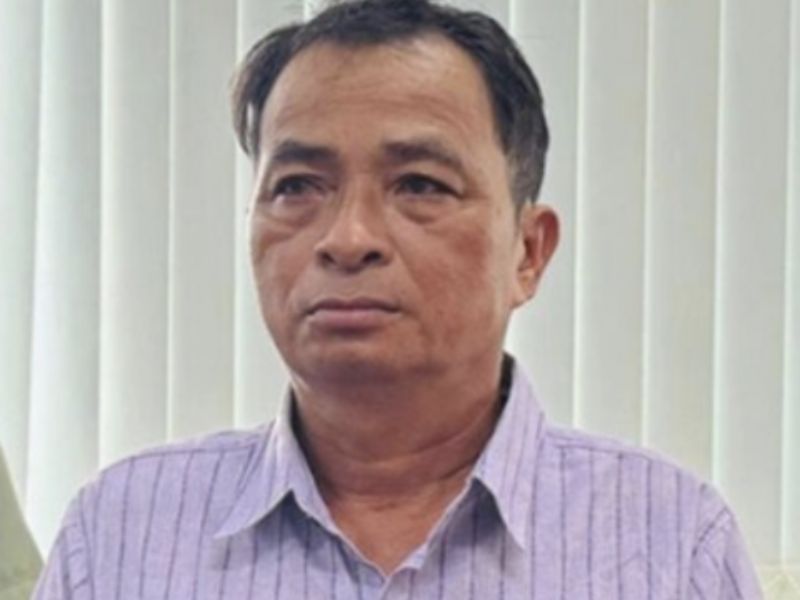
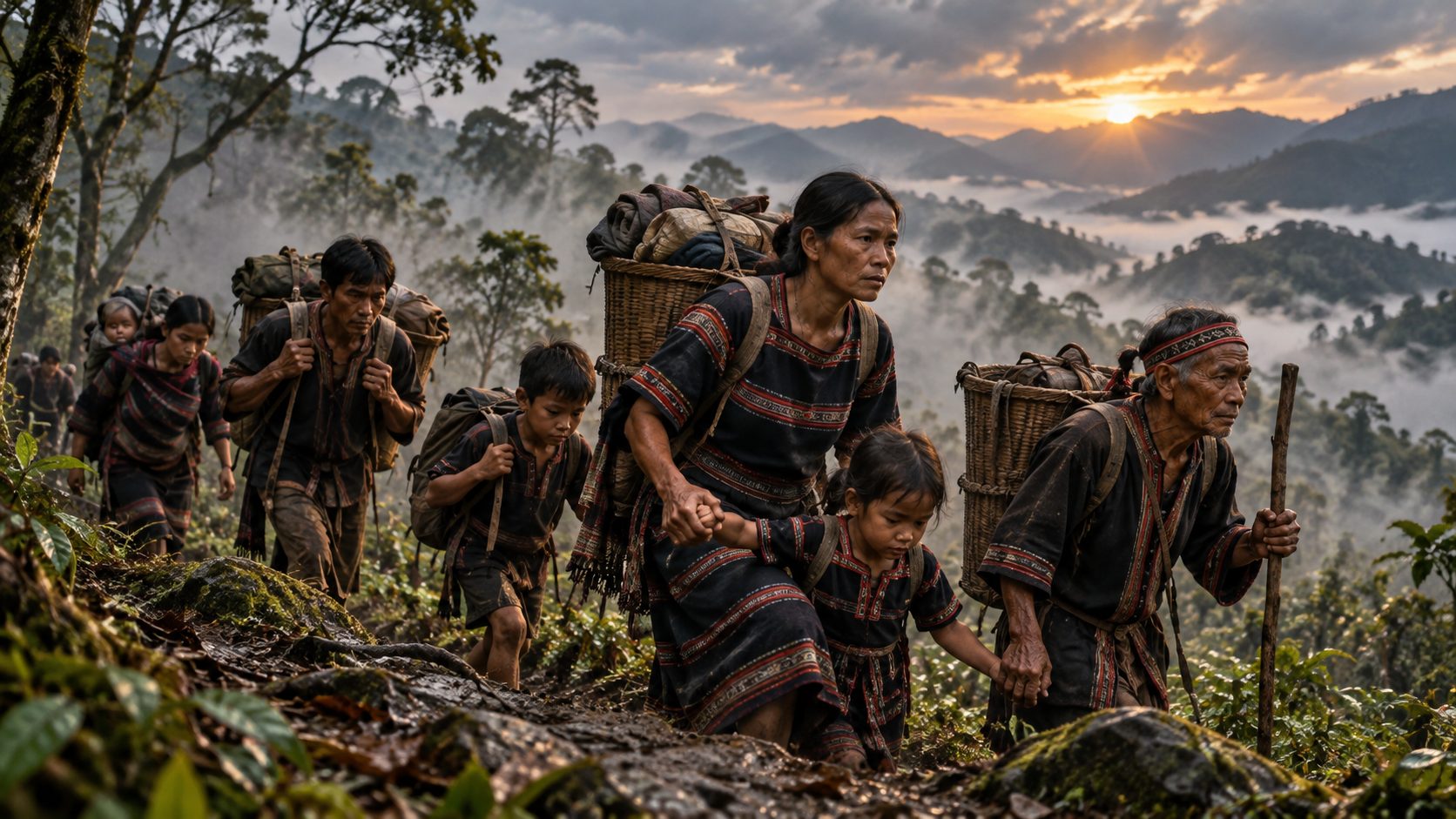
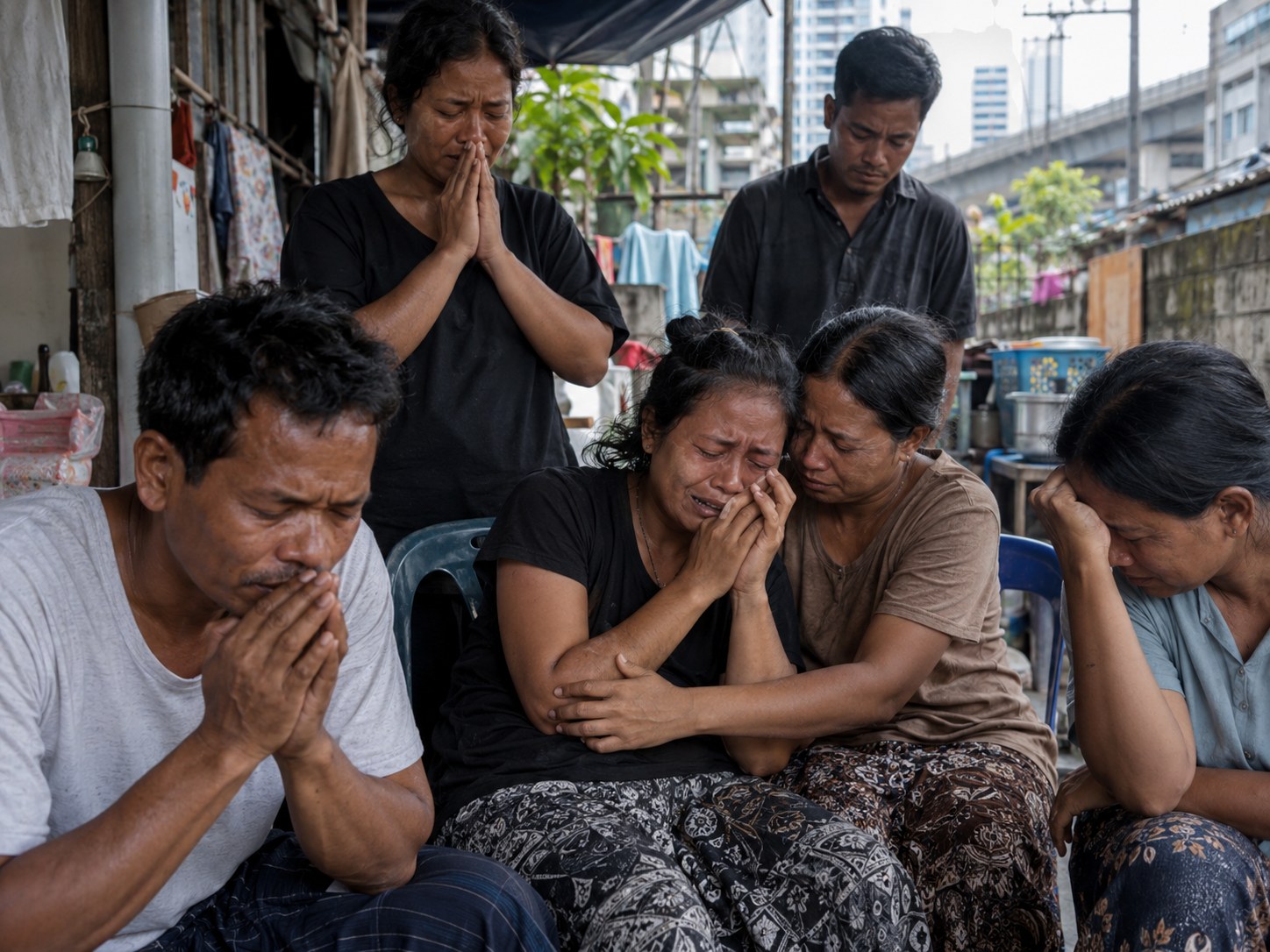
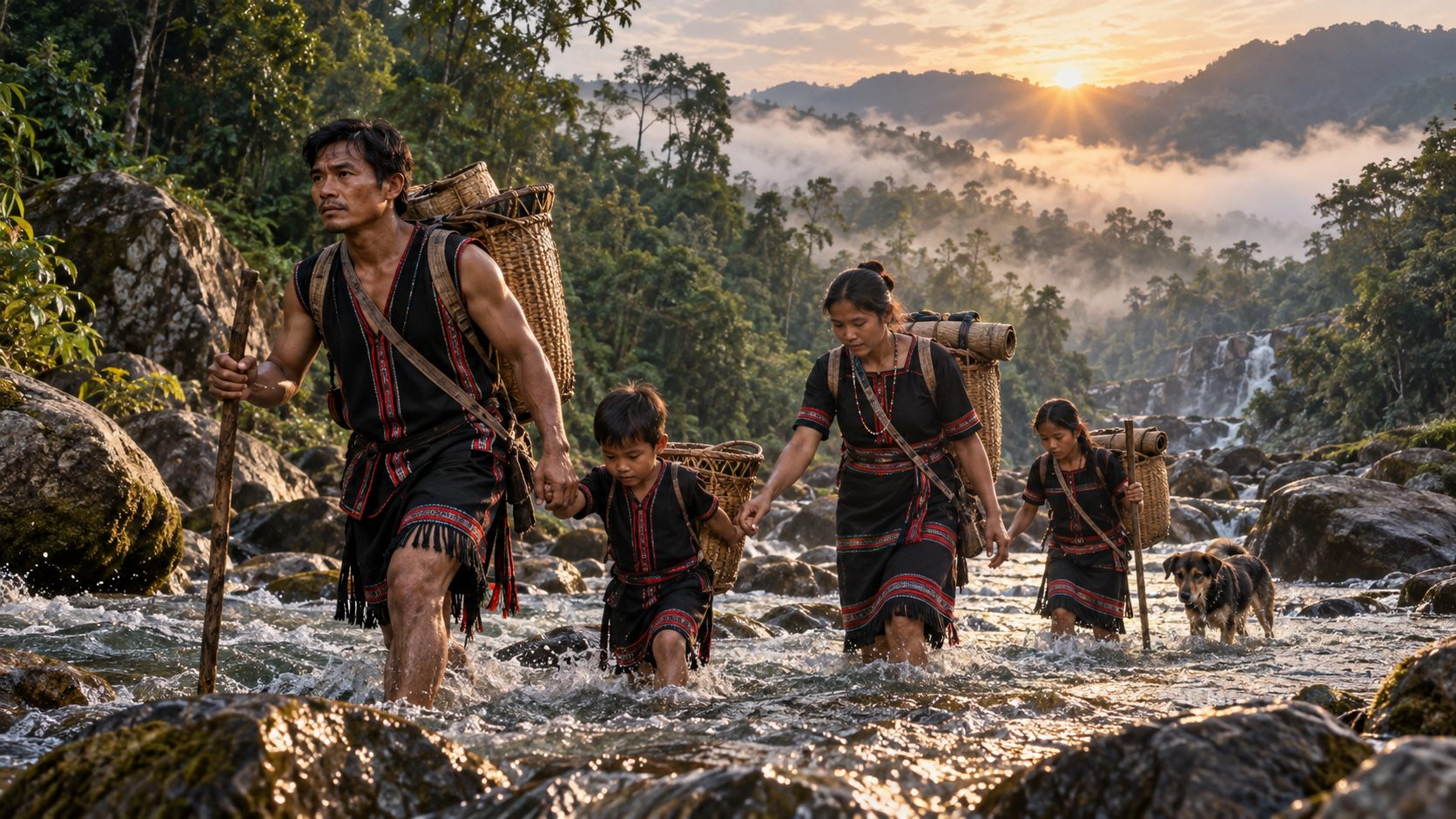
Montagnards cannot return to Central Highlands. If they do, they will be silently persecuted by the Vietnam government. They left the Central Highlands because they can no...
$115 USDraised of $20,000 USD1%

 A country of our own, 1946Between 1946 and 1955 our country existed on paper.
 The Kon Tum mission, 1851In the last weeks of 1850 a French priest of twenty-five, guided in by a…
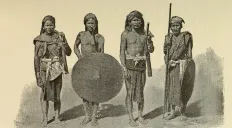 Before 1800: free in the highlandsFor longer than anyone has written history on this coast, the people of the…
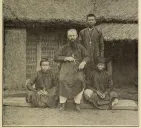 The French arrive, 1876–1929We let the French in.
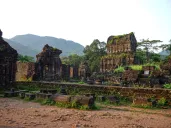 The first outsiders: Cham, Annam and the missionsThree powers came to the edge of the highlands before the French, and each left…
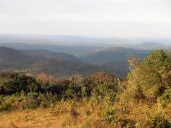 Mondulkiri, 1992: the end of the armed struggleIn September 1992 two journalists walked into the forest of Mondulkiri, in…
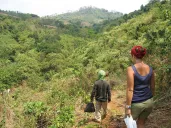 Asylum today: Cambodia, Thailand, and the reach of the stateFor twenty-five years the way out of the highlands has been west, on foot into…
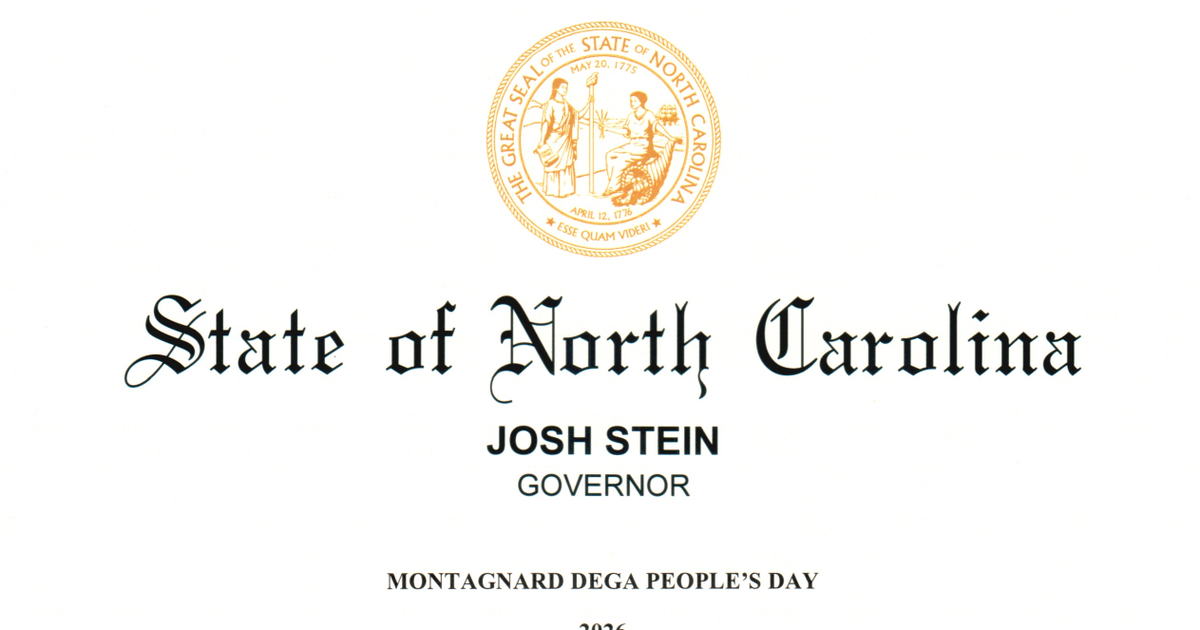
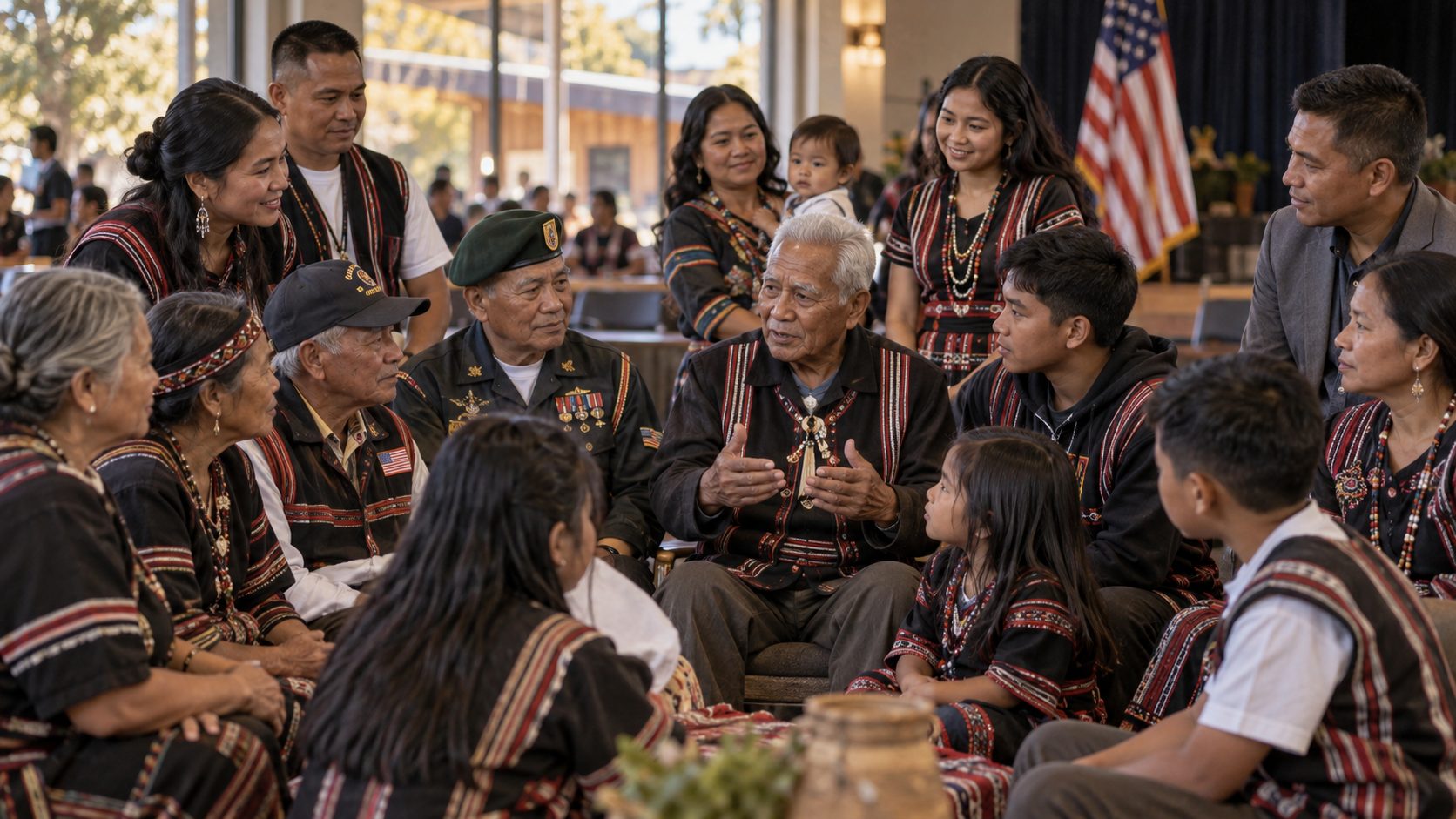
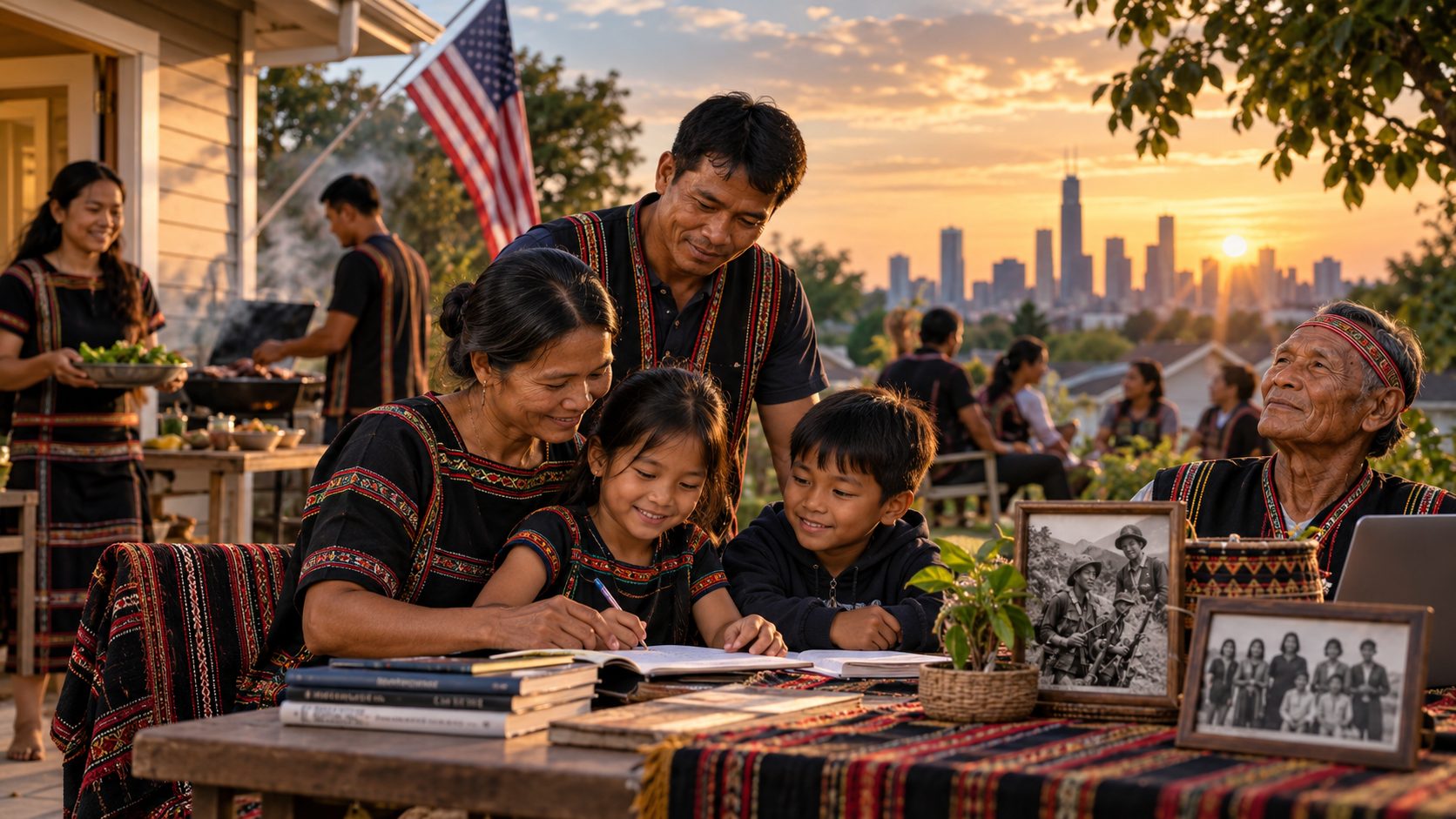
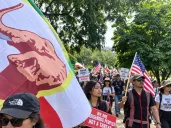
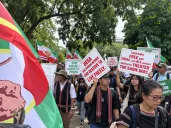
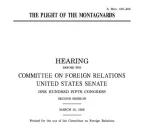 North CarolinaThe largest community of our people outside Vietnam is in North Carolina, in…
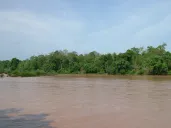
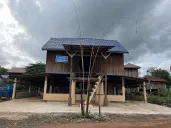 The Cambodian camps, 2001–2005The border between Vietnam and Cambodia runs through the middle of one people.
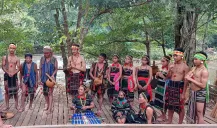 The wider diasporaNorth Carolina holds the largest community of our people outside Vietnam, but…
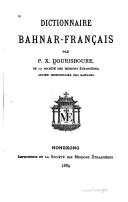 Books about the DegaA reading list for anyone who wants to understand the Dega properly, our own…
 Theses and academic studiesA guide to the doctoral and master’s theses and the academic studies written…
 Reports and documentsThe human rights record of our people since 1975 is written mainly in reports…
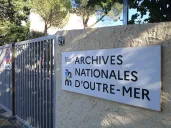 Archives and collectionsMost of the written evidence of our history is kept by the governments, armies…
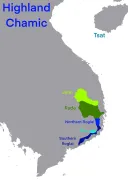 Language resourcesOur languages are the part of our inheritance most at risk and the easiest to…
 Timeline: 875 to todayThe Dega story in one place, from the Cham kingdom on the coast to the…
 What we do not knowEvery page in this library carries its sources and says where it is thin.
 Names and wordsReading about the Dega means reading four vocabularies at once, ours, the…
 The prisoner records: what they are and how to search themOur records hold 337 Dega by name, men and one woman imprisoned for their…
 Reporting an incident to DCHOHow to bring something to us, what we do with it, where it can go, and what we…
 What Vietnam signed, and what happens in the highlandsVietnam has ratified the major human rights treaties, voted for the Declaration…
 Indigenous rights at the United Nations, and why the word mattersInternational law offers a people in our position two bodies of rights.
 What the Dega ask forThree aims, rooted in FULRO’s first declarations of 1964 and 1965 and set down…
 Land law and customary landIn Vietnam nobody owns land.
 What the United Nations has saidOur people have been named in United Nations documents for more than thirty…
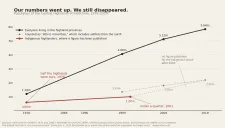 How many Dega there areThere are more of us than there have ever been, and we have never been so small…
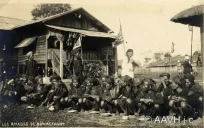 Who are the DegaWe are the indigenous peoples of the Central Highlands of Indochina: some…
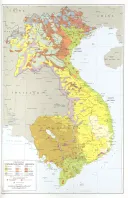 The tribes and their languagesAround thirty peoples, in two language families that are not related to one…
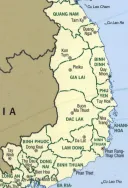
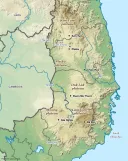 The country itselfOur country is a stair of high plateaus behind the Annamite mountains, between…
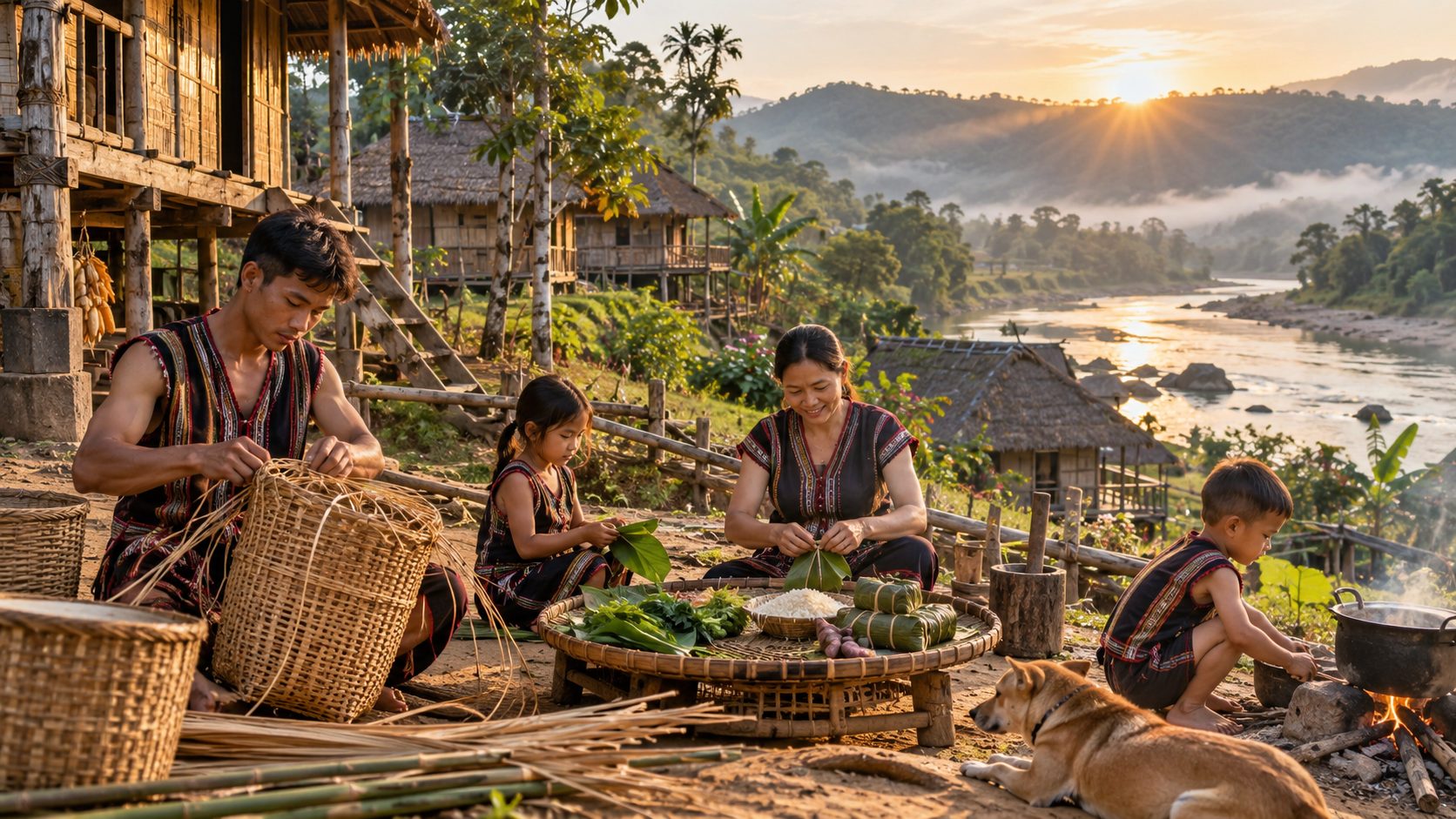
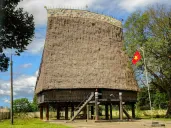 Dega cultureA village, the land around it held in common, kinship that decides obligation…
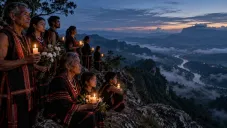 Cu Kuin, June 2023 — and the trial that followedAt about half past midnight on Sunday, June 11, 2023, two groups of armed men…
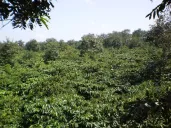 The land, and what was planted on itVietnam went from a marginal coffee producer to the second largest in the world…
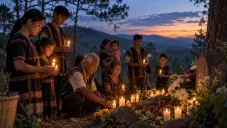 The church they closedMost of us are Christians, and the state has decided that one form of our…
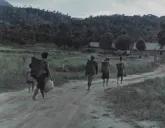 How we diedHundreds of thousands of our people were killed in wars fought across our land…
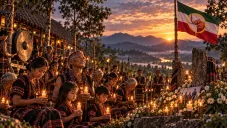 February 2001: the highlands stand upOn Friday, February 2, 2001, eight hundred people from four communes walked out…
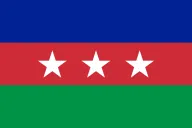 FULRO, 1964–1992On the night of September 19, 1964, the strike forces of four American-trained…
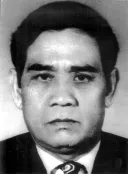 BAJARAKA, 1958BAJARAKA is four peoples in one word: BAhnar, JArai, RAde, KAho.
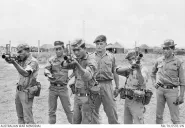 Mike Force, SOG and the special operations warFrom 1964 the Americans stopped asking our men to guard their own villages and…
 Dak Son, December 5, 1967On the night of December 5, 1967, Viet Cong troops with flamethrowers burned a…
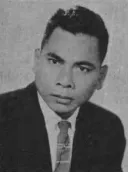 Paul Nưr and Nay Luett: the ministry yearsTwo men who tried the other route.
Our refugees fundraiser is open. Every gift helps a family that fled the highlands start again.
Give now
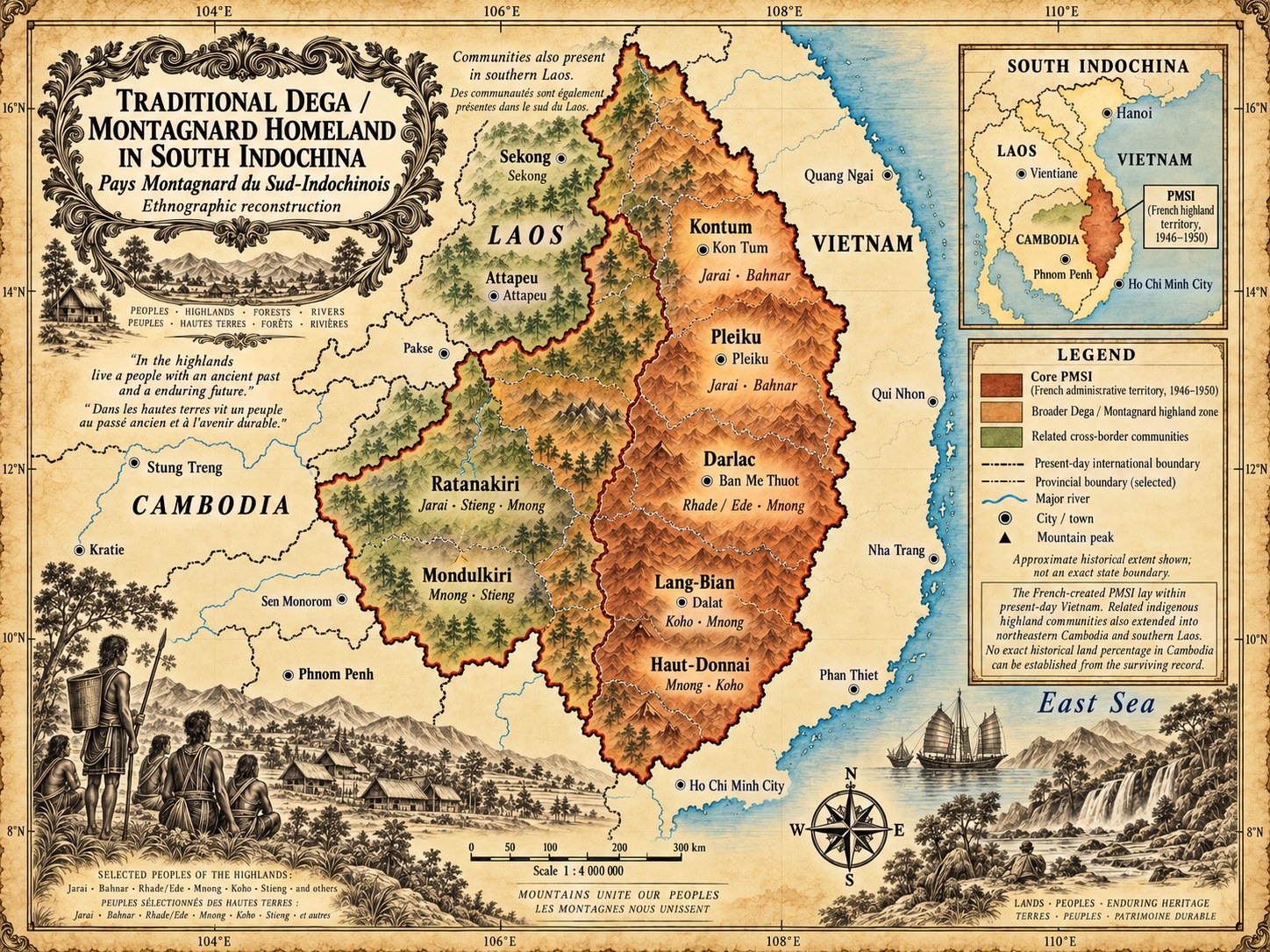
Also called Van Kieu. The mountains of Quang Tri around Khe Sanh, and west across the range into Laos.
The A Luoi valley west of Hue, and across the border into Salavan in southern Laos.
The mountains west of Hue, neighbors of the Ta-Oi and the Katu.
A small highland community in the hills between the Pacoh and the Katu.
The mountains west of Da Nang and Quang Ngai, and over the range into southern Laos, where related Dega communities also live.
Also written Gie-Trieng. The mountains north of Kon Tum around Dak Glei, and over the border into Laos.
The mountains of western Quang Ngai around Tra Bong, looking down toward the coast.
The mountains north of Kon Tum, where French exploration of our homeland began in 1876 and missionaries opened a mission in the heart of the highlands.
Outsiders arriveA small people living between the Bahnar and the Sedang around Kon Tum, with a language close to both.
The borderland west of Kon Tum, where Vietnam, Laos and Cambodia meet, and into Attapeu in Laos.
The largest of the highland peoples, on the Pleiku plateau and west across the border into Ratanakiri. The Ja of BAJARAKA: its founders were moved here, and here more young people joined the movement.
The BAJARAKA movementAround Kon Tum and east toward An Khe, where villages gather around the rong, the tall communal house. The Ba of BAJARAKA.
Read moreThe hills of Ratanakiri in northeastern Cambodia, neighbors of the Tampuan and the Brao.
Also called Cham Hroi. The hills of western Phu Yen and Binh Dinh, highlanders whose language is close to Cham.
Ratanakiri in northeastern Cambodia, around the crater lake of Yeak Laom, which is sacred to them.
The forests of northern Ratanakiri along the Sesan and Sekong rivers, and across the border into Attapeu in Laos.
The people of the Darlac plateau, also called Ede. The French set up the first Dega administration here in 1899, and BAJARAKA began at Buon Ale A.
Read moreAlong both sides of the border north of Saigon and west into eastern Kratie, one of the peoples whose land the frontier cut through.
Also called Mnong. The southern plateau of the homeland, between Darlac and the border with Cambodia, and across it into Mondulkiri.
A subgroup of the Stieng, close kin of the Stieng of eastern Kratie.
The same people on the Cambodian side of the border, in Mondulkiri, also called Pnong. Many Dega communities here were pushed westward over time.
The mountains behind Nha Trang and Phan Rang. Their language is close to Cham, and they are among the southernmost highland peoples.
The Lang Biang plateau around Dalat. The Ka of BAJARAKA, and in 1958 its arrested leaders were held in underground cells in Dalat.
Read moreThe valley between Dalat and Phan Rang, around Don Duong. Neighbors of the Koho, they speak a language close to Cham.
Along the Dong Nai river around Bao Loc, south of the Koho, to whom they are closely related.
The coast around Phan Rang and Phan Thiet, heirs of the kingdom of Champa. In FULRO, the Cham and the highland peoples stood together.
Also called Chrau. The forests of Dong Nai around Xuan Loc, at the southern edge of the highlands.
Nothing matches your search.
Estimated at 3 to 3.5 million during the colonial period.
From the Bahnar, Jarai and Rhade to the Sedang, Mnong and Stieng.
Still living in the Central Highlands.
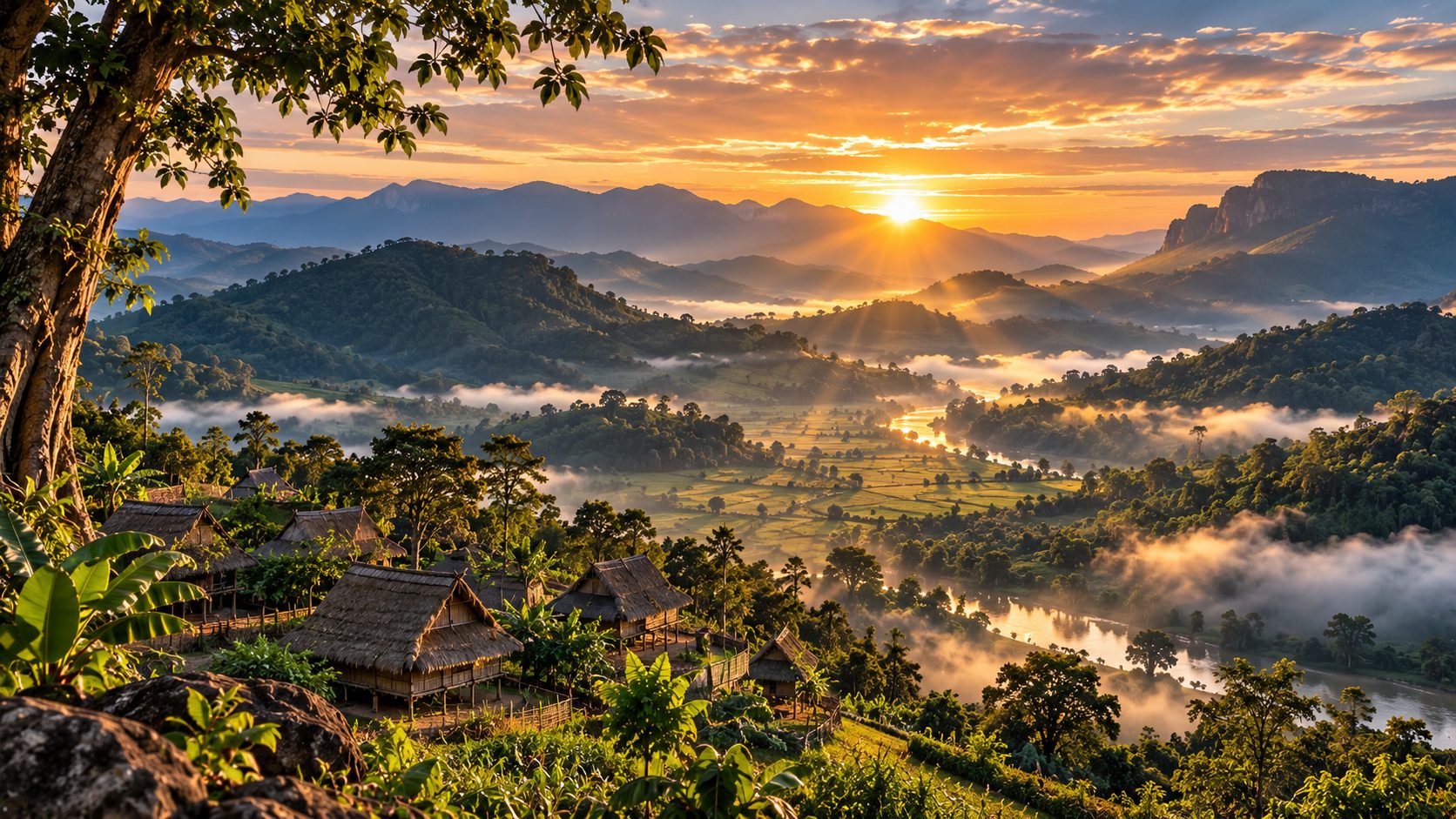
Our villages stood here long before any modern border.
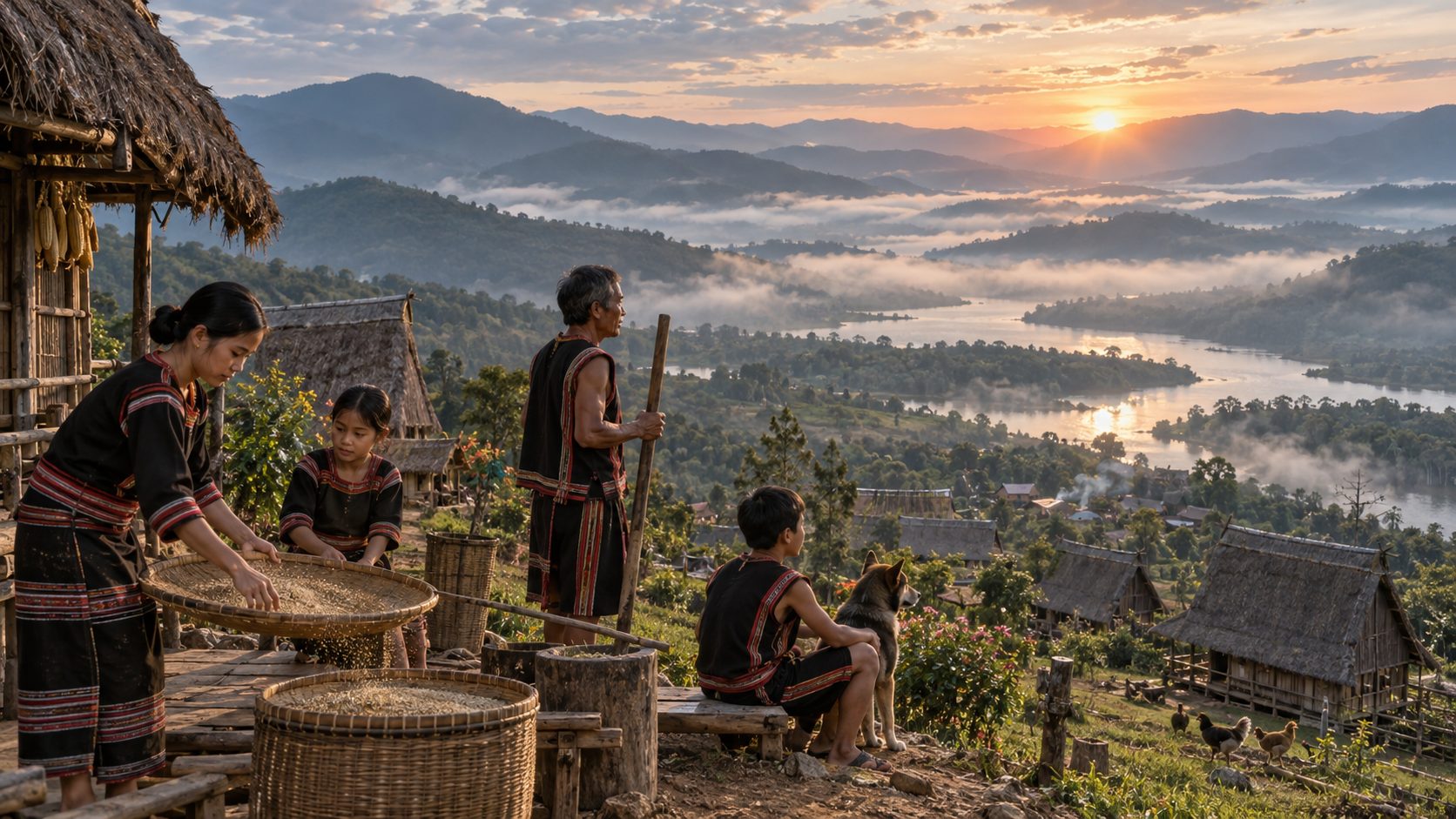 01 Before 1800
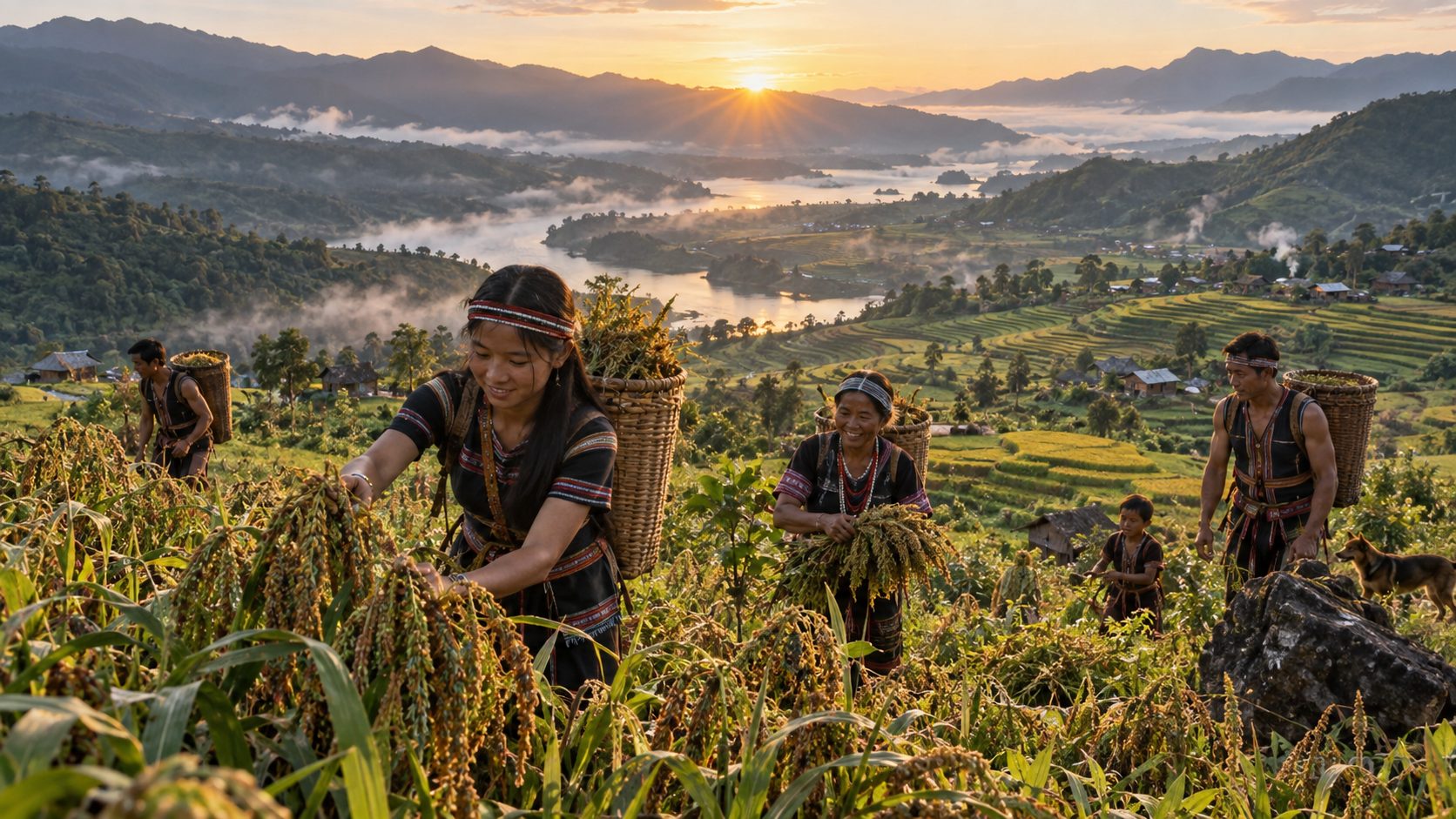
 For more than two thousand years we farmed, hunted, traveled and worshipped by our own customs. Our people once held most of southern Indochina, until the coast was taken and we joined those in the mountains.
A peaceful life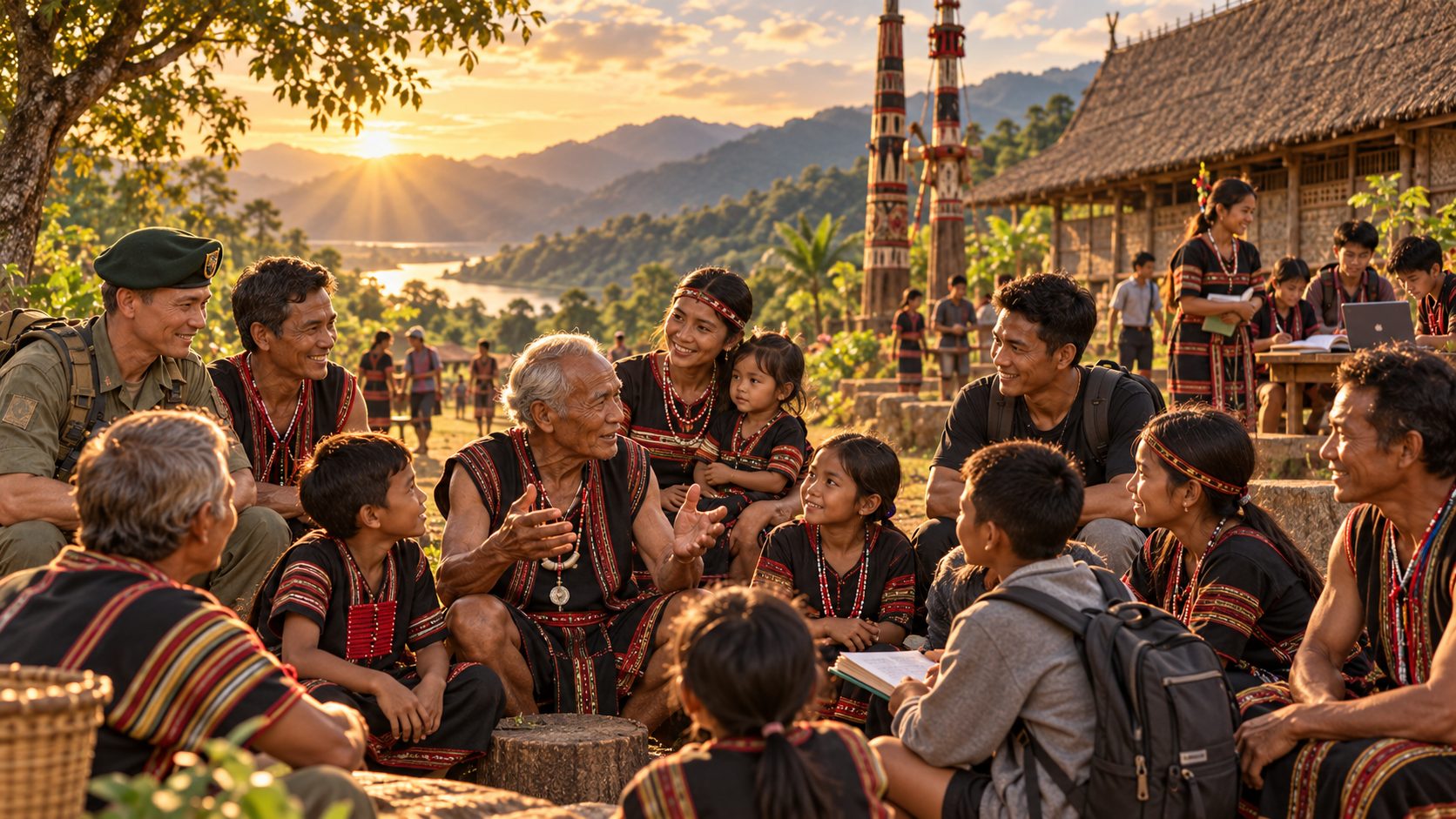 02 1815 to 1899
 Missionaries reached Kontum, and from 1876 the French explored our lands. In 1899 they created an autonomous Dega administration in Darlac, in the land of the Rhade.
Welcomed outsiders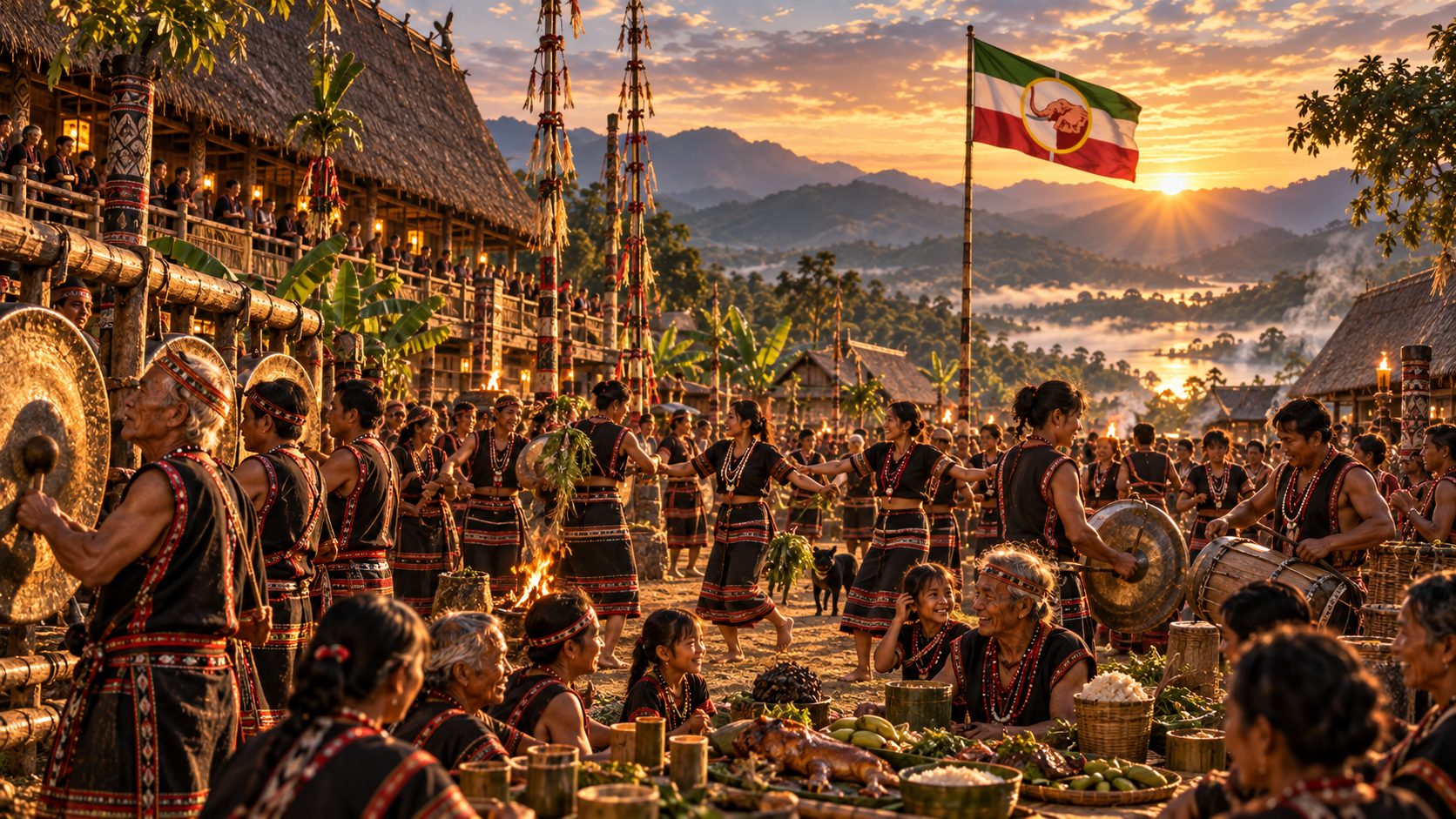 03 May 27, 1946
 France established a federal government for the Montagnard peoples of southern Indochina: the Pays Montagnard du Sud-Indochinois. Our people were full of hope.
Dega government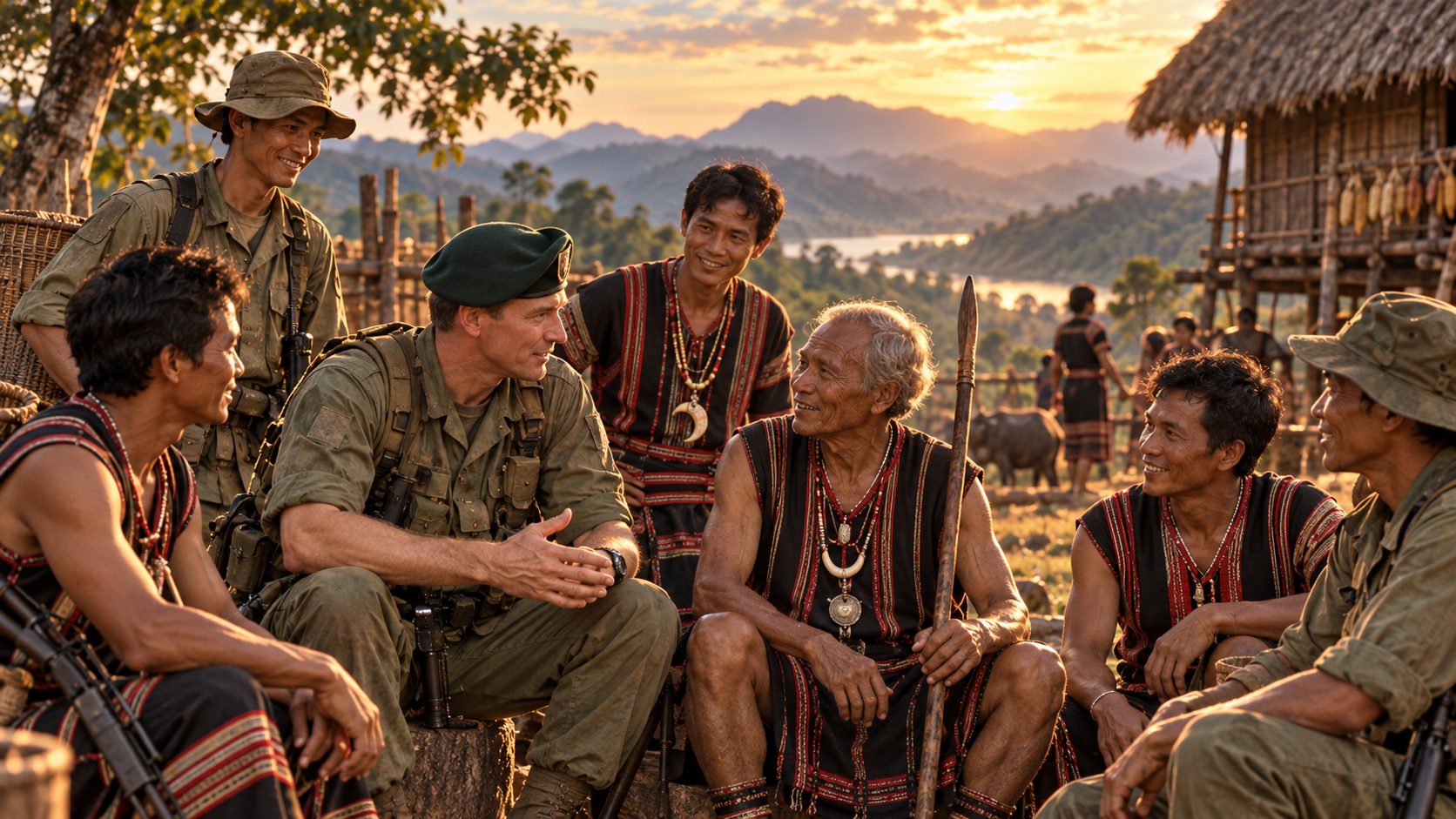 04 1950 to 1951
 The highlands became the Crown Domain under Bao Dai, with a charter promising free development by our own customs. We were never asked.
Read more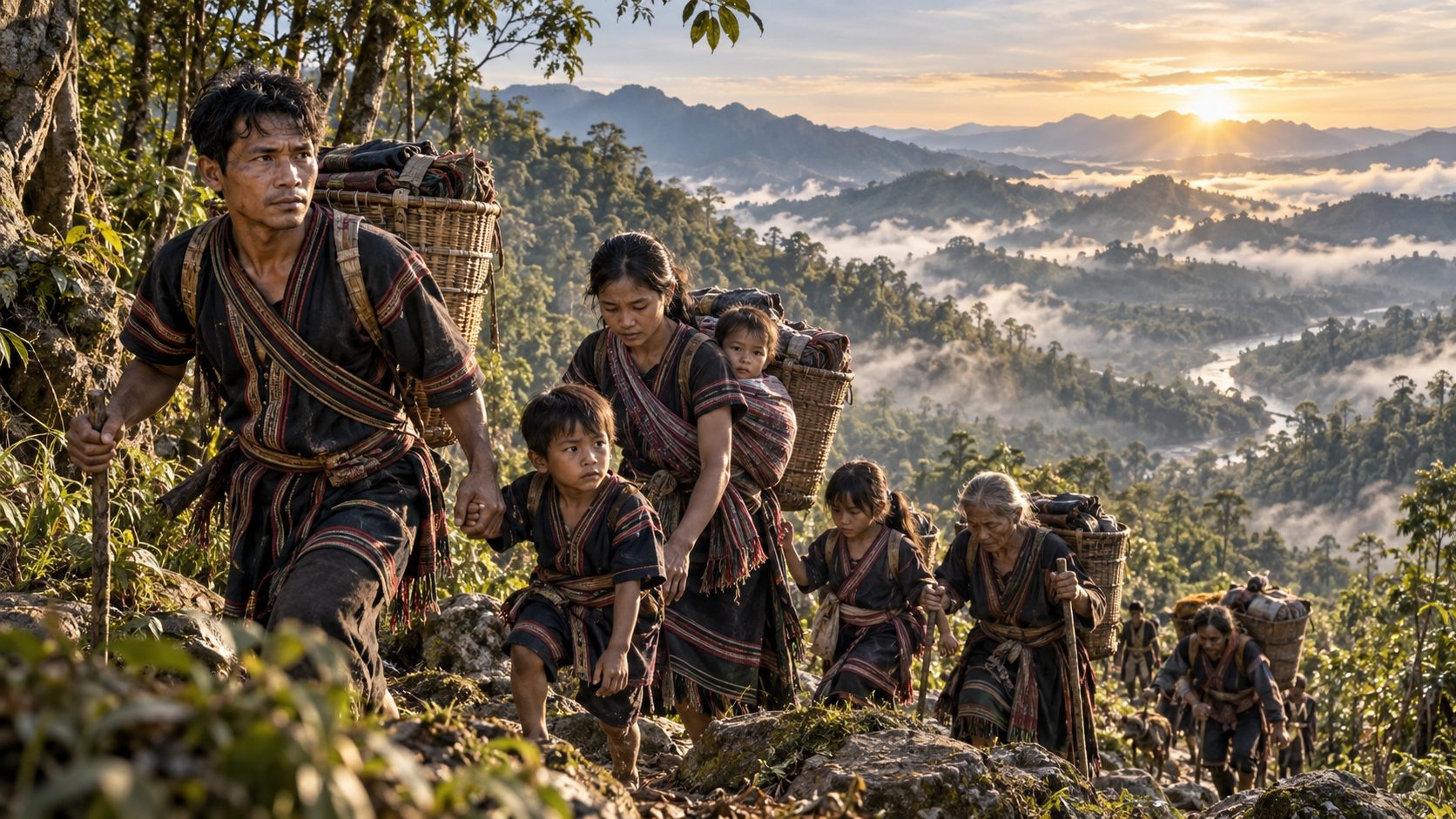 05 1954 to 1957
 Vietnam was divided at the 17th parallel. President Ngo Dinh Diem merged our country into South Vietnam, named us minorities in our own homeland, and resettled 850,000 people from the north in its heart.
Pushed off our land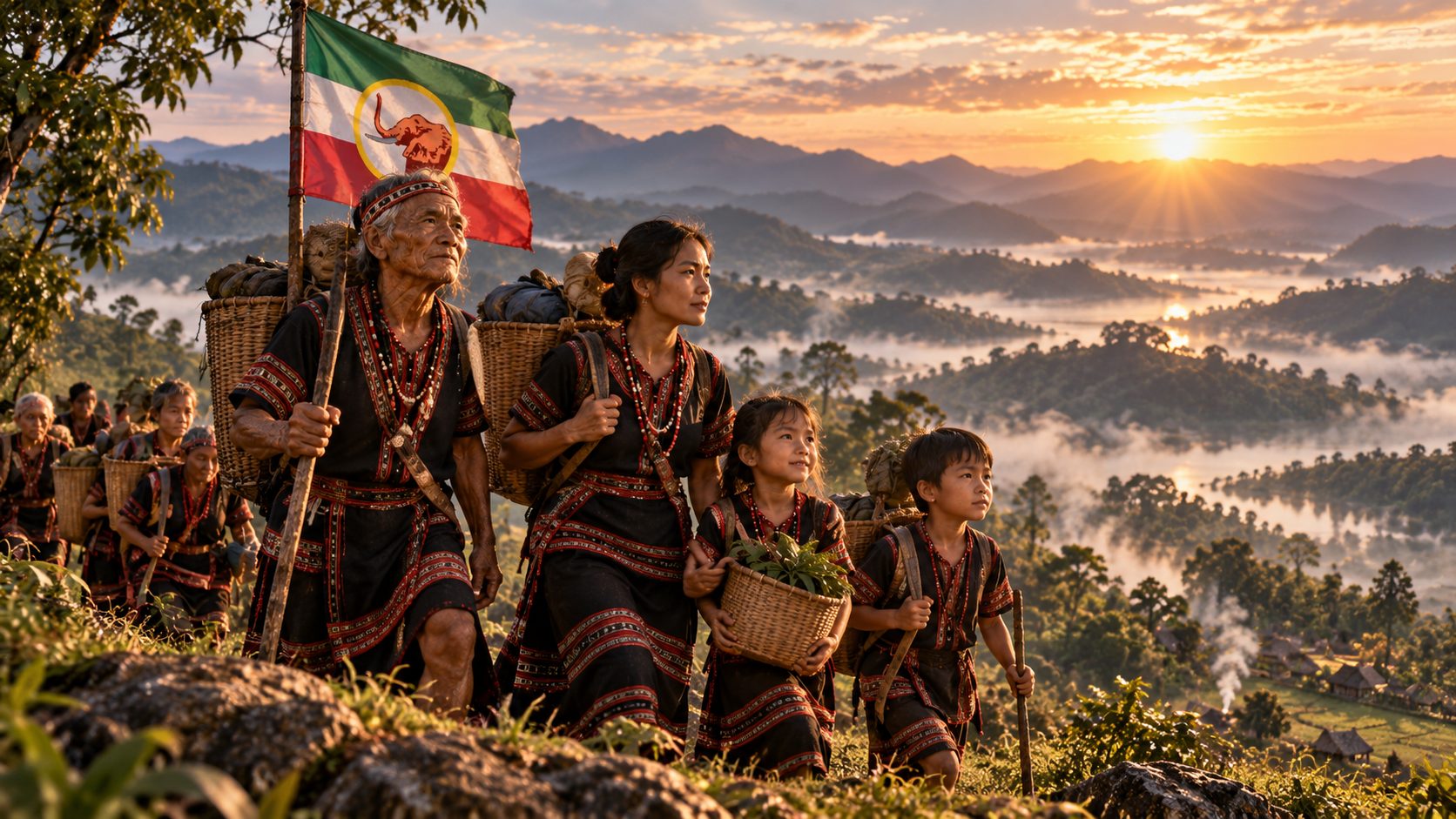 06 1957 to 1964
 Young leaders named the movement for the Bahnar, Jarai, Rhade and Kaho. After its demonstrations in September 1958 its leaders, Y-Bham Enuol among them, were imprisoned until 1964.
The BAJARAKA movement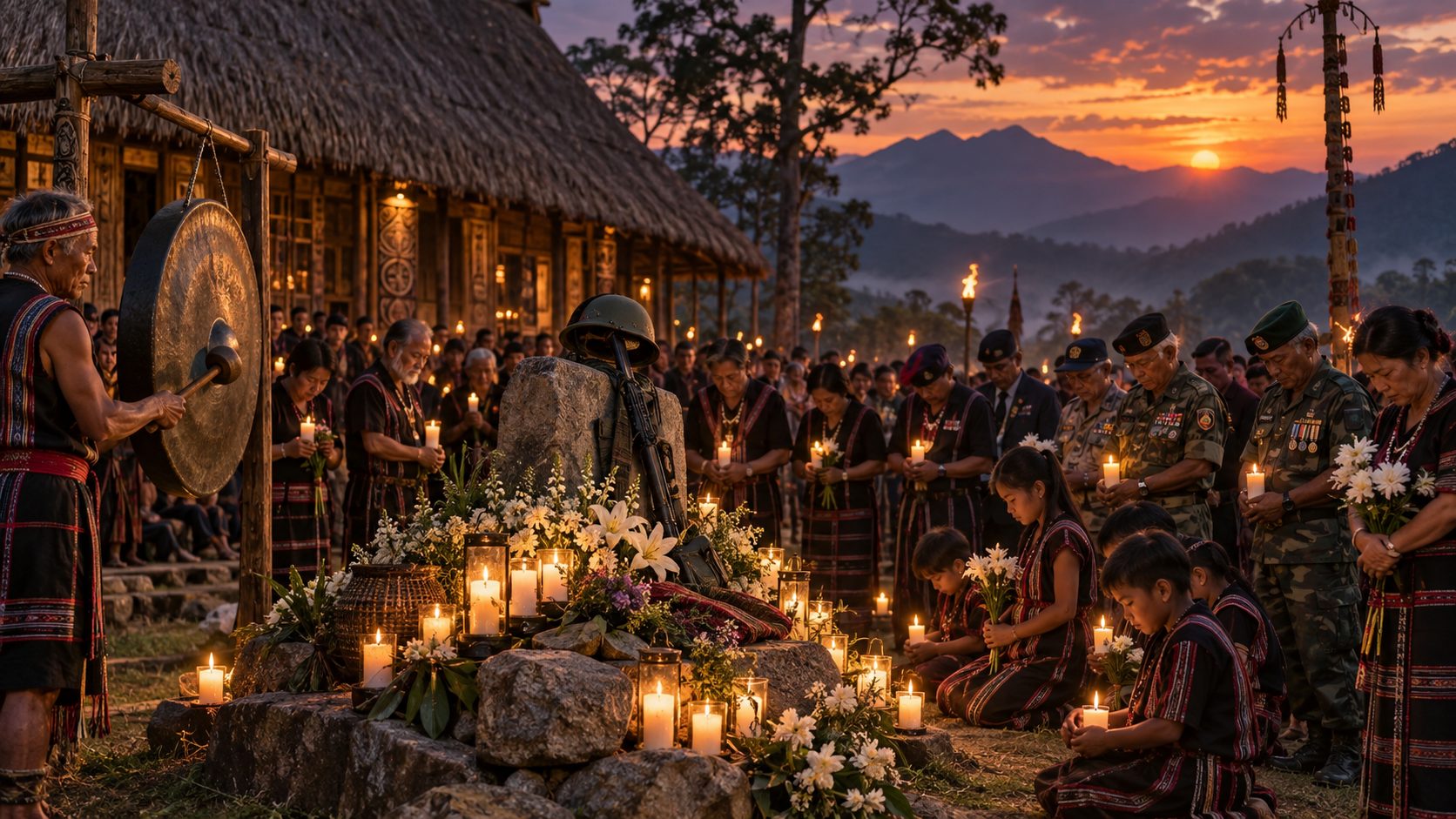 07 1975 to today
 Hanoi's government took control of the highlands and kept the same policies. The Dega still fight for the Montagnard Country of South Indochina, and for the few hundred thousand of our people who remain there.
How we diedWe are the Dega. The Montagnard Country of South Indochina is our country, and we have never given it up.
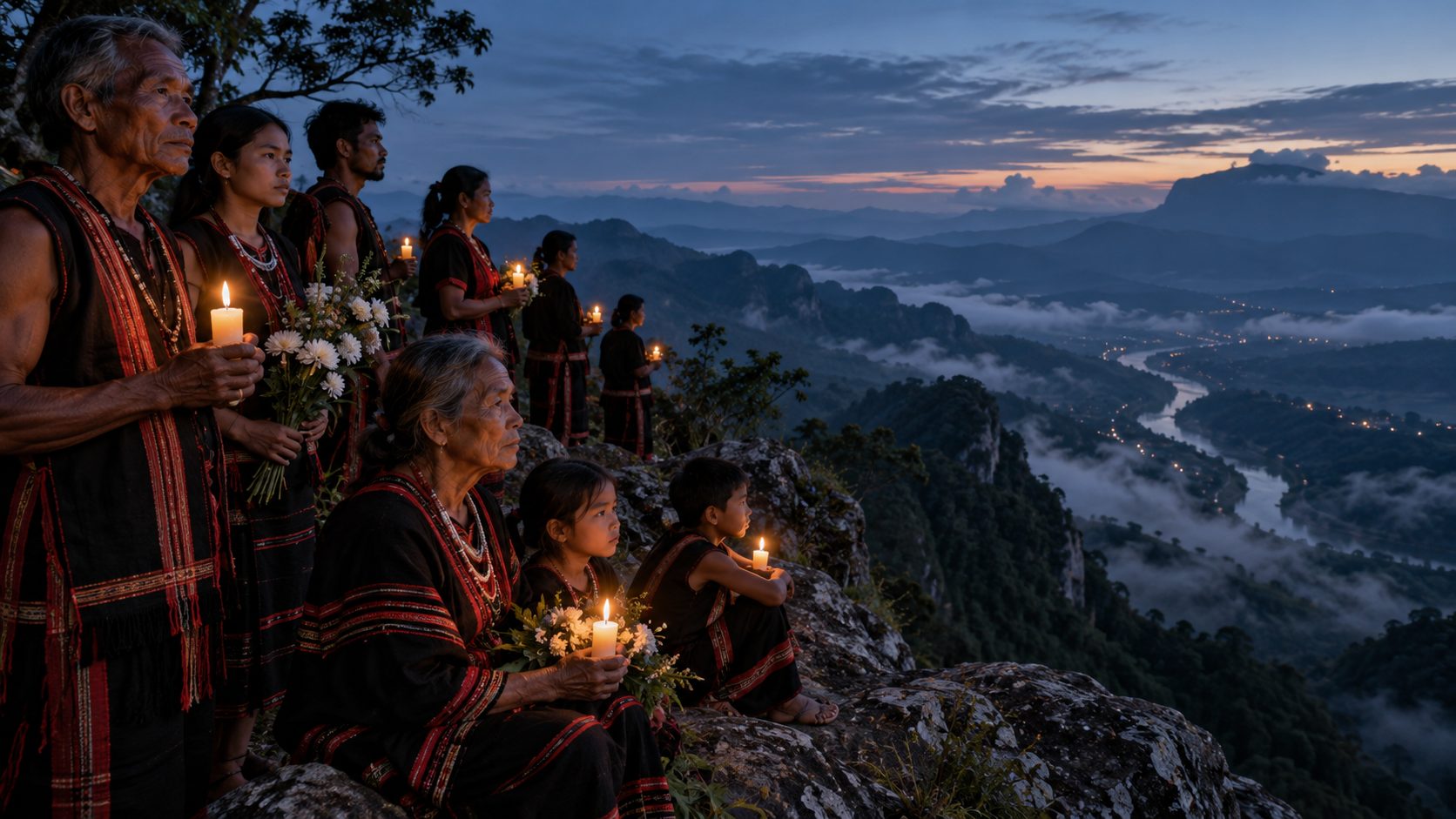
Under French rule the Dega were estimated at 3 to 3.5 million. War, and the rule of those who took our country, have left a few hundred thousand in the highlands.
How we diedThe French called us Montagnards, the mountain people, because for centuries we had been driven from the coast into the mountains.
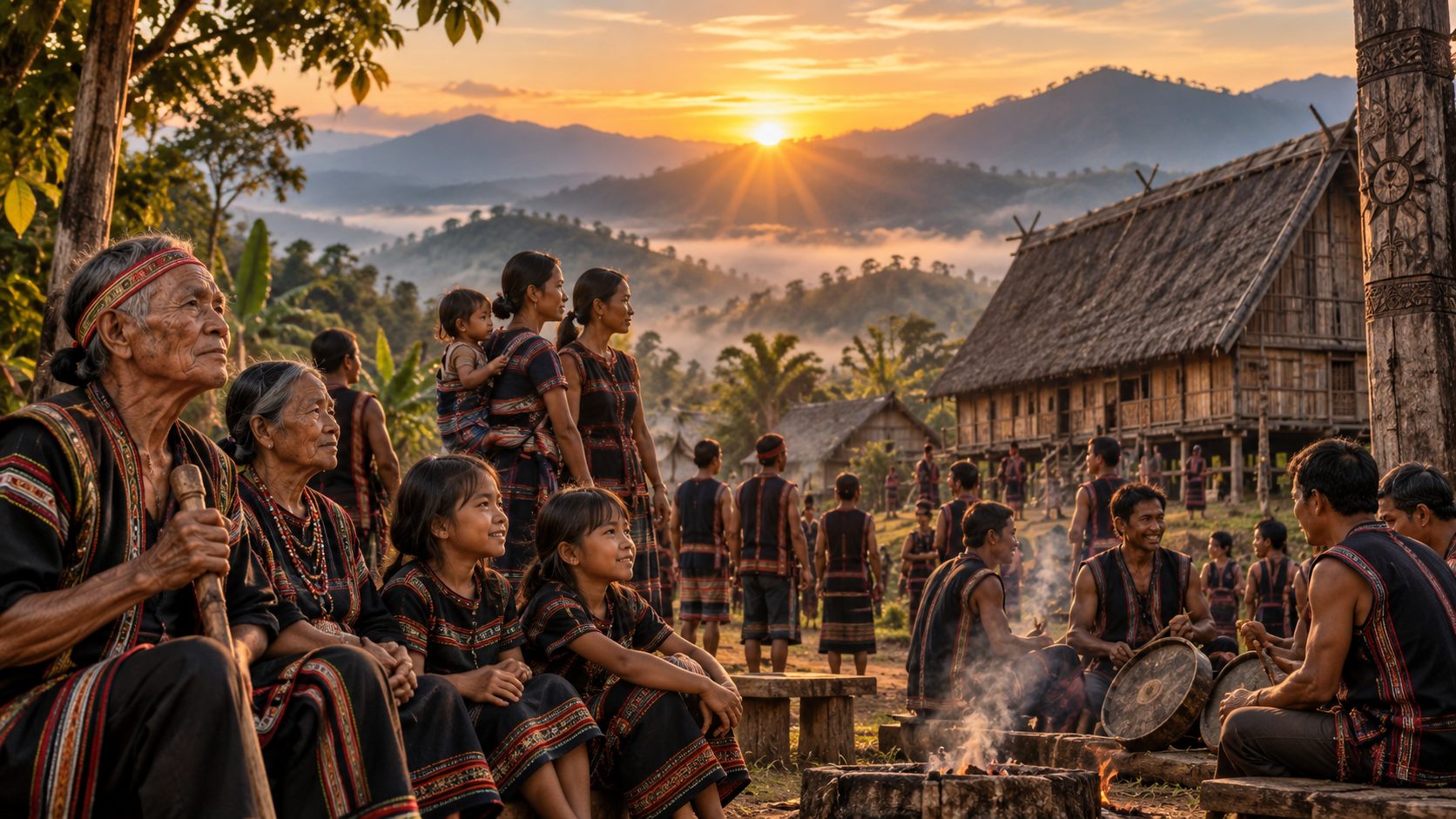
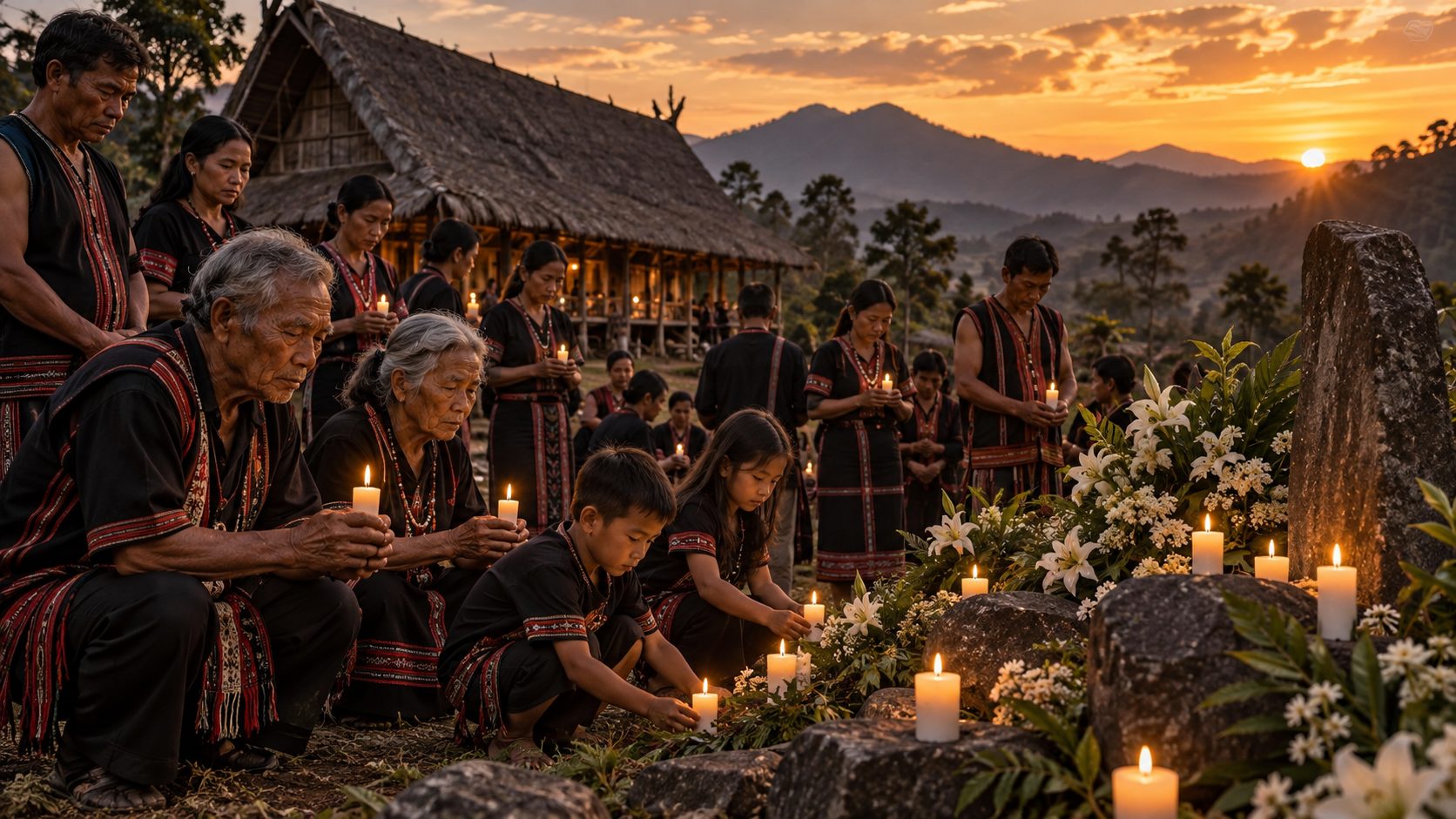
We bring the cause of the Montagnard Country, and reports from Dega communities, to governments, human rights bodies and the press.
Latest news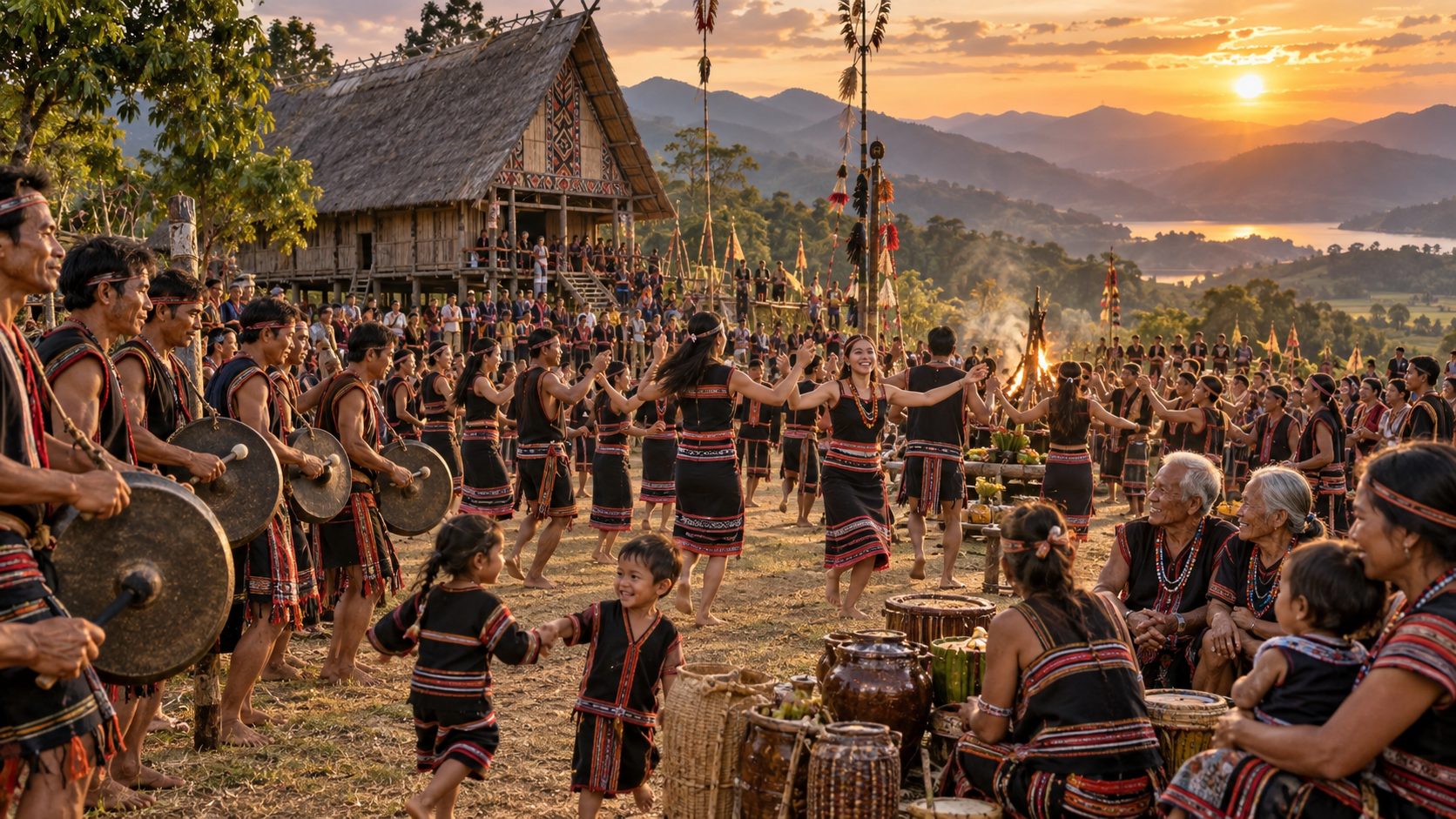
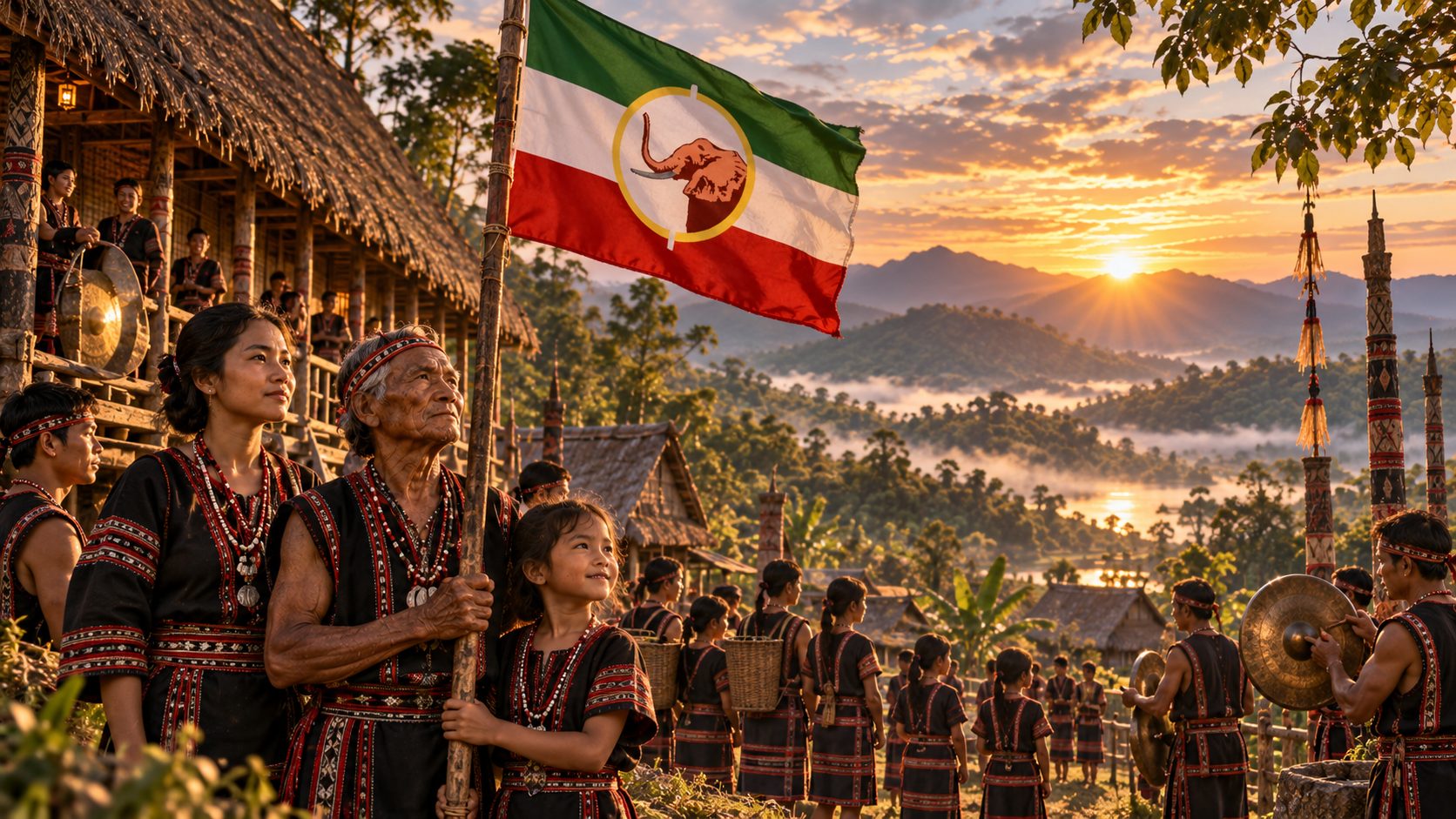
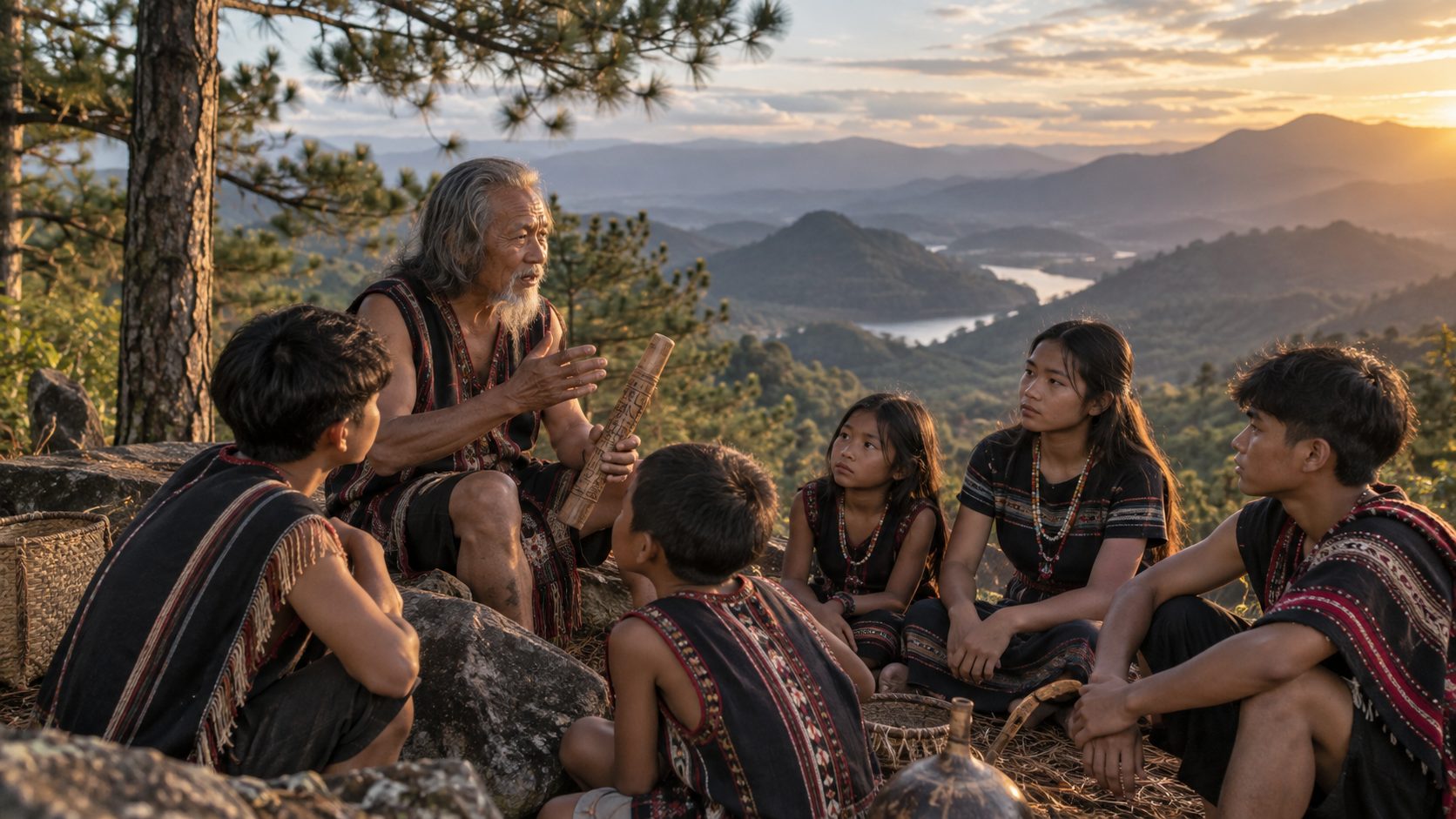
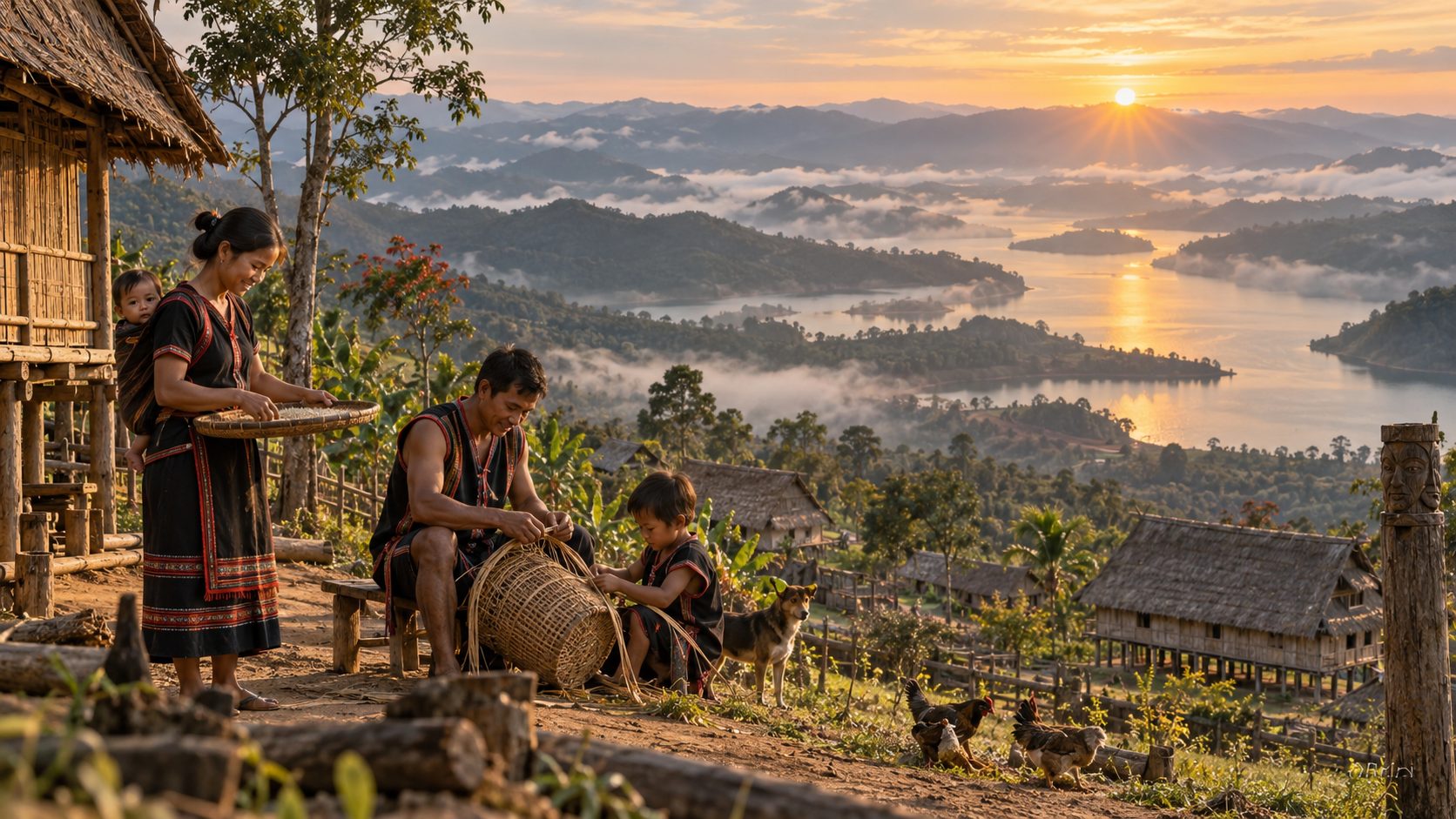
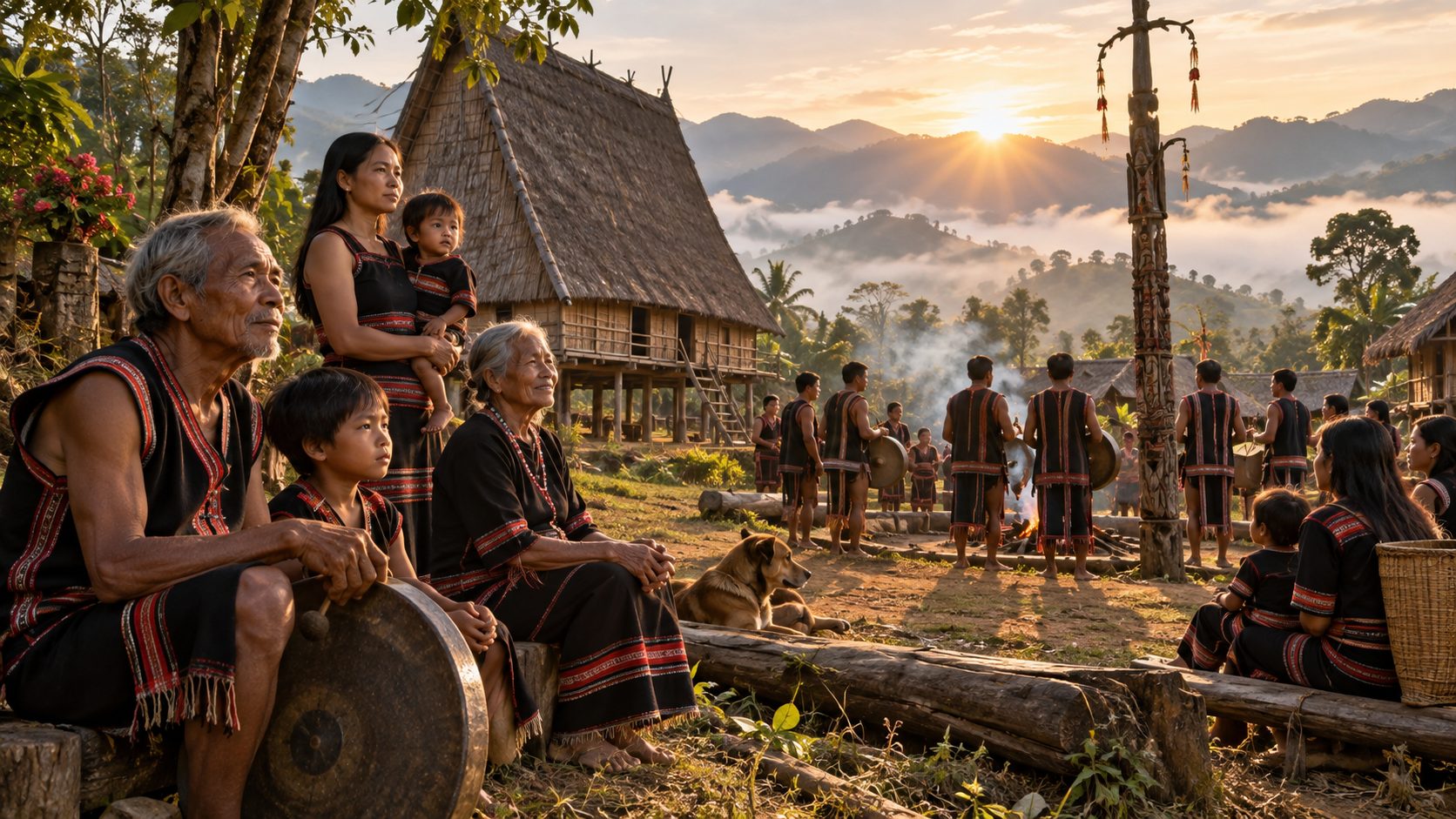
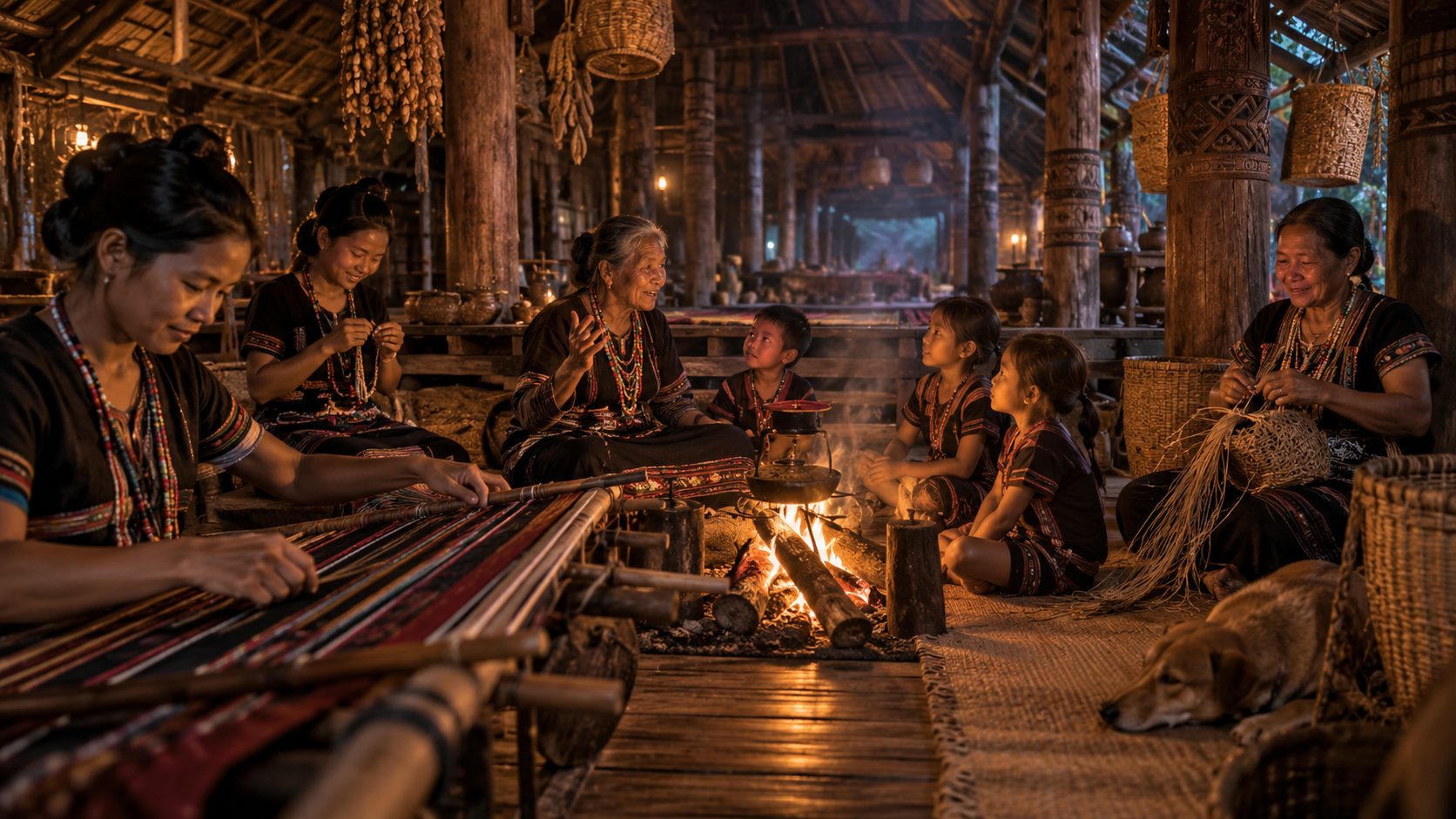
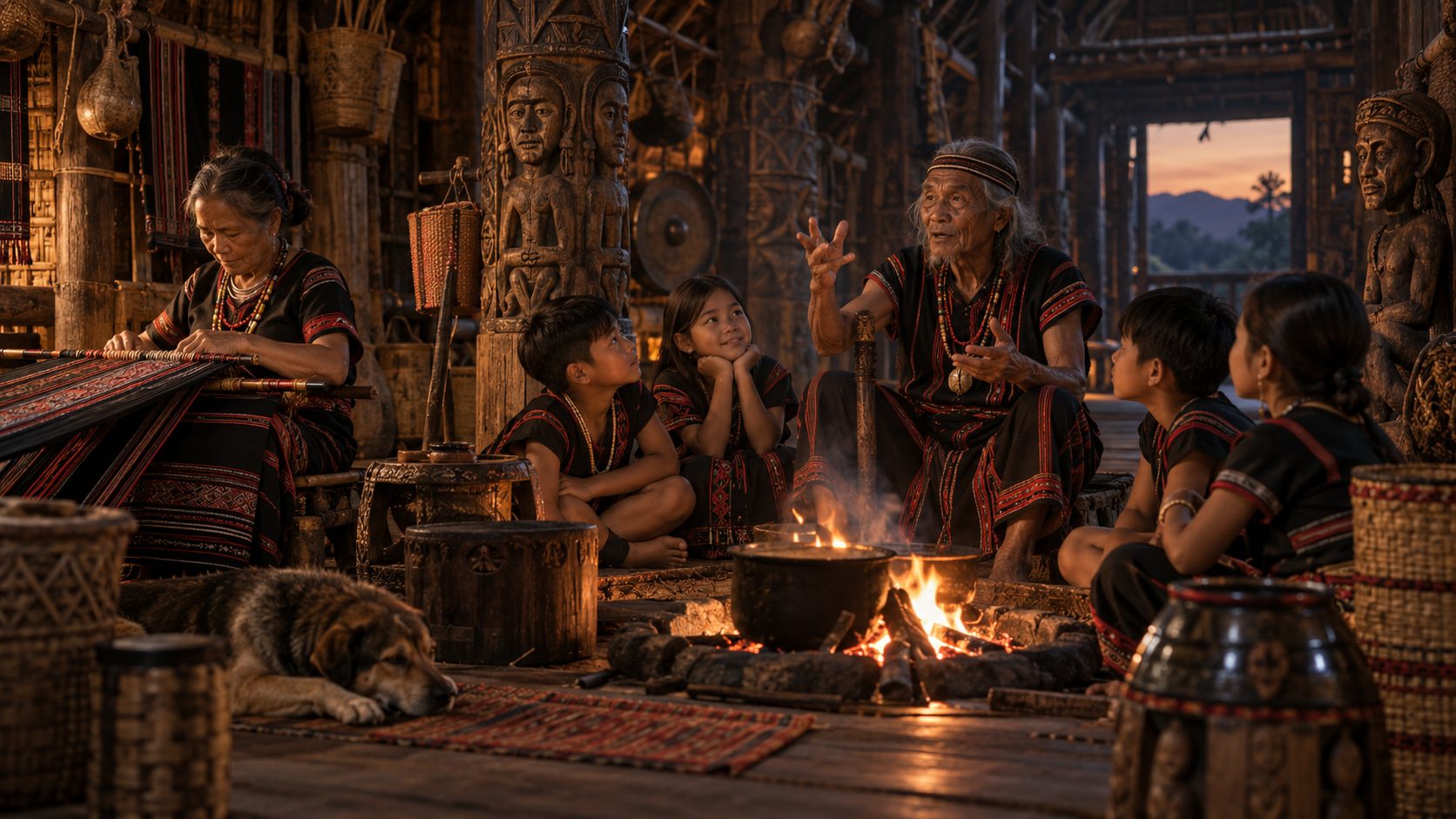
Gong music, brocade weaving and our many languages, passed from one generation to the next.
Dega culture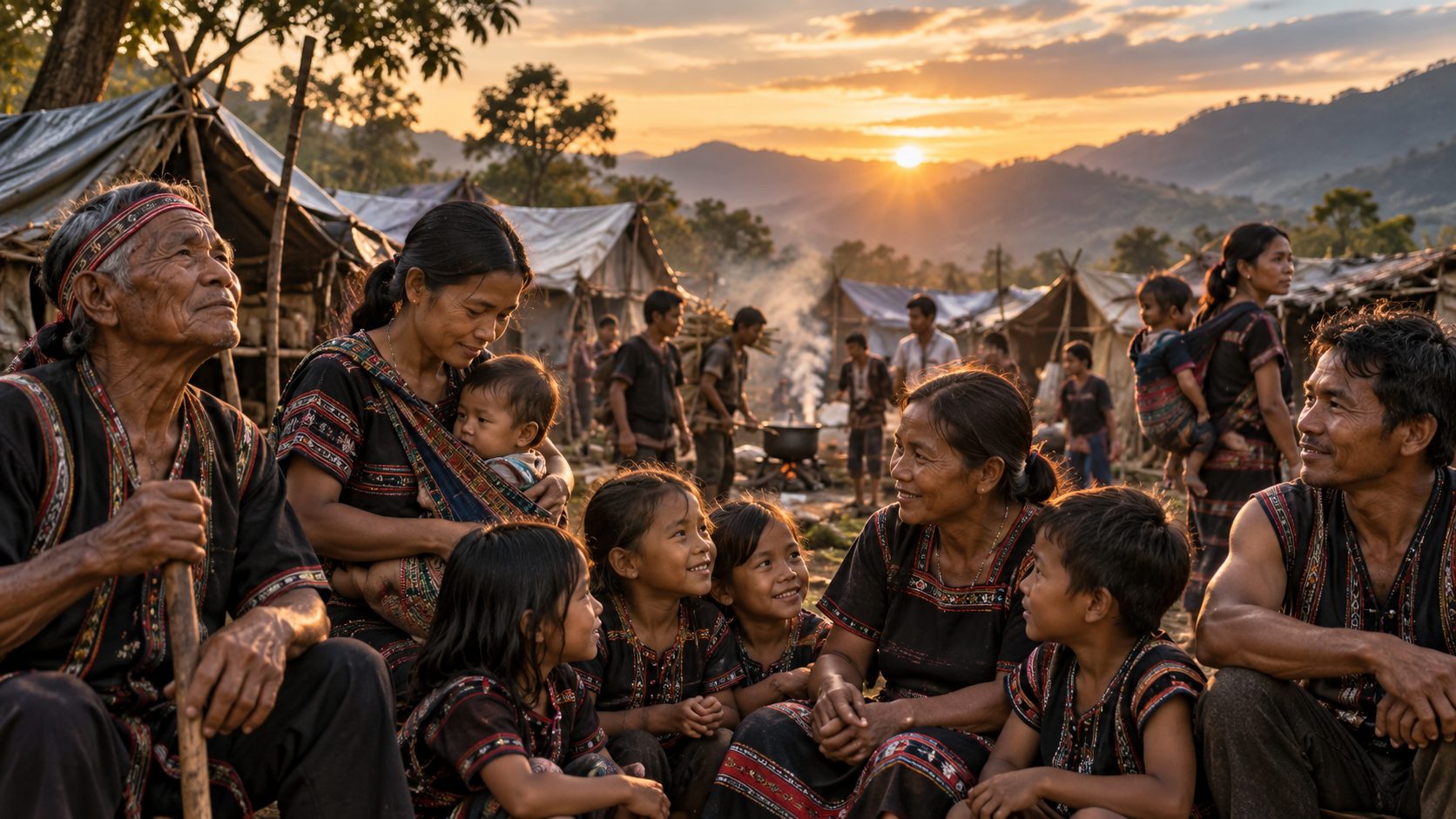
Families who fled the highlands get help to rebuild their lives far from home.
Help a family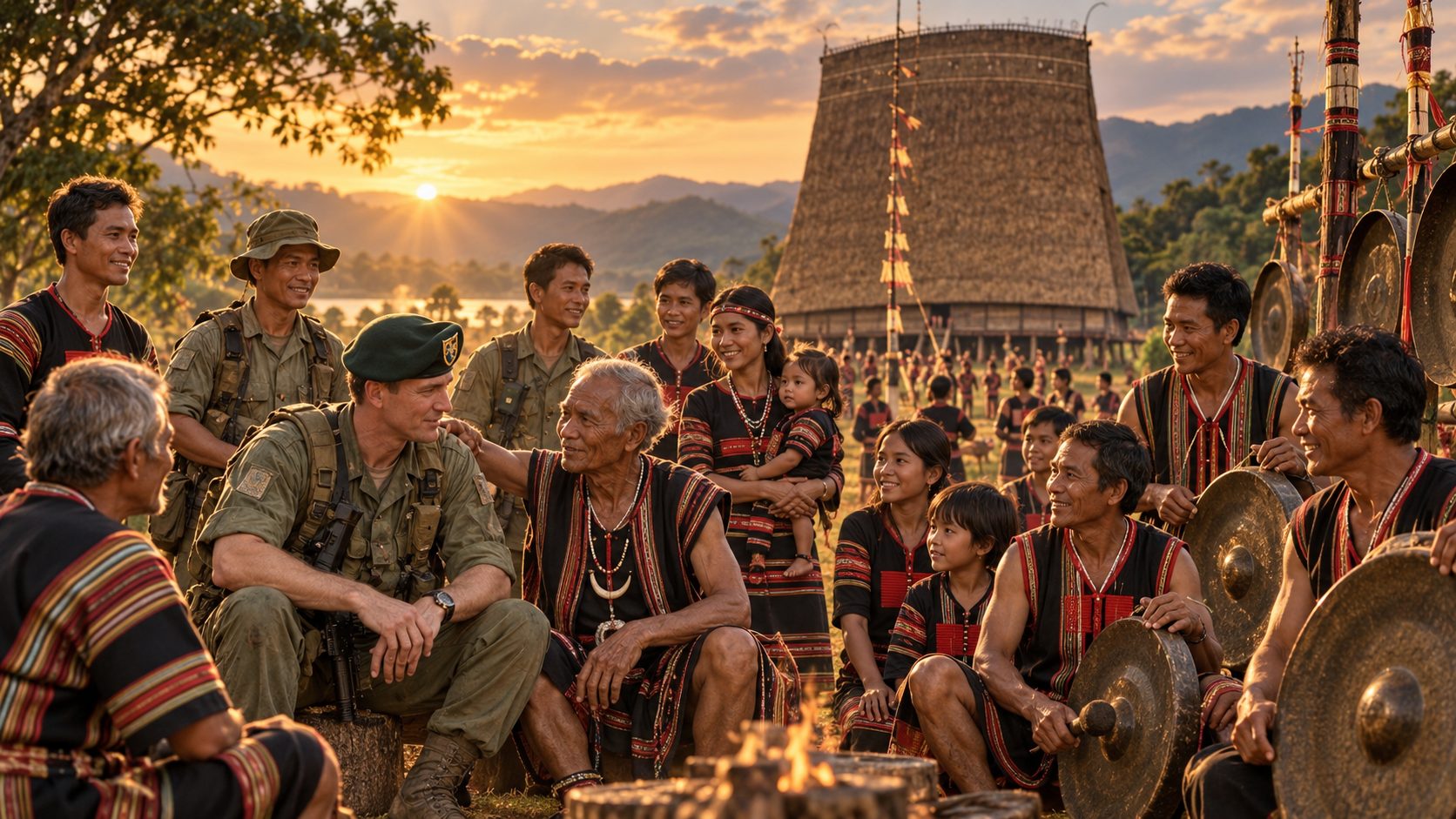
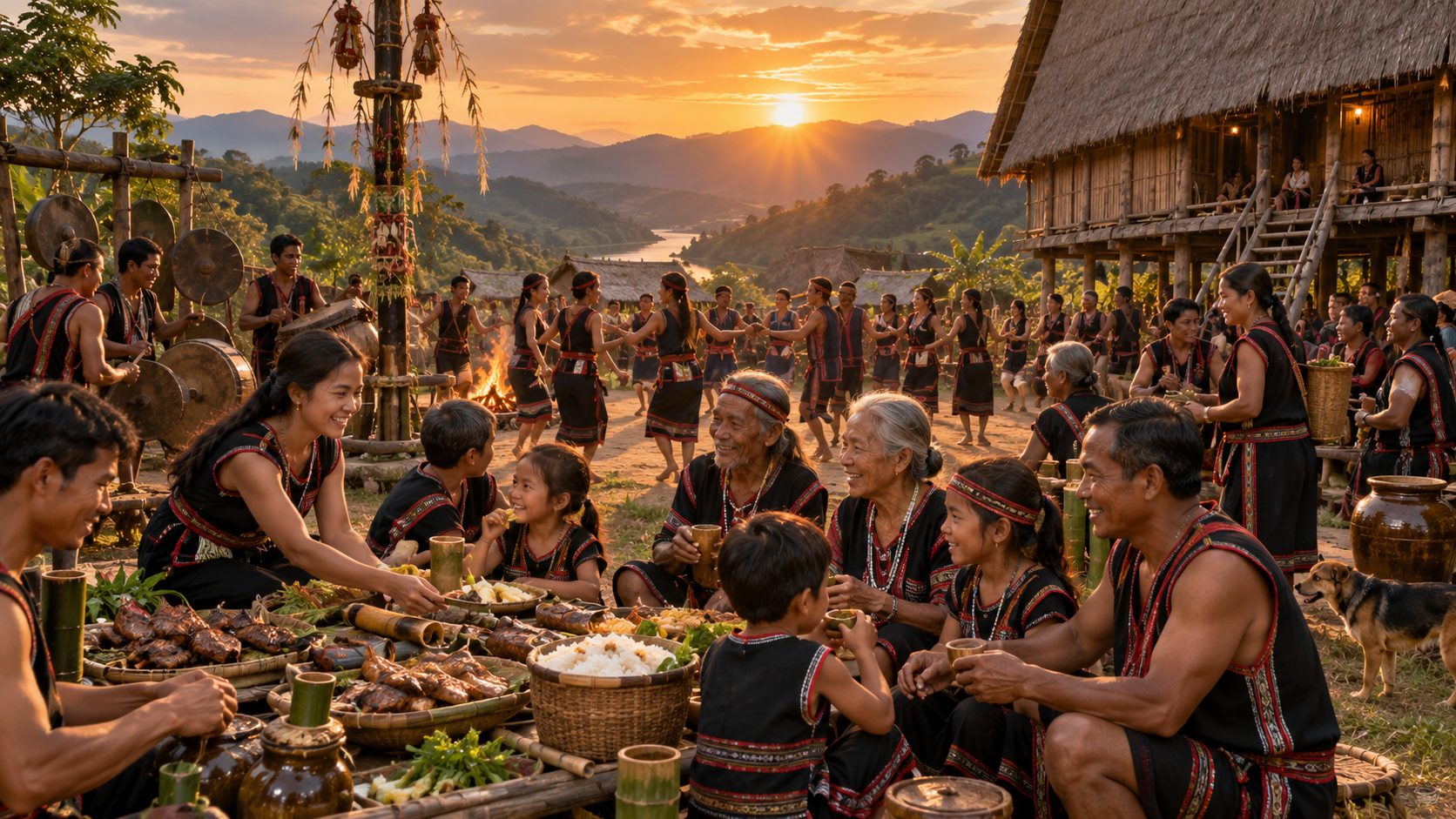
Congresses, conferences and services keep Dega families connected wherever they live.
See our eventsElders tell the young about the country we lost, so they know where they come from and what we fight for.
Read our history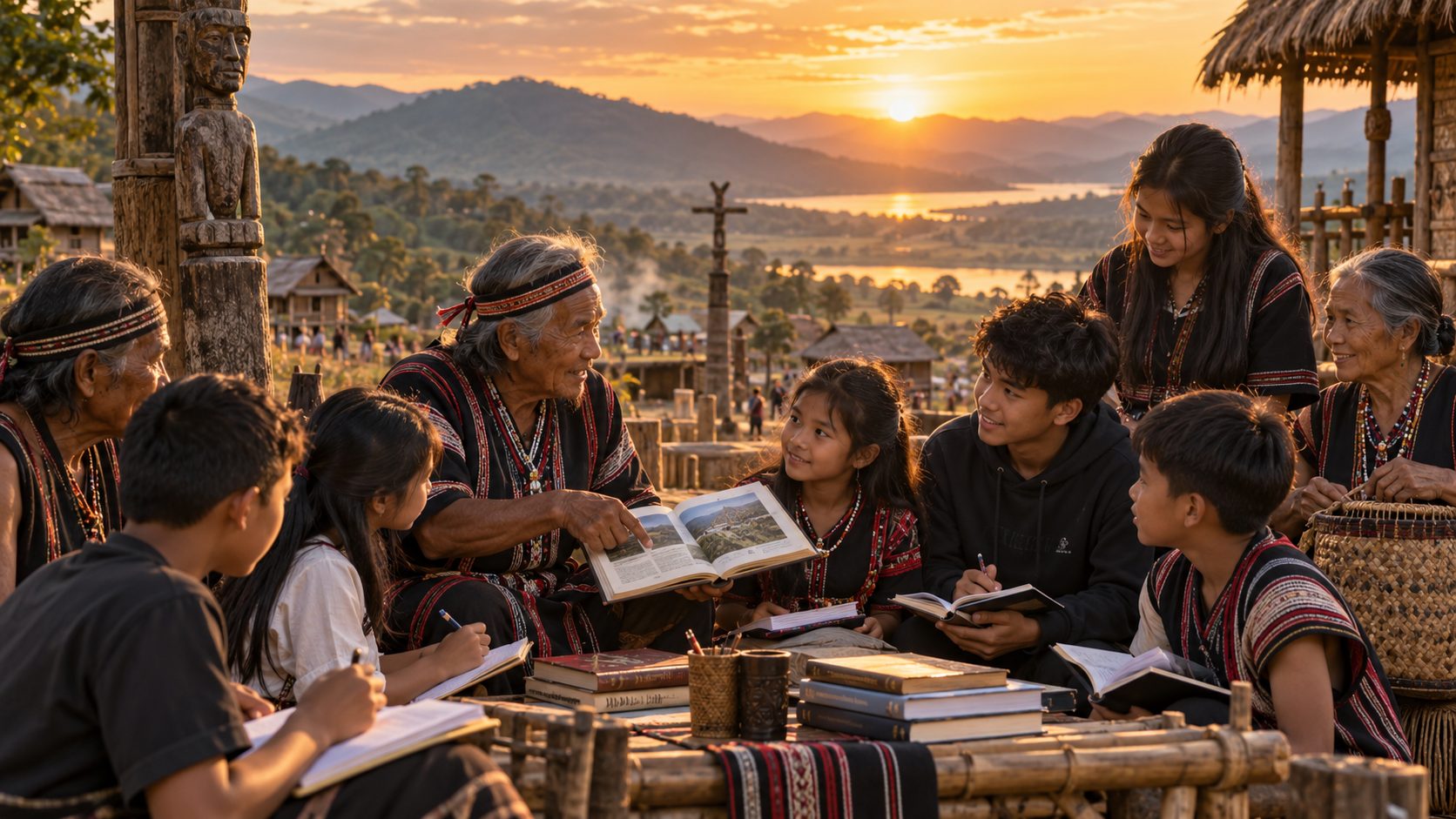
Montagnards cannot return to Central Highlands. If they do, they will be silently persecuted by the Vietnam government. They left the Central Highlands because they can no...
Powered by WBAMS