




















On the night of December 5, 1967, Viet Cong troops with flamethrowers burned a Stieng settlement called Dak Son in Phuoc Long province. That much is not in dispute and never has been. What is in dispute, though almost nobody says so, is the number: the 252 dead that everyone quotes was published by an American magazine four days after the CIA’s own count of the same event stood at 74, and the two figures have never been reconciled by anybody. Not one of the dead has a name in any record we can find. We print the whole ledger, including the parts that do not flatter the story, because an account that cannot survive its own sources is no use to anyone.

What Dak Son was
Date the night of December 5, 1967, into the morning of the 6th
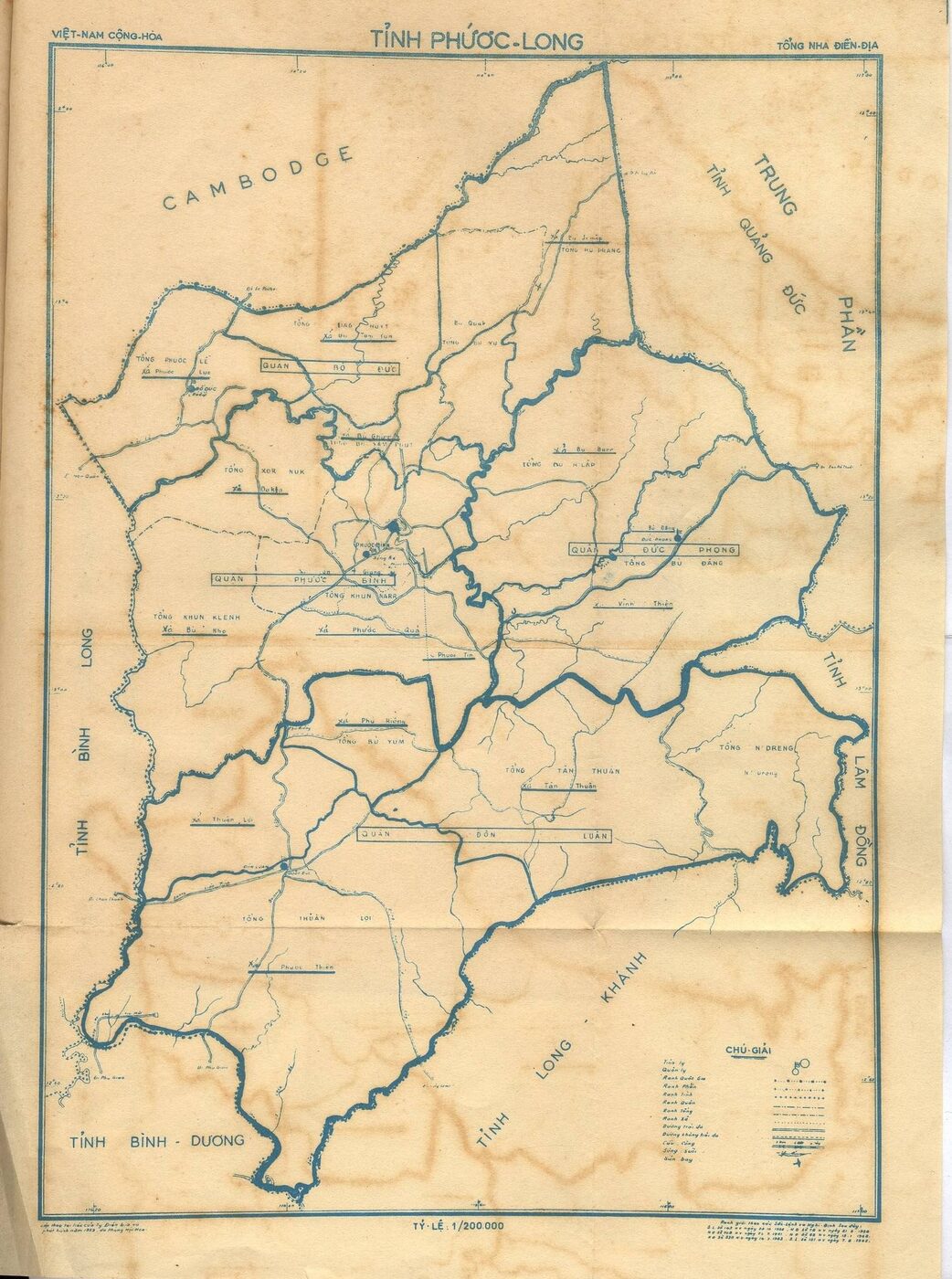

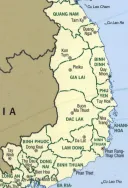
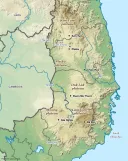
Place Dak Son, a New Life hamlet in Phuoc Binh district, Phuoc Long province, a mile and a half from the province town of Song Be
People Stieng, written “Steng” in every contemporary source
Population 2,008
Defenders 120
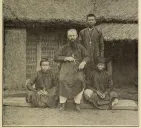
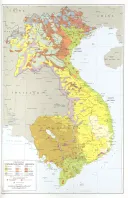
The people of Dak Son were Stieng, and the Stieng are about half the population of Phuoc Long province. There were about twenty thousand of them there. Late in 1966 several thousand Stieng came over to the Saigon government and were settled in New Life hamlets around Song Be; Dak Son was one of them, and about eight hundred of its people were those arrivals. The village had beaten off four attacks earlier in 1967.
Here is the fact that explains the scale of what happened, and it is not in any account of the massacre we have read. A Stieng village, in the survey the US Army itself compiled the year before, “seldom contain[s] more than 30 persons.” The Stieng are swidden farmers who move their fields every few years. Two thousand and eight people behind one perimeter was not a Stieng village at all. It was roughly seventy villages’ worth of people concentrated into a single defended place by a government program, and then left with a hundred and twenty men to hold it. See The Stieng and Strategic hamlets and relocation.
The night
The attackers came in late on the 5th and were in the village for about seven hours. It had air and artillery support; no ground reinforcement was attempted until daylight.
They shouted at the people in the bunkers to come out. The Associated Press correspondent Peter Arnett, who reached the village on the 6th, recorded what was shouted: “Evacuate your houses, you must return with us. Evacuate your houses.” Then the flamethrowers were turned into the huts and into the mouths of the bunkers, and those who were not killed by the flame were suffocated.
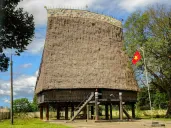
Sixty thatched-roof houses were razed. Sixty-three bodies had been dragged from the bunkers by the time Arnett counted. Forty-seven were wounded, thirty-three of them badly burned. Four hundred villagers were missing.
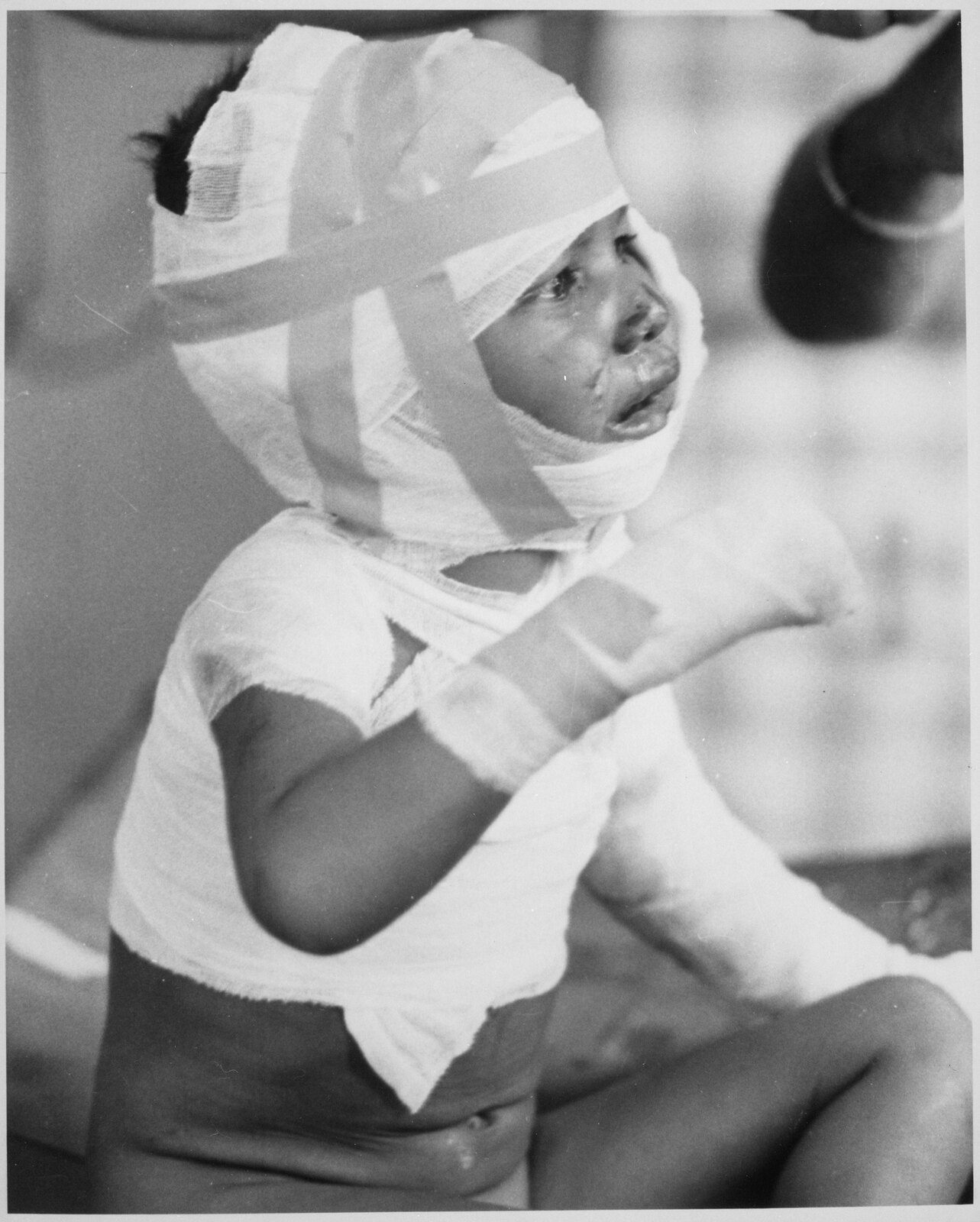
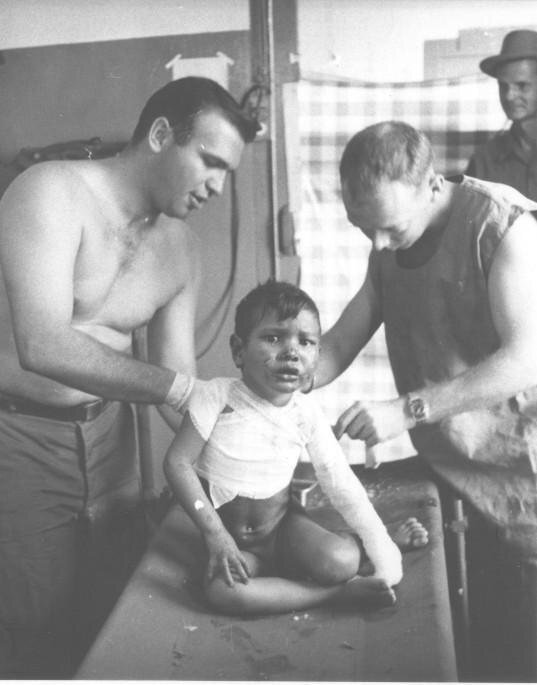
A man named Duot got out. He heard them shouting in his own language for him to get out and leave, and was too frightened to move; he saw a shadow in the doorway, then a jet of flame that seared his back and shoulders, and as the house began to burn he crawled out. In the provincial hospital at Song Be a boy of three named Dieu Do, his head and chest and arms bandaged, held on to his sister while his mother lay back with her forearms bandaged. An American nurse, Linda Mudge of Mansfield, Pennsylvania, said she picked up a little girl and the child’s flesh came away in her hands.
Duot and Dieu Do are the only two of our people named in any account of Dak Son we have found.


What the cameras recorded
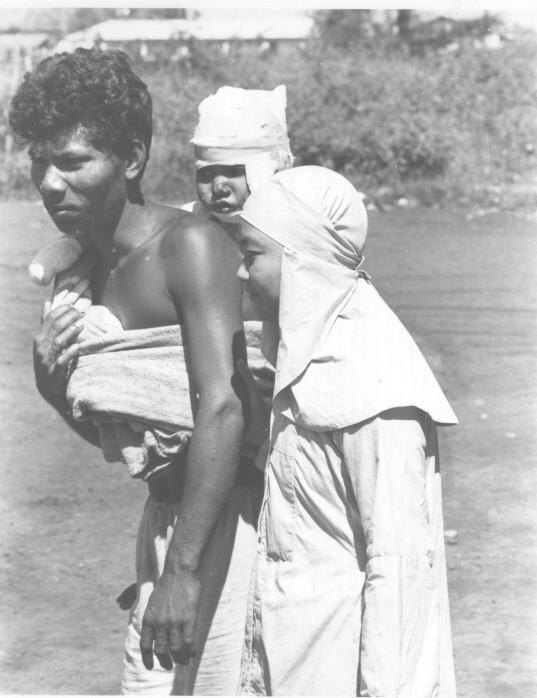
A warning before you scroll. The photographs in this section show the dead of Dak Son, among them small children, as American army and government photographers found them on December 6, 1967. We print them because the only people who ever looked at them were the governments that took them, and because the dead in them have no names anywhere else. Nothing has been cropped out.
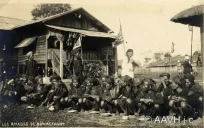
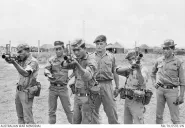
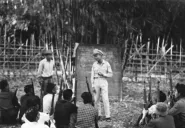
The United States Army, the U.S. Information Agency and the teams that went in with the medics photographed Dak Son the day after the attack. The pictures went into government files in Washington and, much later, into the Vietnam Archive at Texas Tech University. They are public property. Almost no one has used them. Each caption below keeps the words the photographers or the archive wrote at the time, and we have added only where the photograph was taken.
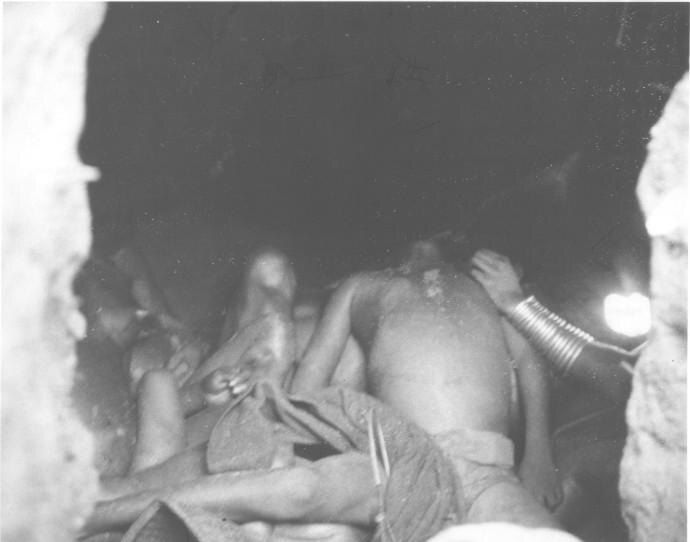

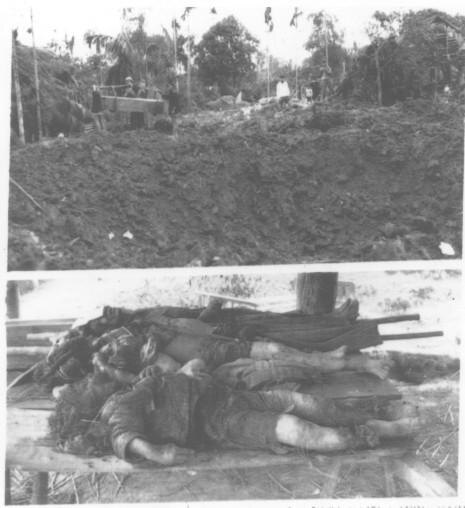

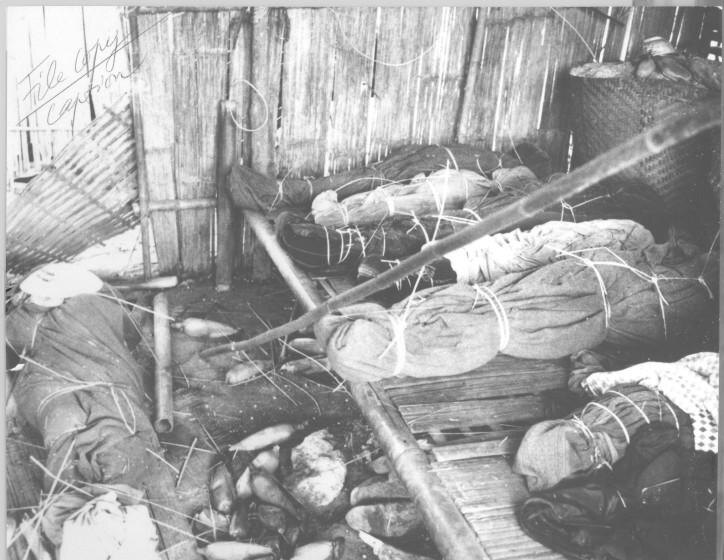

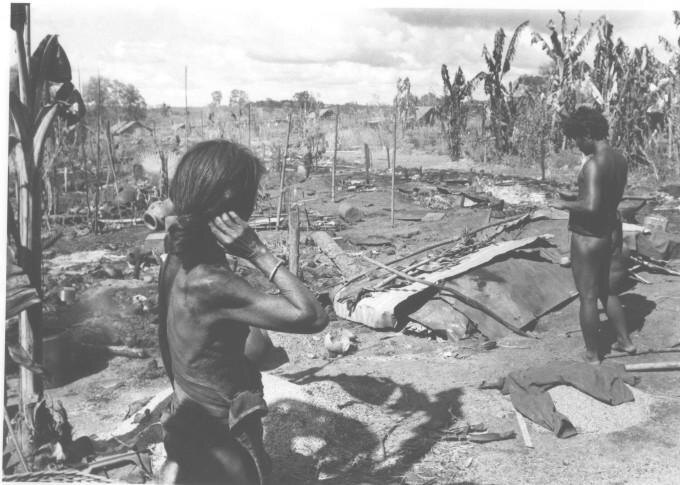

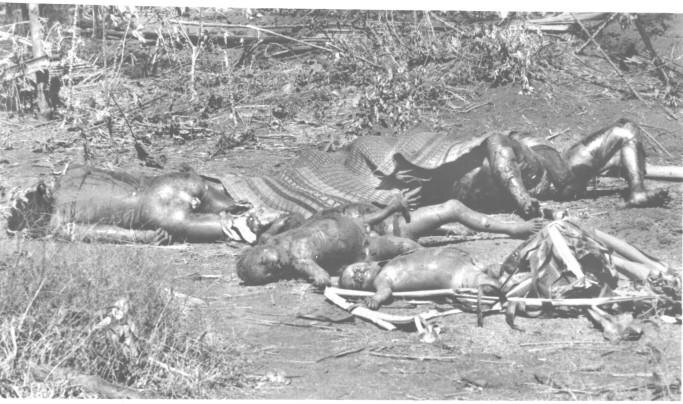

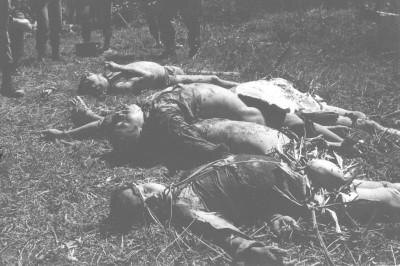

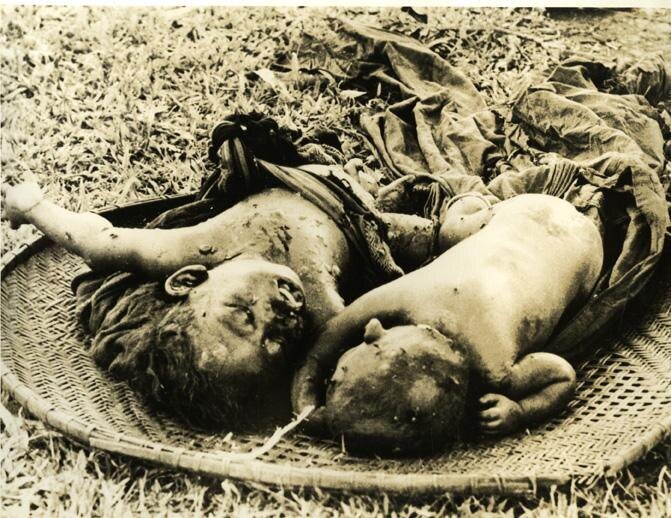

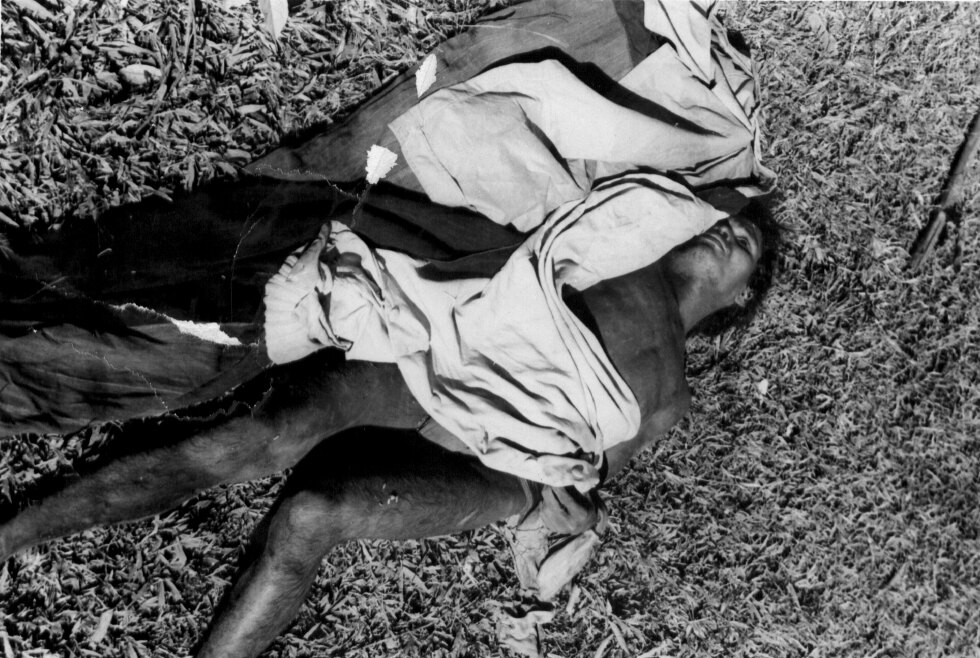

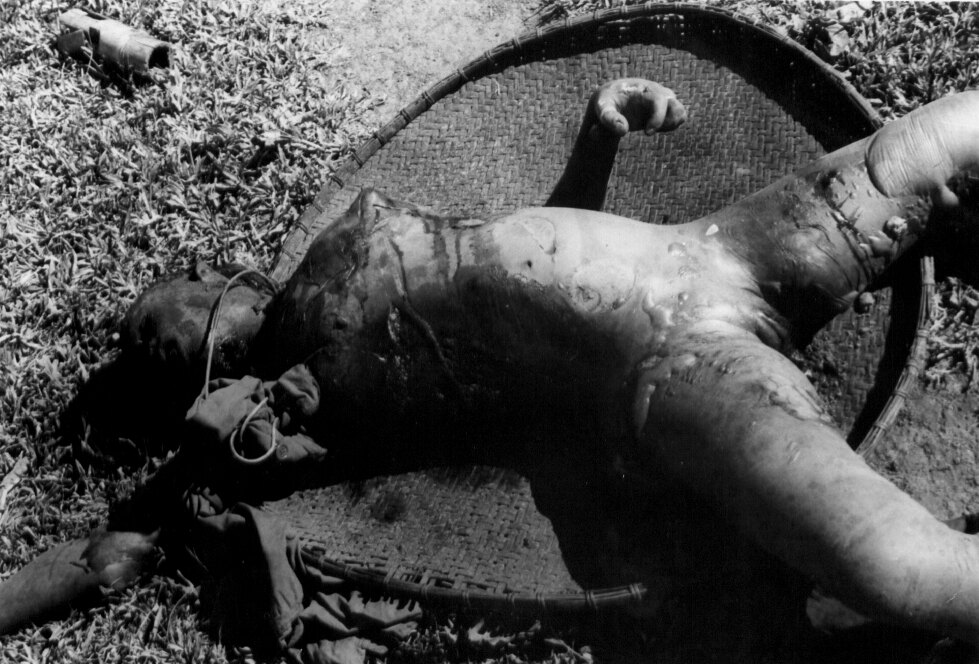

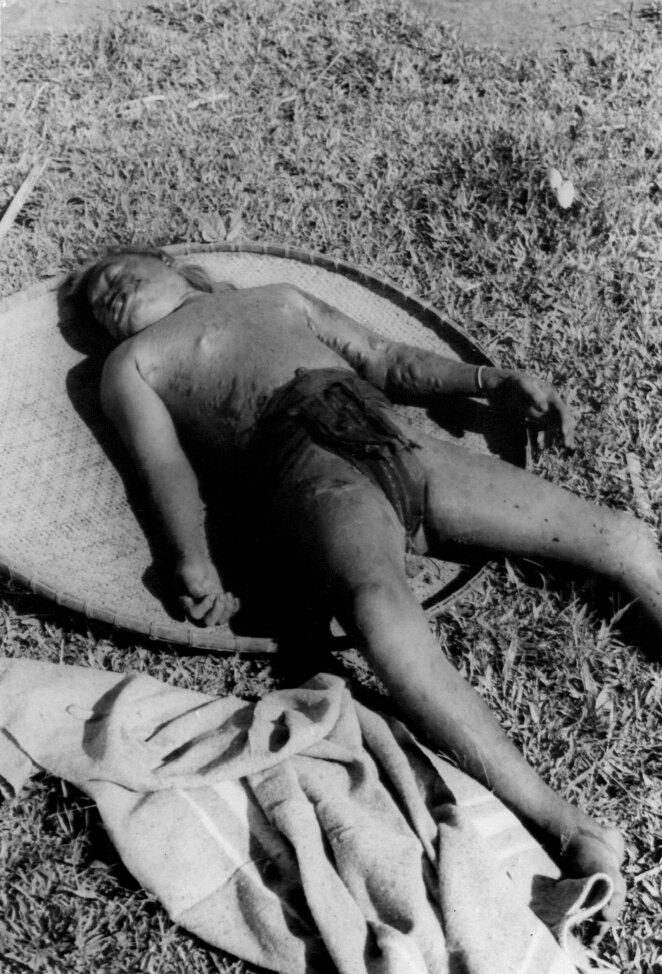

That is thirteen photographs and one name. Every other person in them is anonymous in the files that hold them, as in every other record. If you recognize anyone in these pictures, or know a family that came from Dak Son, please tell us safely.
The counting, in order
This is the part of the record that has never been set out. The figures are given here with the date each was published, because the sequence is the point.
| Date | Source | What it said |
|---|---|---|
| December 5 | CIA, The Situation in Vietnam | An estimated battalion attacked the New Life hamlet of Dak Son. Allied casualties five killed, sixteen wounded. “Damage to the montagnard village was heavy.” |
| December 6 | CIA, The Situation in Vietnam | “There are conflicting reports… Initial accounts of a death toll of 300 were clearly exaggerated, but late reports quote US and Vietnamese officials on the scene as stating that casualties were indeed heavy and that 40 percent of the hamlet had been destroyed.” “Only five deaths have been confirmed so far by Saigon.” |
| December 6 (the photograph’s date; the caption’s is not recorded) | U.S. Information Agency, caption to the photograph of Dieu Do | “Two battalions of Viet Cong systematically killed 252 civilians in a ‘vengeance’ attack on the small hamlet of Dak Son.” |
| December 7 | Peter Arnett, AP, datelined Dak Son | 63 bodies out of the bunkers; 47 wounded, 33 badly burned; 400 missing; 60 houses razed; population 2,008; defense force 120. |
| December 11 | CIA, The Situation in South Vietnam (weekly) | “At least 74 persons have been killed in Dak Son, including 68 civilians, four RD cadres, and two Popular Force soldiers. At least 53 persons have been wounded thus far” — and both figures would probably rise. |
| December 15 | TIME | 252 dead; about 100 taken away; some 500 missing. The worst atrocity of the war. |
| November 1968 | Reader’s Digest | 252 dead and 500 missing, repeated from TIME, with no new reporting, in an election year. |
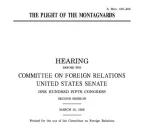
| April 14, 1975 | Senator Charles Percy, in the Senate | The Viet Cong “murdered, in the middle of the night, 500 women and children.” Percy had visited Dak Son in December 1967. |
Read the column downward. Five confirmed, then sixty-three counted on the ground, then seventy-four confirmed and rising, then two hundred and fifty-two. The 252 entered print on December 15, 1967 and has not moved since. The one complication is the American government’s own photograph caption: the National Archives dates the picture December 6, and its caption already says 252. If the caption was written that day, the figure was in official hands before anyone had finished counting; if it was written later, it was copied from TIME. The file does not say which. The CIA’s 74 stayed classified for decades and, so far as we can find, has never been cited in any published account of Dak Son until this one.
We are not saying the massacre was smaller than it was. The same CIA cable that called the figure of 300 exaggerated also said casualties were heavy and forty percent of the hamlet was gone; its own count four days later was 68 civilians dead and climbing, with 400 people unaccounted for. What we are saying is narrower and harder: the figure given everywhere as a fact was a magazine’s figure, published while the official count stood at a third of it, and nobody ever went back and squared the two.
And it grew afterward. TIME’s 500 missing became, in a United States senator’s mouth seven and a half years later, 500 murdered women and children. He was arguing against further aid to Saigon at the time, and offered Dak Son as a concession inside that argument — which is its own kind of afterlife for our dead.
Why they came
The weekly of December 11 sets out three explanations and settles on none. A Vietnamese newspaper said the enemy was taking revenge because villagers had betrayed North Vietnamese positions. A US correspondent said it was reprisal for refusing to supply recruits for enemy labor. Another report said the attackers shouted to the people in the bunkers to come with them or die.
Then the same page adds a sentence that is the worst thing in the whole file:
“Since the majority of the montagnards did not speak Vietnamese, they were possibly unable to respond” to the demand.
Set that against Duot, who told Arnett the shouting was in his own language, that he understood it perfectly, and that he was too frightened to move. One of these is a man saying what he heard from inside a burning house, given to a reporter standing in the village the next morning. The other is a sentence with possibly in it, written by people who were not there and who do not appear to have asked anyone who was. We keep both, and we say which is which. One says our people died because they could not understand an order; the other says a man understood it and stayed where he was. Neither is a reason to burn a bunker.
It had been predicted, in writing, fifteen days earlier
On November 20, 1967, the CIA circulated an assessment of what the communists were doing to the pacification program. Its finding: they had begun to hit hard at the Chieu Hoi centers and the refugee resettlement centers, “apparently judging them to be weakly protected links.” In the first nine months of that year there had been about 900 incidents against the development teams alone and some 487 cadres killed.
Dak Son was fifteen days later. It was not an aberration; it was the case the analysis had described — a lightly held settlement full of people who had left the other side. And what made it lightly held was the same program that had put two thousand people in it.
The demand on villages still inside Viet Cong country ran the same way, and it explains what people were being punished for leaving. From Darlac, in the weeks around Tet, our people described it: they would have to carry food and ammunition and act as guides; a man could leave the village only by himself, his family staying behind; people trying to get out of the controlled area were watched and most were brought back. See Tet 1968 in the highlands.
The sentence the Americans wrote about the other side
In the same weekly that counted the dead of Dak Son, under the same heading, is this:
“Over the past several months ill treatment of the montagnards by the government has led more of them to move into the hinterland.”
That is American intelligence reporting, in the week of the massacre, that Saigon’s own conduct was pushing our people the other way — out of the hamlets it had put them in and back toward the country the attackers came from. Dak Son is usually told as a story with one villain. The file it sits in does not read that way.
What happened afterward, and what is not recorded
The wounded went to the provincial hospital at Song Be, where three American medical people — Linda Mudge, Dr. Herbert Rosenbleeth of Flemington, New Jersey, and Dr. Henry Wirts of York, Pennsylvania — treated them, with fresh supplies flown up from Saigon. The province chief, named in the dispatch only as Huy, said what he intended: “We have to rebuild Dakson and get the people back in there,” and asked for more barbed wire and more guns. Within days the revolutionary development program in Phuoc Long had come to a virtual standstill.
After that the record stops. We do not know whether Dak Son was rebuilt or reoccupied. We do not know where the survivors went. We have found no relief operation beyond the medical response of the first days, no inquiry, no tribunal, no hearing, and no unit, commander or individual ever named as responsible by anybody. The Americans who reached Dak Son on December 6 appear to be the last outsiders who wrote anything down about it.
Hanoi’s answer, and what we can actually say about it
Hanoi is widely said to have attributed the deaths to American incendiary bombing. What can actually be established about that is a good deal less than the confident versions of it suggest.
The attribution traces, through the general reference literature, to two Vietnamese official histories, which we do not use. We have found no English-language source that documents the position independently, and no contemporaneous record of it at all. What we do have is one datum from the other direction: on December 19, 1967, American monitoring of Hanoi’s domestic broadcasting recorded that Hanoi had reported Senator Percy’s narrow escape at Dak Son “without comment.” At the moment a US senator’s brush with death at the site was in Hanoi’s own bulletins, Hanoi was not, in that broadcast, advancing any counter-account.
So: the counter-claim is attributed to Hanoi in later official histories; we have not found a contemporaneous record of it; and we are not able to say more than that.
The names
There is no list of the dead of Dak Son. Not a provincial report, not a mission record, not a relief agency’s file, not a memorial. Two hundred and fifty-two, or seventy-four, or sixty-three — whichever number is right, not one of them has a name anywhere we can reach. There is no record of what became of the roughly hundred people taken away, and no record of the four hundred who were missing on December 7.
What the record does keep is a three-year-old in a hospital bed at Song Be with his head and arms bandaged, holding on to his sister. If your family came from Dak Son, or you know of any list, please contact us safely. The names are the part of this that is still missing, and it is the part that matters.
Why this page is here
Much of this library is about what the Vietnamese state has done to us since 1975. Dak Son is the reminder that it did not begin in 1975, and that we were killed by both sides of a war neither side had asked us about — by the men who came with the flamethrowers, and by the program that had concentrated two thousand swidden farmers into one perimeter and left a hundred and twenty of them to hold it. We keep both records because both are true.
What we could not get
We have not read the II Field Force Vietnam operational report for that quarter, or any MACV or divisional record of the response, or any US aid agency report on the Phuoc Long refugees. We have not read Ronald Spector’s account in After Tet. We found no published scholarship questioning the account of Dak Son, and no Congressional use of it at the time — only in 1975. Peter Arnett’s dispatch survives to us in a student newspaper’s free archive; the metropolitan papers that carried it that week are behind paywalls, and there is probably more of his reporting from Dak Son that we have not seen.
See also: How we died, Memorial register, Battles on our land.
Sources
- Peter Arnett, Associated Press, “Flamethrowers Scorch Viet Village,” datelined Dakson, published December 7, 1967 — read in The Michigan Daily’s open archive. The only eyewitness account we have: the count of the bodies and the wounded, the 400 missing, the 60 houses, the 120 defenders, the population of 2,008, what the attackers shouted and in which language, Duot, Dieu Do, the three American medical people, and the province chief
- CIA, The Situation in Vietnam, December 5, 1967 — the document; and December 6, 1967 — the document, which carries the “clearly exaggerated” sentence and, in the same breath, that casualties were heavy and forty percent of the hamlet destroyed
- CIA, The Situation in South Vietnam, weekly, December 11, 1967 — the document. The fullest official account: the Steng identification and their numbers, the seven hours, no ground reinforcement until daylight, the flamethrowers, the count of 74 with its breakdown, the three explanations of motive, the sentence about not speaking Vietnamese, and the sentence about government ill treatment
- CIA, Intelligence Memorandum, Communist Counteraction Against the Revolutionary Development Program in South Vietnam, November 20, 1967 — the document. Resettlement and rallier centers identified as weakly protected links, fifteen days before Dak Son
- CIA, Special Daily Report on North Vietnam for the President’s Eyes Only, December 19, 1967 — the document. Hanoi reporting Senator Percy’s escape at Dak Son without comment
- CIA field report, Montagnard Disenchantment with the Viet Cong in Darlac Province, March 13, 1968 — the document. What was demanded of villages inside the controlled area, and what happened to people who tried to leave
- TIME, “The War: The Massacre of Dak Son,” December 15, 1967 — the 252, the 100 taken and the 500 missing, and the source of every later repetition of those numbers
- Congressional Record, April 14, 1975, p. 10102 — Senator Charles Percy, who had visited Dak Son in December 1967, telling the Senate that 500 women and children were murdered there
- Joann L. Schrock and others, Minority Groups in the Republic of Vietnam, Department of the Army Pamphlet 550-105, 1966, chapter 18, “The Stieng,” pp. 787–806 — at the Internet Archive. The Stieng of Phuoc Long, the shifting fields, and the sentence at p. 792 that a Stieng village seldom holds more than thirty people
- The photographs: U.S. Information Agency, “Two battalions of Viet Cong systematically killed 252 civilians in a ‘vengeance’ attack on the small hamlet of Dak Son,” December 6, 1967, National Archives identifier 541846 (Record Group 306, Records of the U.S. Information Agency) — the photograph of Dieu Do, with its original caption; U.S. government photographs VA000242, VA000322–VA000325, VA000329, VA000330, VA003762 and VA056307 in the Vietnam Archive at Texas Tech University; and three photographs credited to the U.S. Army and its 53rd Signal Battalion. All are public domain, and all reached us through Wikimedia Commons. The USIA caption gives the figure of 252. The National Archives dates the photograph December 6, 1967; when its caption was written is not recorded. If it was written that day, the 252 was circulating in American government hands nine days before TIME printed it, and the ledger above needs another row. We have not been able to settle it
- Ronald H. Spector, After Tet: The Bloodiest Year in Vietnam (Free Press, 1993) — cited by this page before, and still unread by us
Compiled September 2026, from the declassified record. Where the counts of the dead conflict, every version we found is in the table above. The sources of 1967 spell the people “Steng”; we write Stieng, as we do elsewhere in this library.