








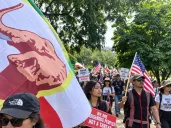

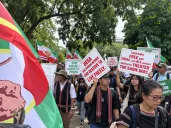


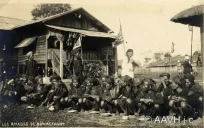
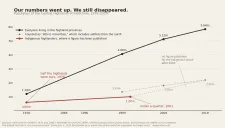

The Dega story in one place, from the Cham kingdom on the coast to the extradition of a refugee from Bangkok in November 2025 and the trials of 2026. Each entry is short; where an article in this library covers it in depth, the entry links to it, and the sources are given there.
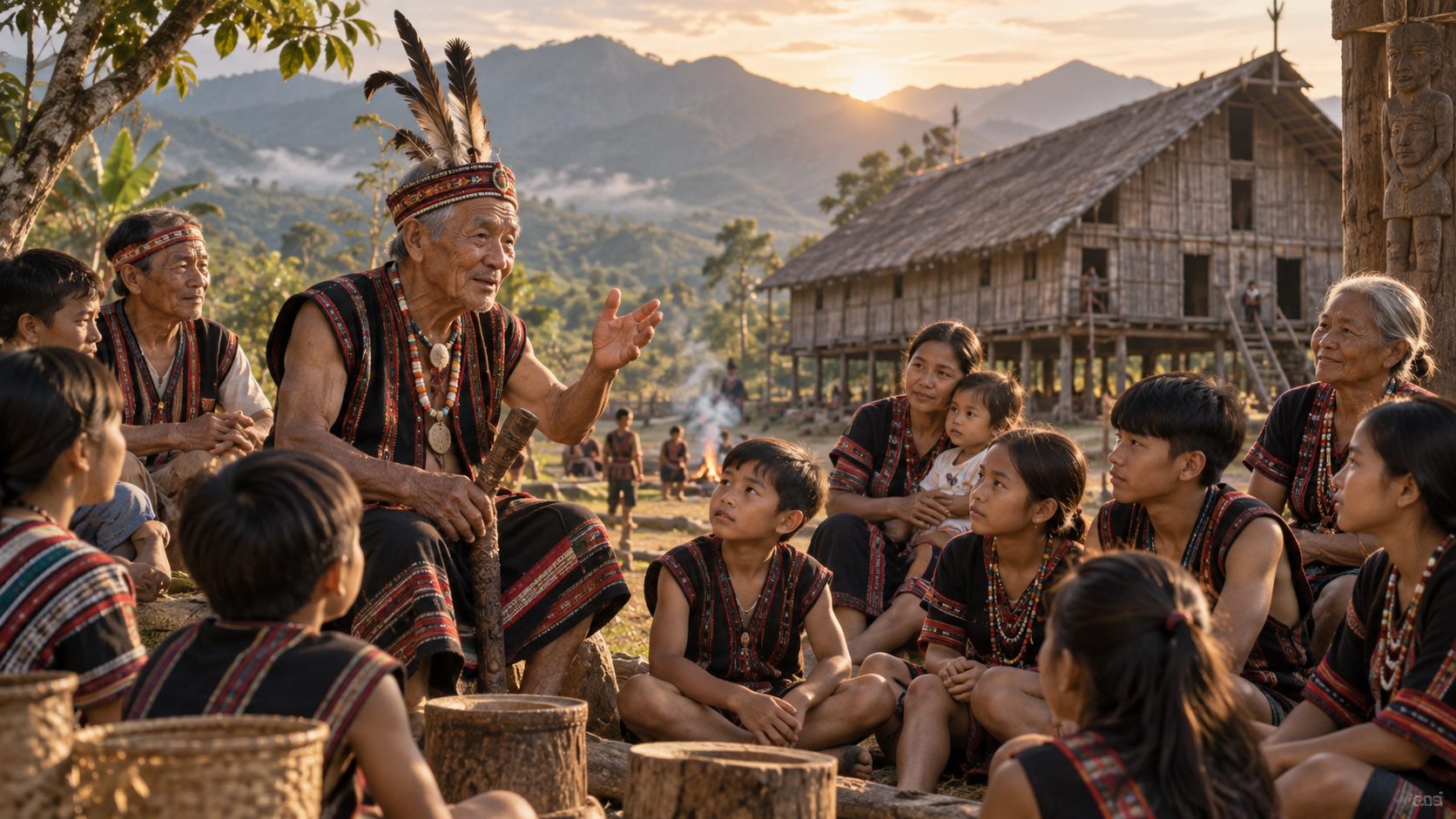
A timeline is the thinnest way to tell a history, and ours is thinner than most, because for long stretches the people writing things down were somebody else. The French wrote about us as subjects, the Americans as allies, the Vietnamese state as a problem to be managed, and none of them wrote down what our own people remembered. So this page does two things at once. It gives the dates that can be fixed from documents, and it gives our own people’s account alongside them, saying which is which. Where the documents disagree with each other, or with us, the entry gives both and does not choose quietly.
The page is arranged in ten periods. Each opens with a few paragraphs on what changed in it, and then lists the dated events. Names of our own places are written plainly, as we write them; Vietnamese places outside the highlands keep their Vietnamese spelling.
How to read the dates. The color of each date says whose act it records. Green marks what our own people did: founding, organizing, marching, petitioning, resisting, rebuilding. Violet marks what others decided about us: laws, treaties, conferences, reports, appointments. Red marks what was done to us: killing, imprisonment, dispossession, expulsion.
Before 1800Long before the record
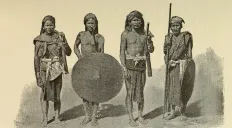
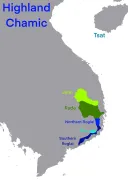
Our peoples were on the plateau long before anybody wrote about it. Seven thousand years ago people were living in the lava caves at Krong No, in Dak Nong, burying their dead, cooking at hearths and wearing ornaments of sea-snail shell carried up from the coast a hundred kilometers away. The Bien Ho culture of the northern plateau is dated to between about 3,500 and 2,000 years ago. The languages we speak have been in the region longer than any record of it: Jarai, Rhade, Churu and Raglai are related to Cham, and most of the others, Bahnar, Sedang, Mnong, Koho, Stieng and many more, belong to the Mon-Khmer family.
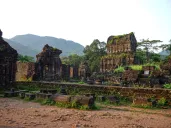
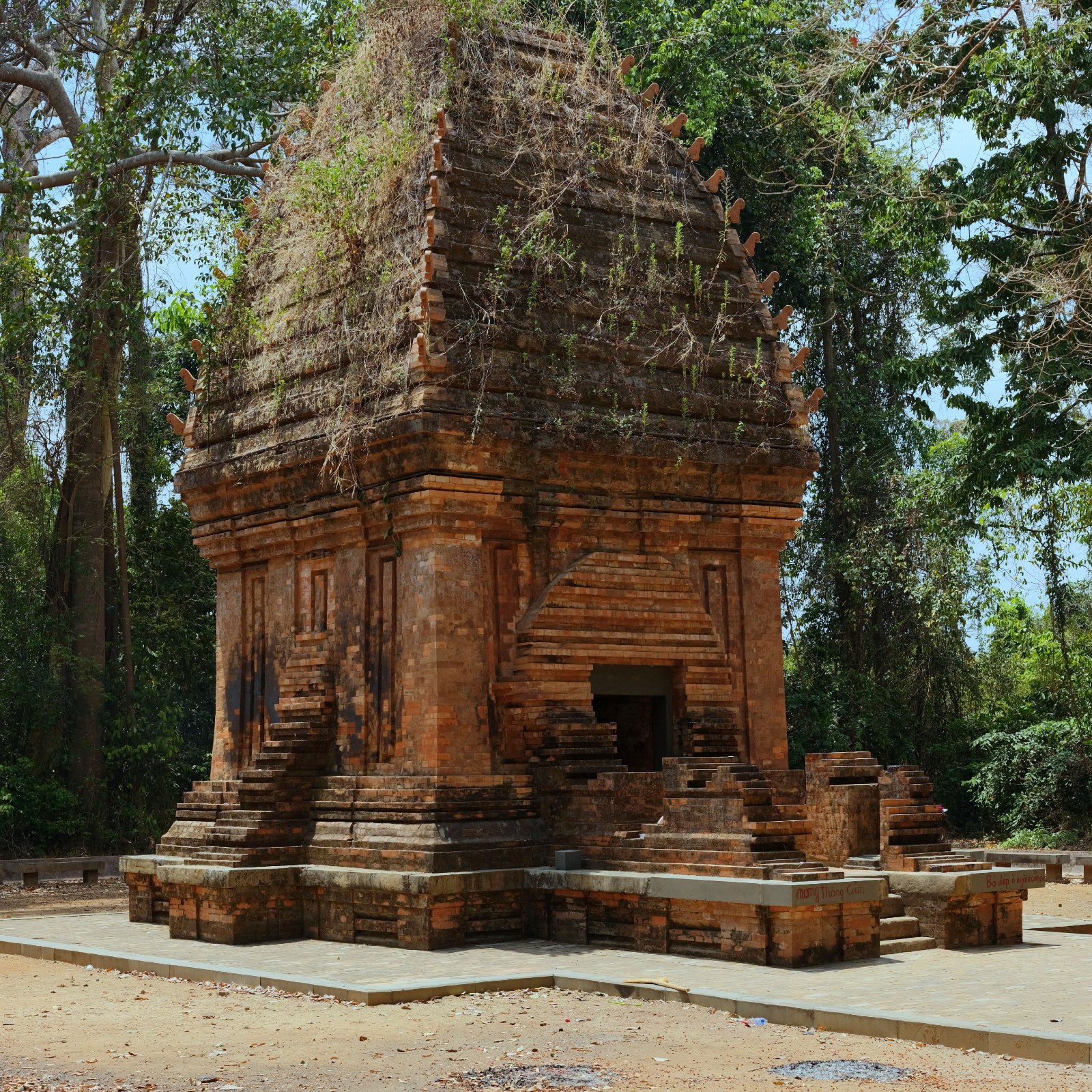
The coast belonged to Champa, a kingdom of ports and temples that lasted more than a thousand years. The highlands were ours, joined to the coast by rivers and by trade: salt, fish sauce and iron went up, and eaglewood, ivory, rhinoceros horn, beeswax and elephants came down. Champa built one tower on the plateau in all its history. When the Vietnamese kingdom pushed south, it took the Cham coast piece by piece and then the Cambodian lowlands beyond it, and by 1800 our country was surrounded on the east and south by a state that had never governed it.


- Prehistory People live in the lava caves at Krong No, in Dak Nong, from about seven thousand years ago. Later the Bien Ho culture of the northern plateau flourishes, between about 3,500 and 2,000 years ago. Before history
- 7th century Trade runs along the rivers between the highlands and the Cham ports: eaglewood, ivory and rhinoceros horn down to the coast, salt up to the villages. Before 1800
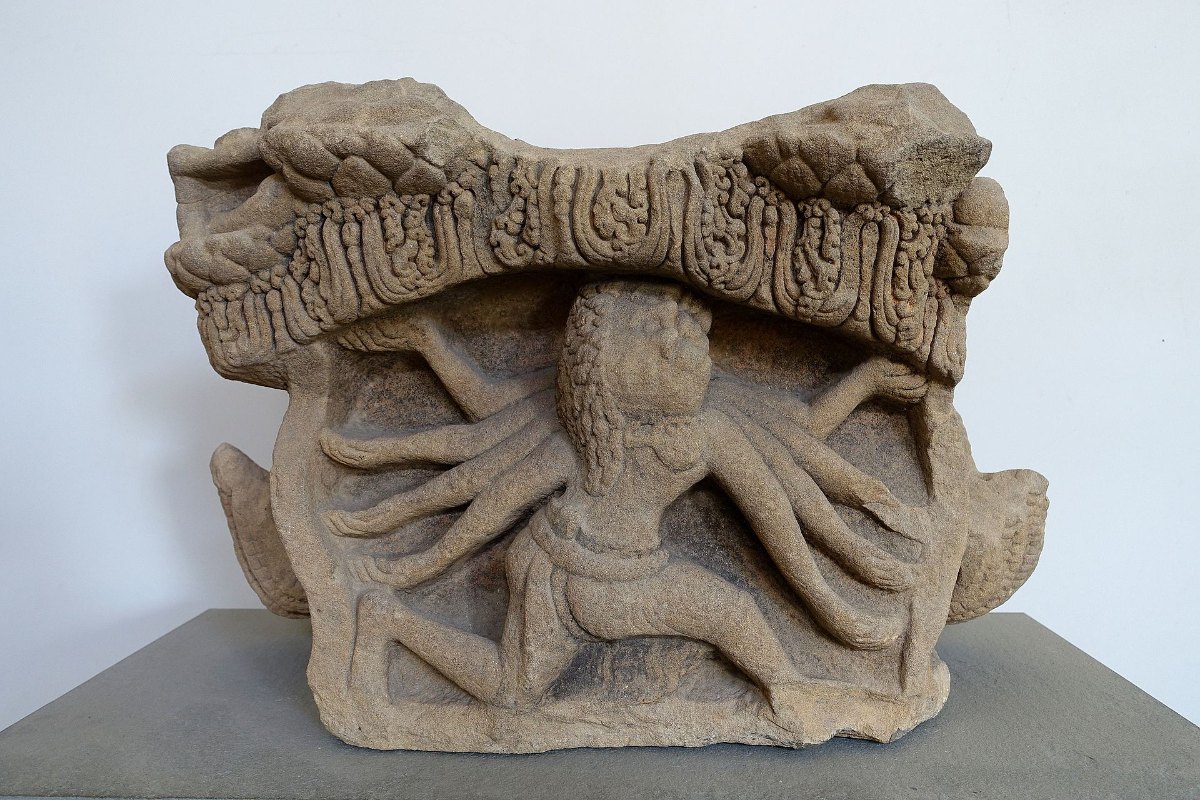
- 875 King Indravarman founds a new capital for Champa, Indrapura, at Dong Duong near Da Nang, and records it on a stone set up that year. Champa has held the coast for centuries; in the highlands its presence is trade and tribute, not rule. The first outsiders
- 13th century Late in the century the Cham build the tower of Yang Prong at Ea Sup, in Dak Lak, the only Cham tower on the plateau. Before history
- 1471 Vietnamese armies sack Vijaya, the Cham capital near Quy Nhơn. What remains of Champa survives in the south, at Panduranga, for three and a half more centuries. The first outsiders
- 1615 January 18: three Jesuits from Macao, the Italian Francesco Buzomi, the Portuguese Diogo Carvalho and a lay brother, land at Cửa Hàn near Hội An. They stay on the coast; no European reaches our villages for more than two centuries. The first outsiders
- 1698 The Nguyễn lords set up the prefecture of Gia Định, with Biên Hòa and Saigon, on land that had been Cambodian. The lowlands to the south of us are now Vietnamese.
- 1771 The Tây Sơn rising begins in the hills near An Khe, among a coalition of Vietnamese, Cham, Bahnar and others. The first outsiders
- 1776 A Vietnamese scholar-official, Lê Quý Đôn, records the upland trade: salt, fish sauce and iron carried up, and the officials’ tax taken in rhinoceros horn and elephants. Before history
1800–1876The first outsiders
For most of the nineteenth century the courts of Huế and Phnom Penh knew us chiefly through the Jarai Masters of Fire and Water, whose gifts came to both capitals: from the Fire King to Cambodia, every year, a great loaf of wax with the print of his thumb in the middle. Huế fixed a tribute from the two in 1831. The Vietnamese state forbade the sale of iron to highlanders on pain of death.
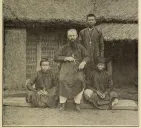
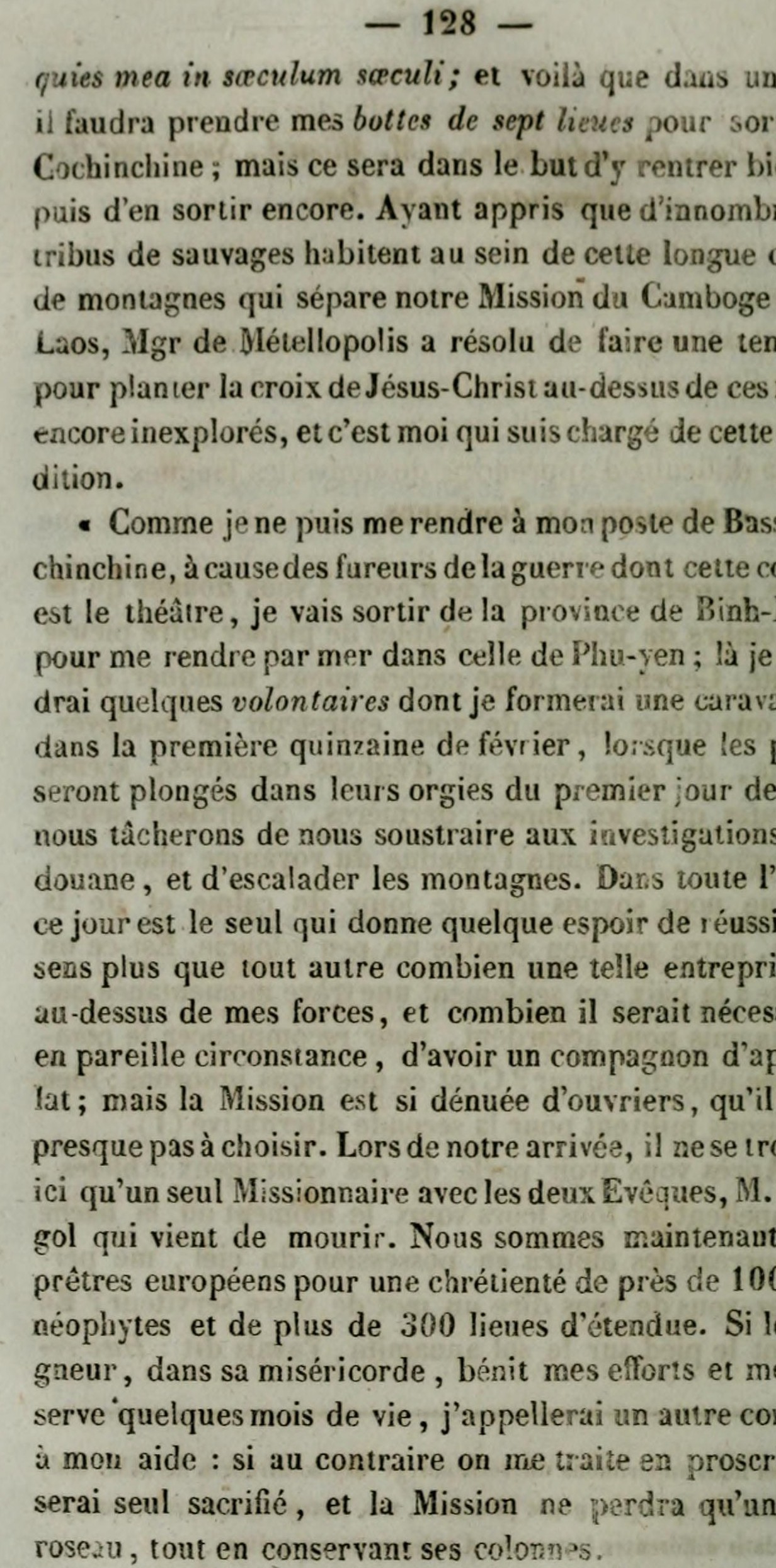
The first Europeans to reach us came as fugitives. The emperor Minh Mạng’s edict of 1833 against Christianity drove the French missionaries on the coast to look for a refuge in the mountains, and in February 1842 two of them climbed from Phú Yên into Jarai country, the first Europeans recorded among our people. They were arrested within weeks. The mission that lasted was the one founded among the Bahnar in 1850, which grew into the Kon Tum mission. Its priests wrote the first texts in any of our languages, and its deacon founded the village that gave Kon Tum its name. Around it, slave raiders from the Lao, Siamese and Cambodian markets were still taking our people from their villages.
- 1831 Huế fixes a tribute from the Jarai Masters of Fire and Water every three years, through Phú Yên province. The Kings of Fire and Water
- 1832 Minh Mạng annexes what remains of Champa. The first outsiders
- 1833 January: Minh Mạng’s edict against Christianity. The missionaries on the coast begin to look to the mountains. The first outsiders
- 1841 Bishop Cuénot prints a short description of the Cham, the Rhade and the Jarai, with the first European notice of the Fire King. The first outsiders
- 1842 February: the missionaries Miche and Duclos climb from Phú Yên into Jarai country, the first Europeans recorded among our people. Vietnamese traders arrest them there; they are freed in March 1843. The first outsiders
- 1840s Huế gives a Bahnar leader, Khiem, a title at court, and sets military posts in Bahnar country. The first outsiders
- 1850 The missionaries Combes and Fontaine, with the Vietnamese deacon Do, settle among the Bahnar. Combes writes a catechism and the morning and evening prayers in Bahnar, the first texts in any of our languages. The Kon Tum mission
- 1851 January 1: Father Pierre Dourisboure and Father Desgouts reach the Bahnar village of Kon Phar, and Kơ Lang the next morning. The Kon Tum mission
- 1856 The deacon Do founds a new village, Kon Tum, which gives its name to the mission and later to the province. The Kon Tum mission
- 1859 France takes the Mekong delta. The Stieng and the Chrau rise against the new power on their edge. The Stieng
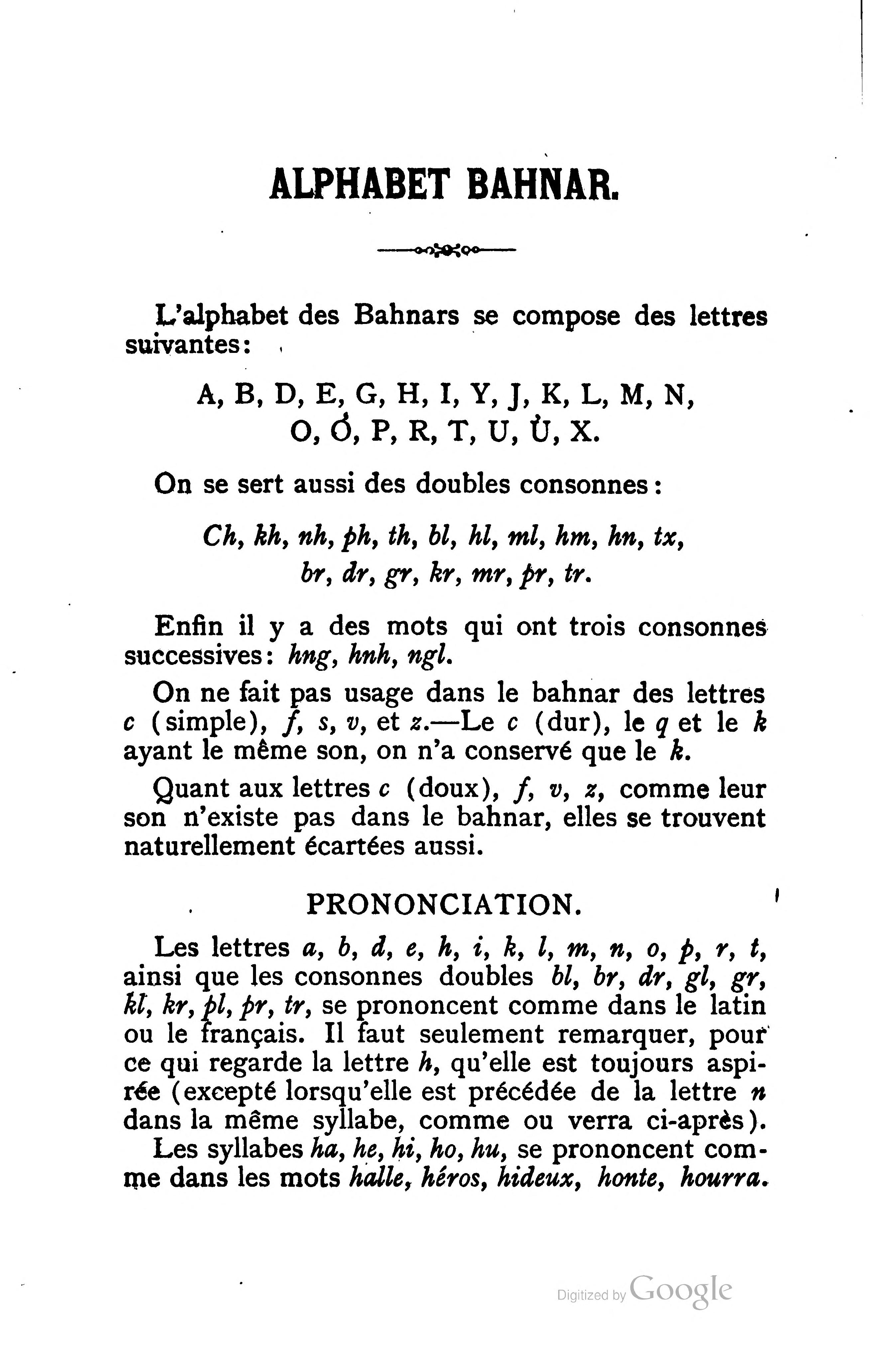
- 1861 Written Bahnar, in the Latin alphabet, is devised at Kon Tum. Writing our languages
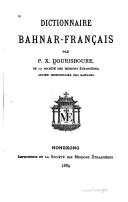
- 1873 Dourisboure publishes Les sauvages Ba-Hnars, the mission’s account of its first twenty years among the Bahnar. The first outsiders
1876–1954The French
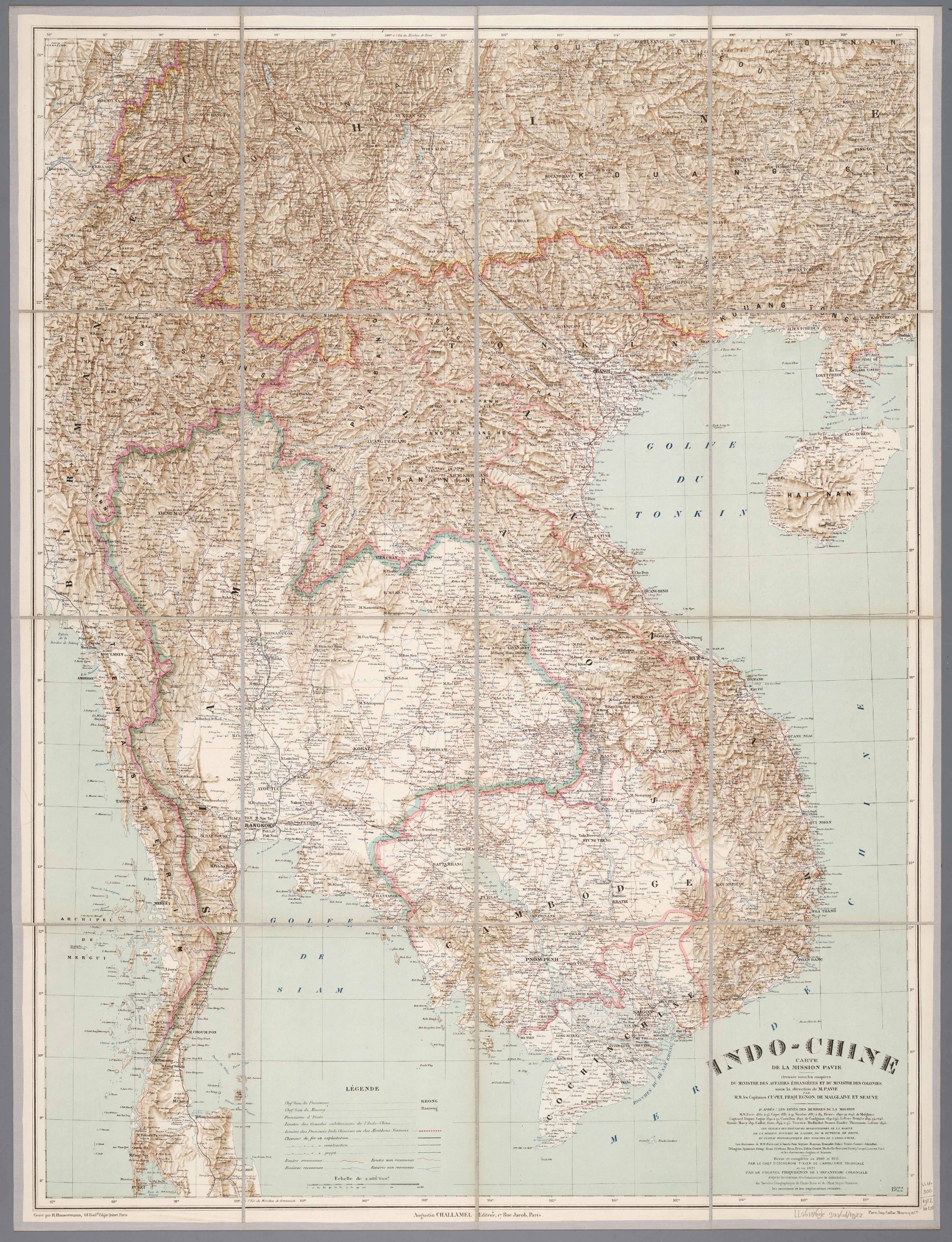
France reached us from three sides: explorers from the Mekong and from Saigon, officers and missionaries from the coast. The Gautier mission of 1881 was the first of the exploring missions; the Pavie mission crossed the Jarai and Rhade country in 1891 and was met, its leader wrote, with a great deal of distrust and unease but no hostility. Some villages asked for protection against Lao raiders; the Rhade of Ban Don said they would fight anyone who came. France took our country anyway. Between 1899 and 1913 it made provinces of it, taxed it, and drove roads across it with our labor.
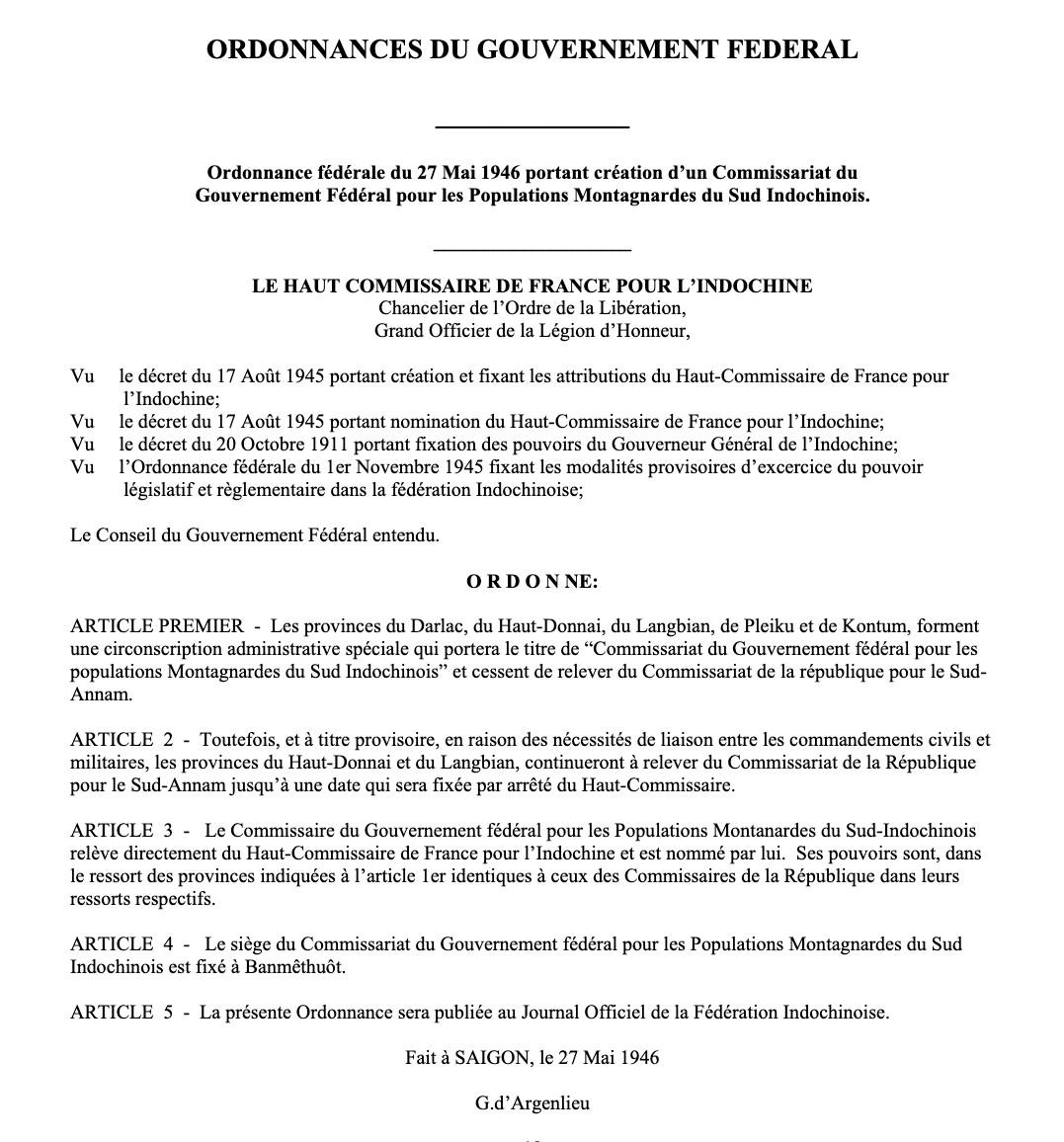
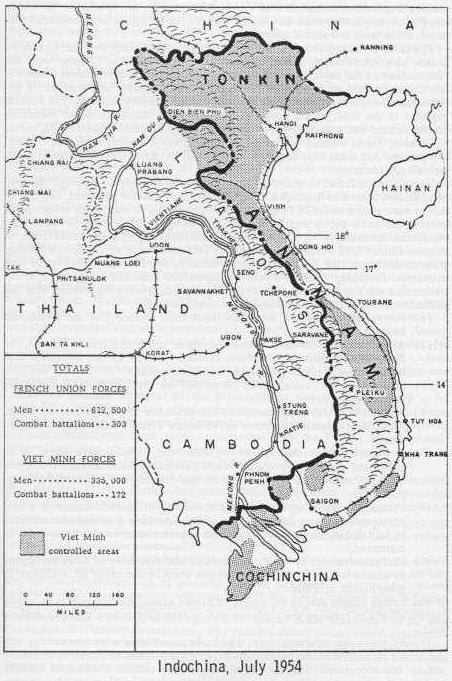
We resisted where we could. The Mnong of the Plateau des Herbes under Pa Trang Loeung held their country from 1912 until aircraft, trucks and a road broke them in 1935; the Jarai turned back French columns; the Python God movement ran through the Jarai villages in 1937. French rule also did something no government before it had done: it kept most Vietnamese settlers out. As late as 1953 an estimate counted only about 6,000 Vietnamese in the highlands outside Da Lat. And in 1946 France made the highlands a territory of their own, with its seat at Buon Ma Thuot. For eight years our country existed on paper, until the war and the partition of 1954 ended it.




- 1881 The Gautier mission, the first of the French exploring missions into the highlands. The French arrive
- 1883 Settlers of the Vietnamese military colonies on the edge of the highlands burn a highland headman alive in a quarrel over forced labor; the French administrators step in to restrain the colonies. The French arrive
- 1884 Siam bans the capture and sale of highland slaves, whom Lao, Siamese and Cambodian traders have taken from our villages for generations. The slave raids
- 1888 June 3: at Kon Gung, chiefs of the Sedang and Halang villages sign a constitution making the Frenchman Mayréna “Marie I, King of the Sedang.” The Bahnar and Rengao chiefs sign treaties of French protection instead. France gives Mayréna nothing, and takes the country itself. The Kingdom of the Sedang
- 1891 January to April: Captain Cupet of the Pavie mission crosses the Jarai and Rhade country, reaching Ban Don on February 6 and the Fire King on February 14. The villages are wary but not hostile. The French arrive
- 1893 June 21: Alexandre Yersin reaches the Lang Bian plateau, where the French will build Da Lat. October 3: the Franco-Siamese treaty gives France the left bank of the Mekong. Four highland towns
- 1894 Jarai warriors turn back a French column (December 1894 in one account, 1895 in another). The French arrive
- 1897 January: a French column burns the village of the Jarai Fire King. The Kings of Fire and Water
- 1899 November 2: a French decree creates the commissariat of the Darlac, under the resident in Laos, with its post at Ban Don beside the Khunjunob. That April a head tax is laid on the Mnong and Stieng on the Cambodian side. Roads, taxes and forced labor
- 1901 May 17: Sedang warriors attack the militia post near Kon Tum and kill the French official in charge of it. The French arrive
- 1904 April 7: the French official Prosper Odend’hal is killed at a Jarai village of the Fire King’s country; French columns take reprisals. November 22: the Darlac is attached to Annam. The Kings of Fire and Water
- 1912 May: the Mnong of the Plateau des Herbes, led by Pa Trang Loeung, burn the French post at Bu Sra. Their resistance lasts more than twenty years. N’Trang Lơng
- 1913 Kon Tum becomes a province. The Kon Tum mission
- 1914 July 22: the Mnong forced to work on the road at Bu Gler rise; days later they kill the explorer Henri Maître (July 30 in some accounts, the first days of August in others). The same year Léopold Sabatier takes charge of the Darlac, where he stays until 1926. N’Trang Lơng
- 1915 The Franco-Rhade school opens at Ban Me Thuot with thirty pupils, and Rhade begins to be written. The Franco-Rhade school
- 1923 A Rhade customary court sits at Ban Me Thuot. Sabatier and the Rhade code
- 1925 A land rush in the Darlac: more than a hundred bids for 92,000 hectares. The French arrive
- 1926 January 1: Sabatier’s oath-taking assembly of the Darlac chiefs at Buon Ma Thuot. The same year the big colonial companies have him removed, and the province is opened to French concessions and Vietnamese workers. Sabatier and the Rhade code
- 1929 September 17: a decree provides highland law courts in the Darlac and Kon Tum. Customary law and the village court
- 1931 May 26: the Mnong of Bu Than kill the French delegate Gatille; the French answer with aircraft. N’Trang Lơng
- 1932 The first three Bahnar priests are ordained, and Kon Tum becomes a vicariate of its own. The Kon Tum mission
- 1930s In the early 1930s the Christian and Missionary Alliance begins Protestant work among the highland peoples. The missions and the doctors
- 1935 Aircraft, trucks and the new road break the Mnong resistance; Pa Trang Loeung is killed. N’Trang Lơng
- 1937 June: the Python God movement spreads among the Jarai around Cheo Reo. Its prophet Sam Bram is arrested in July and sentenced on September 2, 1938 to ten years. Roads, taxes and forced labor
- 1946 May 27: a French ordinance takes five highland provinces out of Annam and makes them a territory of their own, the Commissariat for the Montagnard Populations of South Indochina, with its seat at Buon Ma Thuot. Our chiefs take their oaths there on May 31. A country of our own
- 1950 April 15: the highlands become a Crown Domain under the emperor Bảo Đại. That summer our representatives are heard at Kon Tum, Pleiku, Darlac and Haut-Donnai; what they said was never published. A country of our own
- 1951 May 21: Bảo Đại’s statute guarantees the “free evolution” of the highland peoples, and calls us “non-Vietnamese populations.” A country of our own
- 1953 An estimate counts only about 6,000 Vietnamese in the highlands outside Da Lat. By our own records, the highland autonomy is suppressed in July. A country of our own
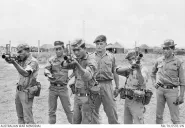
- 1954 June 24 to July 17: the French Mobile Group 100 is destroyed on Route 19 and at the Chu Dreh pass on Route 14. Six to ten thousand highlanders go north with the Viet Minh. The first war in the highlands
- 1954 July 21: the Geneva conference ends, and Vietnam is partitioned at the 17th parallel. We are not represented and not consulted. In the following weeks Bảo Đại gives up his special powers over the highlands. Pushed off
1954–1964Pushed off our land
The new government in Saigon had no use for a highland territory. In March 1955 an ordinance brought the highlands under the national government, and that June our chiefs were summoned to Buon Ma Thuot to swear allegiance to President Diem, who told them he had come to accept an oath and not to grant autonomy. Then the settlers came. By the end of 1956 more than 140,000 refugees from the north had been settled on highland land, and by 1963 Vietnamese were more than 40 percent of the population of the seven highland provinces. Our own archive puts the number settled on our land in those years at around 850,000. Our courts were downgraded, our languages barred from the schools, our place names replaced, and our soldiers made to take Vietnamese names.
Our answer was BAJARAKA, named for the Bahnar, Jarai, Rhade and Koho. Its leaders wrote to the American ambassador and to President Diem, gathered signatures and called a strike, and in September 1958 all seven were arrested. Most spent the next five years in prison. In 1961 the Americans came to the Rhade villages near Buon Ma Thuot with weapons, and within two years tens of thousands of our men were in strike forces that answered to American officers rather than to Saigon.
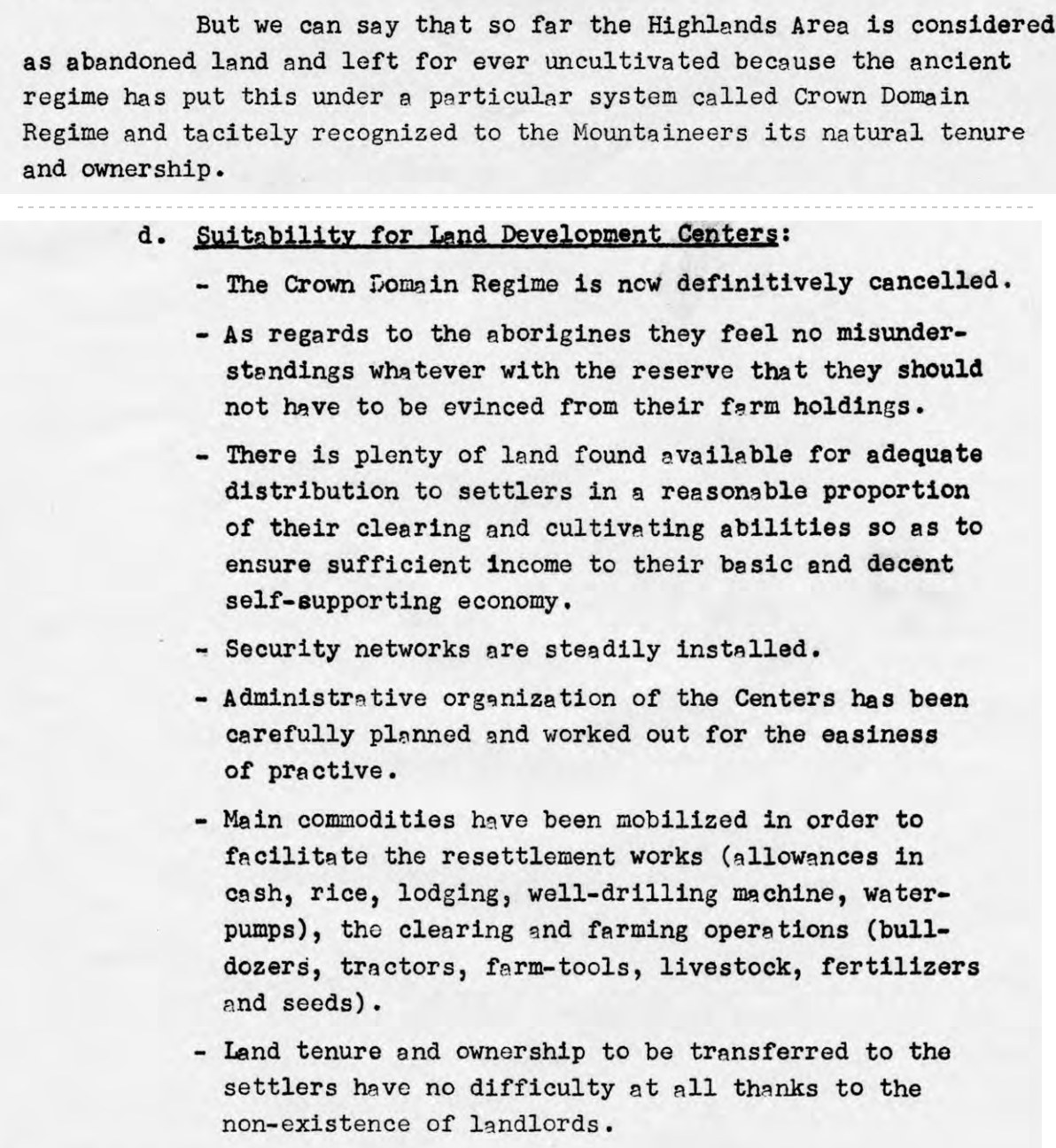
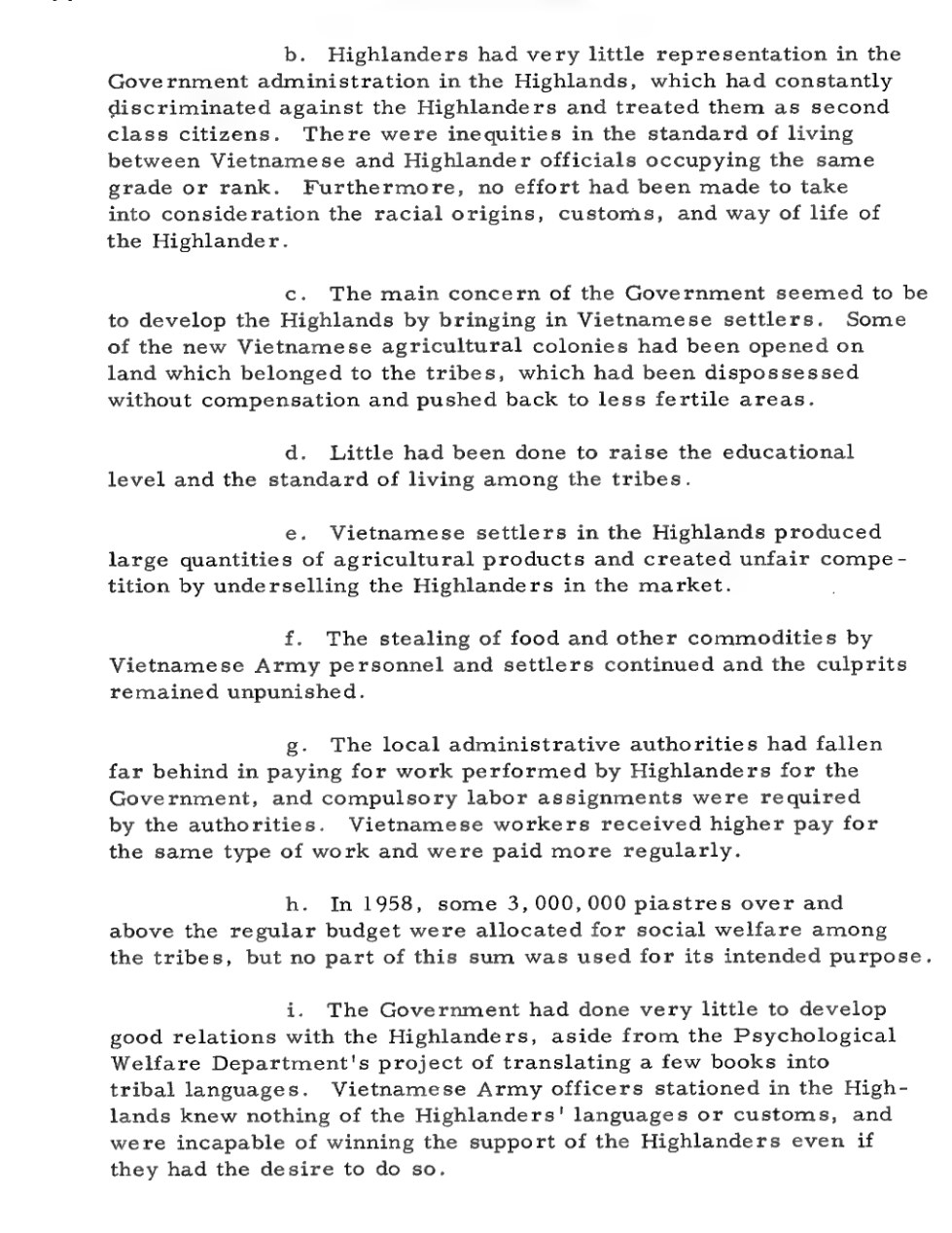
- 1955 March: an ordinance abolishes the Crown Domain and brings the highlands under the government in Saigon. June: our chiefs are summoned to Buon Ma Thuot to swear allegiance to Diem. Pushed off
- 1956 Land development centers begin settling Vietnamese on highland land; by the end of the year more than 140,000 refugees from the north are settled there. Pushed off
- 1957 April 23: a commissariat for land development is created. Its first seven highland centers, for 2,000 families, are paid for by the United States. Pushed off
- 1957 May: by an American intelligence report, Y Bham Enuol calls a meeting of the tribes. Early in 1958 the leaders of Kon Tum, Pleiku, Darlac and Tuyen Duc form BAJARAKA. BAJARAKA, 1958
- 1958 July 7 and September 8: BAJARAKA writes to the American ambassador and to President Diem, asking for a special charter for the highlands. BAJARAKA, 1958
- 1958 September: a general strike and a five-hour demonstration at Ban Me Thuot; on September 15 the police arrest all seven leaders, Y Bham Enuol, Paul Nur, Nay Luett, Y Ju Eban, Y Thih Eban, Siu Sipp and Touneh Yoh. An American intelligence study dates the demonstrations, broken up by troops in armored vehicles, to October 15. BAJARAKA, 1958
- 1959 The government orders highland crossbows collected and destroyed. Pushed off
- 1961 August 10: the first herbicide test flight in South Vietnam is flown along a road north of Kon Tum. Operation Ranch Hand follows from January 1962 to 1971: about 18 to 20 million gallons, much of it over our country and along the Trail. The Trail and the poison
- 1961 October to December: the Americans begin arming the Rhade village of Buon Enao, near Buon Ma Thuot; a Special Forces team arrives on December 12. Within months the program spreads to two hundred villages. The American years
- 1963 November: Siu Sipp, one of the seven BAJARAKA leaders, is murdered at Plei Brang. BAJARAKA, 1958
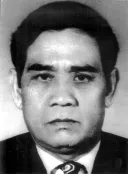
- 1964 February: after the fall of Diem, Y Bham Enuol, the last of the BAJARAKA leaders still held, is released (February 10 in the American record, February 12 in our own). He and Paul Nur become deputy province chiefs for highland affairs in Darlac and Kon Tum. The ministry years
1964–1975FULRO and the American war
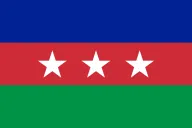
On August 1, 1964 the highland, Cham and Khmer Krom movements joined in FULRO, the United Front for the Struggle of the Oppressed Races, and in September four of the strike force camps rose and marched on Buon Ma Thuot. For the next eleven years FULRO bargained with Saigon from the Cambodian border: for a charter, a flag, a highland army, our own courts. It won some of them on paper, a decree restoring the highland law courts in 1965, a special statute in 1967, a ministry for the highland peoples, and saw most of them fail in practice.
Around the bargaining, the largest battles of the American war were fought across our country, at Plei Me and in the Ia Drang in 1965, at Dak To in 1967, at Kon Tum in 1972, and whole populations were moved out of the way of them. Gerald Hickey, the anthropologist who knew our villages best, set the cost at the end of the war: at least 200,000 highlanders dead, and eighty-five percent of their villages abandoned or destroyed. The end came in the highlands first. Buon Ma Thuot fell on March 11, 1975, Pleiku and Kon Tum a week later, and in Phnom Penh, on April 20, Y Bham Enuol walked out of the French embassy into the hands of the Khmer Rouge.
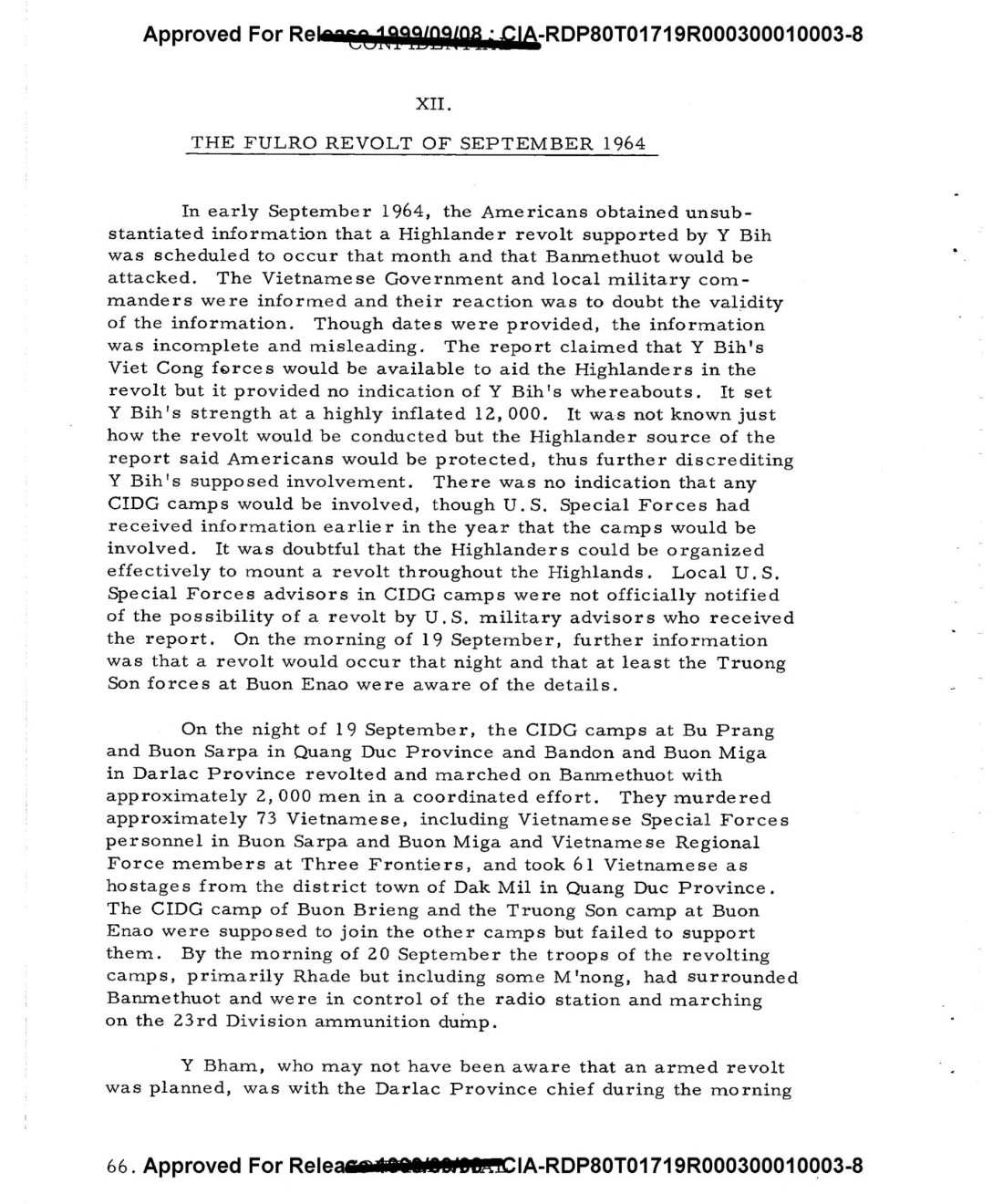
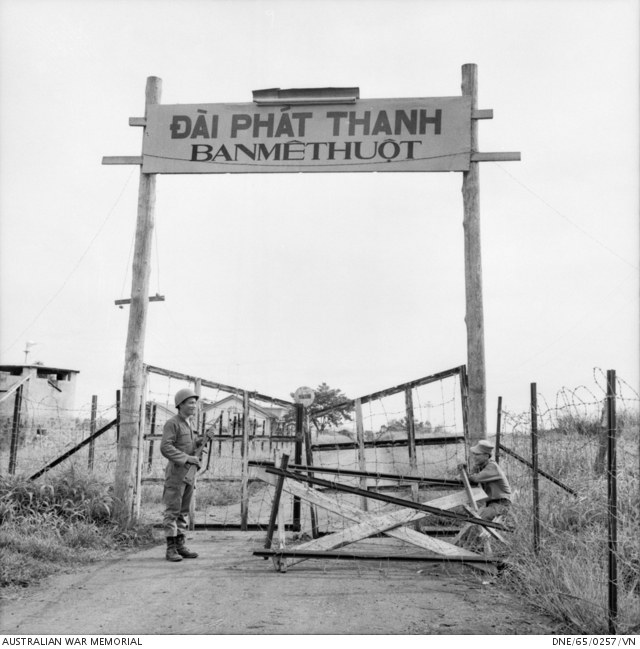

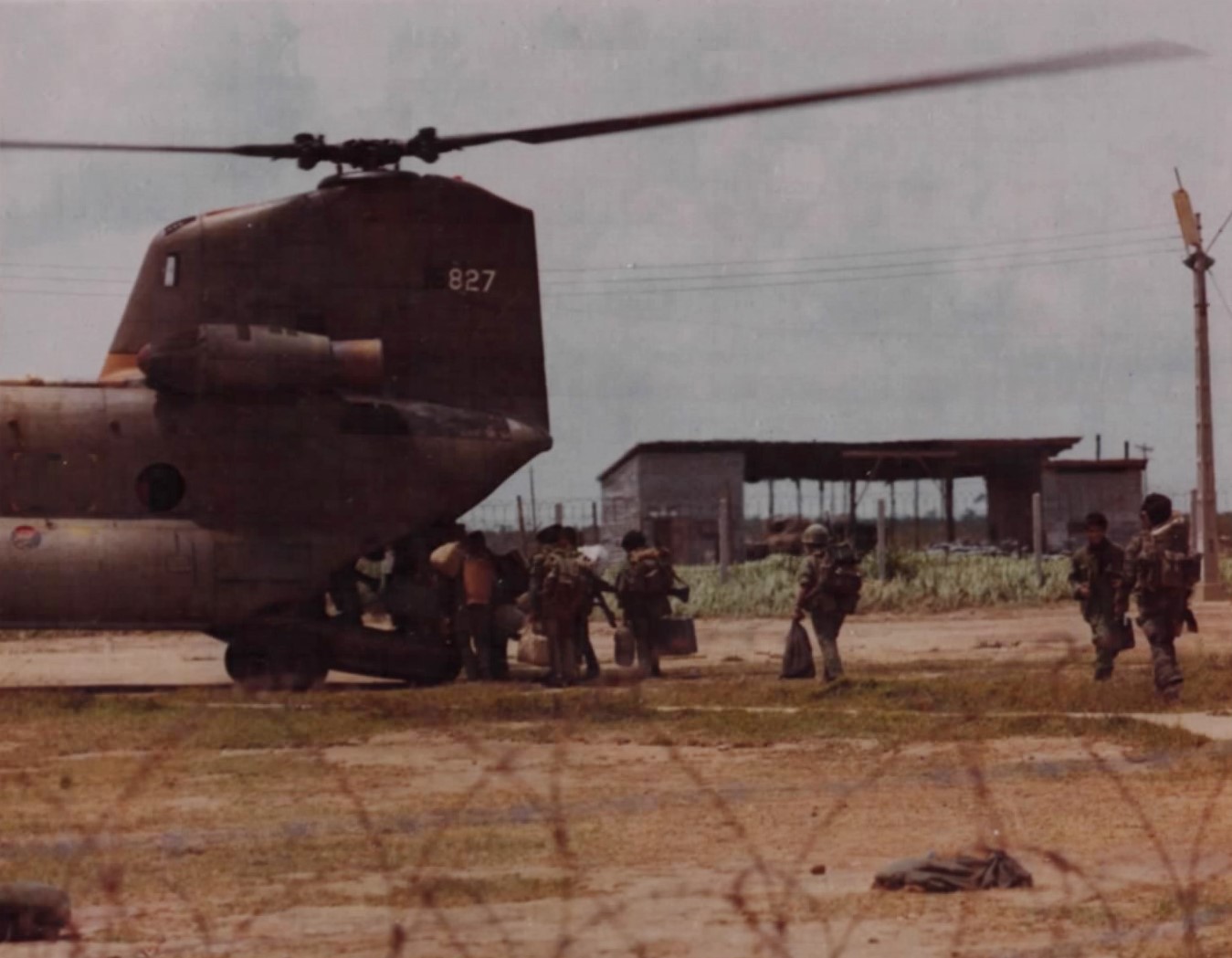

- 1964 August 1: FULRO is proclaimed, by its own founding proclamation, joining the highland, Cham and Khmer Krom movements. FULRO, 1964
- 1964 September 19–20: the strike force camps of Bu Prang, Buon Sar Pa, Ban Don and Buon Mi Ga rise, about 2,000 men, and march on Ban Me Thuot; by the morning of the 20th our men hold the radio station. Five camps were meant to rise; Buon Brieng and Buon Enao did not. About 73 Vietnamese are killed, by the CIA’s count. FULRO, 1964
- 1964 October 17: FULRO proclaims a provisional government of the High Plateau from Cambodia. October 31: it sets out its demands, a special charter, a highland chairman at Ban Me Thuot, a flag, a 50,000-man highland army, schools, the right to levy taxes, courts, and the right to receive foreign aid directly. Y Bham Enuol, president of FULRO
- 1965 March: Y Bham Enuol attends the Conference of Indochinese Peoples in Phnom Penh for FULRO. Y Bham Enuol
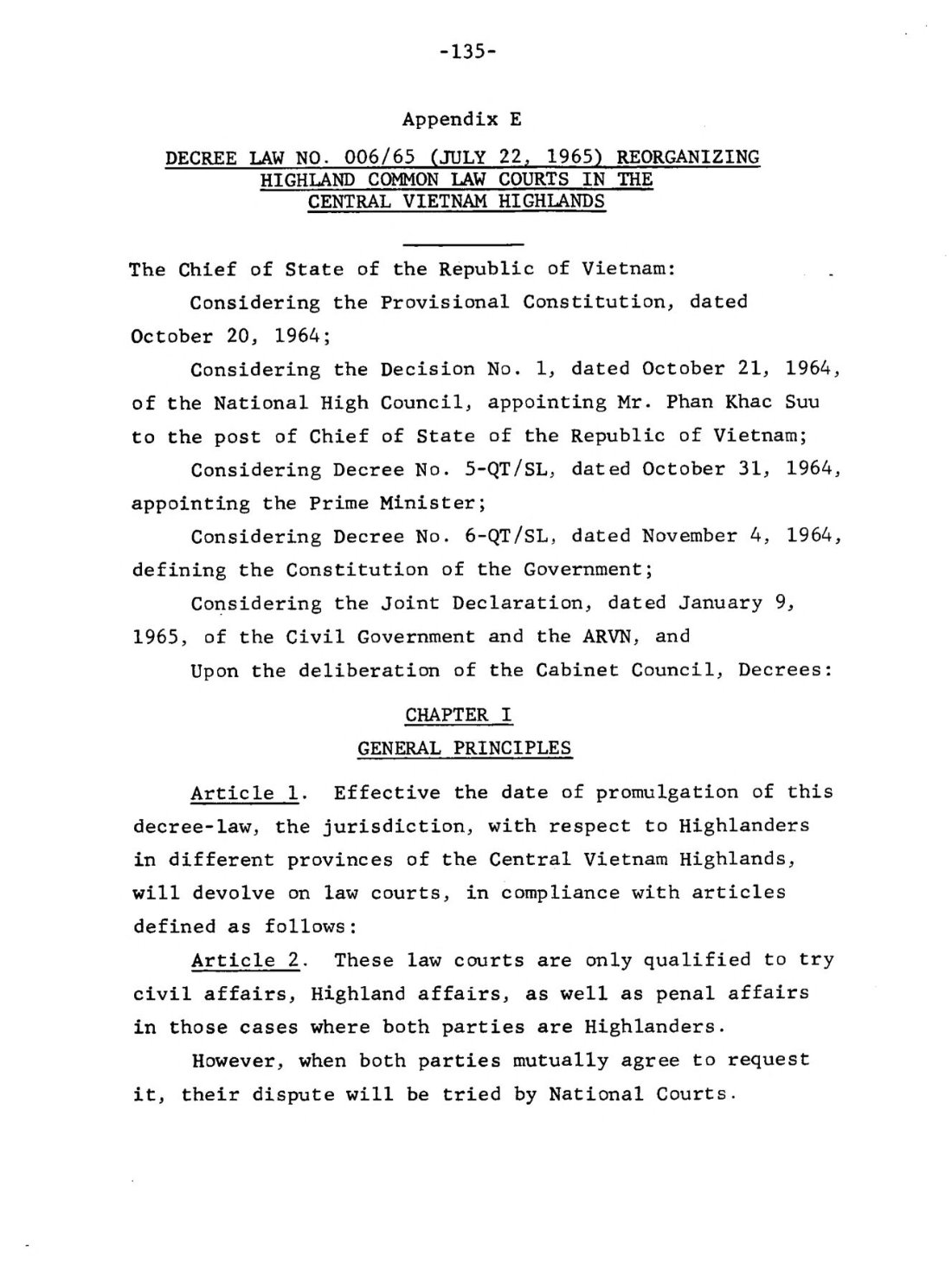
- 1965 July 22: Decree Law 006/65 restores the highland customary law courts, a demand of BAJARAKA and FULRO that our leaders had put to Saigon again that March. Customary law and the village court
- 1965 August 9: Y Bham Enuol writes to Saigon in the name of “the Free Country of DEGA,” the earliest written use of our name that we have found. Names and words
- 1965 September 23: in talks with Saigon, Y Bham Enuol puts forward eight points and sets aside the demand for territory. Y Bham Enuol in his own words
- 1965 October 19: the siege of Plei Me, a camp held by Jarai strike force soldiers, begins; in November the battle of the Ia Drang follows. The battles fought on our land
- 1965 November: FULRO writes to the presidents of France and the United States and to the UN Security Council, asking that the highlands be placed under a temporary UN trusteeship until the highlanders are ready for full independence. What the Dega ask for
- 1965 December 17–18: a second FULRO rising; four of its men are executed on December 27. FULRO, 1964
- 1966 February 21: Paul Nur is named Commissioner for Highland Affairs. The ministry years
- 1967 April 2: the Edap Enang resettlement begins in Pleiku province; 7,046 Jarai from 47 villages are moved. Moved by force
- 1967 May 4: by our own records, Y Bham Enuol puts eight points to Saigon, among them a special constitution, a Dega armed force, a marked boundary for the highlands and a seat at any international conference on our future. Y Bham Enuol, president of FULRO
- 1967 August 29: President Thiệu signs the special statute for the highland peoples at Ban Me Thuot. In November a Ministry for Ethnic Minorities’ Development is created, with Paul Nur as minister. The ministry years
- 1967 December 5–6: Viet Cong troops with flamethrowers burn the Stieng refugee settlement of Dak Son; the American press counts 252 dead, the CIA at least 74 by December 11. Dak Son
- 1968 January 30: the Tet Offensive reaches Kon Tum, Ban Me Thuot and Pleiku, and Da Lat from February 1. Six American missionaries of the Christian and Missionary Alliance are killed at Ban Me Thuot. In Huế, by our own records, communist troops kill 82 highland students living in a boarding house of the ministry. Tet 1968 in the highlands
- 1968 December 19: FULRO’s envoys and Saigon sign an agreement (later accounts date it December 11). Soon after, FULRO dissidents with Cambodian officers seize Y Bham Enuol’s headquarters at Camp Le Rolland, and he is held in Phnom Penh. Y Bham Enuol, president of FULRO
- 1969 February 1: at Ban Me Thuot, President Thiệu welcomes FULRO’s leaders and 700 of its troops back into the fold. FULRO, 1964
- 1970 Siege of Dak Seang, April 1 to May 9, after the attacks on Ben Het the year before. From May 1970 to August 1971 some 45,000 highlanders in Military Region 2 are moved from their villages, many at harvest time; the US General Accounting Office counts 62,546 people relocated in the region. Moved by force
- 1971 June: Nay Luett becomes Minister for Ethnic Minorities’ Development. The ministry years
- 1972 April to June: the Easter Offensive, Tan Canh on April 24, Dak To and the siege of Kon Tum; about 9,000 highlanders are airlifted out. The battles fought on our land
- 1975 March 10: the North Vietnamese attack Buon Ma Thuot, defended mostly by our own Regional and Popular Force soldiers; it falls on March 11. The same day the South Vietnamese air force bombs the Rhade village of Buon Pa Lam, killing 125 people by our own records. Days later Pleiku and Kon Tum are abandoned, and the column flees down Route 7B through Cheo Reo. 1975, and what came after
- 1975 April 4: Minister Nay Luett meets American officials at his ministry and is promised that he, his staff and their families will be evacuated; they never are. By our own records he proposed a Dega force of 50,000 men, with American support, and was refused. The ministry years
- 1975 April 20: in Phnom Penh, Y Bham Enuol and about 150 of our people, men and women, walk out of the French embassy into the hands of the Khmer Rouge and are not seen again. By our own records his wife and children died with him. Y Bham Enuol in Phnom Penh
- 1975 April 30: Saigon falls. At least 200,000 highlanders have died in the war, and eighty-five percent of their villages have been abandoned or destroyed. How we died
1975–1992Under the Socialist Republic, and in the forest
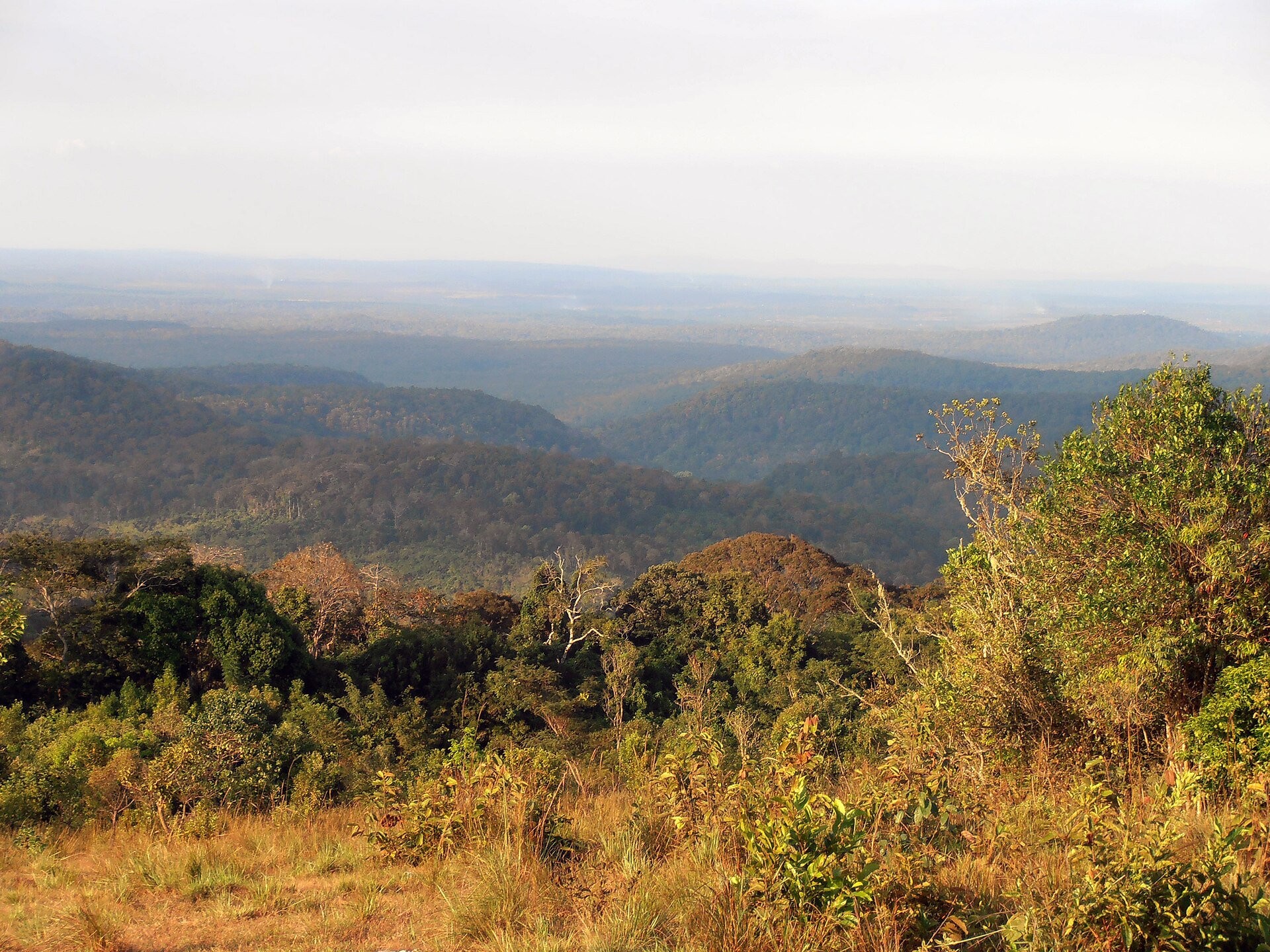
The new government took the highlands as a conquered territory. The leaders of the ministry and of the provincial administrations were captured and held in jails and re-education camps; most of our Protestant churches were closed; land was taken. By our own records, officers and civilians were killed in Gia Lai and Kon Tum on May 24, 1975, and some 60,000 Dega were killed between 1975 and 1982. Then came the settlers, in numbers that dwarfed Diem’s: in Dak Lak alone, 311,764 planned migrants between 1976 and 1996, and about as many again who came on their own.
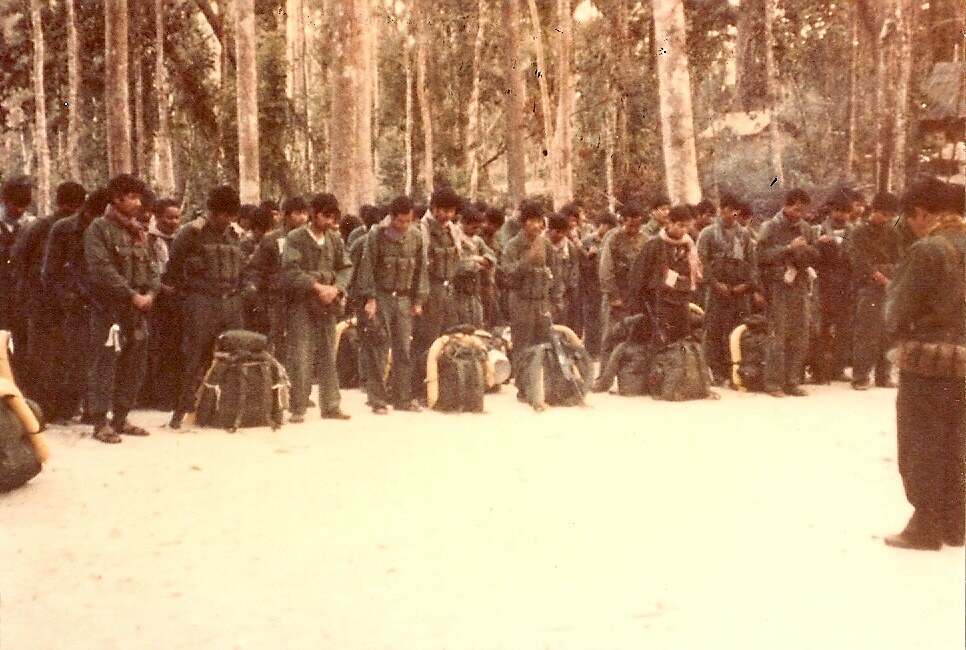
Thousands of our people went into the forest instead. FULRO fought on from the Cambodian border for seventeen years, losing its rear when Vietnam invaded Cambodia at the end of 1978, its supply when the Khmer Rouge cut it off in 1986, and most of its men to death and capture. In 1985 some two hundred of them reached the Thai border, and in 1986 they were flown to North Carolina, where the first Dega community in exile began. The last unit, about four hundred people, was found in Mondulkiri in September 1992. Its first question to the journalist who found it was whether he could help them find their president. They did not know that Y Bham Enuol had been dead for seventeen years.

- 1975 May 24: by our own records, officers, civilians and villagers are killed in Gia Lai and Kon Tum; our submission to the United Nations in 1993 names seventy of them. Massacres of our people
- 1975–76 The highland leaders of the ministry and the provinces are captured and held in jails and re-education camps. Most of our Protestant churches are closed, with their schools and clinics. Re-education and the forest
- 1976 The government sets out to settle us in fixed villages and fields, and opens New Economic Zones for Vietnamese settlers on our land. The great migration
- 1977 September 20: Vietnam becomes a member of the United Nations. What Vietnam signed
- 1978 December: Vietnam invades Cambodia, and FULRO loses its rear. By 1979, by the count FULRO’s own people later gave a journalist, more than 8,000 of its men have been killed or captured. FULRO, 1964
- 1981–82 Vietnam accedes to the Genocide Convention (June 9, 1981), the Convention on the Elimination of Racial Discrimination (June 9, 1982) and the two International Covenants (September 24, 1982). What Vietnam signed
- 1983 Nay Luett dies after some nine years in prison: in 1983 by our own records, in February 1984 by another account. Paul Nur has already died in prison; no date has been published. The ministry years
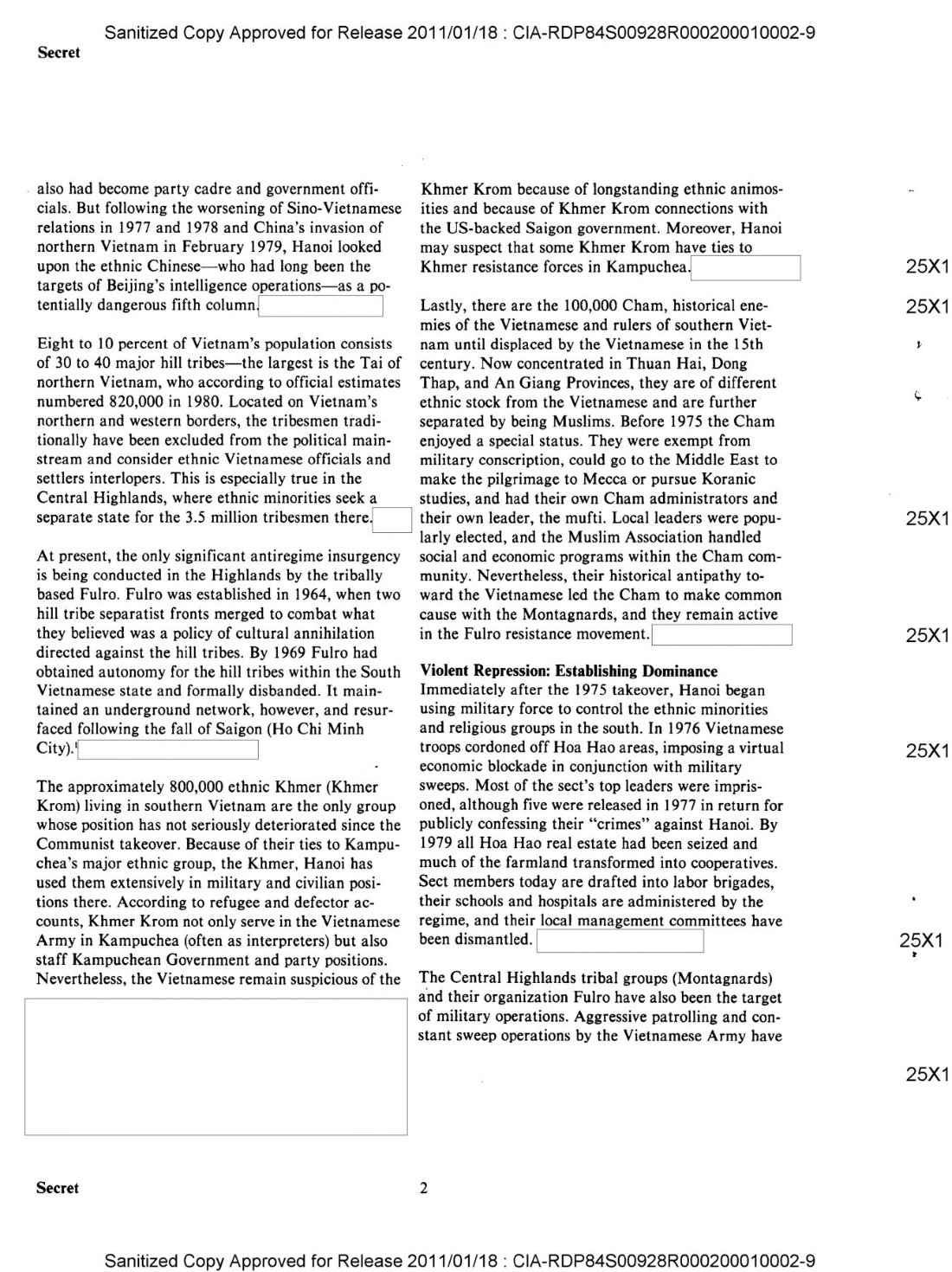
- 1983 December: a CIA research paper writes that the highland peoples “seek a separate state for the 3.5 million tribesmen there,” and that FULRO is the only significant armed opposition left in Vietnam. Re-education and the forest
- 1986 The Khmer Rouge cut off FULRO’s supply. Re-education and the forest
- 1986 November: some two hundred FULRO fighters and their families who reached the Thai border in 1985, 201 by the State Department’s count, are resettled in North Carolina; their plane lands at Greensboro in the last week of the month. North Carolina
- 1987 The first elders in North Carolina found the Montagnard Dega Association in Greensboro. Our organizations
- 1990 Kok Ksor founds the Montagnard Foundation in Spartanburg, South Carolina. May to June: six FULRO men sent back into Vietnam are ambushed, and four are killed. Kok Ksor
- 1992 September: the journalist Nate Thayer finds the last FULRO unit in Mondulkiri. “Please, can you help us find our president?” they ask him. Mondulkiri, 1992
- 1992 October 10: the last FULRO fighters and their families, 398 by one count and 407 by another, hand 194 weapons and their flag to United Nations peacekeepers, and our armed struggle ends after twenty-eight years. In November and December they are resettled in North Carolina. Mondulkiri, 1992
1993–2000Coffee, dams and the first appeals
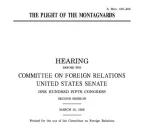
With the armed struggle over, our case went to the United Nations and to the governments of the countries where our people now lived. In July 1993 it was put before the UN Working Group on Indigenous Populations in Geneva for the first time; in 1998 the United States Senate held a hearing on the plight of our people; and in 1998 we began, in Raleigh.
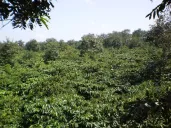
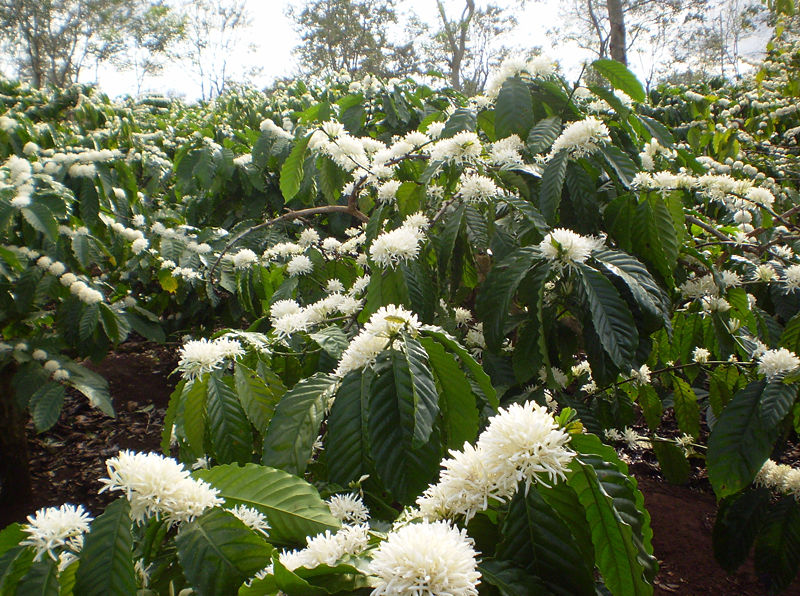
At home the land was being taken faster than in any decade before. Coffee made Vietnam the world’s largest exporter of robusta, and the coffee was grown on our land: Dak Lak alone took in some 623,000 new settlers between 1976 and 1998. At the end of the decade the price collapsed, from about 40,000 dong a kilo in 1995 to 12,000 in February 2000. The Yali Falls dam on the Se San moved thousands of our people and began drowning villagers downstream in Cambodia who had never been told it existed.
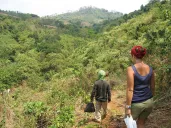
.jpg)

- 1993 July 19–30: our people put the Dega case before the UN Working Group on Indigenous Populations in Geneva for the first time, in a submission made with Kok Ksor of the Montagnard Foundation. What the UN has said
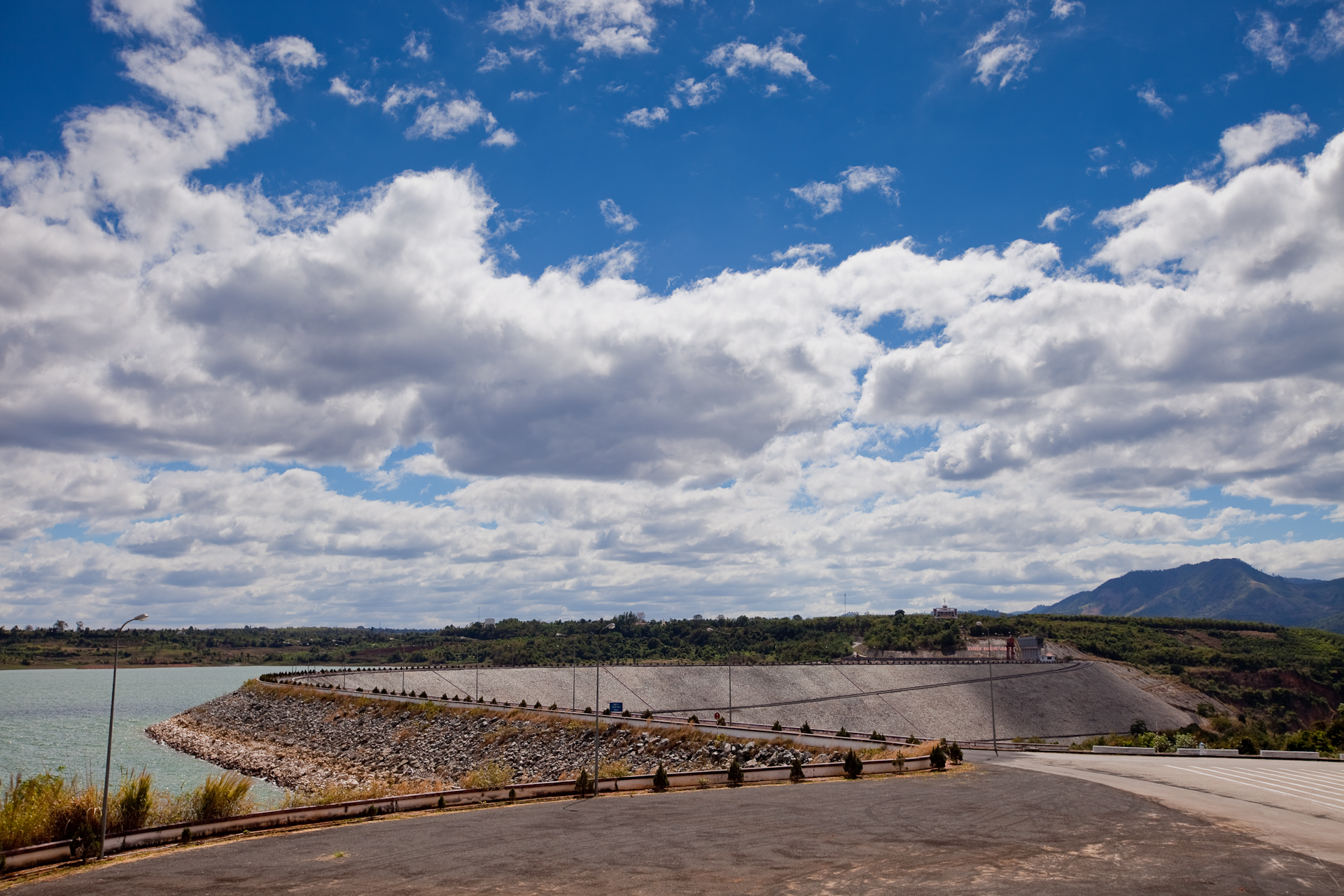
- 1993–98 The Yali Falls dam on the Se San is begun in November 1993, closed in 1996 and filled in 1998. By the end of 1998, 6,782 people in 1,375 households have been moved; from 1996 the releases from the dam drown villagers downstream in Cambodia. The dams
- 1990s The coffee boom. By 2000 Vietnam is the world’s largest exporter of robusta coffee, grown on our land; Dak Lak takes in some 623,000 new settlers between 1976 and 1998. The land, and what was planted on it
- 1998 March 10: the US Senate Committee on Foreign Relations holds its hearing on the plight of our people. A Dega witness tells the committee that more than a million of our people were killed in the wars, and that eighty-five percent of our villages were destroyed or abandoned. North Carolina
- 1998 Our organization begins in Raleigh, North Carolina, founded by former leaders of the highland resistance forces and the independence movement. Our organizations
- 2000 A Dega church movement, Tin Lanh Dega or Dega Protestantism, joining evangelical faith with the defense of our land and our freedom, spreads through the highlands. The church they closed
2001–2014The protests, and the answer
In February 2001 several thousand of our people marched on Pleiku, Buon Ma Thuot and Kon Tum for our land, our faith and our freedom. The government answered with troops and tanks, with ceremonies at which villagers were made to renounce their faith over goat’s blood, with trials, and with a hunt for those who fled to Cambodia. It answered the Easter protests of 2004 the same way. By 2011 Human Rights Watch counted more than 350 of our people sentenced since 2001, at least 250 still held and at least 25 dead in custody.
For the first time, the outside world wrote us into its own record. A UN treaty committee named the “Degar (Montagnard)” in 2002, UNHCR resettled hundreds of those who reached Cambodia, the UN’s special rapporteur on indigenous peoples named us in 2007, and the committee on racial discrimination called on Vietnam in 2012 to respect our right to name ourselves. Vietnam voted for the Declaration on the Rights of Indigenous Peoples in 2007, and went on saying it had no indigenous peoples to apply it to.


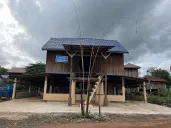
.jpg)
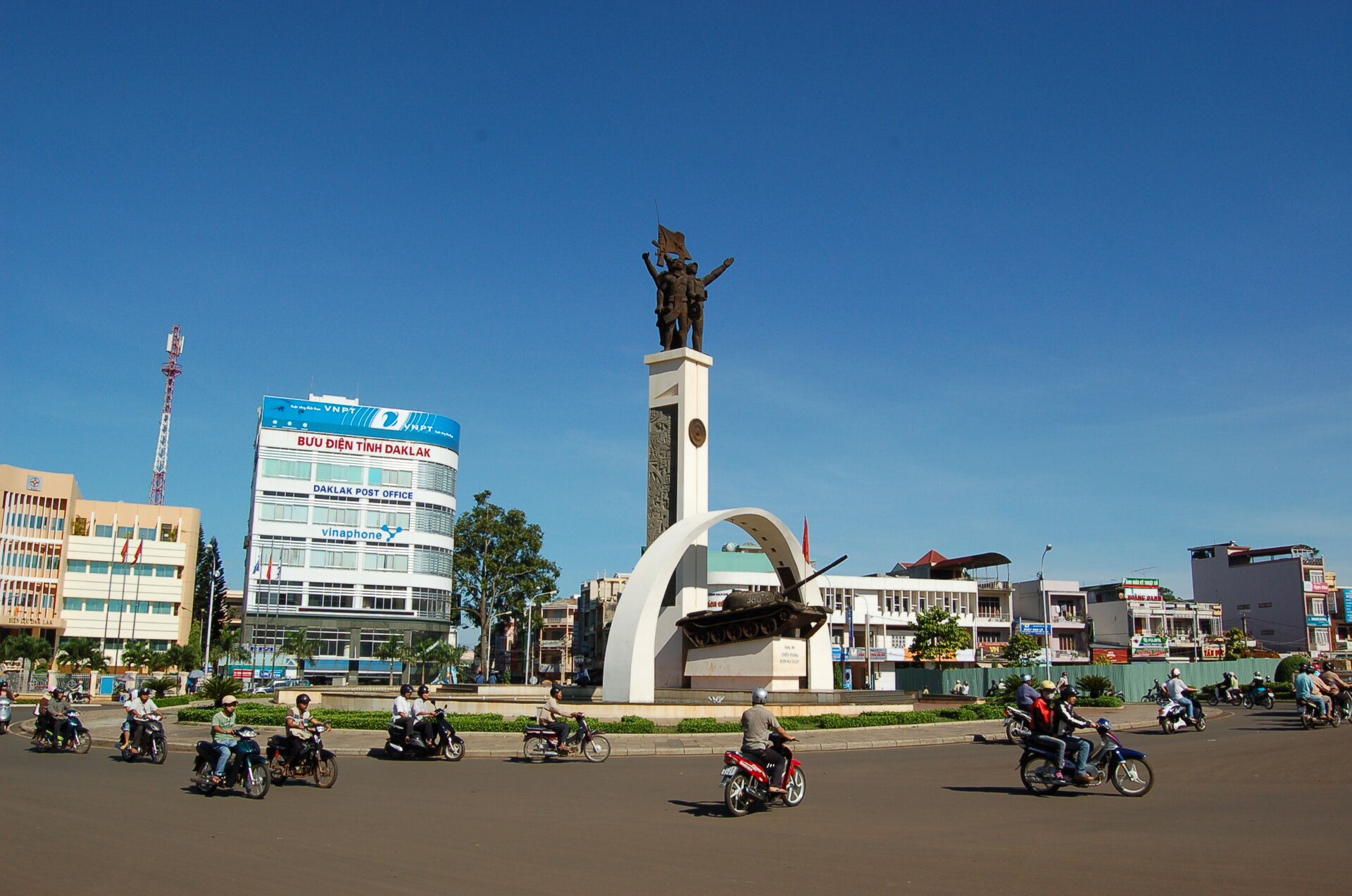
- 2001 February: several thousand of our people march on Pleiku (February 2), Buon Ma Thuot (February 3) and Kon Tum (February 14), and in Ea H’leo, Ayun Pa and Ea Hral, for our land, our faith and our freedom. At Buon Ma Thuot the army sends in tanks. February 2001
- 2001 March 10: police raid a prayer meeting at Plei Lao, in Gia Lai; Rmah Blin, 33, of Plei Luh Yo, is shot and dies that afternoon in the hospital at Pleiku. February 2001
- 2001 May to August: villagers are made to renounce their faith and their movement at ceremonies over goat’s blood, turning our own oath against us. September 26: fourteen of our people are sentenced to between six and twelve years. By the end of the year 36 have been sentenced to four to thirteen years. February 2001
- 2002 February: 2,300 more soldiers are sent to the highlands. March 22: UNHCR withdraws from its agreement with Cambodia and Vietnam; at the end of March Cambodia announces that the border camps will close, and in mid-April they do. The Cambodian camps
- 2002 From June, some nine hundred of the people who reached the Cambodian camps are flown to the United States, most of them to North Carolina; 791 are admitted by the end of the year. The 2002 resettlement
- 2002 July 19: the UN Human Rights Committee finds “an abundance of information regarding the treatment of the Degar (Montagnard) indicating serious violations” of the Covenant, the first UN treaty body to name us. What the UN has said
- 2003 At least 100 more of our people are arrested and 33 sentenced; at least 270 are sent back from Cambodia. The years between
- 2004 April 10–11, Easter: our people march again, and are met with tear gas, water cannon, electric batons, and tanks on Highway 14. The dead are counted at two by the government, at least ten by Human Rights Watch, eight by name by Amnesty International, twenty to twenty-five by people who were there, and about four hundred by the Montagnard Foundation. Easter Week 2004
- 2004 September 15: the United States names Vietnam a Country of Particular Concern for religious freedom; the designation is lifted in November 2006. What Washington has said
- 2005 January 25: Vietnam, Cambodia and UNHCR sign a memorandum in Hanoi on the roughly 750 people in the Cambodian sites. The Cambodian camps
- 2005 February 4: the Prime Minister’s Instruction No. 1 on Protestantism, which bans Dega Protestantism by name. March 1: Decree 22, which also forbids forcing anyone to renounce a faith. July 20: 94 people are deported from Phnom Penh (101 by Human Rights Watch’s count). The church they closed
- 2007 August 21: the UN special rapporteur on indigenous peoples names the Degar (Montagnard) in his report to the General Assembly. September 13: Vietnam votes for the Declaration on the Rights of Indigenous Peoples, and goes on denying that it has any indigenous peoples. Vietnam and the Declaration
- 2007 November 1: Decision 167 plans the mining of bauxite: 5.4 of the 5.5 billion tons it targets lie in the Central Highlands, in some 25 mines, 13 of them in Dak Nong and 5 in Lam Dong. Bauxite
- 2008 May 1: police tell the wife of Y Ben Hdok, arrested three days earlier, that he has hanged himself; his family finds his head, ribs and leg broken and his teeth knocked out. The years between
- 2009 January 5: General Võ Nguyên Giáp writes to the Prime Minister against the bauxite mines; on April 12 a petition follows, signed by 135 Vietnamese intellectuals. The argument is about the environment and security, and rarely about us. Bauxite
- 2010 June 10–22: clashes on a state rubber plantation in Chu Prong, Gia Lai. August 25: four Dega Protestant leaders are arrested there; more than seventy of our people are arrested in Gia Lai during the year. Rubber
- 2010 July: the UN independent expert on minority issues visits the Central Highlands. What the UN has said
- 2011 March 30: Human Rights Watch counts more than 350 of our people sentenced since 2001, at least 250 still held, and at least 25 dead in custody, built out of our own people’s accounts carried out of the highlands. Vietnam publishes no figure of its own. The years between
- 2012 March 6: the UN Committee on the Elimination of Racial Discrimination names the “Degar (Montagnard)” and asks Vietnam to consider ratifying ILO Convention No. 169 on indigenous and tribal peoples. What the UN has said
- 2013 May 28: a mobile court at H’ra, in Mang Yang, sentences eight Ha Mon Catholics to 63 years in all, accused of rallying their followers against the relocation of villages for the Plei Krong dam. Ha Mon
- 2014 July 28–30: the UN special rapporteur on freedom of religion has his visits to Gia Lai and Kon Tum interrupted. By October the authorities count 1,758 people in Gia Lai, Dak Lak and Kon Tum as followers of “evil way” religion. The church they closed
2015–2022Registration, and the long pressure
The years after 2014 were quieter in the foreign press and no easier at home. Vietnam passed a Law on Belief and Religion in 2016 that made worship lawful only through a registered organization, and the churches our people built for themselves stayed unregistered. The UN Human Rights Committee found in 2019 that members of unregistered groups in the highlands were still being forced to renounce their faith. Across the border, the Lower Sesan 2 dam in Cambodia flooded the villages of our Jarai and Bunong kin.
In exile, the generation that had led since 1975 began to pass. Kok Ksor, who founded the Montagnard Foundation and first brought our case to Geneva with our own people, died in 2019. The same year Y Quynh Buondap and other young refugees in Bangkok founded Montagnards Stand for Justice to document religious persecution for the United Nations.

- 2015 February 5: Vietnam ratifies the Convention against Torture. September: Cambodia tells UNHCR to send about two hundred Dega asylum seekers back within three months. Thailand and screening
- 2016 November 18: the Law on Belief and Religion is passed; it comes into force on January 1, 2018, and makes worship lawful only through a registered organization. The Law on Belief and Religion
- 2018 December 17: the Lower Sesan 2 dam in Cambodia, its gates closed the year before, is inaugurated; nearly 5,000 people, most of them indigenous, are displaced. Lower Sesan 2
- 2019 January 9: Kok Ksor, founder of the Montagnard Foundation, dies in Spartanburg, South Carolina. The UN Human Rights Committee finds that members of unregistered groups among ethnic minorities are forced to renounce their faith. Kok Ksor
- 2019 July: Y Quynh Buondap and other refugees found Montagnards Stand for Justice in Bangkok to document religious persecution for the United Nations. Y Quynh Buondap
- 2022 November 6: two of our people, Y Khiu Niê and Y Sĩ Êban, are stopped at the airport on their way to a conference on freedom of religion; the UN committee on racial discrimination later names their case as a reprisal. What the UN has said
2023–2026Terrorism law, and the reach abroad
In the early hours of June 11, 2023 armed men attacked two commune police stations in Cu Kuin district, Dak Lak, and nine people were killed. Our organization, like the other Dega organizations abroad, had nothing to do with it and said so, and a UN letter records that we did. The state’s answer fell on everyone: a manhunt through the villages, a mass trial of a hundred people before a mobile court in January 2024, and the designation as “terrorist” of overseas Montagnard groups, among them the one Y Quynh Buondap had co-founded. UN experts found that the trial lacked a clear legal basis and was not independent.
Then the state reached across the border. Y Quynh Buondap, a founder of Montagnards Stand for Justice and a refugee recognized by UNHCR, was arrested in Bangkok in June 2024 on a Vietnamese warrant, and on November 28, 2025, after the Thai courts had ruled against him, he was handed to Vietnam. Thai police raided our refugees’ gatherings in 2025, and in 2026 the two governments pledged to negotiate an extradition treaty. Inside the highlands the trials go on, under article 116 of the Criminal Code, for “undermining the unity policy”.



- 2023 June 11: in the early hours, armed men attack the commune police stations of Ea Tieu and Ea Ktur, in Cu Kuin district, Dak Lak; nine people are killed. The Dega organizations abroad, ours among them, deny any part in it. Cu Kuin, June 2023
- 2023 November 29–30: Vietnam is reviewed by the UN Committee on the Elimination of Racial Discrimination, whose members cite reports of some 20,000 stateless households in the Central Highlands. On December 7 the Committee names the Montagnards among the Indigenous Peoples whose recognition Vietnam will not discuss, and again recommends ILO Convention No. 169. Stateless in our own country
- 2024 January 16–20: a mobile court in Dak Lak tries a hundred people over the attacks of June 11 and convicts them all: ten to life, 43 to between six and twenty years, and the rest to shorter terms, some of them in absentia. Cu Kuin, June 2023
- 2024 March 6: Vietnam designates Montagnards Stand for Justice, co-founded by Y Quynh Buondap, a “terrorist organization,” and lists the Montagnard Support Group with it that month. March 8: Y Pum Buonya (the UN writes Y Būm Byă) dies in custody after being tortured, according to UN experts. Y Quynh Buondap
- 2024 May 7: at Vietnam’s fourth Universal Periodic Review, a recommendation to recognize Indigenous Peoples and ratify ILO Convention No. 169 is not accepted. What the UN has said
- 2024 June 11: Y Quynh Buondap is arrested in Bangkok on a Vietnamese extradition request. September 30: the Bangkok Criminal Court finds grounds to extradite him. Y Quynh Buondap
- 2024 August 28: fourteen UN experts find that the mobile court “lacked a clear legal basis and was not independent of political influence.” What the UN has said
- 2025 February 23: Thai police raid a funeral service in Bang Yai, Nonthaburi, held by Y Quynh Buondap’s wife for her mother, and detain 68 of our people (65 by the UN’s count). On February 25 a court sentences 43 of them to six months, by the UN’s account; the police spoke of fines of 4,000 baht, or eight days in jail. Asylum today
- 2025 March and May: Ro Cham Grong, Y Po Mlo and Y Thinh Nie are sentenced to between seven and nine years under article 116. The laws used against us
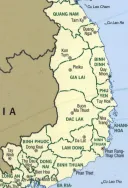
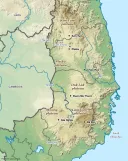
- 2025 July 1: Vietnam merges its provinces. Dak Lak absorbs Phu Yen, Gia Lai absorbs Binh Dinh and is run from Quy Nhơn on the coast, Kon Tum goes into Quang Ngai, and Dak Nong into Lam Dong. July 15: the UN Human Rights Committee finds that Vietnam “does not recognize the Indigenous Peoples in its territory” and names the forced “post-imprisonment education” of our prisoners. Map of the highlands
- 2025 October 7: Pastor Y Nuen Ayun is arrested in Dak Lak under article 116. October 29: Thai police detain about seventy of our people in Nonthaburi, 42 of them refugees or asylum seekers; twenty are released and the rest taken to the immigration detention center at Suan Phlu. Asylum today
- 2025 November 26: the Thai Court of Appeal upholds the extradition of Y Quynh Buondap, a refugee recognized by UNHCR since 2019. November 28: he is handed to Vietnam, and for many hours nobody can say where he is. December 29: Vietnamese state television broadcasts a “confession” from him. Y Quynh Buondap
- 2026 By February Y Quynh Buondap is reported to be serving a ten-year sentence; where he is held has not been disclosed. Y Quynh Buondap
- 2026 March: the US Commission on International Religious Freedom again recommends that Vietnam be named a Country of Particular Concern. April: the National Assembly passes an amended Law on Belief and Religion; the draft limited religious activity online to registered groups. The Law on Belief and Religion
- 2026 May: Pastor Siu Yui, 68, and Siu Dok, 40, of the Ba Na Dega Kon Kong church are detained in Gia Lai and charged under article 116. July 19: the Gia Lai police say they have “handled” 119 Christians in the first half of the year over FULRO and “De Ga Protestantism”. The laws used against us
- 2026 July 1: eighteen human rights organizations report that Thailand and Vietnam have pledged to negotiate an extradition treaty. Asylum today
- 2026 August 5: Pastor Y Nuen Ayun is sentenced to seven years and six months in prison, with four years’ probation, under article 116. That month the National Assembly takes up a revision of the Criminal Code that would widen article 117 to acts that “aim to oppose the Communist Party of Vietnam.” The laws used against us
- 2026 September 20: Dega Day. The Governor of North Carolina proclaims it Montagnard Dega People’s Day in the state that is home to the largest Dega community outside Asia. North Carolina
What this timeline is missing
A timeline built from documents inherits their silences. The years 1975 to 1992 inside the forest are here as a handful of dates, because FULRO kept almost no written record and its first full historian, writing in 2025, stopped at 1975 for lack of information. The villages of February 2001 and April 2004 are here as provinces, because only a few of them are documented one by one. The missing of Easter 2004 have never been listed. Ninety-seven of the hundred people convicted in January 2024 are named only in the Vietnamese state press, which this library does not use, and not one of them has a known place of detention. Nor is it known, ten months after his extradition, where Y Quynh Buondap is held.
Every one of those gaps is a gap in the written record, not in living memory. That is why we keep asking our people to tell us what they saw while there is still someone to ask. The gaps are set out, with what would close each one, on what we do not know; the way to add to the record is on how to record an elder’s story and reporting an incident.
Where the dates disagree
Where two sources give different dates or numbers for the same event, the entry above gives both, and says whose each one is: the demonstrations of 1958 (September in Hickey’s account, October in the CIA’s), the release of Y Bham Enuol in 1964, the agreement of December 1968, the dead of Dak Son, the last FULRO unit of 1992, the dead of Easter 2004 and the Bangkok raid of February 2025. The full list of such disagreements, and what would settle each, is on what we do not know.
Sources
Each entry rests on the sources of the article it links to. The main sources for this page as a whole are:
- Our own records: the history kept by our people and our organization, and our submission to the UN Working Group on Indigenous Populations (Geneva, July 1993)
- CIA, The Highlanders of South Vietnam: A Review of Political Developments and Forces (June 1966), in our library; CIA, Vietnam: Repressing Ethnic Minorities and Religious Groups (1983), in our library
- Gerald C. Hickey, The Major Ethnic Groups of the South Vietnamese Highlands (RAND, 1964), in our library; The Highland People of South Vietnam (RAND, 1967), in our library; Accommodation and Coalition in South Vietnam (RAND, 1970), in our library; Shattered World (1993), page 261
- Minority Groups in the Republic of Vietnam (US Army, 1966), in our library; Nguyen Duy Hinh and Tran Dinh Tho, The South Vietnamese Society (US Army Center of Military History, 1980), in our library
- William B. Noseworthy, “Lowland Participation in the Irredentist ‘Highlands Liberation Movement’ in Vietnam, 1955–1975,” ASEAS 6 (2013), in our library
- Mathieu Guérin, Des casques blancs sur le Plateau des Herbes (thesis, 2003), in our library; Oscar Salemink, The Ethnography of Vietnam’s Central Highlanders (2003); P. Cupet, Mission Pavie III (1900), in our library
- The ordinances of 1946 and 1951, in our library and our library
- Human Rights Watch, Repression of Montagnards (2002), in our library; No Sanctuary (2006), in our library; Montagnard Christians in Vietnam (2011), in our library; Persecuting “Evil Way” Religion (2015), in our library; news releases of 2004, 2025 and 2026
- Amnesty International, Renewed concern for the Montagnard minority (2004), in our library; Viet Nam: “Renovation” (Doi Moi), the Law and Human Rights in the 1980s (1990), in our library
- UN Human Rights Committee, concluding observations on Viet Nam (2002 and 2025), in our library and our library; Committee on the Elimination of Racial Discrimination (2012 and 2023), in our library and our library; UN special procedures, press release of August 28, 2024 and communications of 2024 and 2025; press release of December 3, 2025
- US Senate, The Plight of the Montagnards (1998), in our library; US Commission on International Religious Freedom, Annual Report 2026, Vietnam, in our library
- Jason Morris, The Vietnamese Bauxite Mining Controversy (PhD, University of California, Berkeley, 2013); Christian Solidarity Worldwide, press releases of 2025 and 2026; Governor of North Carolina, proclamation of Montagnard Dega People’s Day (September 2026)
Compiled September 2026, and kept up as events happen. Dates in the past move only when a better source is found.