
Knowledgebase
The case in law
What we ask for, what Vietnam has undertaken, and where the two do not meet.
Articles
9 articles
What the Dega ask for
Three aims, rooted in FULRO’s first declarations of 1964 and 1965 and set down in this form before the United Nations in 1993, pursued since October 1992 by peaceful means only. Beneath them, the rights the world now recognizes for indigenous peoples, every one of which has been taken from us; and at the end, four things a government that wanted...
What Vietnam signed, and what happens in the highlands
Vietnam has ratified the major human rights treaties, voted for the Declaration on the Rights of Indigenous Peoples, and has sat as a member of the United Nations since 1977. The obligations are not disputed and they are not optional. Set against them is the record in the Central Highlands, documented by the United Nations’ own bodies. This page...
Indigenous rights at the United Nations, and why the word matters
International law offers a people in our position two bodies of rights. One protects minorities. The other protects indigenous peoples, and it goes much further: it deals in land, consent and a people’s own institutions, not only in tolerance. Which one applies to the Dega turns on a single contested word. Vietnam says it has no indigenous peopl...
What the United Nations has said
Our people have been named in United Nations documents for more than thirty years: in our own submissions, in the findings of the treaty bodies that examine Vietnam, in the reports of experts who visited, in letters from independent experts to the governments of Vietnam and Thailand, and in the Secretary-General’s reports on reprisals. This page...
What Washington has said
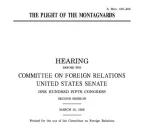
The United States recruited, armed and paid tens of thousands of our men, and since 1986 has given many of their families a home. Congress has come back to us again and again, in hearings, in resolutions and in the reports of its own researchers, and the executive branch has twice treated Vietnam’s religious persecution as a matter of policy. Th...
The laws used against us
Almost every one of our prisoners of the last twenty-five years was convicted under a handful of articles of Vietnam’s Criminal Code. Most are national security offenses written so broadly that praying in an unregistered church, talking to a foreign diplomat, posting on Facebook or crossing the border can be made to fit them. This page sets out...
Land law and customary land
In Vietnam nobody owns land. The land belongs to the entire people, the State represents the people, and what a family holds is a right to use, written on a certificate with red covers. That arrangement did not have to be aimed at us to take our country from us. A registry that records the field a family is cropping this season, in one household...
The Law on Belief and Religion (2018)
Vietnam’s Law on Belief and Religion came into force on January 1, 2018. It makes worship lawful only through a registered, state-approved organization. For Dega house churches, which have never been allowed to register as themselves, it turned an old practice into statute. The UN Human Rights Committee has found that it “unduly restricts” freed...
Vietnam and the Declaration on the Rights of Indigenous Peoples
On September 13, 2007, Vietnam voted for the Declaration on the Rights of Indigenous Peoples and said nothing. Twenty-nine states explained their votes that day. Vietnam was not among them; it appears in the record of that meeting exactly once, in the list of the 143 in favor. In the years since it has told four separate UN mechanisms that the D...
Powered by WBAMS