






















Three powers came to the edge of the highlands before the French, and each left something with us. The Cham held the coast for a thousand years, traded up our rivers, built one tower in our forest, and when their kingdom died gave their crowns into our keeping. The Vietnamese destroyed the Cham, inherited the shore, set up markets at the foot of the mountains and forbade, on pain of death, the sale of iron to us. The Catholic missionaries, driven out of the lowlands by persecution, came up in 1842 looking for a refuge and stayed to write our languages down. This page tells the three stories in order, with the dates the record gives, and ends with the sixteen men who walked up from the coast between 1842 and 1851 and what they found. The rivers ran both ways, which is why the highlands were a crossroads long before they were a frontier.

The Cham on the shore
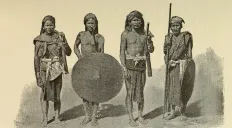
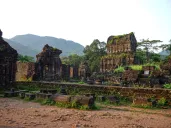
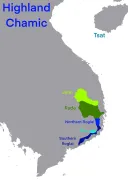
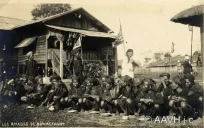
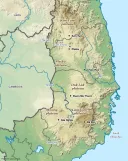
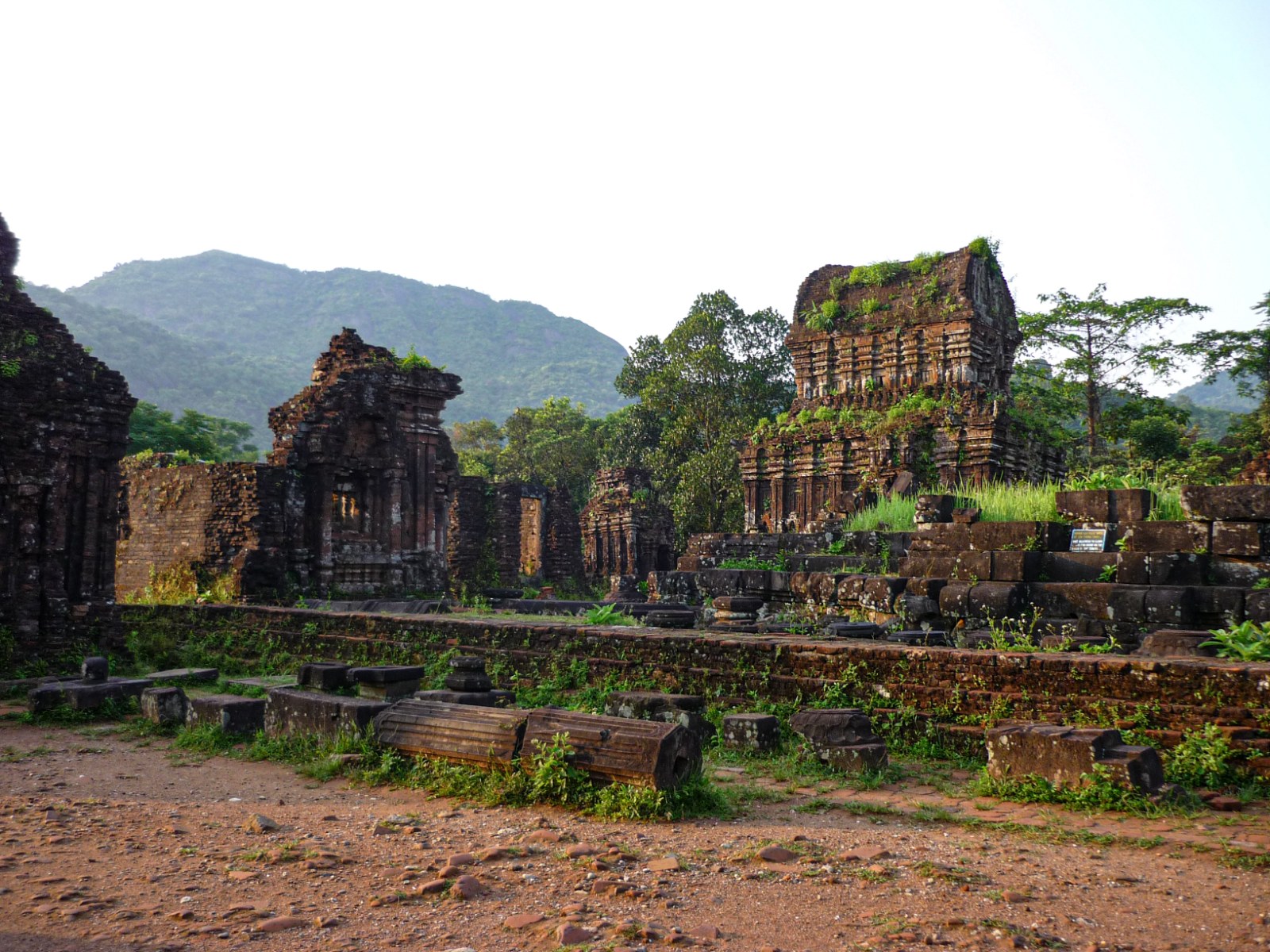
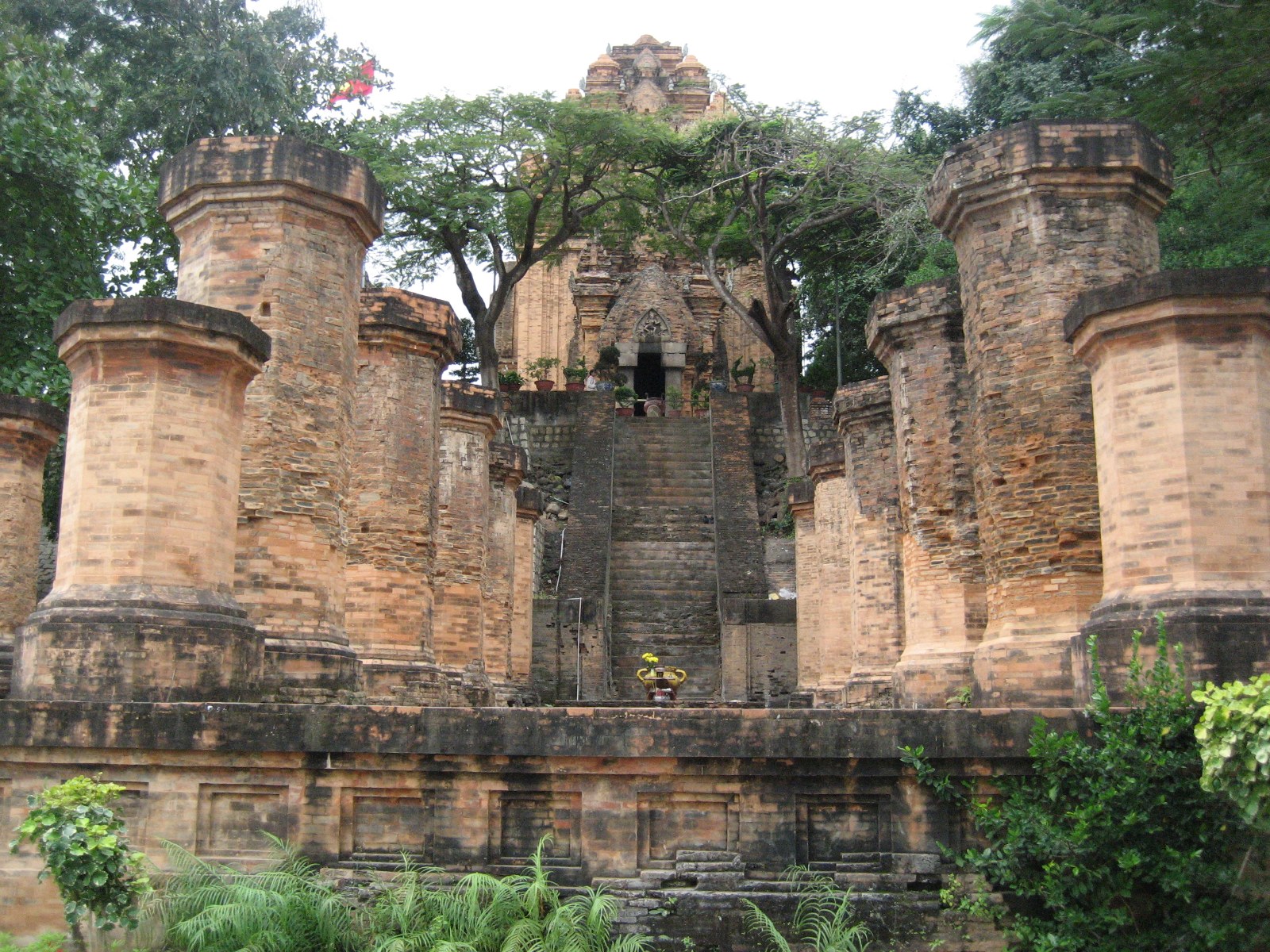
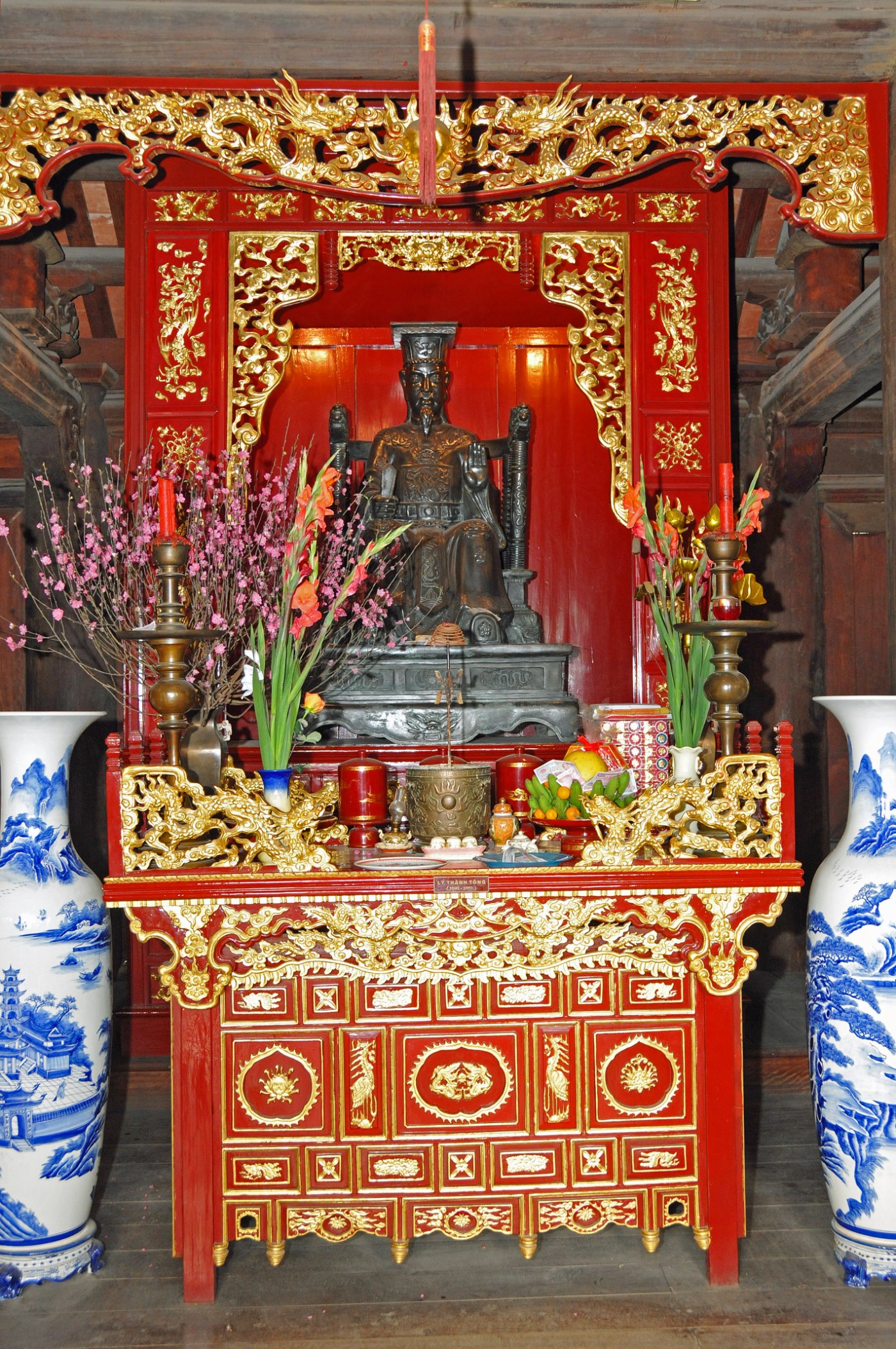
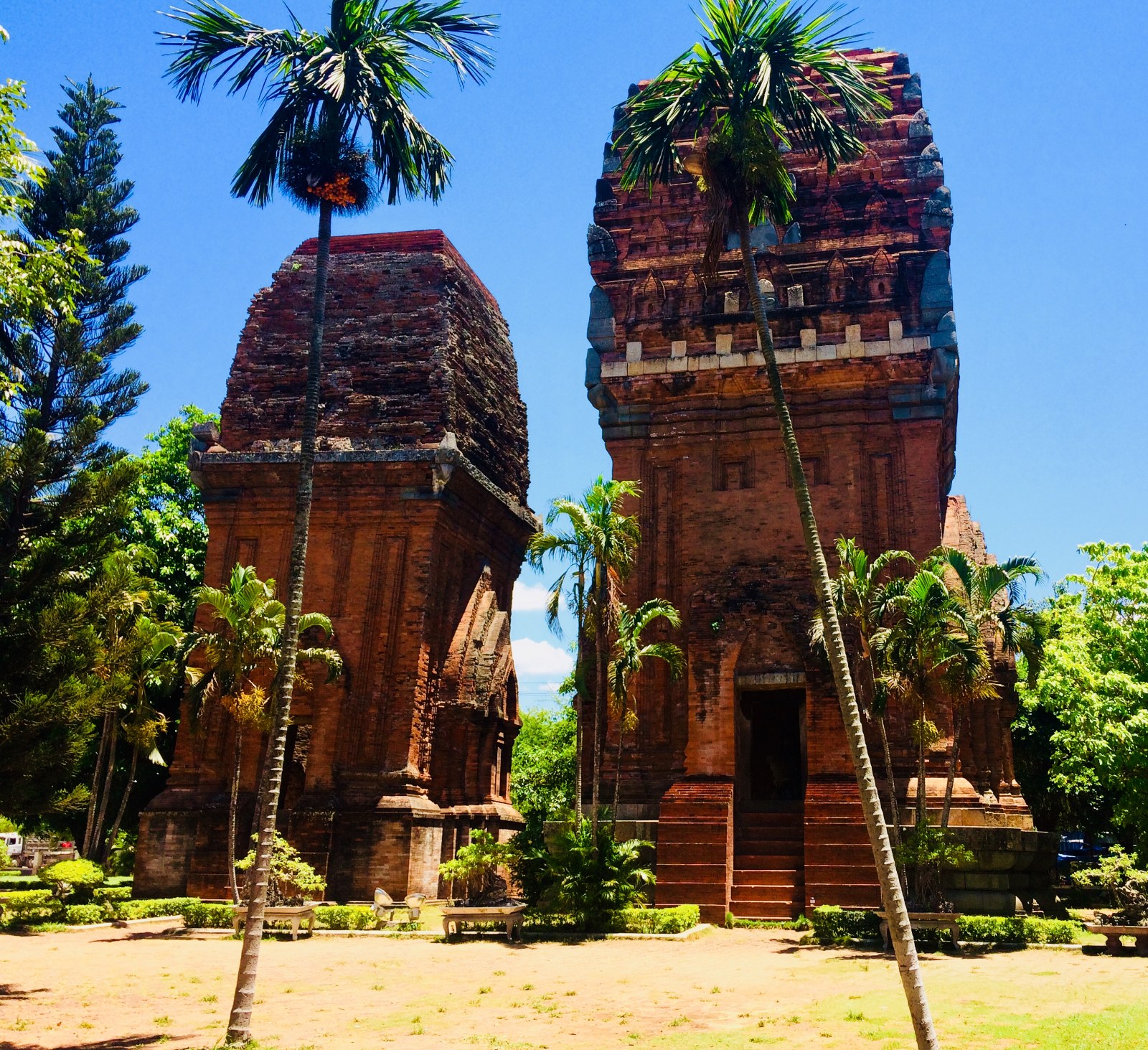
The Chinese chronicles record a kingdom on this coast from the year 192, which they called Lin-yi, the forest of savages, and which the Europeans later called Champa. Whether Lin-yi was Cham at all is disputed: the historian Michael Vickery, reading the Chinese titles, thought its early rulers were more likely Mon-Khmer speakers, cousins of our own Katu and Bru, and found it “incredible” that a people who had arrived by sea from Borneo only a few centuries before could already be dominating the region. What is not disputed is that by the seventh century the coast from Huế to Phan Thiết was Champa, a string of small kingdoms at the river mouths, Indrapura, Vijaya, Kauthara, Panduranga, that took their name from the Sanskrit word for a white, sweet-smelling flower and their wealth from what they shipped to China. Georges Maspero, who wrote the standard French history of Champa in 1910, said the Cham called the peoples of the mountains behind them Mlecchas, savages, or Kiratas, mountaineers; that the Randaiy of the mountains between Khanh Hoa and Phú Yên were “those we call today the Rhade” and the Mada of Binh Dinh probably the ancestors of the Jarai; and that they were “ethnographically of the same race as the Cham.” That is right in one sense and wrong in another. The Jarai, Rhade, Churu and Raglai speak languages that are sisters of Cham, and the Cham towers at Po Nagar and My Son were built by people whose grandchildren’s grandchildren are, in part, us. But Champa was a kingdom of the shore. In a thousand years it built one tower on the plateau, Yang Prong in the forest of Ea Sup, and two shrines at Cheo Reo on the Ba; the rest of its dealings with us were trade, salt and cloth and gongs going up the rivers, eaglewood and ivory and rhinoceros horn coming down, and the exchange of people, for the legendary king Po Klong Garai himself is said to have been of mixed Cham, Churu and Koho blood. The Cham took coastal land that our tradition holds was ours, and held it for six centuries. They were not our enemy in the way the later arrivals were, and what Champa did to us was mostly to occupy the shore and trade with us across it (see Before 1800).
.jpg)
The end came in stages, and we should know the stages because we have read that ending before. In early 1471 the Vietnamese emperor Lê Thánh Tông marched south and destroyed Vijaya, the capital on the plain of Binh Dinh; Maspero took that year as the end of Champa, and the Cham who could fled south to Panduranga around Phan Rang, west into the hills, or across the mountains into Cambodia, where many of them became Muslims. Panduranga lived on as a small Cham kingdom under the Nguyễn lords for two more centuries. In September 1692 its king, Po Saut, fortified his towns and attacked the Vietnamese at Diên Khánh; he was captured seven months later, and the Cham court was renamed Thuận Thành, a Vietnamese district, its ruler given a Vietnamese civil rank. In 1832 the emperor Minh Mạng abolished even that. The Cham rose in 1833 under a Malay religious teacher, Katip Sumat, who arrived in Binh Thuan with Malays and Cham from Kelantan, and were crushed; the Cham poems of those years, the ariya, record, in the words of the scholar who has read them, “the incorporation of Campā as a Vietnamese province” and the new laws about dress, religion and names that came with it. Champa, a civilization with cities, temples, an alphabet and a navy, ceased to exist as a state, and its descendants are today an ethnic minority in Vietnam, counted in a census, their monuments a tourist itinerary.
.jpg)

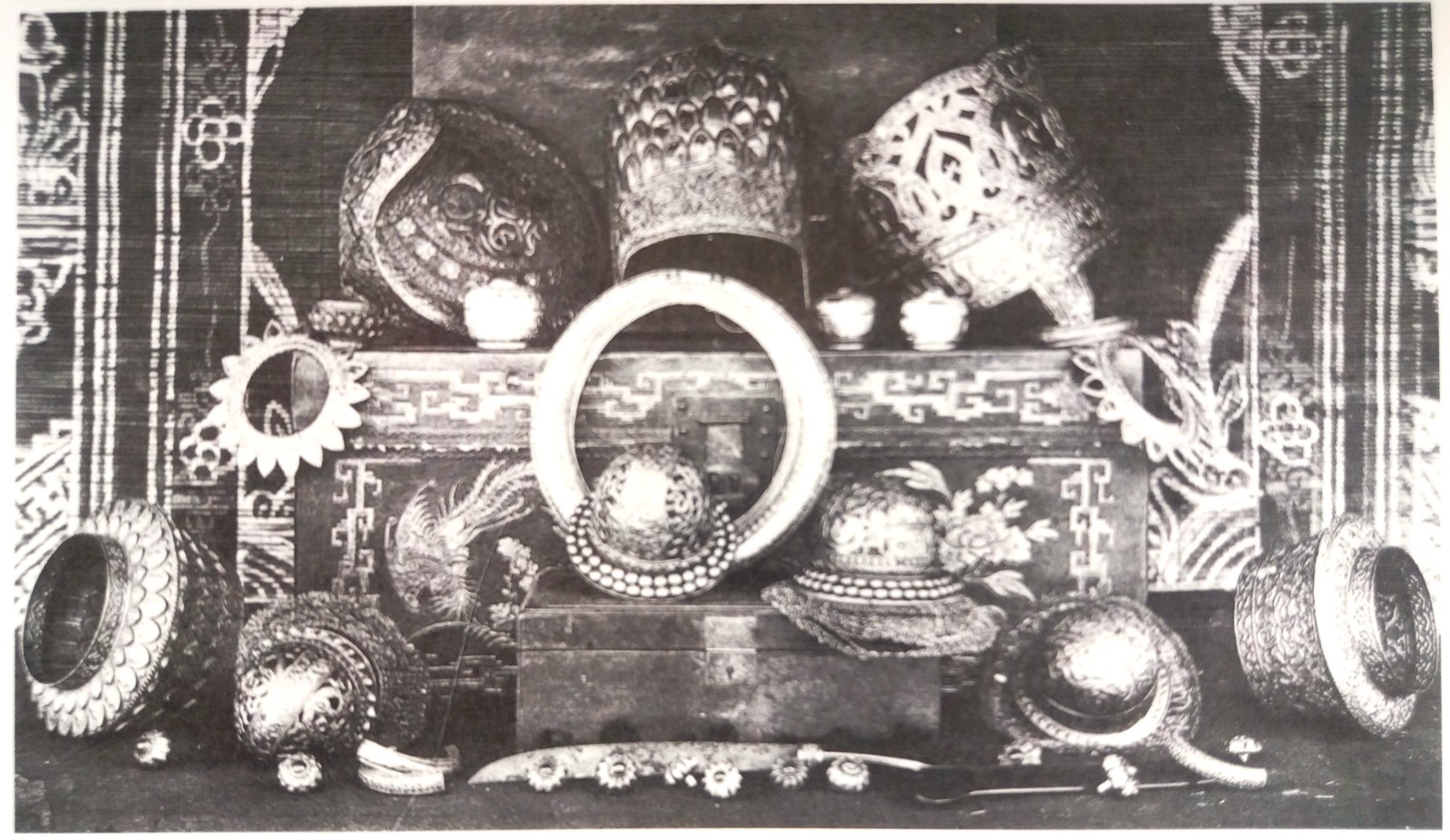
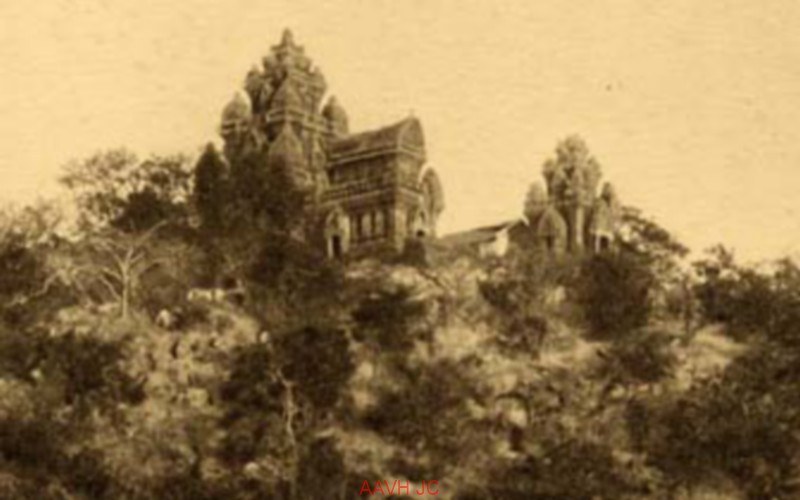
When the last Cham kings of Panduranga had nowhere left to keep their treasures, they gave them to the mountains. The temples above Phan Rang, Po Klong Garai and Po Rome, had been kept “from time immemorial,” Étienne Aymonier wrote in 1891, by the orang glai, the men of the forest, the Raglai, under the eye of certain Cham villages; seven Raglai hamlets were bound to one temple alone. The crowns, robes and vessels of the kings went into Raglai and Churu villages in the hills, and the Raglai still carry them down to the Cham at the Katê new year. We hold that trust as a fact about us: when a kingdom of the coast died, it was the highlands it trusted (see Koho, Maa, Churu, Raglai).

.jpg)
Annam and the march south
The Vietnamese call the long movement of their people down the coast from the Red River to the Mekong the Nam tiến, the march south, and the Vietnamese school histories tell it as one steady, purposeful advance over eight centuries. It is worth knowing that the phrase is modern. The historian Brian Zottoli, who examined the sources, found that “the term nam tiến is a modern one, however, that appears in no Nguyễn text,” and that as late as the end of the nineteenth century Europeans living on the coast thought of Tonkin, Cochinchina and Champa as separate countries; the idea of “a unified, ethnic Vietnamese population, moving gradually but steadily southward over centuries” was put together after 1945 by nationalist scholars who needed it. What happened was more like what happens everywhere: wars in 1471, 1611, 1629, 1653 and 1692, settlers following soldiers, a governor installed at Gia Định on the Saigon river at the end of the seventeenth century, and the Cham left behind as a minority in their own country. It matters to our history twice. It took the rest of the lowland from us at one remove. And it is the precedent we point to when we describe what is happening now.
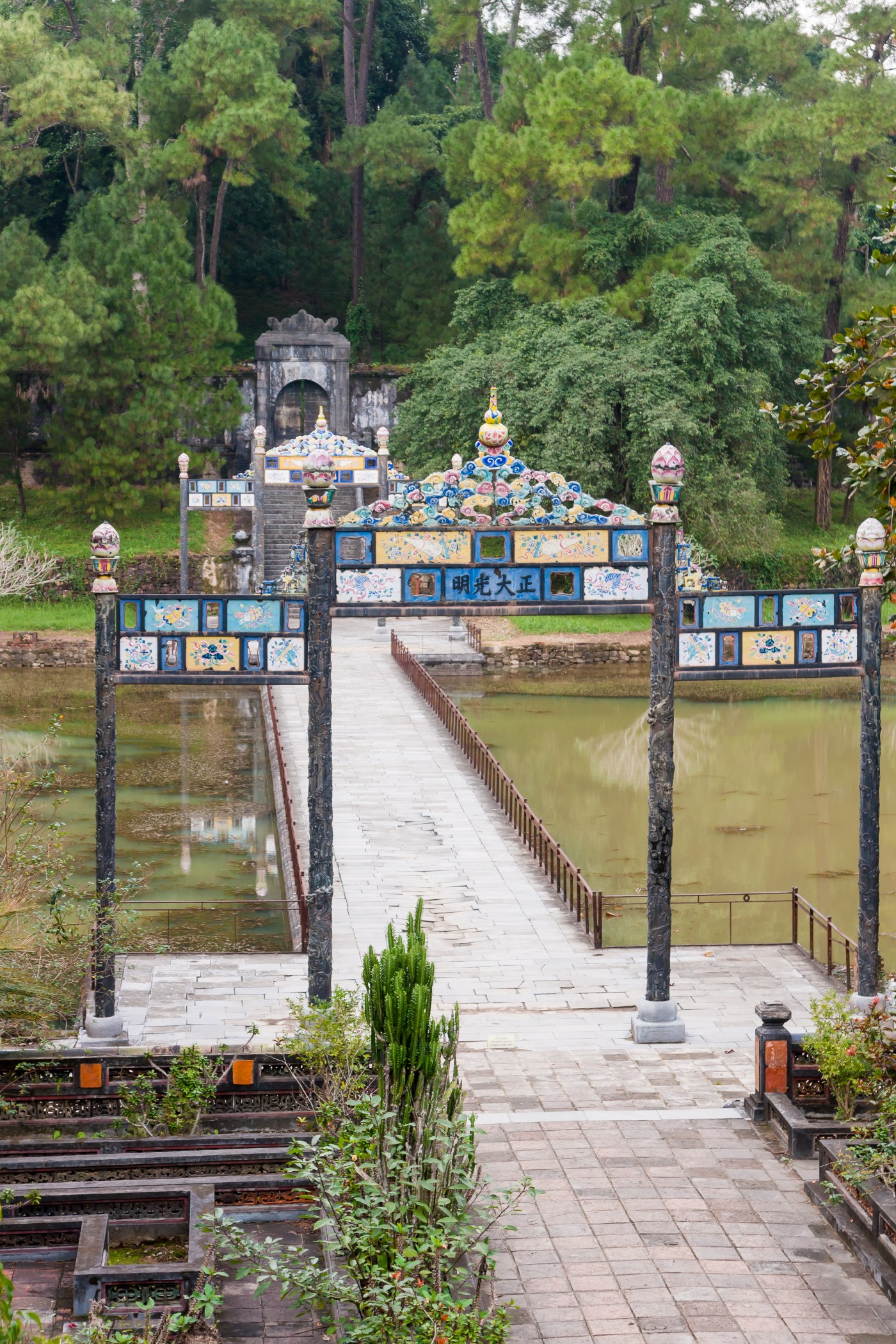

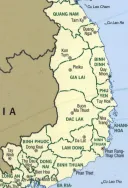
With us the lords of Huế did what the Cham had done, and added a monopoly. At the foot of every pass they kept a nguồn, a “source,” a supervised market where highland wax, rattan, cloth, elephants and rhinoceros horn came down and salt, fish sauce, iron and copper pots went up, and where the lord’s officer took his share in horn and elephants; the official Lê Quý Đôn described the one at Cam Lộ in 1776 (see Before 1800). The one thing the court would not let through was iron. Father Miche, planning the first missionary journey into our mountains in January 1842, wrote that a piece of iron for a knife or an arrowhead would be worth more to the highlanders than gold or silver, “but the king of Cochinchina forbids on pain of death carrying any to them.” A state that will sell salt to a people and not iron is a state that means to keep them. After the emperor Thiệu Trị came to the throne the court reached a little further. About 1843, according to the American Army’s handbook of 1966, which took it from the French, it recognized a Bahnar named Khiem as leader of his people and gave him a title; after 1846 it put military posts into Bahnar country that the Siamese, from the Lao side, also claimed, and as it secured them it “authorized only their own traders to deal with the tribesmen.” In 1831 it had made the tribute of the Fire and Water Kings a fixed institution through Phú Yên, every three years, and counted the two kings among its vassals. From 1863 the mandarin Nguyễn Tấn ran the Sơn phòng, the mountain defense, in the Hre country above Quảng Ngãi, which the historian Oscar Salemink describes as continuing an eighteenth-century pacification scheme: a strong military presence, the enrolment of local chiefs, and trade monopolies. That was as far as Huế got. The plateau proper it never held, and it had once been reminded why: the Tây Sơn rebellion that destroyed the Nguyễn lords in the 1770s began at An Khê on the road up to the Bahnar country, among “a coalition of Việt, Cham, Bahnar and other groups” who would not pay the new taxes.
The Christians on the coast
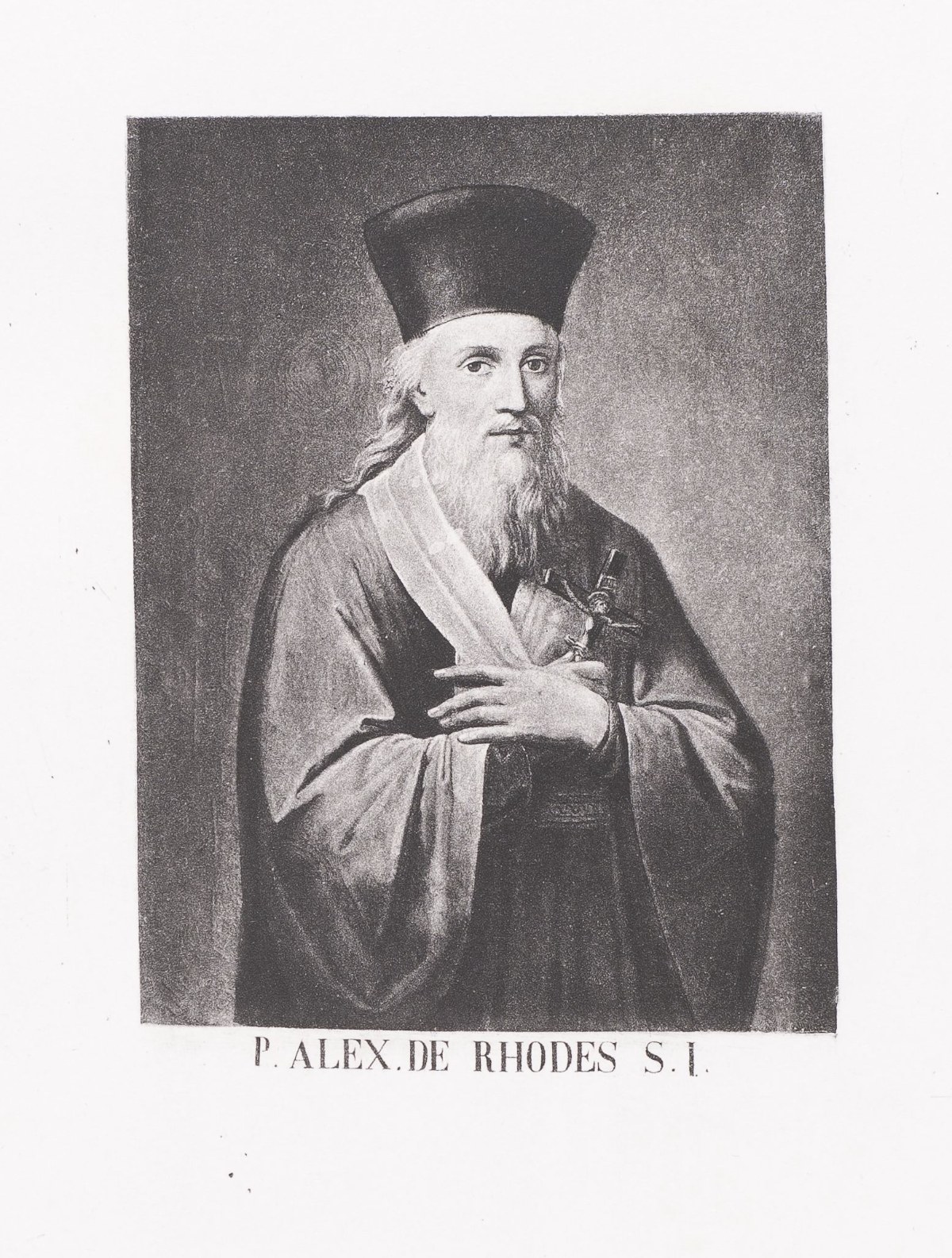
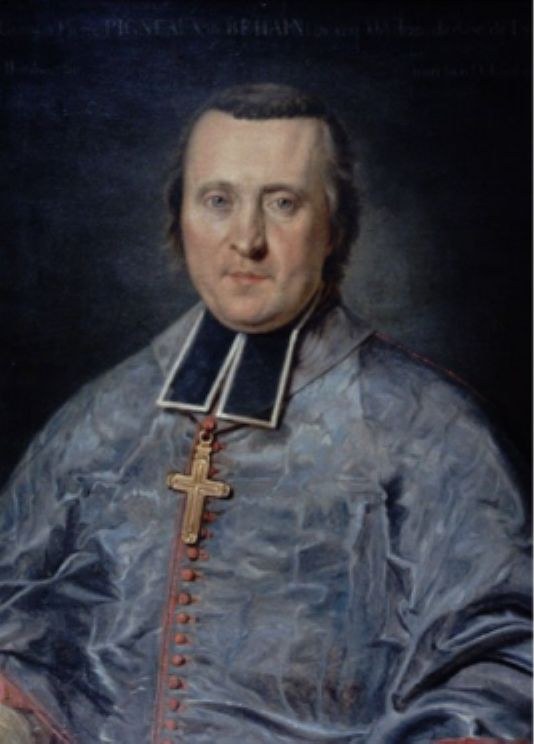
On January 18, 1615, three Jesuits from Macao landed at Cửa Hàn, the harbor of what is now Da Nang, which the Europeans called Tourane: the Italian Francesco Buzomi, the Portuguese Diogo Carvalho and a lay brother. They were the first Catholic missionaries in the country, and Jesuits kept coming from Macao for a century and a half, until the Society was suppressed in 1773; the Jesuits did not come back to Vietnam until 1957. The most famous of them, Alexandre de Rhodes, landed at Tourane in 1624, learned the language on the quays talking to sailors and children, whose speech he compared to the twittering of birds, and in 1651 printed in Rome a dictionary in the roman alphabet with marks for the tones, which is the script Vietnamese is written in today; his map of 1650 is the one that left our mountains blank and marked them Solitudo. In 1659 the pope created the first two vicariates in the country and gave them to a new society of secular priests from the rue du Bac in Paris, the Missions Étrangères, and it was the Missions Étrangères that would come up to us. Their bishop of Adran, Pigneau de Béhaine, befriended the fugitive prince Nguyễn Ánh, signed a treaty for him at Versailles on November 28, 1787, and died in his camp in Binh Dinh in 1799 three years before the prince became the emperor Gia Long. The friendship did not outlast him. Gia Long’s son Minh Mạng issued his first edict against the religion in 1825 and in January 1833 ordered every Christian in the empire, “from the mandarin to the least of the people,” to abandon it, and every church and priest’s house “completely razed”; a secret annex added that the religion “deserves all our hatred” and that French missionaries were to be sent to the capital under the pretext of employment. Two more edicts followed in 1848 and 1851 under Tự Đức. Something like a hundred thousand Vietnamese Christians died for their faith between 1820 and 1883, and a hundred and seventeen of them were canonized in 1988. That is the persecution out of which the highland mission was born.


The plan of 1842
The bishop of eastern Cochinchina in those years was Étienne Cuénot, titular bishop of Metellopolis, a man from the Jura who had fled to Siam in 1833 and come back, and who governed a church of a hundred thousand Christians from hiding, chiefly in the villages of Gò Thị and Gia Hữu in Binh Dinh. In 1841 he published a short description of the Cham, the Rhade and the Jarai, and of the Master of Fire, whose prestige and whose trade with Huế had reached him: the earliest printed European notice of the Fire King, nine years before anyone else’s. Then he decided to send a priest up. The priest was Jean-Claude Miche, and on January 5, 1842, from his hiding place, Miche wrote to the superior of his old seminary at Saint-Dié a letter that the Annales de la Propagation de la Foi printed the next year and that is the founding document of the highland mission:
Ayant appris que d’innombrables tribus de sauvages habitent au sein de cette longue chaîne de montagnes qui sépare notre Mission du Camboge et du Laos, Mgr de Métellopolis a résolu de faire une tentative pour planter la croix de Jésus-Christ au-dessus de ces monts encore inexplorés, et c’est moi qui suis chargé de cette expédition. […] je vais sortir de la province de Binh-Dinh, pour me rendre par mer dans celle de Phu-yen ; là je prendrai quelques volontaires dont je formerai une caravane, et dans la première quinzaine de février, lorsque les païens seront plongés dans leurs orgies du premier jour de l’an, nous tâcherons de nous soustraire aux investigations de la douane, et d’escalader les montagnes. […] Si mon expédition réussit, comme je l’espère, notre pauvre et désolée Mission en retirera d’immenses avantages ; notre collège ayant subi le sort de toutes les églises du pays, nous pourrions le rétablir au centre de ces montagnes ; en temps de persécution les prêtres y trouveraient un abri contre la tempête ; et après tout, une large porte nous serait ouverte pour pénétrer dans de vastes régions où l’Evangile n’a pas encore été annoncé.
Having learned that innumerable tribes of savages live in the long chain of mountains that separates our mission from Cambodia and Laos, the bishop has resolved to attempt to plant the cross above those still unexplored mountains, and I am charged with the expedition. He would leave Binh Dinh by sea for Phú Yên, raise a few volunteers there, and in the first fortnight of February, “when the pagans are plunged in their orgies of New Year’s Day,” the one day in the year when the customs posts would be drunk, slip past them and climb the mountains. If it succeeded, the mission’s destroyed seminary could be rebuilt in the heart of the mountains; in time of persecution the priests would find shelter there from the storm; and a wide door would open into vast regions where the gospel had never been preached. He could take no gold or silver, because the highlanders had no use for them, only bolts of cloth to trade for rice; the iron they wanted the king forbade; and what he feared most was learning new languages “without books, without dictionaries, without interpreters.” He had instructions to push on, if he could, to the Mekong. There were three European priests left in the whole mission.
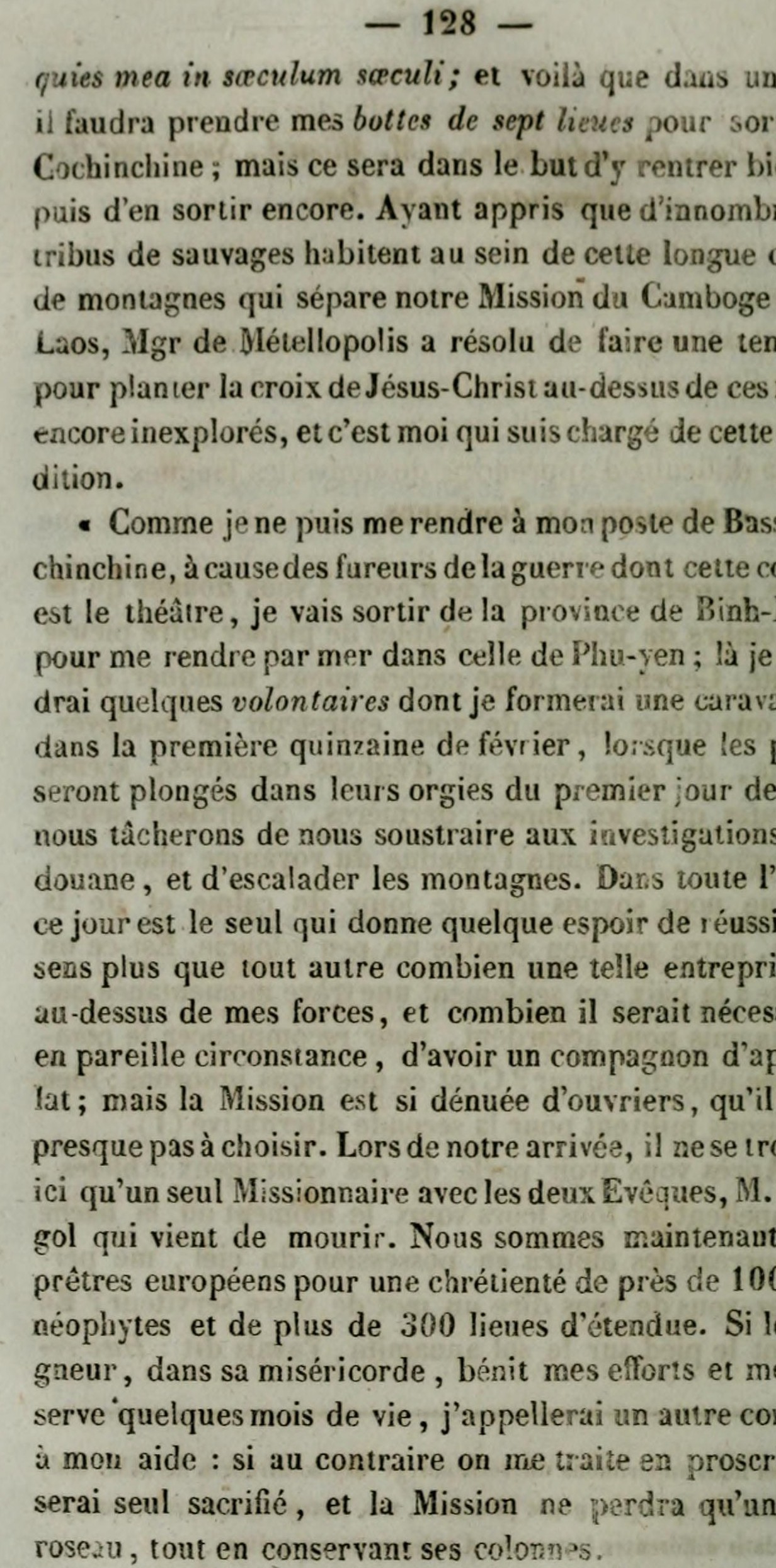
Read the letter for what it says the highlands were for. They were a refuge from Huế, a place beyond the customs posts where a hunted church could hide its seminary; and they were a door. Miche and his companion Duclos went up from Phú Yên in February 1842, along a tributary of the Ba, into the country of the Jarai, and reached the Fire King’s people. There Vietnamese traders, who had the court’s monopoly and knew what a priest meant, seized them; their host, the Fire King, did not intervene. They were taken down to Huế, held in a series of prisons, tortured, and, with three other French priests, sentenced to death. Miche wrote to his bishop from the prison at Trấn Phủ in September 1842. In March 1843 the French corvette Héroïne came to Tourane and got the five of them released; and Cuénot printed their report in the Annales, so that all Catholic France read, in 1843, that there was a King of Fire in the mountains of Cochinchina. That was the first missionary journey into our country: a failure, from the Vietnamese side, that ended in a French warship. It would not be the last time the mountains, the court and a gunboat came together.
Do
Cuénot tried again in 1848 from the other side of the range, and this time he sent a Vietnamese. Nguyễn Do was born in 1823 in the Christian village of Đồng Hâu in Binh Dinh, and in 1848 he was a deacon of the seminary. The bishop’s order to him was to open a road for the mission to the highland peoples by way of An Sơn, the market town at the foot of the pass to An Khê where the Vietnamese traders gathered for the Bahnar country. Do went to An Sơn and hired himself as a servant to a Vietnamese trader; then as a cook; and in rags, on the trader’s trips into the mountains, he learned the languages and the paths, until he could set up as a trader himself and go up alone. In the Bahnar country he found a chief the missionaries would call Bok Kiơm, a Bahnar famous through the region because he spoke Vietnamese and traded with the Vietnamese, and Bok Kiơm offered the strangers the highland form of alliance: “I want to make brotherhood with you, if you do not think me unworthy.” Dourisboure’s book, which the diocese of Kon Tum has translated into Vietnamese under the title Dân Làng Hồ, tells the story of that oath and of the chief Bliu of Kơ Lang, a day’s walk further, who took the priests in, and of how it proved impossible “to keep secret for long the presence of men so out of the ordinary.”

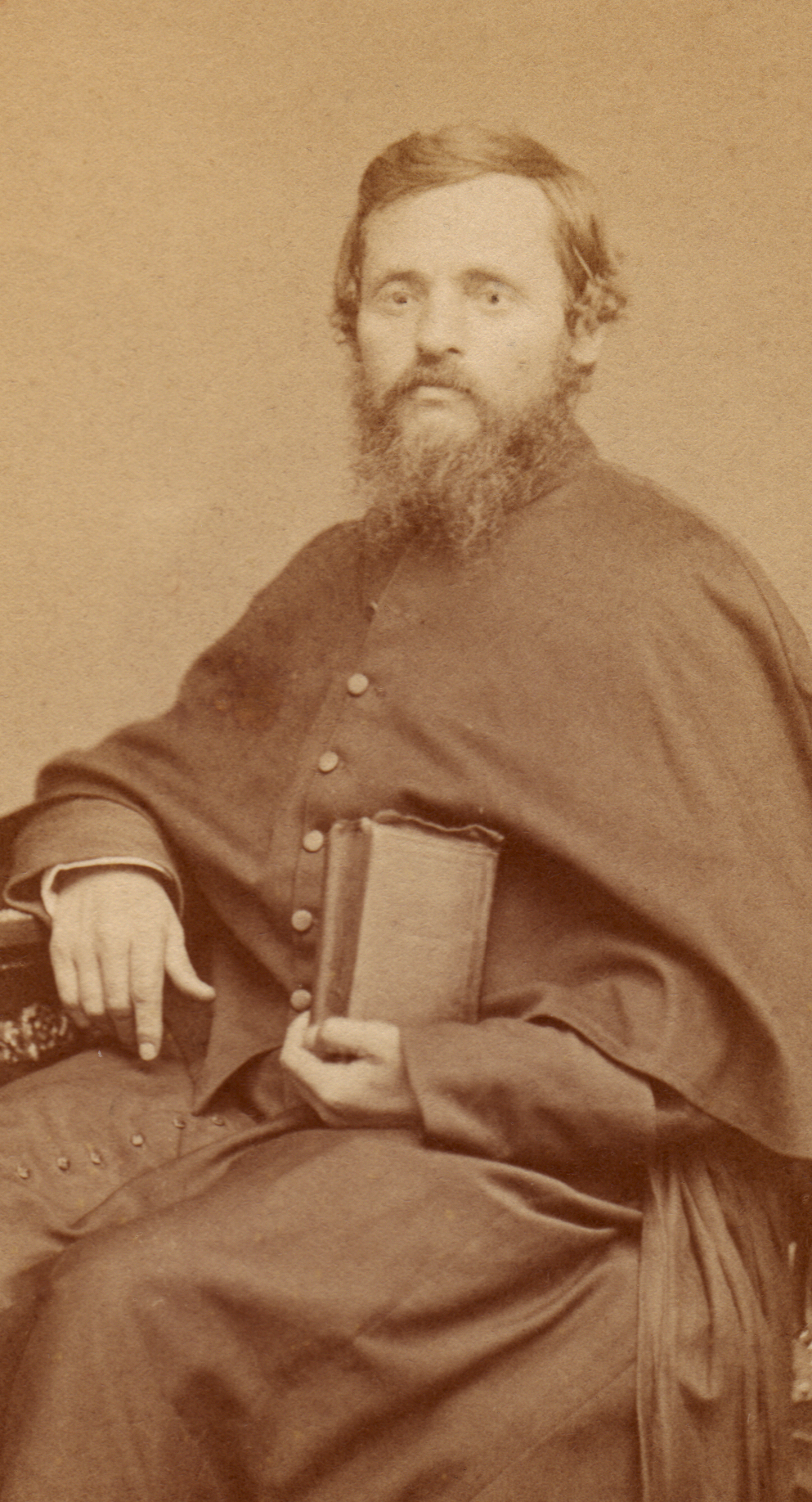
The priests followed Do in 1850. Jean-Pierre Combes, a man from the Tarn who had been slashed on the arm by pirates on the junk that brought him from Singapore, went up with Do that year; the two came back down to report the roads “about impossible,” and the bishop, in the dry words of the mission’s own record, “sent them back immediately.” Combes and Joseph Fontaine, a priest born in Malta who was the mission’s superior in those first two years, left from Gò Thị, where the bishop lay hidden, for the post at Trạm Gò, three days off, two of them rowing upriver and one on foot, moving by night; a herd of elephants hurt one of their young men and nearly had Combes; rain fell like a waterfall day and night and they turned back; after a fortnight’s rest they went again, through the country of Ba Hạm and Bơ Lu, to Kon Phar, their first station, two days beyond Bơ Lu, and then to Kơ Lang and Kon Kơxâm. Pierre Dourisboure, a Basque of twenty-five who had left Nantes in October 1849, reached the bishop’s house at Gò Thị at dawn on June 23, 1850, and was told by Cuénot, “Although I intend now to send you up to the Bahnar country, I do not know whether I shall not be forced to call you back to Annam through sickness or some other reason.” He and “the good Father Desgouts” set out on November 11, 1850, by the same road, and reached Kơ Lang on the morning after New Year’s Day, 1851. By then there were four of them in the field, three Frenchmen and Do.
What they found and what they made
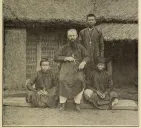
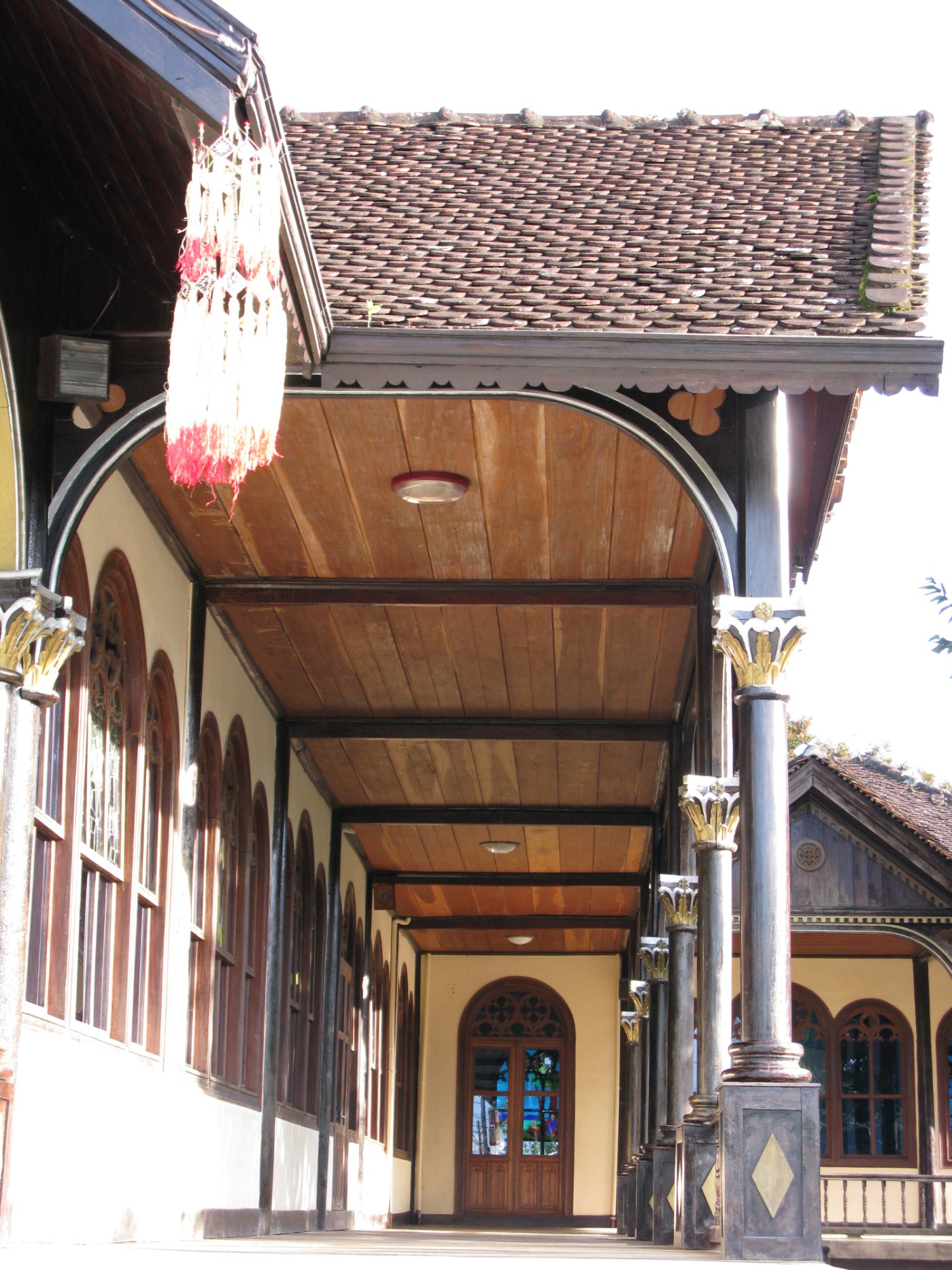
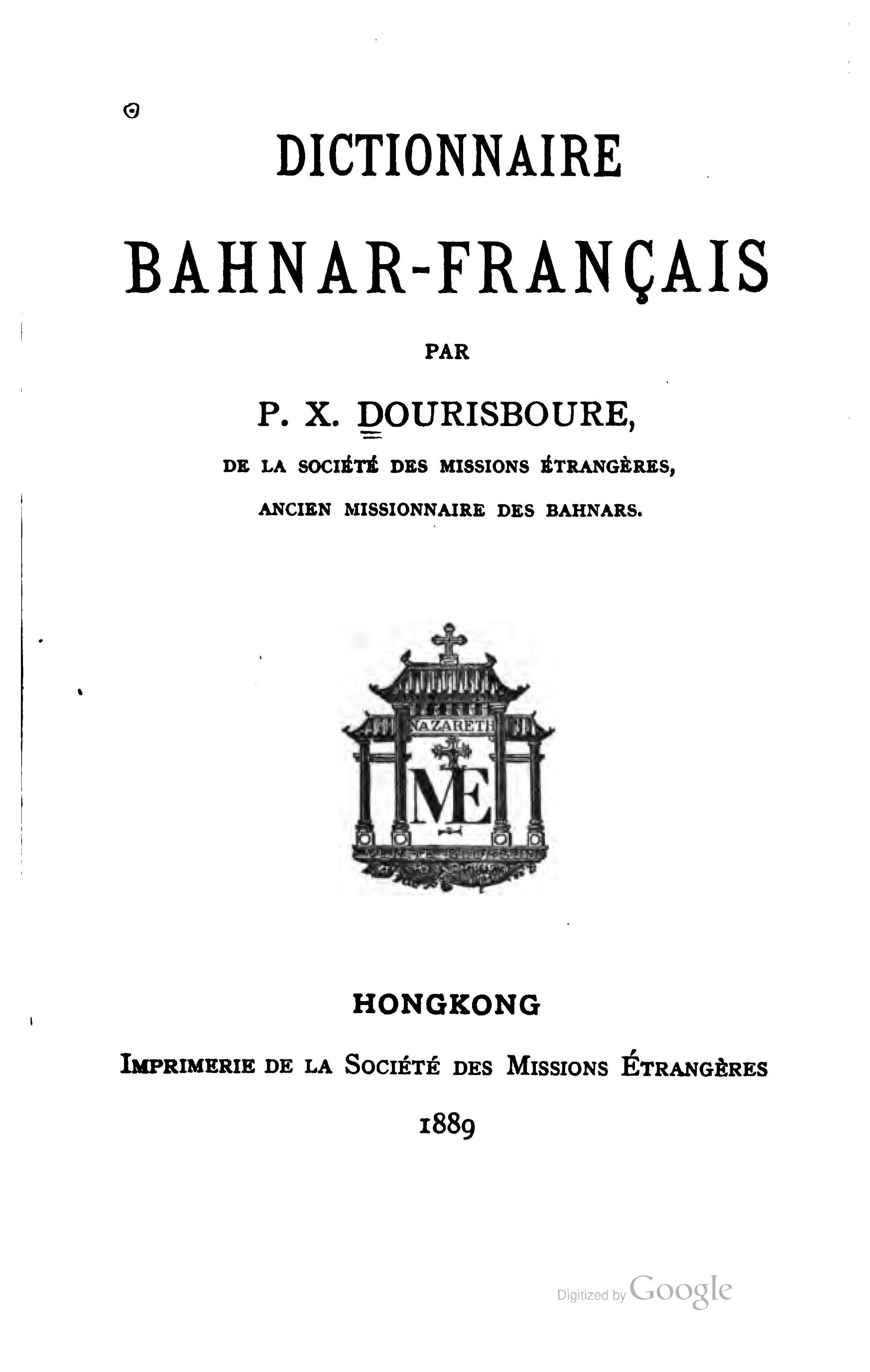
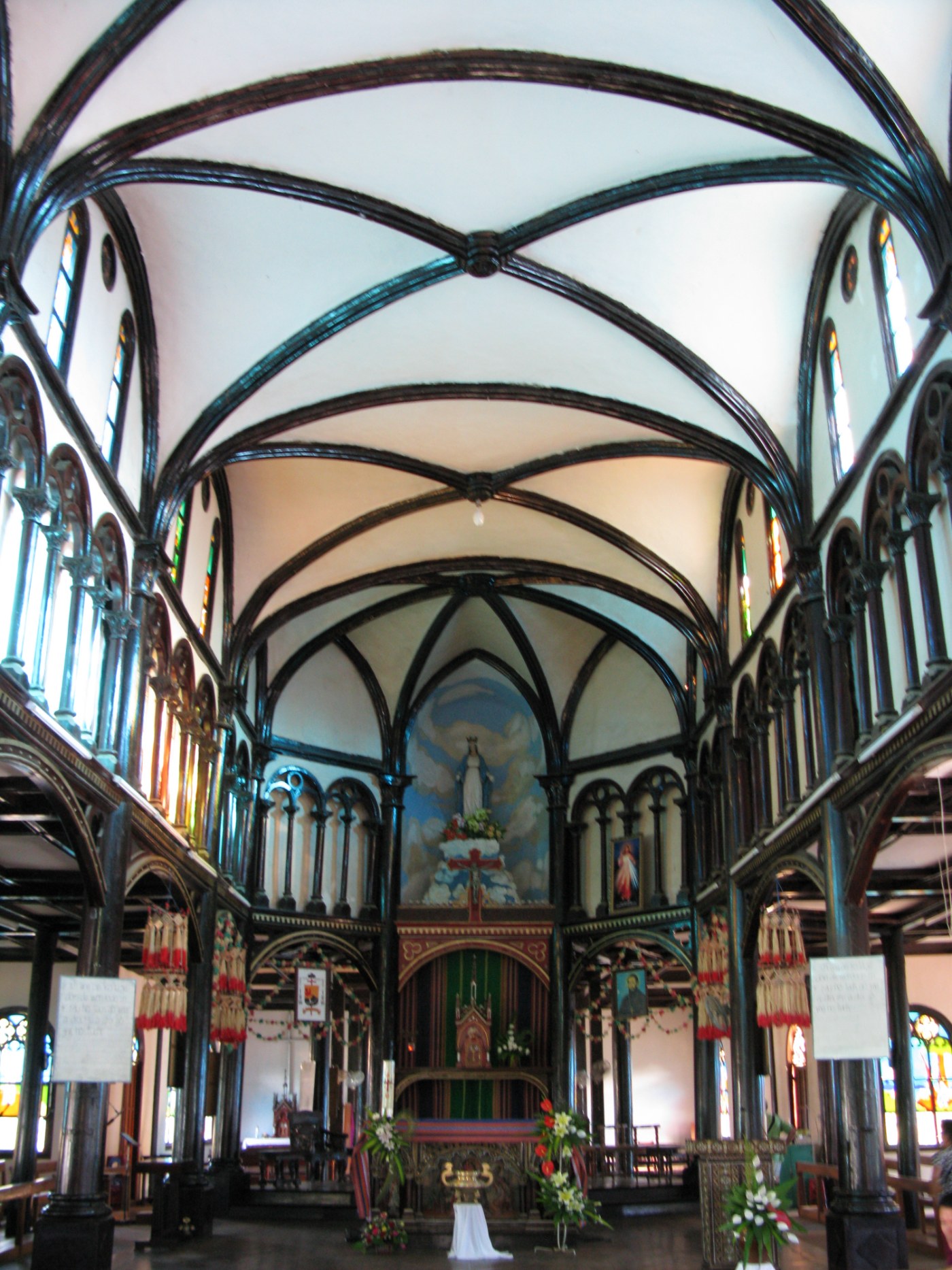
They found the fever. Every companion of Dourisboure’s first years died: Combes at Kon Kơxâm on September 14, 1857, hours after learning that the bishop had named him his coadjutor, having baptized thirty-four adults and asked for five; Fontaine, who went to the Jarai at Plei Chư at the beginning of 1853 as the first missionary among the Jarai and was carried down so ill that he never came back; the others one by one. The mission’s notice on Dourisboure records that the fever took him on the road and left him waiting, far from any help, for the crisis or for death, and that once he and another priest, Besombes, having confessed each other and given each other the last rites, fell down unconscious side by side. They found the Vietnamese court, which sent troops in 1854 to seize them, and the Bahnar, who refused to guide the soldiers. They found the slave raids: Dourisboure’s letter of December 12, 1871, reports one raid that carried off five young Christians into slavery and another that killed seven people and wounded forty. They found, in 1862, an epidemic that the Bahnar sorcerers blamed on the foreigners. And they made things that had never existed. Combes wrote a short catechism and the morning and evening prayers in Bahnar, the first texts ever written in a language of the highlands; Dourisboure translated them into Sedang at Kon Trang, and on October 16, 1853, baptized his first two catechumens, Ngui and Pat. Do, ordained priest in 1852, made a station at Rơhai near the village of Brêng about 1853, could not persuade Brêng, and in 1856 founded a new village to the east of Rơhai and called it Kon Tum: the village that became the town (see Four highland towns). Dourisboure, who had learned that a mission among a people who moved their villages needed villages of its own, cleared a forest with a few Christian families and built Jơ Ri Krong, the first all-Christian village, and others after it. He went to France in 1870 and there wrote Les sauvages Ba-Hnars, published in 1873, the story of his companions’ sufferings and the first book about any of our peoples by a man who had lived among them. Recalled to the coast in 1885, worn out, he finished his Dictionnaire bahnar-français at the sanatorium of Béthanie in Hong Kong and had it printed there in 1889, the first dictionary of a highland language, twenty-one letters and a note that Bahnar, unlike Vietnamese, has no tones; and he died at Marseille on September 8, 1890, a few days after landing, leaving a mission of about a thousand Christians. When Father Guerlach had arrived in 1883 there were four villages of baptized Bahnar. The vicariate of Kon Tum was created in January 1932, and the wooden cathedral in the town was built between 1913 and 1918 (see The Kon Tum mission and The highland Catholic Church).
One more priest belongs here, because he is often given the wrong place. Charles-Émile Bouillevaux came out on the same ship as Combes in 1848, but to Cambodia, and in 1851 he was among the “Penongs,” the Mnong and Stieng of northeastern Cambodia, and in December of that year he visited the ruins of Angkor and was the first man of his century to tell the learned world about them. His book of 1858 opens with the peoples of the forest “who, according to the traditions, were driven back by invaders from the banks of the rivers into the interior,” and says he entered the huts of “these savages, who live almost in a state of socialism.” He is a witness to the Mnong and to what the Cambodians said of the Fire King; he was not the first European to report the Fire King, since Cuénot had done so in 1841, de Marini had listed a King of Fire and a King of Water among the kings of Indochina in 1663, and Borri had written of the Kemois who obeyed no king in the 1620s. The first European to live among a highland people and write about it for ordinary readers was the naturalist Henri Mouhot, among the Stieng in 1859, and the first to describe a highland people at length from inside was Dourisboure.

What each arrival did
The Cham took the shore and traded with us across it for six hundred years, and when they fell they trusted us with what they had left. Annam destroyed Champa, inherited its coast, put markets and then soldiers at the foot of the passes, kept iron from us, and never climbed. The missions brought a religion that a great many of our families now hold as their own, and brought writing, schooling and medicine to places that had none. The Kon Tum mission reduced Bahnar to the roman alphabet, which is why the oldest written text in any of our languages is a Catholic prayer and why Bahnar has a documentary record reaching back further than any other highland language (see Writing our languages). The missionaries also produced the first descriptions of us, the first route maps of the interior, and the first systematic account of which people lived where under which chief; Dourisboure’s book, Guerlach’s letters and the fathers’ hospitality were what every French officer used when the army finally came. In 1891 Captain Cupet mapped the Bahnar country from Guerlach’s villages with Guerlach’s interpreters. The missionaries did not intend that and often did not welcome it; the relationship between the Kon Tum fathers and the French administration was frequently hostile, and the fathers, who were the only Europeans living in the highlands until the early 1900s, called their own headquarters the Mission des Sauvages and thought of the country, as the French did, as the pays moï. It happened anyway. Information about a people, once written down, does not stay with the person who wrote it. We say this not as an accusation against men who died of our fevers in our villages and whose names Bahnar families still keep, but as a statement about what information does once it exists (see The French arrive).
The sequence
192 The Chinese record a kingdom called Lin-yi on the central coast; whether its rulers were Cham is disputed.
seventh century Champa is trading up our rivers for eaglewood and ivory; the salt road between the coast and the plateau is in use.
1471 Lê Thánh Tông destroys Vijaya. The Cham fall back to Panduranga; some go into the hills, some to Cambodia.
1615 January 18: three Jesuits from Macao land at Cửa Hàn, Tourane. The first Catholic mission in the country, on the coast.
1692–93 The last Cham revolt from Panduranga; the kingdom becomes the district of Thuận Thành.
1776 Lê Quý Đôn describes the highland trade at the “source” of Cam Lộ.
1832–35 Minh Mạng annexes what is left of Champa; the revolt of Katip Sumat; the Cham become a province and a minority.
1833 January: the edict ordering every Christian to renounce the religion and every church razed.
1841 Bishop Cuénot publishes the first European notice of the Fire King.
1842 February: Miche and Duclos go up from Phú Yên into the Jarai country and are seized by Vietnamese traders; freed at Tourane in March 1843 by the Héroïne.
1848 The deacon Do goes up from An Sơn as a trader’s servant.
1850 Combes, Fontaine and Do settle among the Bahnar at Kơ Lang and Kon Kơxâm.
1851 January 1: Dourisboure and Desgouts reach Kơ Lang. Bouillevaux is among the Mnong of Cambodia the same year.
1853 Fontaine among the Jarai at Plei Chư; Dourisboure’s first baptisms at Kon Trang, October 16.
1856 Do founds the village of Kon Tum.
1857 Combes dies at Kon Kơxâm, September 14.
1859 Mouhot among the Stieng at Brelum.
1873 Les sauvages Ba-Hnars is published in Paris.
1889 The Dictionnaire bahnar-français is printed in Hong Kong.
1932 The vicariate of Kon Tum.
Terms
Champa The Austronesian kingdom, or string of kingdoms, of the central Vietnamese coast, from at latest the seventh century to 1832; its capital at Vijaya fell in 1471. Cham is the coastal sister language of Jarai, Rhade, Churu and Raglai. Annam The Chinese name for the Vietnamese country, given in the seventh century and meaning “the pacified south”; used in our records and in the French records for the power that took the coast, and by the French for the central protectorate. Cochinchina The Portuguese name for the southern Vietnamese country, from the Malay Kuchi with “China” added to tell it from Cochin in India; in the missionaries’ day it meant the whole Nguyễn south, and only under the French did it shrink to the Mekong delta. Nam tiến “The march south,” the modern Vietnamese name for the expansion from the Red River delta down the coast between the eleventh and eighteenth centuries; the term appears in no text of the time. Tourane The European name for Da Nang. Nguồn A “source,” the supervised market at the foot of a pass where the highland trade came down. Mọi The Vietnamese word for us before 1950, meaning savage; the French made it pays moï (see Names and words).
A note on a date. Some of our own summaries carry the landing of the two priests from Macao at Tourane as 1815. Every other element of that entry, two priests, Jesuits, Macao, Tourane, matches the landing of January 18, 1615, and no Jesuit came to Vietnam between the suppression of the Society in 1773 and 1957; we take 1815 to be a slip of one digit for 1615 and print the record’s date. If the family that kept the old summary has the names of the two priests, we would like to have them.
See also: Before 1800: free in the highlands, The Kings of Fire and Water, The Kon Tum mission, Missions and doctors, The French arrive, 1876–1929, Timeline.
Sources
- Annales de la Propagation de la Foi XV (1843), no. 88: letter of M. Miche, January 5, 1842, and his prison letters of September 1842, DCHO library — the plan, the customs posts, the iron, the three purposes
- Pierre Dourisboure, Les sauvages Ba-Hnars (Paris, 1873), read in the Vietnamese translation of the diocese of Kon Tum, Dân Làng Hồ (2008), chapters I–IV and XII and the letter of December 12, 1871 — Do, Bok Kiơm, the journeys of 1850, the arrival of January 1851
- P. X. Dourisboure, Dictionnaire bahnar-français (Hong Kong, 1889), DCHO library — the dedication on Cuénot, the alphabet
- IRFA, Missions Étrangères de Paris, biographical notices: Dourisboure, Combes, Fontaine, Cuénot, Bouillevaux, Pigneau de Béhaine; IRFA, “Présence des Missions Étrangères de Paris au Vietnam”
- Bishop Alois Nguyễn Hùng Vị, “Nguyễn Do với Tây Nguyên,” diocese of Ban Me Thuot — Do’s birth, 1848, his ordination in 1852, Rơhai and the founding of Kon Tum in 1856
- C.-E. Bouillevaux, Voyage dans l’Indo-Chine, 1848–1856 (Paris, 1858), DCHO library
- Georges Maspero, Le Royaume de Champa, ch. I (T’oung Pao, 1910), DCHO library — the Mlecchas and Kiratas, the Randaiy and the Mada; Michael Vickery, Champa Revised (2005), DCHO library — Lin-yi and the name
- Danny Wong Tze Ken, “Vietnam–Champa Relations and the Malay-Islam Regional Network in the 17th–19th Centuries,” Kyoto Review of Southeast Asia 5 (2004), online; Nicolas Weber, “The destruction and assimilation of Campā (1832–35) as seen from Cam sources,” Journal of Southeast Asian Studies 43 (2012) — 1692, 1832, Katip Sumat
- Étienne Aymonier, Les Tchames et leurs religions (Paris, 1891), DCHO library — the orang glai
- Brian Zottoli, Reconceptualizing Southern Vietnamese History from the 15th to the 18th Centuries (PhD, University of Michigan, 2011), Deep Blue — the term nam tiến
- Oscar Salemink, “A View from the Mountains,” in Upland Transformations in Vietnam (NUS Press, 2011), academia.edu — Cuénot 1841, the arrest of 1842, the Sơn phòng, the 1831 tribute
- Harold E. Meinheit, “Captain Cupet and the King of Fire,” The Portolan 84 (2012), academia.edu — Borri, de Marini, de Rhodes
- Anh Q. Tran, S.J., “The Historiography of the Jesuits in Vietnam: 1615–1773 and 1957–2007,” Jesuit Historiography Online (Brill, 2018), mirror; Peter N. V. Hai, “A Brief History of the Catholic Church in Vietnam,” Asia Pacific Mission Studies 1 (2019), PDF; Jean-Pierre Duteil, “La première implantation française en Indochine”, Clio — 1615, de Rhodes, 1659, Pigneau, the edicts
- Edict of Minh Mạng, January 1833, in Georges Taboulet, La Geste française en Indochine (1955), translated by the American Historical Association
- J. P. Daughton, “Kings of the Mountains: Mayréna, Missionaries, and French Colonial Divisions in 1880s Indochina,” Itinerario 25 (2001) — the pays moï and the Mission des Sauvages
- Gerald C. Hickey, RAND RM-4041 (1964), DCHO library; Minority Groups in the Republic of Vietnam (1966), pp. 21–22, DCHO library — Khiem, the posts after 1846, the troops of 1854, the epidemic of 1862
- Henri Mouhot, Travels in the Central Parts of Indo-China II (1864), DCHO library
- Our own records
Compiled September 2026. Miche’s letter is printed as the Annales printed it; the translation is ours. The dates of the mission are those of the Missions Étrangères’ own notices, which differ from the American handbooks of the 1960s.