


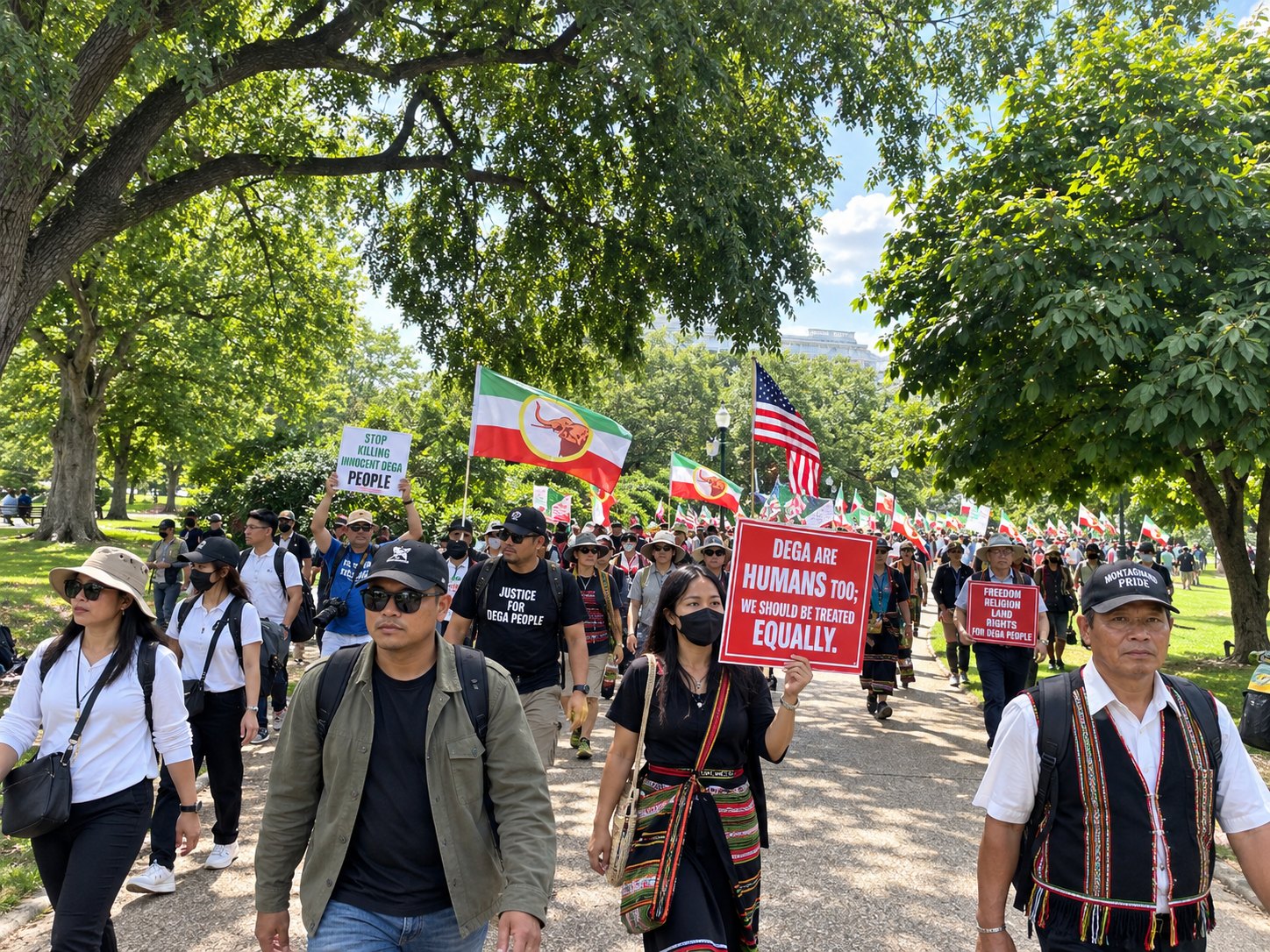
International law offers a people in our position two bodies of rights. One protects minorities. The other protects indigenous peoples, and it goes much further: it deals in land, consent and a people’s own institutions, not only in tolerance. Which one applies to the Dega turns on a single contested word. Vietnam says it has no indigenous peoples. The United Nations bodies that examine it have said, more and more plainly since 2002, that it does, and that we are among them.
The two frameworks, side by side
| Minority rights | Indigenous peoples’ rights | |
|---|---|---|
| Principal instruments | Article 27 of the International Covenant on Civil and Political Rights; the UN Declaration on the Rights of Persons Belonging to Minorities (1992) | The UN Declaration on the Rights of Indigenous Peoples (2007); ILO Convention 169 (1989) |
| Who holds the right | Persons belonging to a minority, as individuals, in community with the others | The people, collectively, as a people |
| Land | Not in the texts; the Human Rights Committee reads article 27 to protect a way of life tied to land | Rights to the lands, territories and resources traditionally owned, occupied or used |
| Consent | Not in the texts; the Human Rights Committee asked Vietnam for consent to projects in 2019 and 2025 | Free, prior and informed consent before relocation and before projects that affect the land (the Declaration); consultation, and relocation without consent only as an exception (ILO 169) |
| Institutions | The right to enjoy one’s culture, practice one’s religion and use one’s language | The right to maintain and strengthen distinct political, legal, economic, social and cultural institutions |
| Self-determination | Not conferred on minorities; the Covenant gives it to peoples | Affirmed, and exercised through autonomy or self-government in internal and local affairs, within the territorial integrity of states |
| Redress | Not in the texts | Restitution, or where that is impossible just, fair and equitable compensation, for lands taken without consent |
The line between the two columns is not sealed. The Human Rights Committee, interpreting a binding treaty, has read the minority article to cover a way of life tied to land, above all among indigenous peoples. But the difference is real. A minority can ask a state to leave its culture alone. An indigenous people can hold a right to the ground under its feet.
What the Declaration says
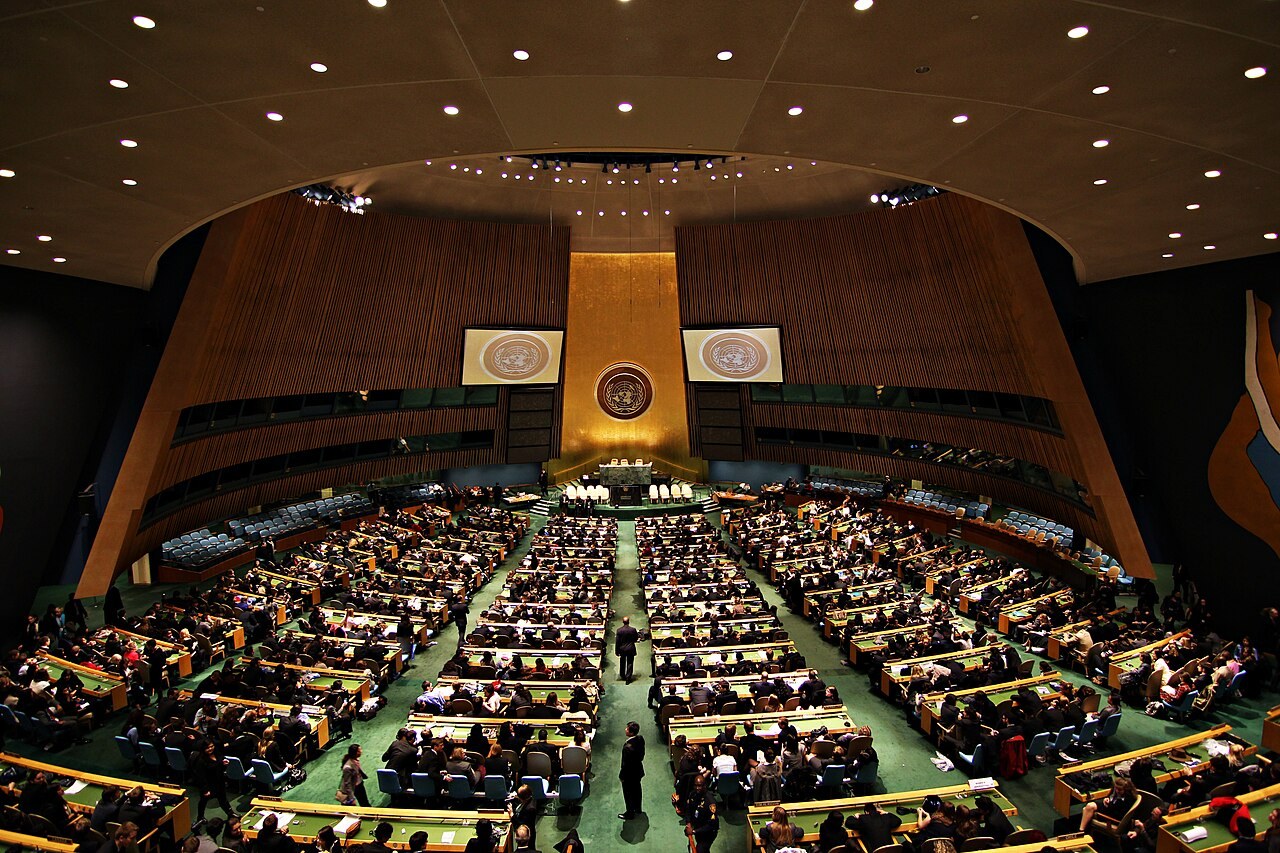
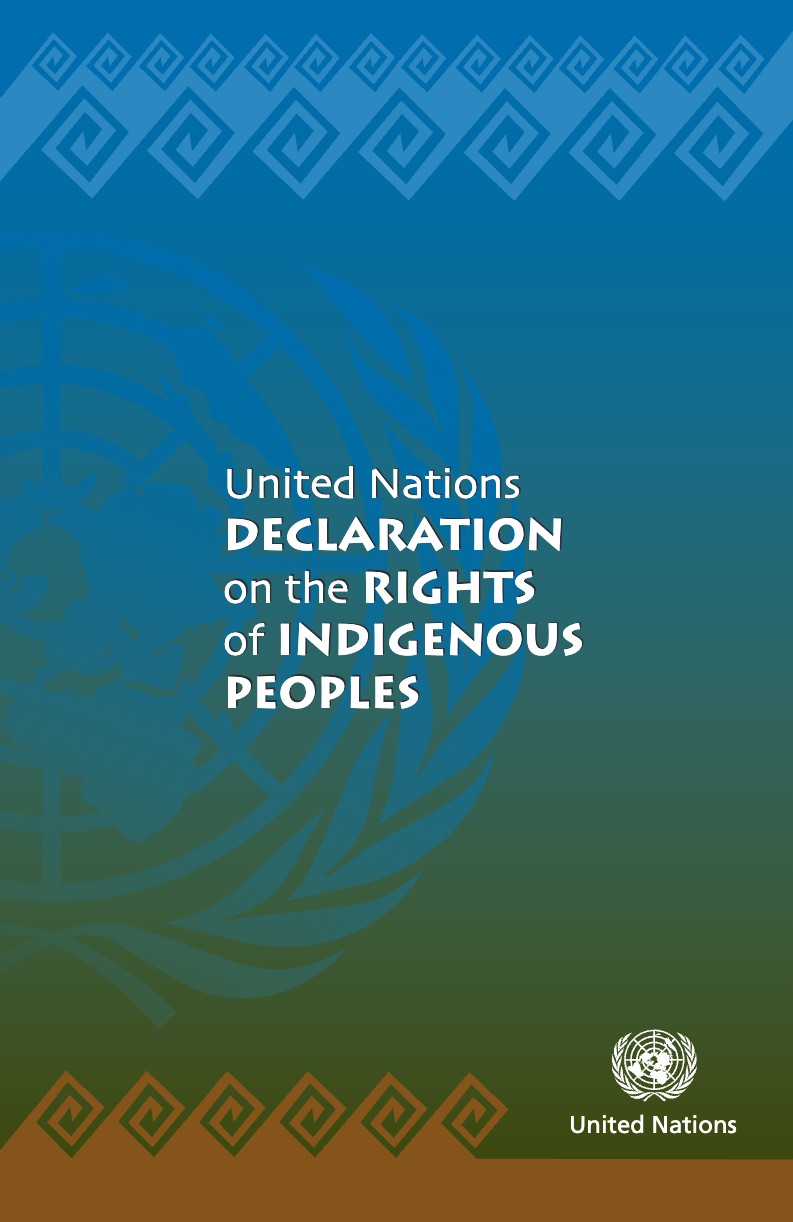
The General Assembly adopted the Declaration on the Rights of Indigenous Peoples on September 13, 2007, by 143 votes to 4, with 11 abstentions. Vietnam voted for it, as did Cambodia, Laos, Thailand, China and India; Australia, Canada, New Zealand and the United States voted against, and later endorsed it. Five of its provisions bear directly on the Central Highlands.
- Self-determination (articles 3 and 4). Indigenous peoples freely determine their political status and pursue their own economic, social and cultural development, and have the right to autonomy or self-government in their internal and local affairs. Article 46 adds that nothing in the Declaration authorizes breaking up a state.
- No forcible removal (article 10). Indigenous peoples shall not be forcibly removed from their lands. No relocation without their free, prior and informed consent, without agreement on just and fair compensation, and, where possible, without the option of return.
- Land and resources (article 26). The right to the lands, territories and resources traditionally owned, occupied or otherwise used or acquired, and the duty of the state to recognize them with due respect for the peoples’ own customs and land tenure.
- Redress (article 28). Restitution or, when that is not possible, compensation for lands confiscated, taken, occupied, used or damaged without consent.
- Consent before projects (article 32). States must consult indigenous peoples through their own institutions to obtain their free and informed consent before approving any project affecting their lands, particularly the use of mineral and water resources.
Read those next to the land article and what happened after 1975. Every element is engaged: removal without consent, land certified to others, no compensation, no return, and mines and dams approved over our heads. See Bauxite and The dams.
.jpg)
What the Declaration is, and is not
It is a resolution of the General Assembly, not a treaty. It creates no obligation a state can be sued on, and Vietnam signed nothing by voting for it. That is a real limitation and we do not overstate it.
But the treaty bodies use it when they interpret the treaties Vietnam has ratified. In 2012 the Committee on the Elimination of Racial Discrimination applied to Vietnam by name its own general recommendation on indigenous peoples, which calls for the return of lands taken without consent. In 2025 the Human Rights Committee told Vietnam to recognize every community that identifies itself as Indigenous, in accordance with the Declaration. States cite it in the Universal Periodic Review, though for Vietnam that record is thin. It is not enforceable, and it is not nothing.
ILO Convention 169 is the binding treaty in this field. Twenty-four states are parties. In Asia only Nepal has ratified it, in 2007, and Fiji in the Pacific. Vietnam has not, and it has turned down every request to: Mexico asked it to consider ratifying in its first Universal Periodic Review in 2009, and in 2024 asked it to recognize Indigenous Peoples by self-identification and ratify the Convention. Vietnam noted the first request and did not accept the second. The Convention covers tribal peoples as well as indigenous peoples, a category that needs no claim to have been first.
Vietnam’s position
Vietnam’s position is that it has fifty-four ethnic groups, fifty-three of them ethnic minorities, and no indigenous peoples, and that the highland peoples are fully protected under the left-hand column of the table above. It has given the United Nations different reasons at different times. In 2012 its delegation told CERD the word indigenous had not been used since independence because of its negative connotations, and that there was no agreement on which groups it would cover. In 2023 it said it spoke of minority people instead, for historical reasons. In 2025 it told the Human Rights Committee that it did not use the term “given the characteristics of the people in question.” At its Universal Periodic Review in 2024 it would not accept a recommendation to recognize Indigenous Peoples by self-identification.
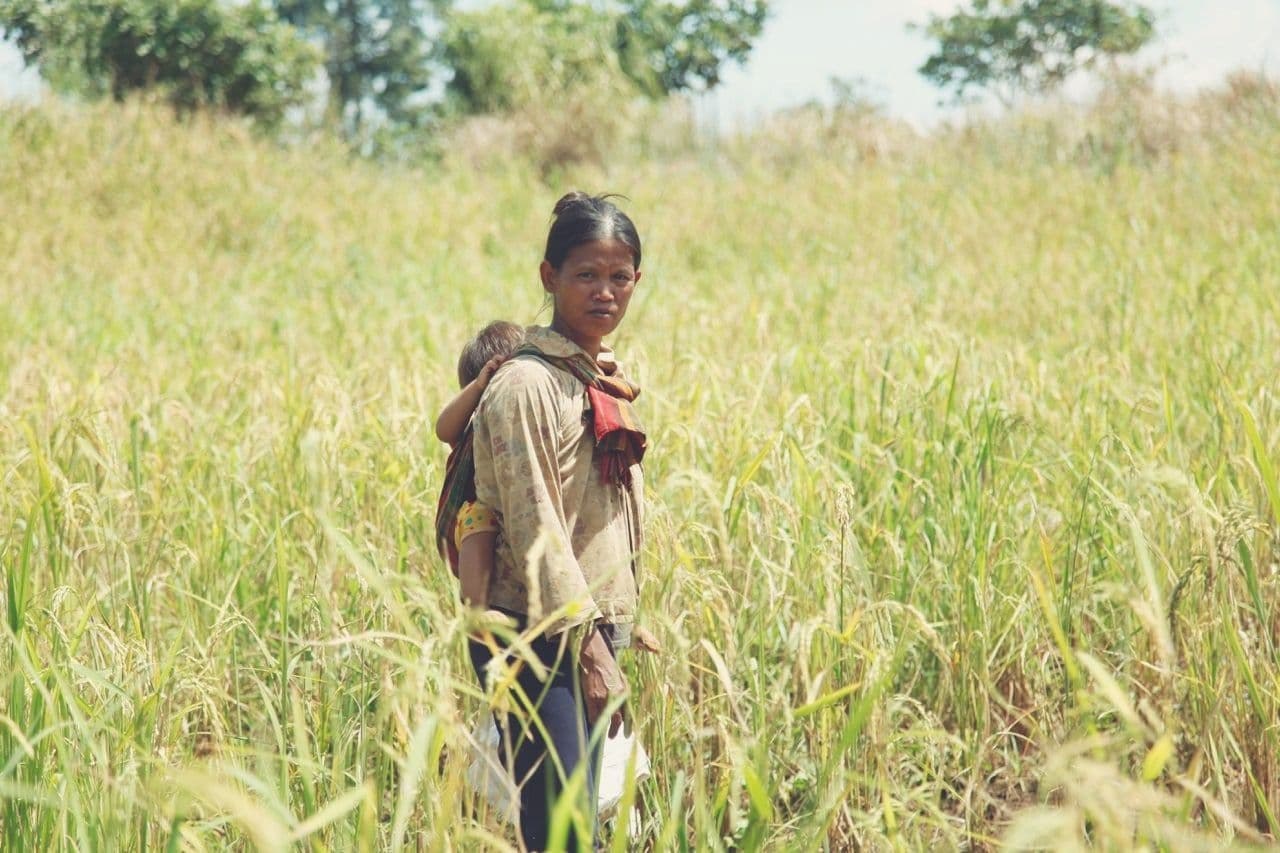
Notice what that position costs the state: nothing. It breaches no treaty. It needs no argument about what happened in the highlands. It removes the applicable law by classification, and it does so in every forum where the question could be put. The same peoples live on both sides of the Cambodian border. The Jarai and the Bunong, whom we call Mnong, are Indigenous Peoples in Cambodia, whose law provides for communal land titles, though by 2023 only 40 of its 488 Indigenous communities had received one. In Vietnam they are ethnic minorities, with no collective title at all. Other Asian governments take the same line as Vietnam in other words: China says it has no indigenous people because it drove out the colonizers, Indonesia that the whole population is indigenous, and Bangladesh that all Bangladeshis are.

The test the word is supposed to meet
International practice has deliberately avoided a hard definition, but the working criteria are consistent. They come from the UN study of José Martínez Cobo in the 1980s, from the working paper of Erica-Irene Daes in 1996, from ILO Convention 169 and from the World Bank’s rules. Put together, they are: self-identification as indigenous, and acceptance by the group; historical continuity with the societies that lived in a territory before colonization or the present borders; a distinct attachment to that territory; distinct social, economic, political and cultural institutions; a non-dominant place in the wider society; and a determination to keep ancestral lands and identity. The list is our synthesis; no single UN text sets out all six.
Self-identification comes first. ILO Convention 169 calls it the fundamental criterion, and CERD, the economic and social rights committee and the Human Rights Committee have all told Vietnam to respect it. On every one of the six our case is plain. The question, as the first UN rapporteur on indigenous peoples put it in 2007, is not who came first but the shared experience of dispossession and marginalization. Vietnam does not argue the criteria. It refuses the category.
The category is applied to us anyway when money is at stake. In projects financed by the World Bank, the plans drawn up under the Bank’s rules treat Vietnam’s ethnic minority peoples as the equivalent of Indigenous Peoples under the Bank’s safeguard policy, with the same criteria. One such plan is in our library.
_(cropped).jpg)
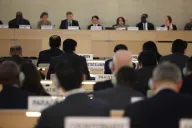
What the United Nations has said about us
- July 1993 — We bring our case to the UN Working Group on Indigenous Populations in Geneva. The session’s official report lists a Montagnard organization among those represented.
- August 2001 — CERD asks Vietnam about reports of population transfer into territories inhabited by indigenous groups.
- July 2002 — The Human Rights Committee is concerned at the lack of information on indigenous peoples, above all the Degar (Montagnard), and at serious violations of their rights, and asks that monitors be allowed into the Central Highlands.
- August 2007 — Three weeks before the Declaration is adopted, Stavenhagen tells the General Assembly that the Degar (Montagnard) and Hmong peoples still suffer repression for their part in the Cold War.
- March 2012 — CERD notes Vietnam’s reluctance to discuss recognizing indigenous peoples, asks it to respect the self-identification of the Khmer Krom and the Degar (Montagnard) and to consider ratifying ILO 169, and calls for measures to safeguard indigenous rights over ancestral lands.
- November 2014 — The Committee on Economic, Social and Cultural Rights calls self-identification a fundamental principle of the Declaration, asks Vietnam to let people identify as belonging to an indigenous people, and to ratify ILO 169.
- March 2019 — The Human Rights Committee is concerned that Vietnam does not recognize its indigenous peoples and asks for consultation to obtain their free, prior and informed consent to projects on their land.
- November and December 2023 — CERD asks whether Vietnam will accept that indigenous peoples exist on its territory, raises the confiscation of their lands and asks about ILO 169, which the delegation does not answer. Its concluding observations name the Montagnards among the Indigenous Peoples Vietnam will not discuss recognizing.
- August 28, 2024 — Fourteen UN experts, among them the Special Rapporteurs on the rights of Indigenous Peoples and on minority issues, condemn the misuse of counter-terrorism law against the Montagnards, whom they call Indigenous Peoples, and say the targeting of their defenders may violate their right to self-determination.
- July 2025 — The Human Rights Committee remains concerned that Vietnam does not recognize the Indigenous Peoples in its territory, and tells it to create a legal framework recognizing all communities who identify themselves as Indigenous Peoples, in accordance with the Declaration.
Each of these is set out, with its document, on What the United Nations has said. The finding of November 2023 is also on What Vietnam has signed.
The machinery that exists
- The Permanent Forum on Indigenous Issues, an advisory body to the UN Economic and Social Council, set up in 2000, which has met every year in New York since May 2002 and is open to indigenous organizations.
- The Expert Mechanism on the Rights of Indigenous Peoples, set up by the Human Rights Council in 2007, seven independent experts who advise the Council, write studies on questions such as consent, and since 2016 can work with individual countries.
- The Special Rapporteur on the rights of Indigenous Peoples, a post created in 2001, who receives complaints about particular situations, writes to governments and can ask to visit a country. We know of no visit to Vietnam by a rapporteur on indigenous peoples. In 2025 the rapporteur reported to the Council on how states recognize Indigenous Peoples; Vietnam sent no contribution.
- The treaty bodies, above all CERD, which has had an early warning and urgent action procedure since 1993 for situations such as encroachment on the lands of minority communities. As far as we know it has never used it for Vietnam.
- The special procedures, the independent experts who can write to any government at any time, as fourteen of them did about us in 2024.
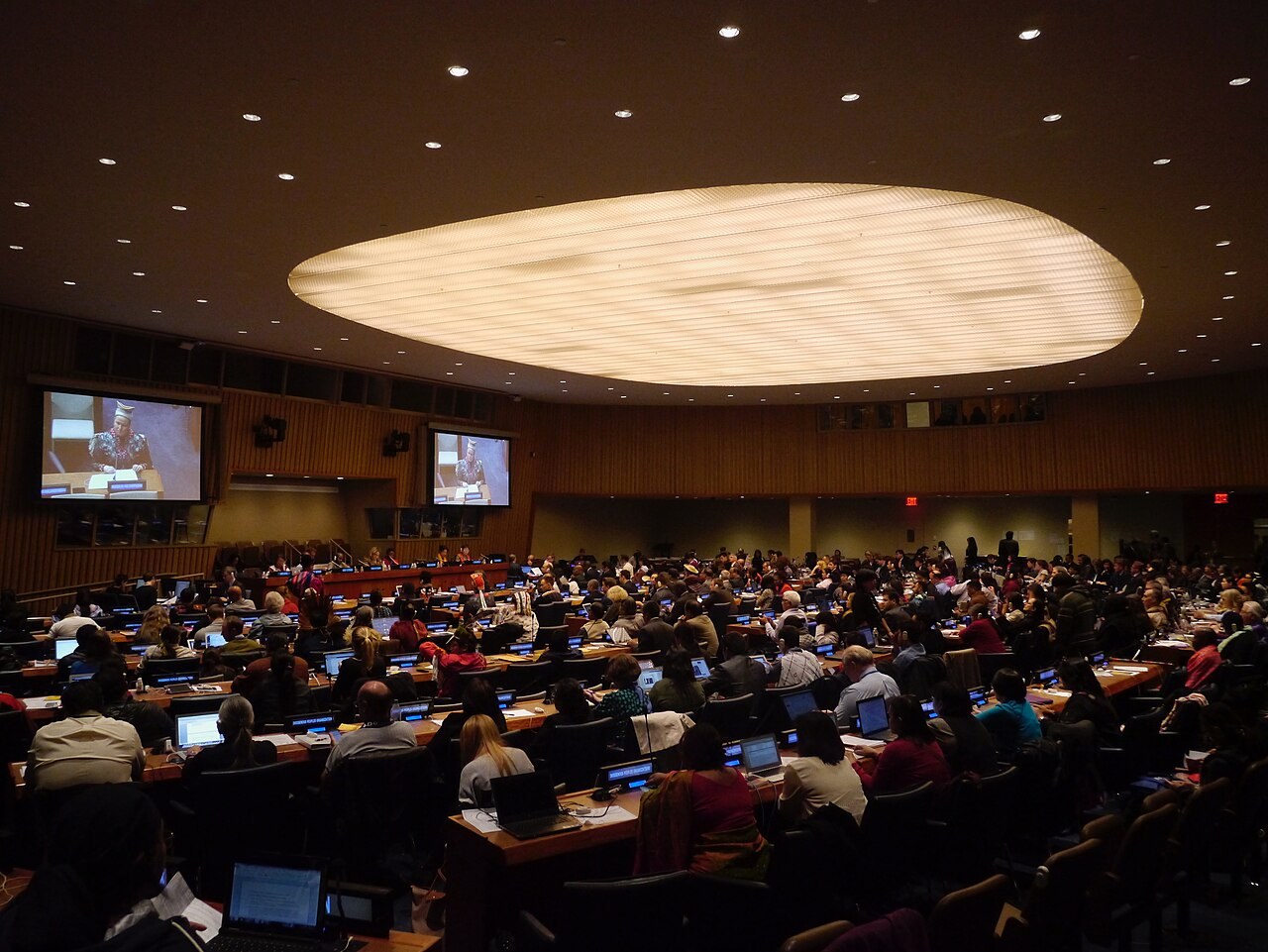

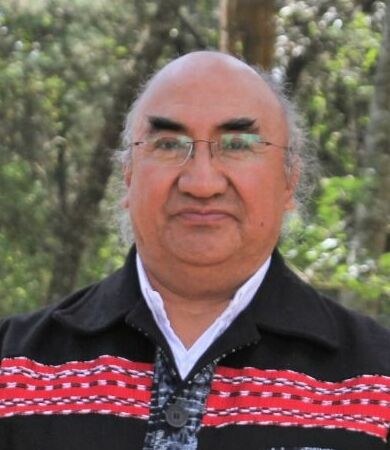
None of these can compel Vietnam to do anything. What all of them can do is put a question on the record and require an answer, and answers become evidence. That is the whole of our method and we do not pretend it is fast. Our people have taken part: we were at the Working Group in 1993, and young Degar Montagnards were trained at the Permanent Forum and met the rapporteur’s office in 2011. From 2003 to 2016 the Montagnard Foundation represented the Degar in the Unrepresented Nations and Peoples Organization.
_(cropped).jpg)
Why this page sits next to an article about names
Because it is the same argument. Who are the Dega looks like a page about vocabulary: Mọi, Montagnard, người Thượng, Dega. It is not. Each of those words is a position on which of the two columns above applies to us, and the difference between the columns is the difference between asking a state to be tolerant and holding a right to the ground under our feet.
See also Vietnam and the Declaration.
What we do not know. What Vietnam said, if anything, when it voted for the Declaration in 2007. Whether Vietnam has ever answered the question about ILO 169 in a UN summary record. The paragraph numbers of CERD’s findings of December 2023, which we have read only as others quote them. What the Special Rapporteur’s 2025 report on recognition says about states that deny having indigenous peoples. Whether any Dega organization has spoken in its own name in a plenary of the Permanent Forum or the Expert Mechanism.
Sources
- United Nations Declaration on the Rights of Indigenous Peoples, A/RES/61/295, adopted September 13, 2007, in our library — articles 3, 4, 8, 10, 26, 28, 32, 33 and 46; UN Digital Library, voting record of the resolution
- ILO Convention No. 169 concerning Indigenous and Tribal Peoples in Independent Countries (1989), articles 1, 6, 14 and 16; ILO, list of ratifications, and press release of September 19, 2007, on Nepal
- International Covenant on Civil and Political Rights, articles 1 and 27; Declaration on the Rights of Persons Belonging to National or Ethnic, Religious and Linguistic Minorities (1992); Human Rights Committee, General Comment 23 (1994); CERD, General Recommendation 23 (1997)
- CERD, concluding observations on Viet Nam, CERD/C/VNM/CO/10-14 (2012) — paragraphs 12, 15 and 16, on the Degar, self-identification, ancestral lands and ILO 169; OHCHR, press summary of the CERD dialogue of February 22, 2012 — Vietnam’s reasons
- OHCHR, CERD dialogue with Viet Nam, November 2023; CERD/C/VNM/CO/15-17 (December 27, 2023), as quoted by the UK Home Office, Country Policy and Information Note: Vietnam, Ethnic and religious minority groups (December 2024)
- Human Rights Committee, CCPR/CO/75/VNM (2002), paragraph 19; CCPR/C/VNM/CO/3 (2019), paragraphs 55 and 56, in our library; CCPR/C/VNM/CO/4 (2025), paragraphs 54 and 55; OHCHR, summary of the dialogue of July 8, 2025; Committee on Economic, Social and Cultural Rights, E/C.12/VNM/CO/2-4 (2014)
- Universal Periodic Review of Viet Nam: A/HRC/12/11 (2009); A/HRC/57/7 (2024), recommendations 42.309 to 42.311; UPR Info database — the responses
- Rodolfo Stavenhagen, Special Rapporteur, report to the General Assembly A/62/286 (August 21, 2007), paragraphs 23, 44, 47 and 55; Erica-Irene Daes, working paper on the concept of indigenous people, E/CN.4/Sub.2/AC.4/1996/2
- OHCHR, press release of August 28, 2024, “Experts condemn misuse of counter-terrorism law against Montagnards in Viet Nam”; UN Department of Economic and Social Affairs and OHCHR pages on the Permanent Forum, the Expert Mechanism and the Special Rapporteur; OHCHR, call for contributions to report A/HRC/60/29 (2025); OHCHR, CERD early warning and urgent action procedure
- International Work Group for Indigenous Affairs, Vietnam country page — on Vietnam’s position that it has no indigenous peoples; IWGIA, The Indigenous World 2024: Cambodia; Christian Erni, ed., The Concept of Indigenous Peoples in Asia (IWGIA and AIPP, 2008) — China, Indonesia, Bangladesh
- World Bank, Ethnic Minorities Development Plan: Quang Ngai Subproject (2017), in our library
- UN Working Group on Indigenous Populations, report of the eleventh session, E/CN.4/Sub.2/1993/29 (1993); Unrepresented Nations and Peoples Organization, Degar Montagnards member page and report of May 2011
Compiled September 2026. This page states the law as we understand it and is not legal advice. If you are a lawyer and we have gotten something wrong, we would very much like to hear from you.