




























We let the French in. Most of our villages received them, between 1891 and 1899, as men who had come alone, who promised protection against the Lao and Siamese raiders from the west, and who had just taken the coast from the power that had taken it from us. The reasoning was not naive, and for a while it held. What we got over the next thirty years was a commissariat, a head tax, a corvée for roads, a series of punitive columns, one administrator who tried to keep the plateau for us and was removed for it, and then the plantations, the settlers and the name Montagnard. This page tells how the French came, from three sides and in three kinds, what they said they were doing, and what happened in the Darlac in 1926 when the land became worth taking.
From three sides
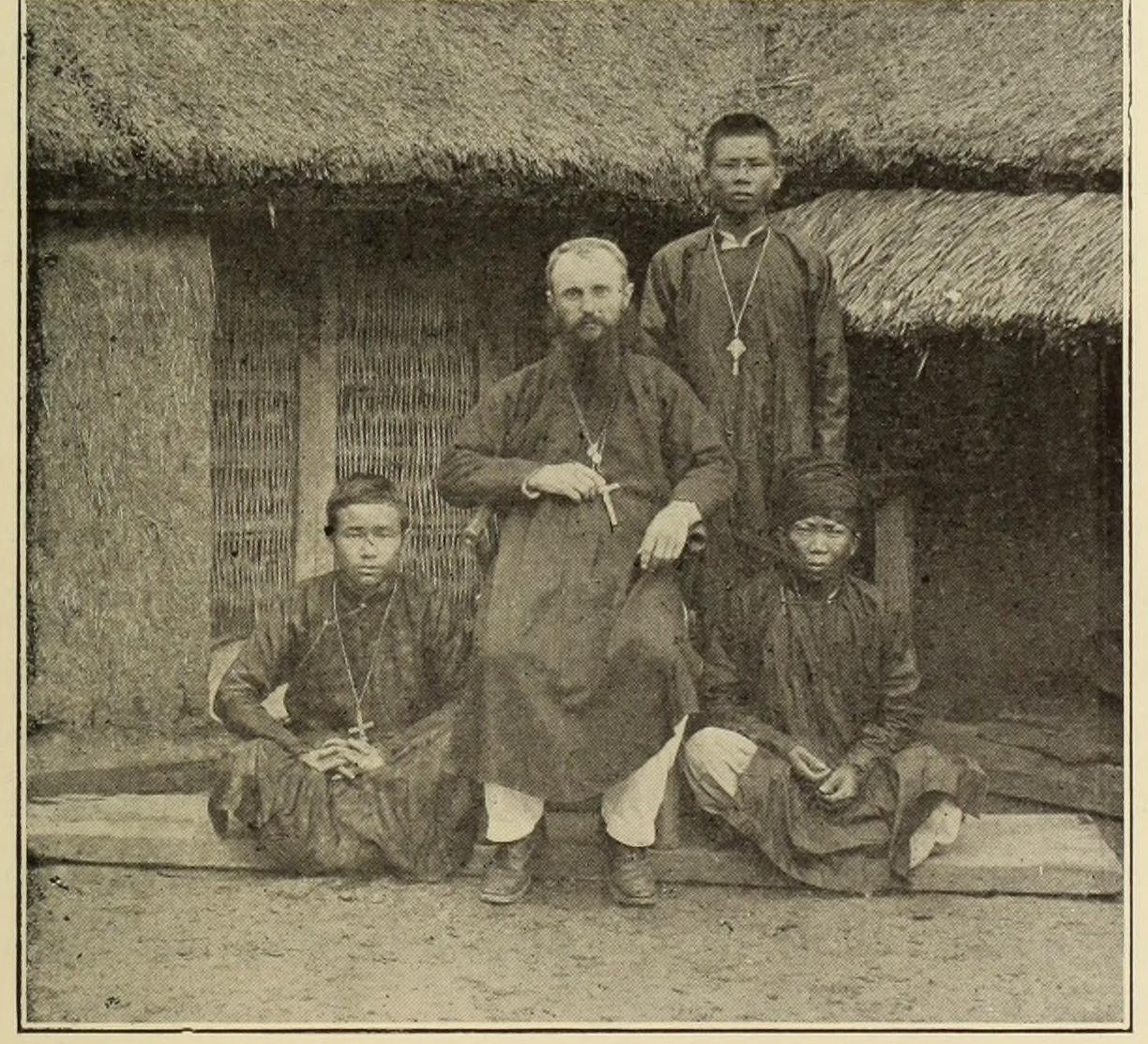
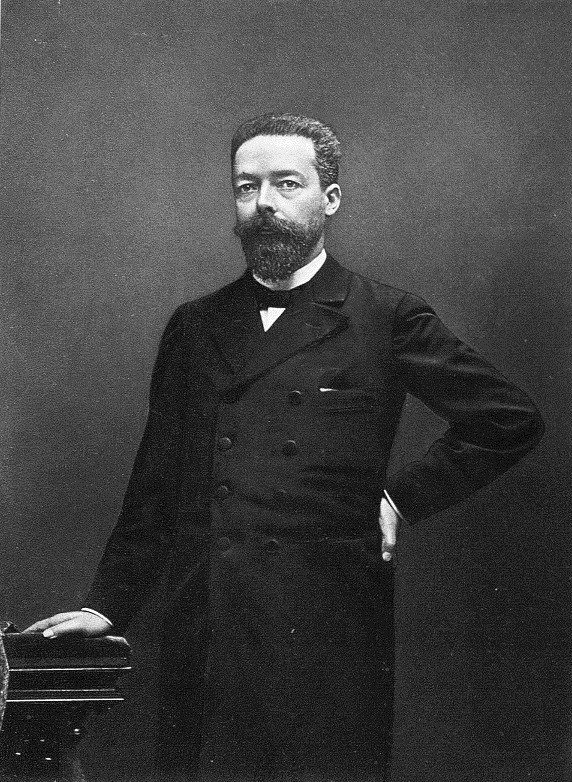
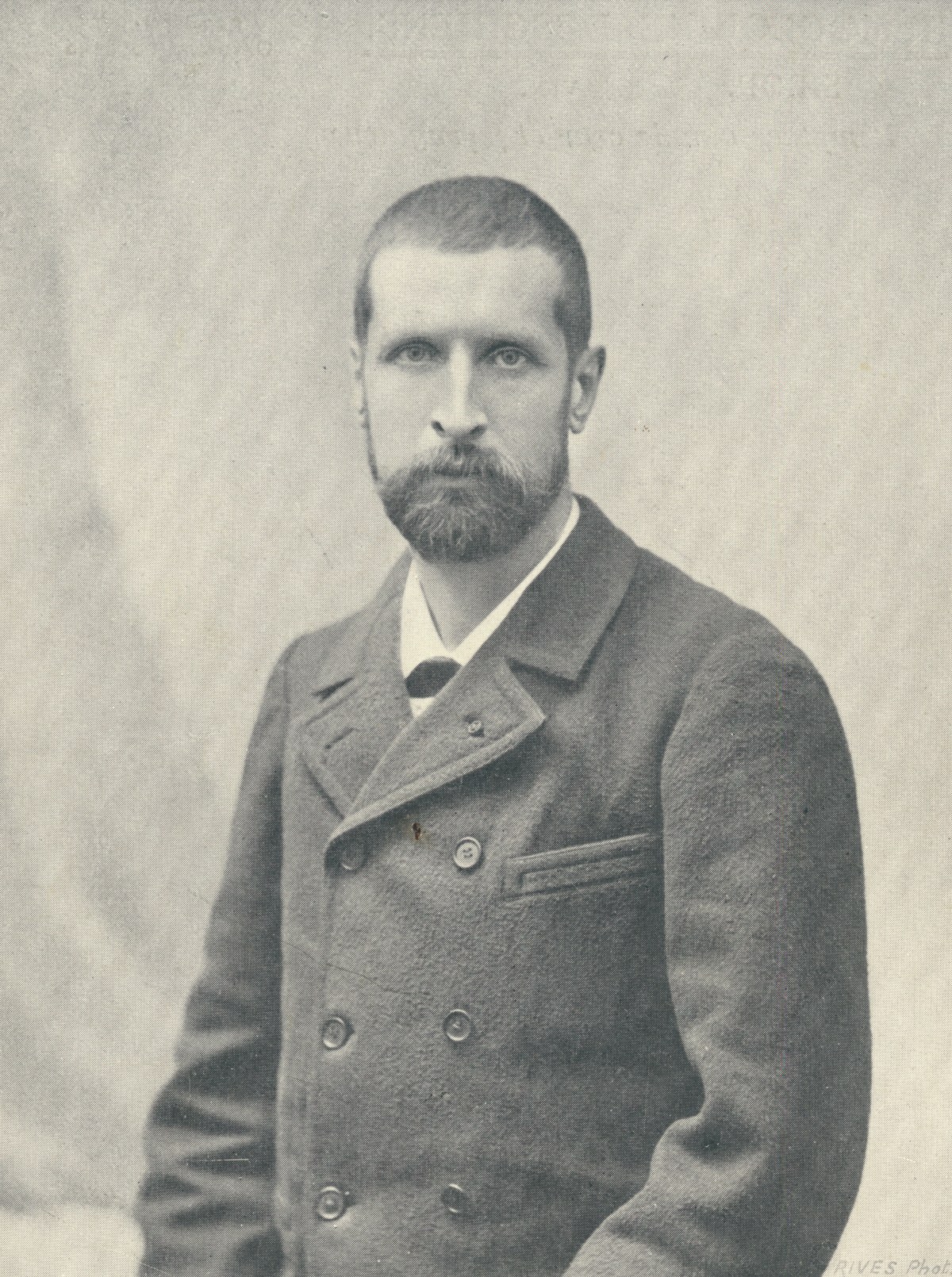
French penetration of the highlands was not a campaign. It came from three directions over twenty-five years, and it came as missionaries, then explorers and naturalists, then officers with a few militiamen, then administrators with a tax roll, in that order. From Saigon, after the French took the Mekong delta in 1859 and the Stieng and Chrau rose against them, exploring parties went up into the country behind Bien Hoa and Ba Ria: the doctor Paul Néis among the Stieng and Maa in 1880, Septans and Gautier in 1881 and after, the administrator Nouet. Néis set the tone that every administrator would repeat for fifty years; he found the highlanders apathetic and announced, in 1880, that they were a people about to disappear. From the coast of Annam, the Kon Tum mission was the door, and the mission had been at war on its own account: in 1885 the Jarai of Plei Djuh attacked the caravan of the explorer Navelle on the way up, killed a man, wounded four and looted the convoy; in 1887 Father Guerlach, robbed by the same Jarai with a French lieutenant, called every village that wanted to be his friend and raised twelve hundred armed men, the greatest number, Cupet wrote, that any highlander could remember obeying one man, and marched them against a Jarai village without a shot, unarmed, on horseback at their head, so that the word went round that a spirit lived in his body and made him invulnerable. In 1888 the adventurer Mayréna came up through the mission and was made king of the Sedang, an episode with its own page (see The Kingdom of the Sedang). And from the west, from the Mekong, came the third and most serious pressure, which was not French at all. In the 1880s Siam, which ruled Laos, was pushing its claims east into the mountains: a base at Veunsai on the Se San, bands of Lao from Attopeu levying rice in the Sedang and Halang villages, and at Ban Don on the Srepok a chief, Y Thu, the Khunjunob, who held a Siamese mandarin’s title for having sent a white elephant to Bangkok, and over whose village, the doctor Alexandre Yersin noted when he passed in 1892, the Siamese flag flew. The French came into the highlands to get there before Siam did. That is the plain reason, and it explains the manner of their coming.
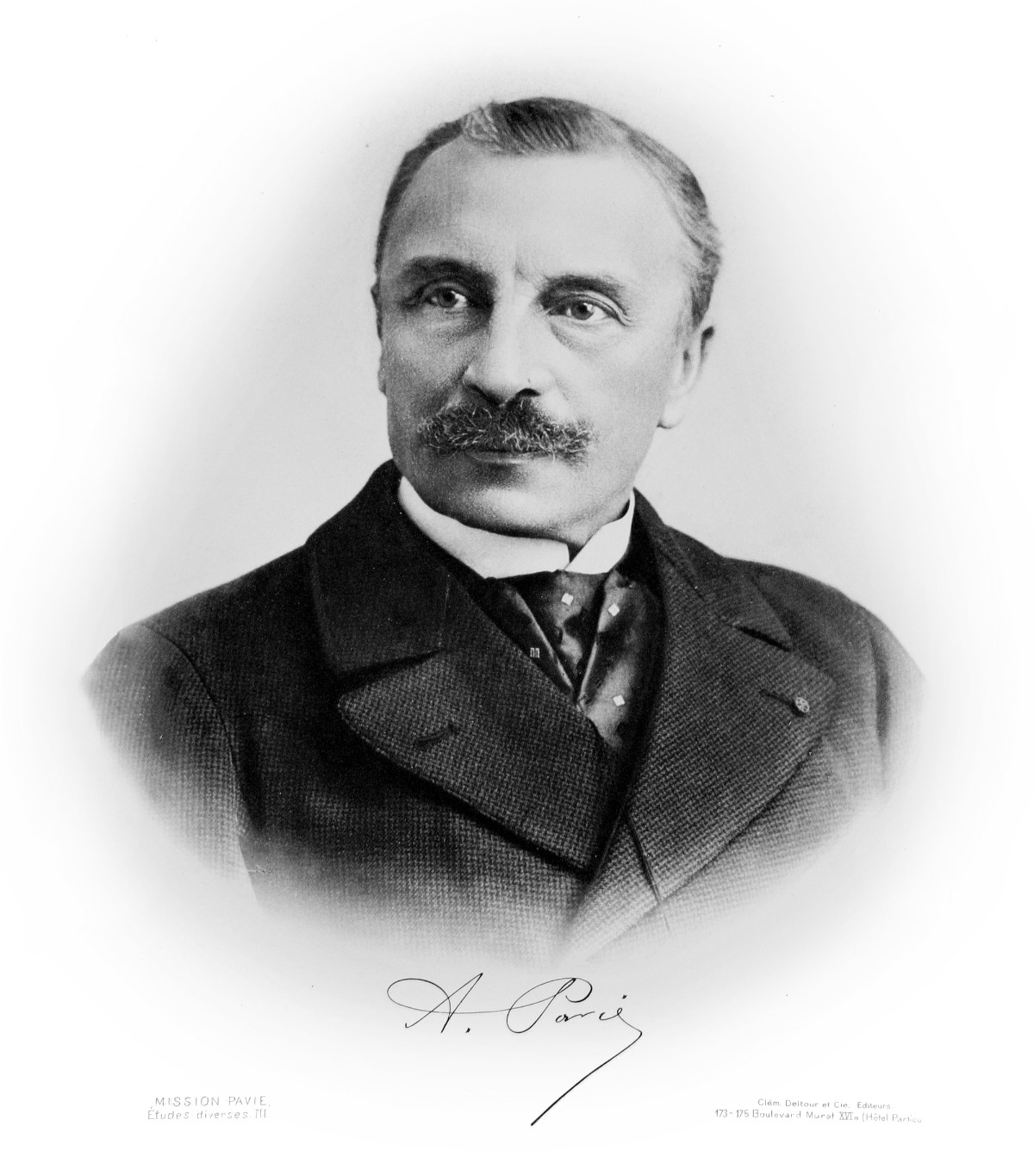

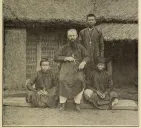
Captain Cupet, 1891
The Mission Pavie was a French surveying and diplomatic expedition that mapped Laos between 1879 and 1895 and secured the left bank of the Mekong for France, and in 1890 one of its officers, Captain Pierre Cupet of the zouaves, asked the governor-general for the means to survey the “independent savages” between the Mekong and the coast. He wrote ahead to the Kon Tum mission, and from Kon Ketou on September 23, 1890, Father Guerlach, acting superior, wrote back a letter that Cupet printed in full, because, he said, it showed what elevated and patriotic sentiments animated the missionaries:
Vous avez bien fait de compter sur le patriotisme des missionnaires établis chez les Bahnars-Rongaos. Le rôle que j’ai rempli lors de l’expédition Mayrena vous dit assez combien je suis disposé à mettre au service de la France mon concours le plus complet. Je ne crois pas trop m’engager en vous promettant de mettre absolument à votre service l’influence et les ressources dont je dispose. […] Je préviendrai les villages que vous pouvez rencontrer sur votre route d’avoir à vous prêter assistance.
You were right to count on the patriotism of the missionaries; I will put absolutely at your service the influence and the resources I have; I will warn the villages on your road to give you help. He added that the regions to the south and west were largely unknown to the mission, advised quinine, and promised “an honest and cordial welcome.” That letter is the moment the mission’s forty years of knowledge went to the army, and Guerlach signed it gladly.
Cupet left Kratie on January 22, 1891, with ten Cambodian militiamen, six elephants and ox carts, and reached Ban Don on February 6. The Khunjunob, “the son of a Lao and a Mnong woman,” whose face, Cupet wrote, showed finesse and cunning, had been warned by the Siamese and refused him guides, information and even a boat to cross the river. “The Rhade,” he said, “are resolved to make war on anyone who goes to them. They have already refused passage to the Lao. If I help you, my village will be looted and all its people taken as slaves. You are too few to fight or to defend me. The Rhade are more than ten thousand. Better go back where you came from.” Cupet went on anyway, north through Rhade country to the Jarai of the Ba, where he met the King of Fire on February 14 and was told to his face that the French had stopped the gifts the kings of Cambodia had sent for centuries (see The Kings of Fire and Water). A Jarai notable on the road, who knew already that the Siamese were preparing to come and that Farangs were traveling the country to take it, asked him what would become of his village, “assuring me that, until now, the inhabitants had never obeyed anyone, never paid any tribute.” At Kon Tum in March he found the mission and drew his lesson from it: the Bahnar, Rengao and Sedang villages, Christian and pagan, had organized themselves into a confederation and elected a chief, the internal wars had stopped, and “civilization has a chance of making faster progress in this country than the faith, because its results are more immediate and more material.” Guerlach, thirty-seven, from Metz, “the rifle in one hand and the breviary in the other,” embraced him at parting: “Captain, you represent France here; that is to say that you can count on us.”

Then the Siamese came. Word reached the mission that a column under a Siamese mandarin was forming on the lower Se San to take the country up to the watershed, and that Lao bands from Attopeu were three or four days off; the villages, frightened, came to Guerlach to ask for protection. A telegram from the Résident supérieur in Annam, carried up by one of Guerlach’s Vietnamese, told Cupet that the column of Luang Sakhon, about a hundred men, had left Stung Treng on February 23 for Ban Don with orders to reach the watershed by force if need be, and instructed him to concert with the missionaries and the highlanders to stop it. He had four men left. He walked, with his interpreter and two servants, three hundred and twenty kilometers in twenty days, guides and coolies deserting as he went, and at Plei Thoung Ha Lom on the way a delegation of several villages came to ask his protection against the Lao bands, who were said to be requisitioning rice, and some notables offered to fetch Guerlach’s twelve hundred warriors. On March 22, 1891, he walked into Luang Sakhon’s armed camp at Ban Don and put the case in words we should keep:
J’ai demandé aux sauvages s’ils ont jamais, dans le passé, obéi ou payé tribut aux Laotiens. Tous […] m’ont répondu négativement. Vous revendiquez comme frontière la ligne de partage. Or, le chef de Ban Don, ici présent, vous dira qu’hier encore il était sujet des rois du Cambodge. […] Les Rades nous ont refusé le passage. Dans le Sud, les Bis et les Tios tiennent les Laotiens pour leurs pires ennemis. […] Dans le Nord, tous les villages que j’ai traversés ont réclamé ma protection contre les Laotiens, dont ils se refusent à reconnaître l’autorité. Enfin, les grands sorciers du feu et de l’eau sont avec nous. Voici leurs bracelets.
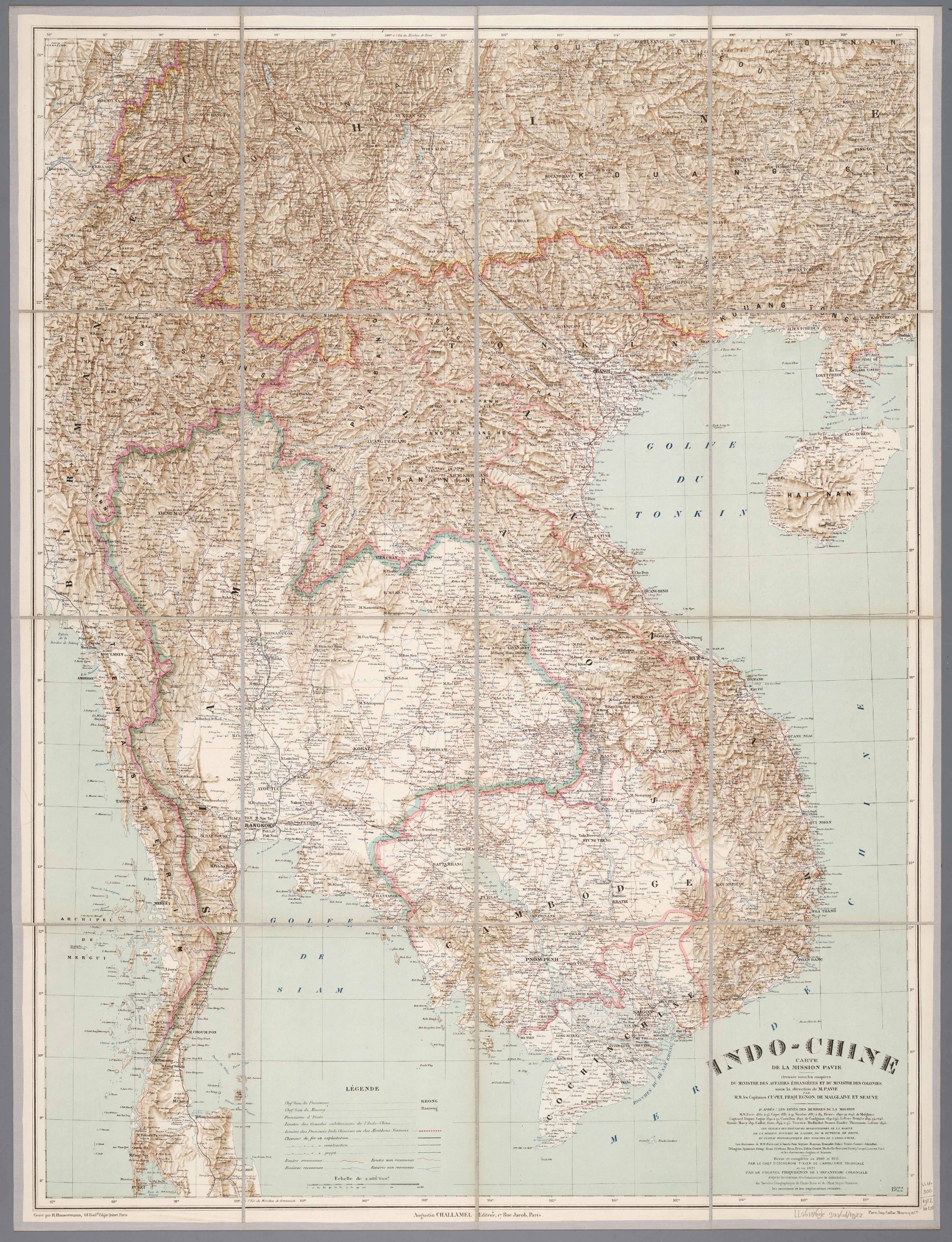
I asked the highlanders whether they had ever obeyed or paid tribute to the Lao; all said no. The chief of Ban Don, here present, will tell you that yesterday he was still a subject of the kings of Cambodia. The Rhade refused us passage; in the south the Bih and the Chil hold the Lao for their worst enemies; in the north every village I crossed asked my protection against the Lao. And the great sorcerers of fire and water are with us: here are their bracelets. Luang Sakhon said he had come only to levy tribute on the villages subject to the Lao; Cupet answered that in that case his task would be quickly finished, because he would not tolerate a single village to which he had promised French protection paying tribute, and proposed the status quo until the frontier was settled. The Siamese chief agreed. That evening the column crossed the Se Bang Kan, three hundred and seventy Lao, twenty-two Siamese soldiers, seventeen elephants and ten horses, and turned back. Pavie wrote that the villages, which had waited without confidence, learned of the retreat “with the most profound stupefaction,” and that it was “useless to say the considerable effect produced on the populations by this act.” Cupet himself wrote that the arrangement “was to have the happy result of showing the highlanders what a Frenchman’s word was worth.” In late April Cupet, his fellow officers and Guerlach rallied two hundred Halang warriors against Luang Sakhon south of Kon Tum near Dak Rode; the Siamese commander retreated toward Attopeu, died on the way, and his men dispersed. Two years later, in July 1893, French gunboats lay off the royal palace at Bangkok, and the treaty of October 3, 1893, gave France the left bank of the Mekong. On the 1:1,000,000 map of Indochina that Cupet, Malglaive and Friquegnon published in Paris that year, the highlands were filled in for the first time, except one blank south of Cupet’s road from Ban Don to the coast, marked inexploré.

Why we welcomed them
That is why most of our villages received the French. Cupet came alone, and Pavie noted that the highlanders, who had expected him “followed by a numerous troop,” were reassured for the future by his coming so. He stopped a Lao column with his word. The villages that had been paying rice to Attopeu, and the villages of the Sedang, Jeh and Halang country that had been losing children to the Lao slave markets for a century, asked for French protection and got it, in writing, on the spot (see The slave raids). The French, moreover, had just taken the coast from the power that had taken it from us, and it was reasonable to hope that the new masters of the lowland would have no particular interest in continuing the old masters’ expansion into the hills. Cupet ended his report with a prediction and a program. France, he wrote, would meet in the highlands “no resistance, neither rebels nor pirates, but populations desirous of escaping all sorts of tyrannies by placing themselves under the aegis of a great nation.” A nation like France, he said, could not let slavery go on at its doors. And the European must put himself at the head of the movement: he must try stock-raising and introduce, “on the immense plateau I have crossed, certain European crops, like wheat and the potato, or exotic ones, like coffee, cotton, the mulberry”; people complained that Indochina was only a colony of exploitation with no room anywhere for a colony of settlement; “this would be one, and among the best. Climate, soil, ease of communication, outlets, everything agrees to attract the settler.” The welcome and the plantations are in the same chapter. We did not read the chapter; the French did.
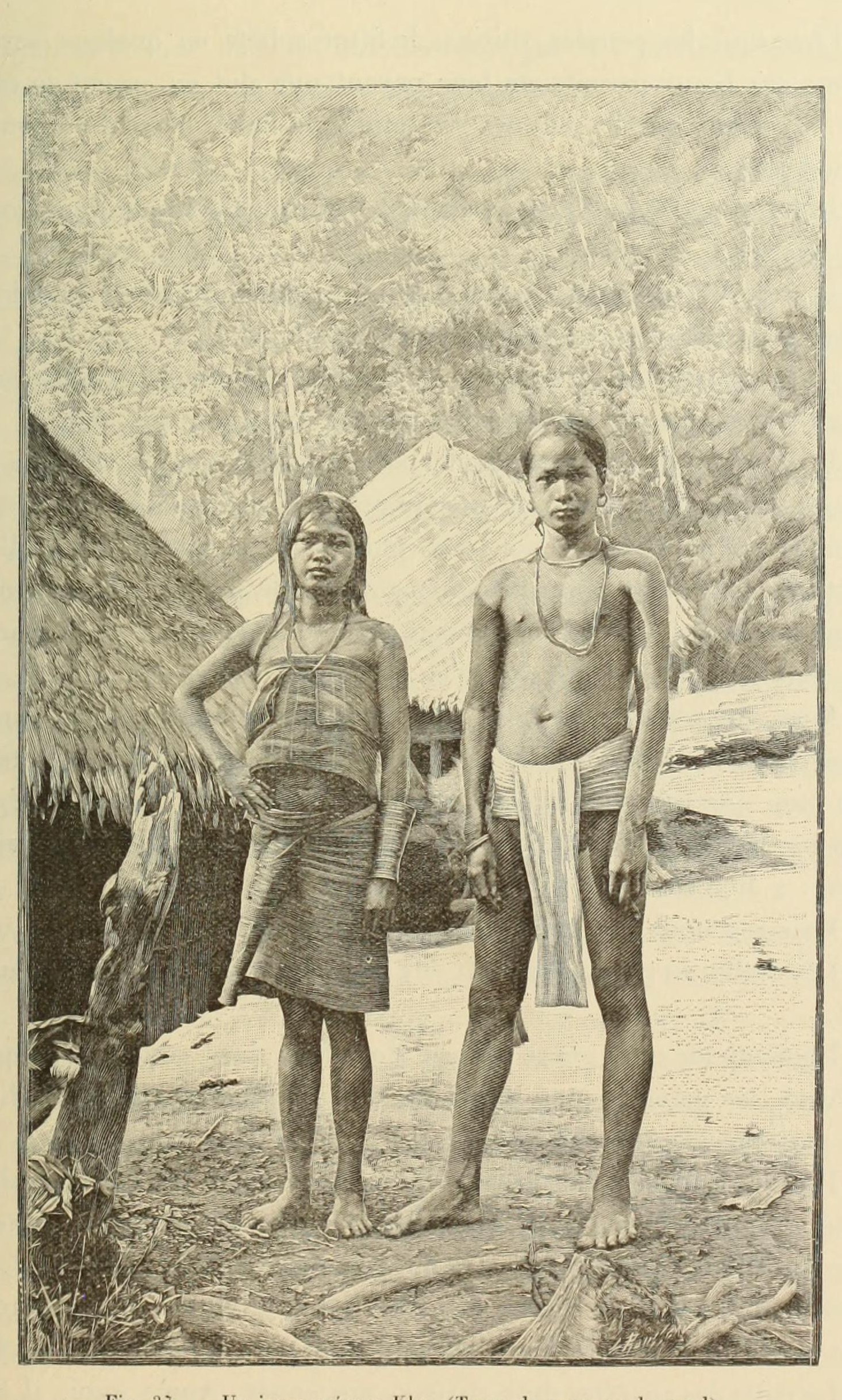
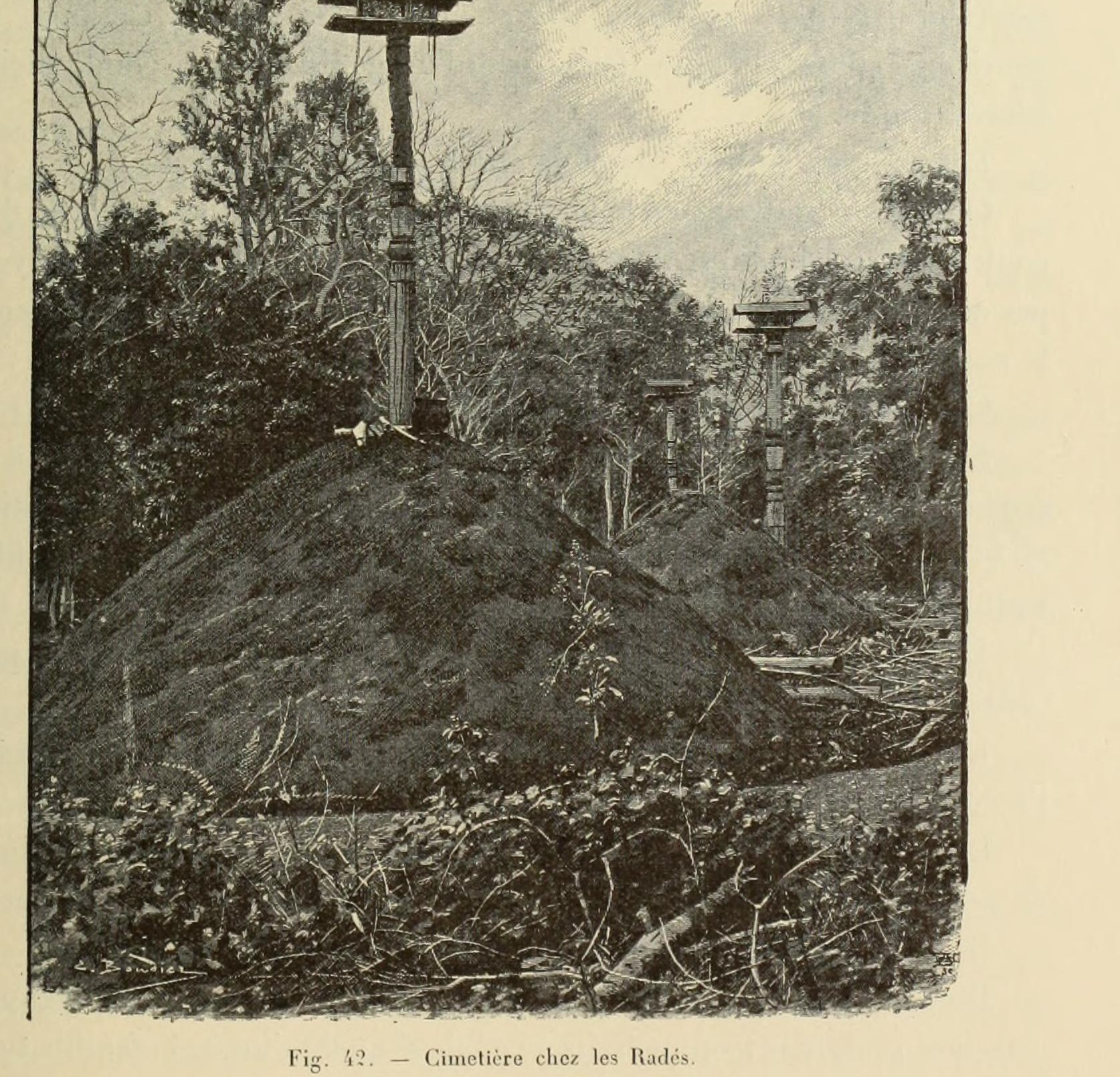
Not every people welcomed them, and the ones that did not were the ones the French would remember. The Rhade of Ban Don had refused passage to Lao and French alike. The Jarai, who had never paid tribute to anyone, routed the French commissioner Frébault when he came into their country from Stung Treng with an escort in December 1894, and it took a larger column, in January 1897, to break them and burn the Fire King’s village. The Sedang attacked the militia post near Kon Tum on the morning of May 17, 1901, a hundred warriors, and mortally wounded the Frenchman Robert and several Vietnamese guards; they attacked Father Kemlin’s residence at Dak Drei three times that November under the chief of the village, and in March 1902 a column had to come from Attopeu, in Laos, with Kemlin as interpreter, to make peace, and burned his church behind it. The Boloven rose in 1901, and the Bih, some Jarai and Sedang villages, the Brao and the Alak were, in Guérin’s words, “in open rebellion against France.” On April 7, 1904, the Fire King’s people killed the administrator Prosper Odend’hal, who had come without an escort to ask for the King’s submission and to see the saber; the militia commander at Cheo Reo burned Plei Me in reprisal, a column under Vincilioni reached the Fire King’s village on May 8 and stayed until November, and the two Kings hid. In 1905 a Rhade of a poor family that had known slavery, Me Sao, set himself up as a “king of the Moï” in the hills between M’Drak and Ban Me Thuot and raided for slaves with the connivance, it was said, of the mandarins of Phú Yên and Khánh Hòa, until his own followers handed him over. The Jarai raids and the punitive columns went on for years; in 1909 the administrator Guénot marched against Plei Tur, beside the Fire King’s own village, and a fortified militia post with a double palisade and deep ditches was left there. And in the far south the Mnong of the Plateau des Herbes killed Henri Maître in 1914 and kept the French out for twenty years (see N’Trang Lơng and the Mnong resistance). The welcome was real. So was the refusal. They were given by different peoples, and sometimes by the same people a few years apart, once the tax collector followed the captain.
The posts, 1895–1913
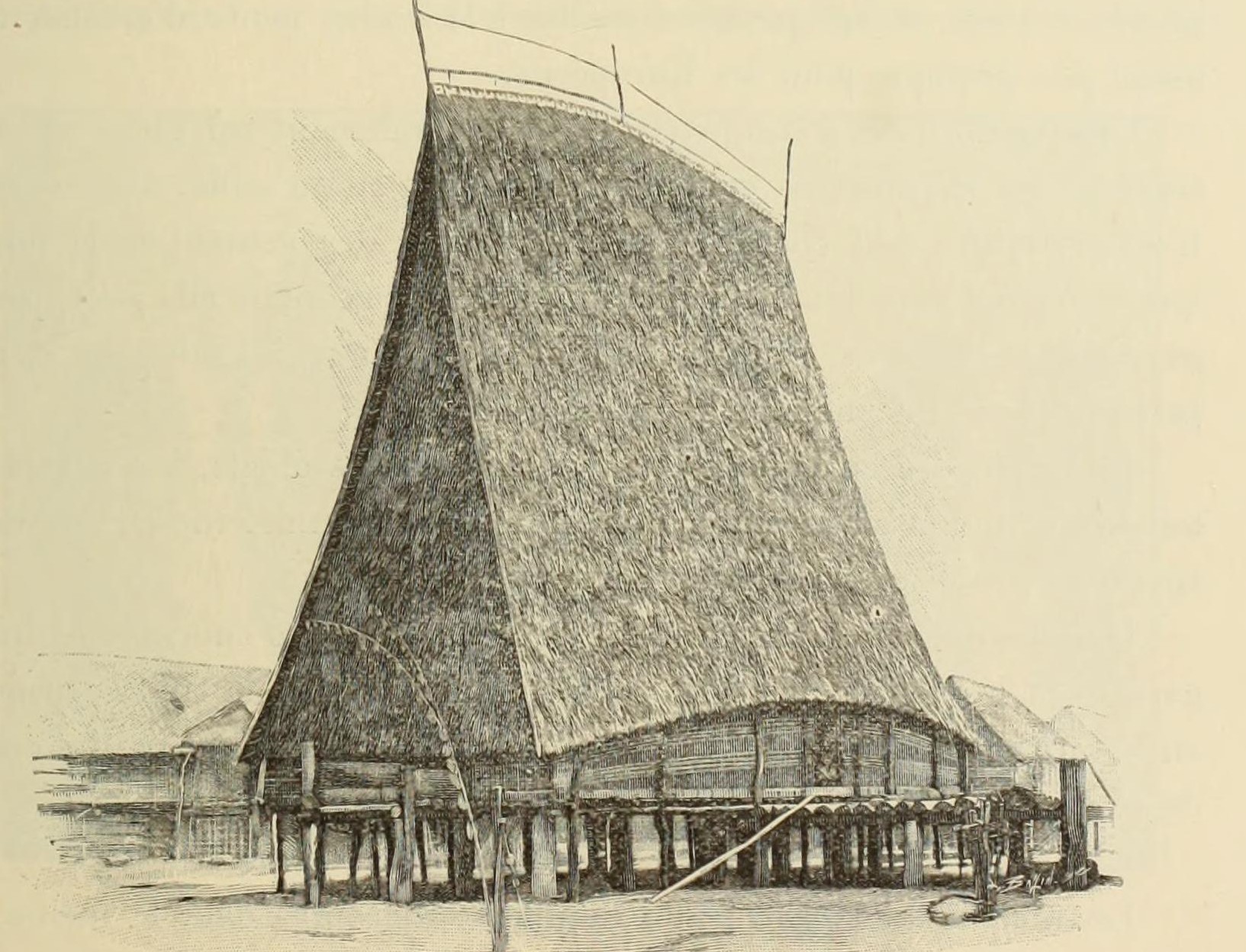
The administration came in by decree, from the Lao side first. In 1895 the Kon Tum mission was attached to Lower Laos and the mission’s confederation of villages was dissolved; in 1898 Colonel Tournier, commanding in Lower Laos, asked Father Vialleton, the superior, to be his delegate at Kon Tum, and administrators at Attopeu and Stung Treng began mounting expeditions to learn the hinterland. Paul Doumer, governor-general from 1897 to 1902, reorganized Laos in 1899, and by an order of November 2, 1899, whose terms Guérin calls “very vague,” created the commissariat of the Darlac under the Résident supérieur in Laos. The commissioner Bourgeois installed the post that year not at a Rhade village but at Ban Don, beside the Khunjunob, in order, Guérin says, to profit from his authority; the Lao-Mnong elephant trader who had refused Cupet a boat became the French administration’s first ally in the Darlac, and in the end, as the historian Oscar Salemink notes with some irony, the president of the Rhade customary court at Ban Me Thuot and a salaried French official. Militia posts were opened between 1899 and 1904 at the edge of the highlands on the Annam and Cochinchina sides, at An Lao near Qui Nhon to watch the Jarai and at Hon Quan to watch the Stieng; a delegation was created at Djiring in the Haut-Donnaï in 1899. On the Cambodian side the Mnong and Stieng were made Cambodian subjects for tax purposes by an order of April 26, 1899, and put under the head tax the same year. The head tax and the corvée followed the post everywhere, and the mission’s own account of what that meant is worth reading, because it comes from the men who persuaded us to submit. When a government delegation was created at Kon Tum, the Missions Étrangères’ notice on Guerlach says, “the savages, until then free children of the forest, could not understand the obligation of bending to the demands of the new regime. The prestations, the corvée without the least remuneration, seemed to them a flagrant injustice. The discontent was general. The missionaries, and above all M. Guerlach, used all their power of persuasion to calm spirits and to make everyone understand the necessity of submitting to the civil powers. The Christian villages, although requisitioned first, offered no resistance” (see Roads, taxes and forced labor).
.jpg)
After the Boloven revolt and above all after Odend’hal’s death, the governor-general Paul Beau reorganized the whole highlands. By an order of November 22, 1904, the Darlac was taken from Laos and attached to Annam, and Stung Treng went to Cambodia; in 1905 a province of Plei Ku Der was created under Annam, with the administrator Plantié at its head, to watch the Jarai and the Kon Tum country, and Henri Maître, passing through Ban Me Thuot that year, described it as a small village whose fortune was its elephants, two hundred and fifty of them, exported for the most part to Siam through Laos. In 1907 Plei Ku Der was abolished and split into a delegation of Kon Tum under Binh Dinh and a delegation of Cheo Reo under Phú Yên. The delegate sent to Kon Tum, Jules Guénot, was, in the mission’s words, “frankly hostile,” and the quarrel that followed between him, his deputy Sabatier and the fathers was fought out in the Paris Chamber, where the deputy Maurice Violette attacked the methods of priests “at the head of fanaticized Christian villages”: the mission was accused of favoring slavery by buying captives to convert them, of keeping the plateau in anarchy by joining the Bahnar wars, of smashing jars and other things sacred to the highlanders, of blows and of homicides; in 1908 the French delegate at Veunsai reported that the missionaries in the Jarai border village of Ban Yao “seized all the objects connected with the cult of the spirits in favor among the Kha and set fire to them, scattering the ashes in the forest. The Jarai said nothing.” Neither Guénot nor Sabatier, Guérin observes, questioned the civilizing mission itself or the superiority of the French over the natives; almost the only Frenchman who did was Adhémard Leclère. In 1913 Kon Tum was made a province with the Darlac as its delegation; the Darlac, which Sabatier ran from 1914, became a residence in its own right again in 1923; and Dalat, a new village made from nothing at the foot of the Lang Bian, became the seat of a delegation, and then in 1916 a town (see Four highland towns). In 1923 Lieutenant-Colonel Ardant du Picq handed in a large military study of the pays moï, and Guérin’s verdict on the whole apparatus built between 1893 and 1923 is that it “nowhere allowed French power to be established completely and untouchably”: the largest zone of insubordination ran from the north of Kon Tum to the borders of Quang Ngai, Binh Dinh and the mountainous hinterland of Quang Nam.

What they said they were doing
It helps to read the French in their own words, because the words were consistent for fifty years. Cupet in 1891: the highlanders “will be able to share, like their neighbors, in the benefits of one and the same civilization and to follow the law of progress from which they have so far been excluded.” Maître, at Bu Sra in 1909, the sentence that cost him his life five years later: “it is inadmissible that eight days from Kratie, four from the Darlac, one still meets populations who ignore us, quietly evading our domination as if the Moï region were not an integral part of our Indochinese possessions. It is therefore necessary to finish with it”; and he arrested the chief Ndjrak-Ot and his men in their own longhouse and told them they would stay prisoners “until complete submission.” Pasquier, Résident supérieur of Annam, in his circular of 1923 on the customary courts: “We cannot in fact accept certain practices that recall the ordeals of the Middle Ages.” The minister of colonies, Léon Perrier, in the Chamber in March 1927, explaining why Sabatier had been proposed for the Legion of Honor: the Darlac “is one of the harshest, the most savage regions of Indochina. It was an absolutely savage country, crossed by a few tracks,” where two administrators, Maître and Odend’hal, “had been assassinated by the natives.” Guérin sums up the century of policy as the reflection of “the colonial idea in France”: the greatness of France, the civilizing mission and the economic interest of colonization. The historian Oscar Salemink, whose dissertation is the fullest study of how the French described us, adds the point that matters most for what came later: “the French colonial administration created ‘tribes’ on the basis of an ‘ethnolinguistic’ classification, despite the common opinion in early ethnographic sources that hardly any supra-village organizations existed in the Vietnamese Central Highlands at the time of French ‘penetration.’” The French made the map, and then the peoples on the map.
Sabatier
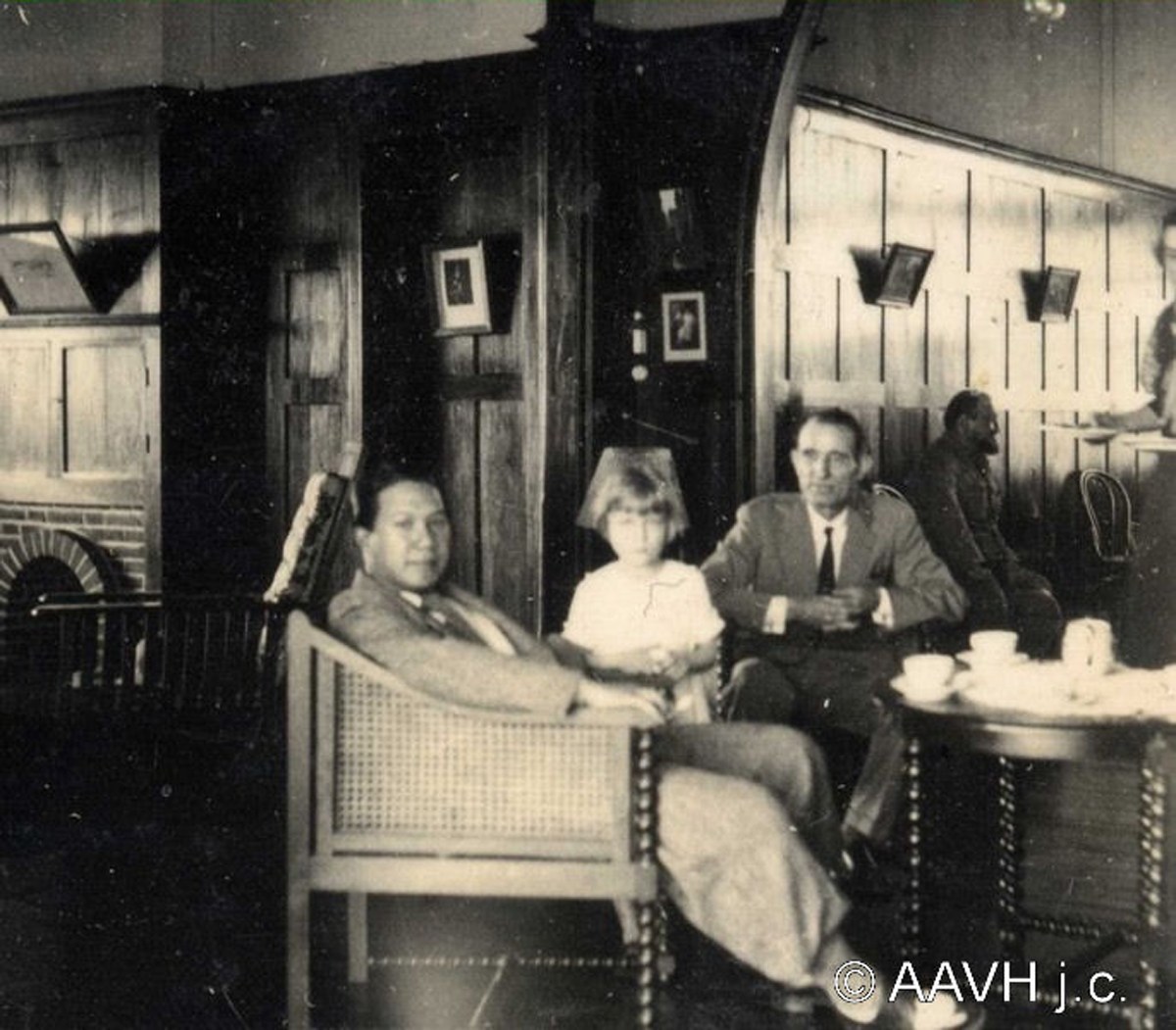
From 1914 to 1926 the Résident of the Darlac was Léopold Sabatier, and the highlands have had no other colonial administrator like him. He had entered the Indochina civil service in 1903 after military service in Algeria, been delegate at Kon Tum in 1911, and came to the Darlac in 1914, where he stayed twelve years. He learned Rhade, married the Khunjunob’s daughter, and had a daughter, H’Ni, Annie, born in 1923. He built the town of Ban Me Thuot, gave it a school in 1915 that boarded five hundred highland children and taught them to read in Rhade, a hospital with a corps of Rhade nurses and a bounty of five piastres for women who came in to give birth, and in 1923 a customary court that sat by Rhade procedure; he had the klei duê written down; he had six hundred kilometers of road built by corvée, which is the other side of the coin, and expelled the Vietnamese and Lao traders who had lived in the town. He financed all of it, Salemink notes, from the head tax that the Khunjunob’s influence over the Mnong and Rhade helped him collect and from a heavy tax on the elephant trade, so that the Darlac paid for itself and owed Saigon nothing. His whole policy, backed throughout by Pierre Pasquier and set out in Pasquier’s circular of 1923 as the model for the highlands, was to develop the Darlac by contact with the French alone, with Franco-Moï schools teaching in the dominant local language and a medical service, and to keep out every settler and every Vietnamese. He said why. In 1925, when the reputation of the Darlac’s red earth caused a land rush and more than a hundred bids for ninety-two thousand hectares were filed in Saigon within a few months, by planters and by the agents of large French companies wanting tea, coffee and rubber estates, he answered with two reports in 1927, and the Communist deputy Marcel Cachin read the sentence from them to the Chamber: “These people barely live on their lands; they need 1,300 kilograms of food a year; I will not permit anyone to come and take away part of this land.” His report on the one lease he would countenance, twenty-five thousand hectares for a Paris company represented by a M. Maillot, set the rent at 97.50 piastres a year, of which the two pô lan who held the land, Y Nin and Y Blum, were to receive it all, and added that Vietnamese labor should be kept out of the highlands, since contact with the Vietnamese and the Cham had always been harmful to the highlanders, and that if the estates needed coolies they should be Javanese, who were of the same family as us. The Javanese never came (see Sabatier, the oath of 1926 and the Rhade law code).
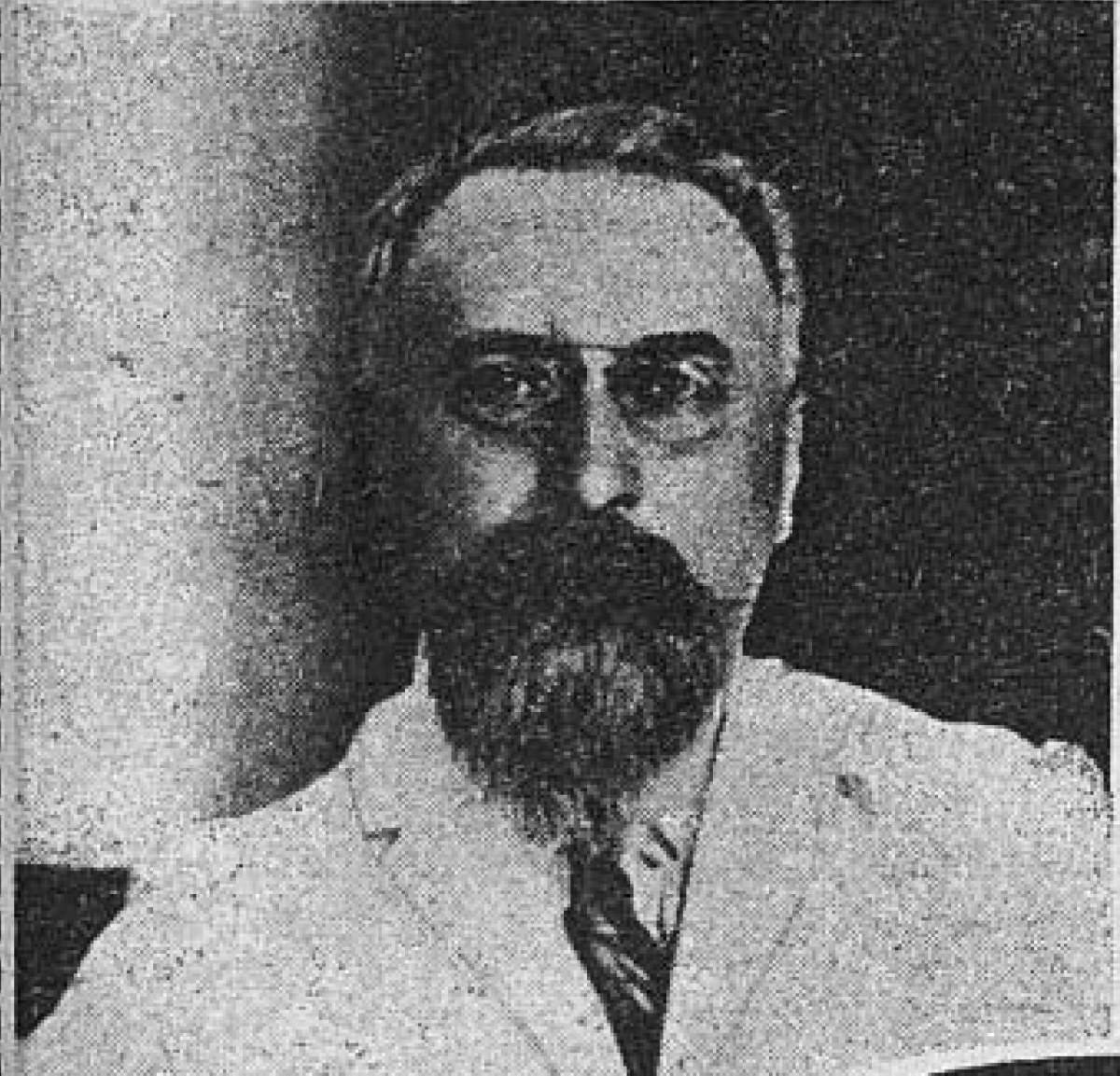

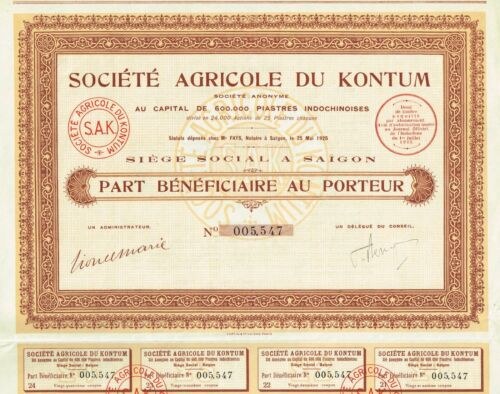
He lost. On January 1, 1926, he held the oath of the Rhade chiefs to France at Ban Me Thuot; in April 1926, weeks later, Guérin writes, he was at the center of “a campaign of calumny of rare virulence,” accused of sexual and moral perversion, of keeping a harem of young Rhade of both sexes, of being a tyrannical satrap whose arbitrary justice led to summary executions, the customary law he had written down being called an imposture. The campaign was run from Saigon by the planters’ press; Colonel Sée, who edited L’Opinion and held a concession at Kon Tum, is named. A missionary, Father Kemlin of Kon Tum, had already signed a memorandum in favor of Vietnamese immigration into the plateau as a means of developing the natives. The governor-general Varenne, on tour, received all the planters of the Pleiku and Kon Tum region and assured them of his “will to see large and small colonization fertilize this country with their efforts, for the greatest profit of the French and the natives.” Sabatier was removed in 1926; Guérin’s verdict is that “the dismissal of the Résident Sabatier in 1926 is due to the lobbying of the big Indochinese entrepreneurs,” and that it was the civilizing mission that led him to close the Darlac and the economic potential of the region that had him dismissed to open the highlands to European plantations. In the Chamber on March 18, 1927, Ernest Outrey, the deputy for Cochinchina, made the planters’ case against him: that he had held his post fifteen or sixteen years and made it his fief; that he had built six hundred kilometers of road with twenty-five thousand taxpayers, which could only have been done by asking excessive efforts of the population; that he had made “an artificial center” with a dozen houses, piped water, street fountains, electric light, a cinema and a dance hall; that an inspector had found twelve children in the cangue at the Ban Me Thuot school; that he had always refused every concession and every alienation of land; and that when M. Maillot arrived in the Darlac asking for eight thousand hectares he had been refused. Outrey also let slip that the Khunjunob, “the king of the Rhade,” had gone to the inspector and told him that if Sabatier were not removed he would no longer answer for the political situation of the province; the Khunjunob, whose son-in-law Sabatier was, had chosen the side that was going to win. Sabatier went back to France and died there in 1936. The concessions he had held off arrived at once: after 1926 the province was opened to French concessions and to the immigration of Vietnamese workers, twenty-seven requests for a hundred and sixty-seven thousand hectares in the first year, of which eight, from three financial groups, were granted for smaller areas; and in 1929 the Compagnie agricole du Darlac was floated in France with a capital of twelve and a half million francs by the same group that owned the Compagnie agricole d’Annam. Everything Sabatier had said would happen happened.
.jpg)
The plantations
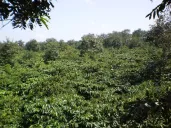
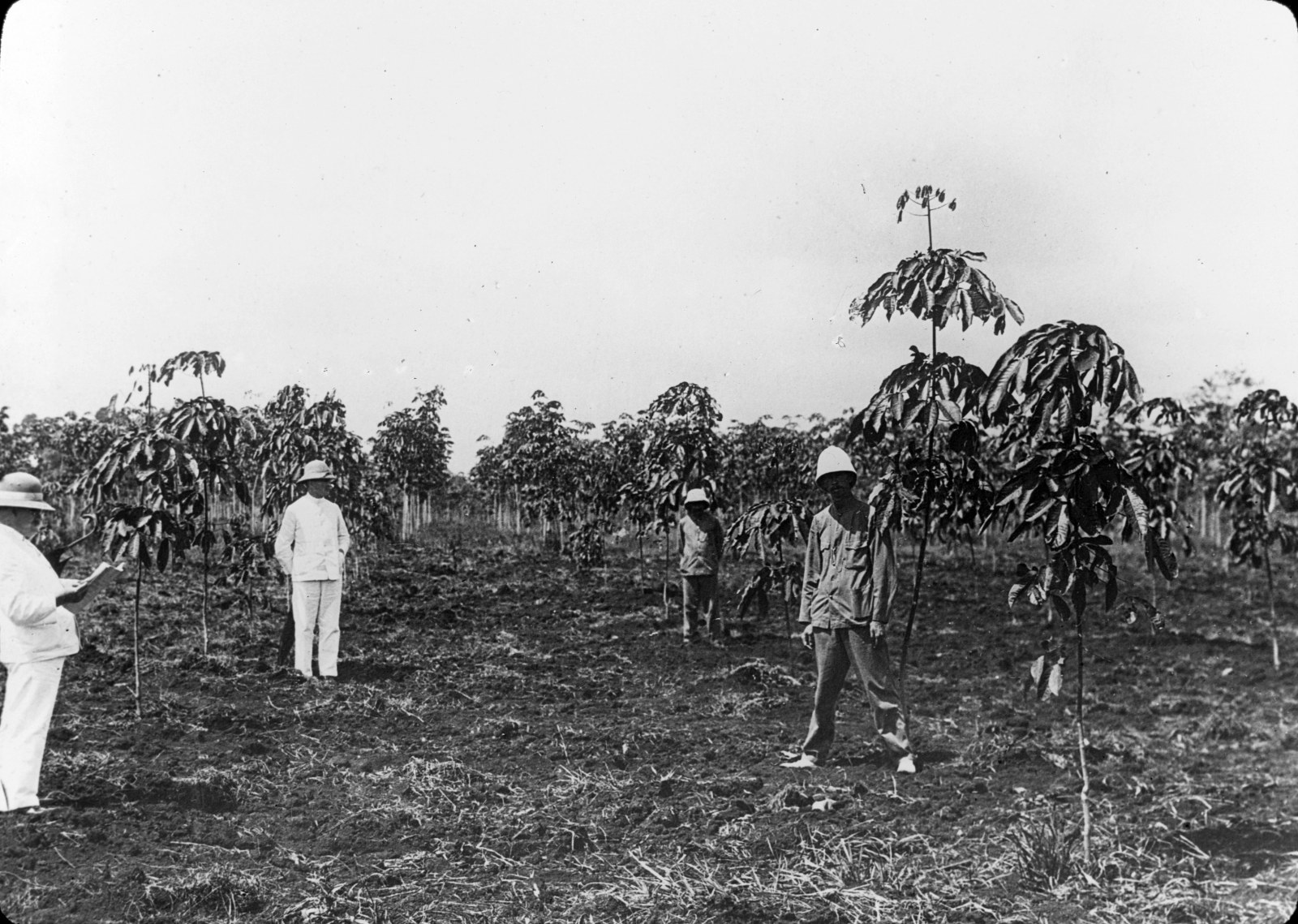
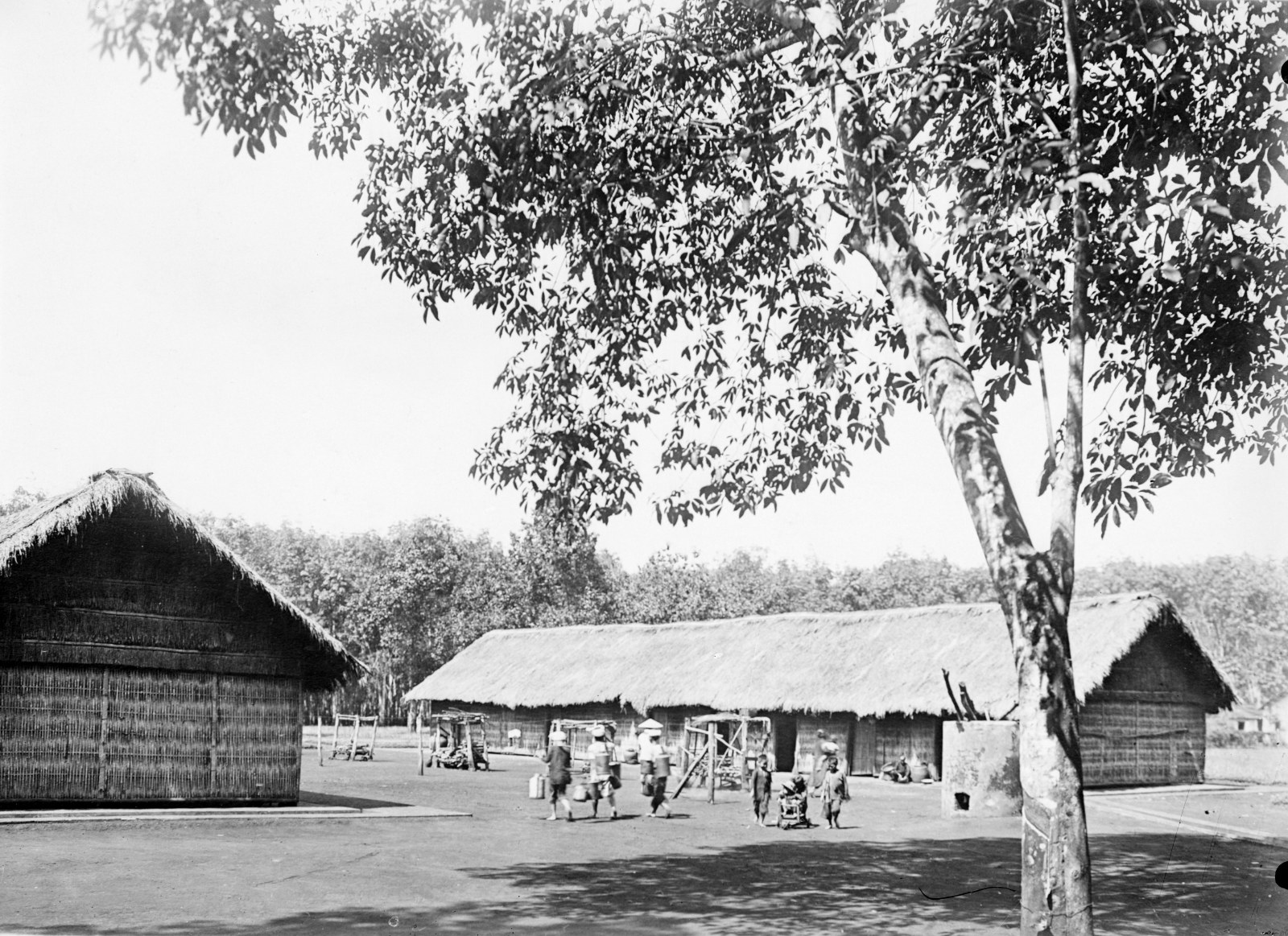
Cupet had written the plantations into his report in 1891. For thirty years they stayed on the margins, a few settlers with concessions on the edge between highland and Vietnamese land, growing coffee, tobacco, mulberry and pepper with a few dozen Vietnamese laborers; in 1921 rubber sold for thirty million piastres in Indochina and coffee for one, against nine hundred and thirty-eight million for rice. Then the Stevenson plan of 1922, by which the British producers restricted their output to raise the price, made rubber worth planting anywhere, and from 1926, Guérin writes, “a veritable rubber boom” took place in Indochina, “accompanied by ferocious competition for the concession of the red-earth lands”: the plantations of Snoul and Memot in the Stieng and Mnong country of Cambodia, Michelin at Phu Rieng from 1925, the Terres Rouges companies on the Cochinchina side. The labor came from the north. A study of the plantations that we have not been able to check against its sources puts the number of contract coolies brought from the crowded villages of Tonkin and northern Annam to the red-earth estates at three thousand in 1922 and nearly forty-two thousand in 1928, workers who could not leave the plantation, and the death rate at Phu Rieng in its first year at one in six. On the plateau the crop was tea and coffee: four zones, Kon Tum, Pleiku, the Darlac and the Haut-Donnaï; sixty French concessions growing coffee in the highlands of Annam; Kon Tum specialized in tea and arabica; the Catecka tea estate near Pleiku, where the Emperor Bảo Đại was photographed with the director in 1933; an agricultural station at Pleiku to see how rubber, kapok, coffee and cocoa behaved at altitude. In 1929 the table of concessions showed, in Guérin’s words, “the exceptional place the high plateaus acquire in the economic colonization of Annam.” Then came the crash of 1929 and the prices fell, but the estates stayed (see Rubber and Land taken for coffee).


The two things that followed
They brought the settlers. It is often said, and we have said it, that when the Darlac was created in 1899 there was no settled Vietnamese population in the highlands. That is true of the plateau and not of its edge. In the second half of the nineteenth century the Nguyễn emperors had planted đồn điền, military colonies of soldiers given land, in the uplands next to the coastal plain, and Hickey records that the settlers exploited the highlanders they met, their leaders demanding rhinoceros horn and slaves, and that in 1883 a highland village headman was burned alive and his wife killed for failing to supply the corvée labor the settlers demanded. Sabatier expelled the Vietnamese from Ban Me Thuot; the Kon Tum mission, on the contrary, brought Vietnamese Catholics up to the town to strengthen it, as its founders had intended in 1842, and in the early 1920s there were about two thousand five hundred Vietnamese at Kon Tum in six communes. After 1926 the plantations brought the coolies, and the coolies’ families followed. By the early 1940s, the historian Andrew Hardy calculates, about forty thousand Vietnamese were living in the highlands of southern Annam, without counting those on the old highland lands of Cochinchina and Cambodia. Guérin’s sentence on it is exact: “These migrations mark the beginning of a withdrawal of the aboriginal peoples, who must abandon their most accessible lands to the foreigners.” Towns rose at Dalat, Ban Me Thuot and Kon Tum where fifty years earlier there had been villages of swidden farmers. The demographic transformation that would swallow us was begun, in a small way, by the same administration that had promised to protect us from it, and when the French left in 1954 the guarantee left with them (see The great migration).
_Sa%C3%AFgon,_Cochinchina.png)
They made us one people. The French organized some thirty peoples, speaking languages of two unrelated families, into one administrative and political unit, and in the end gave it a name: the Montagnards of southern Indochina, the Pays Montagnard du Sud of 1946, which became the Emperor’s Crown Domain in 1950. They did it for the convenience of governing. The effect was to create a common standing, a common vocabulary of grievance and, eventually, a common politics, the basis on which every Dega claim since 1946 has been made. It is the most consequential thing colonialism did to us, and it was not intended (see Who are the Dega and The years between).

How to hold it in mind
Sabatier was a colonial official administering a conquered people, and the protection he offered was paternal: he decided what was good for us, and part of what he decided was that we should be sealed off from the modern economy and that children who would not learn should wear the cangue. Dega families nonetheless remember him better than any other Frenchman, and they are right to. He is the reason the Rhade customary law exists on paper, that Rhade became the working language of highland politics, and that the men who wrote to the United Nations in 1958 had been to school; an administration that had wanted only to extract would not have produced them, and the administration that removed him wanted only to extract. Two things can be true. The same is true of the French arrival as a whole. Hickey, interviewing the old chiefs in the 1960s, found that they resented and had resisted the corvée for the roads, “but they concede that by and large the French left them alone, and indeed protected them against the Vietnamese.” They did, for a generation, on the plateau, until the land was worth more than the protection. Every state since has made the same promise and kept it for the same length of time.
The sequence
1859 The French take the Mekong delta; the Stieng and Chrau rise.
1880–81 Néis among the Stieng and Maa; the Gautier mission.
1885 The Jarai of Plei Djuh attack Navelle’s caravan.
1887 Guerlach’s twelve hundred men against the Jarai.
1888 Mayréna, king of the Sedang.
1891 Cupet: Ban Don, February 6; the Fire King, February 14; Kon Tum, March; Luang Sakhon turned back at Ban Don, March 22.
1892–94 Yersin’s three journeys; the Siamese flag at Ban Don; the Lang Bian, June 21, 1893.
1893 The Franco-Siamese crisis; the treaty of October 3.
1894–97 The Jarai rout Frébault; the column of January 1897 burns the Fire King’s village.
1895 Kon Tum attached to Lower Laos; the confederation dissolved.
1899 Doumer at the Lang Bian; the order of November 2 creating the commissariat of the Darlac; Bourgeois at Ban Don; Djiring; the head tax on the Mnong and Stieng of Cambodia.
1901–02 The Sedang attacks; Robert killed May 17, 1901; the Boloven revolt; Castanier’s column from Attopeu.
1904 Odend’hal killed, April 7; the Darlac attached to Annam, November 22.
1905 Plei Ku Der; Maître at Ban Me Thuot; Me Sao.
1907 Kon Tum and Cheo Reo delegations; Guénot against the mission.
1909 Guénot against Plei Tur.
1913–14 Kon Tum a province; Sabatier to the Darlac; Maître killed, 1914.
1915 The Franco-Rhade school.
1923 The Rhade court; Pasquier’s circular; Ardant du Picq’s study.
1925 The land rush: a hundred bids, 92,000 hectares.
1926 The oath, January 1; the campaign, April; Sabatier removed; the rubber boom.
1927 The Chamber debate, March 18; Sabatier’s two reports.
1929 The Compagnie agricole du Darlac; the crash.
See also: The first outsiders, The Kingdom of the Sedang, The Kings of Fire and Water, Sabatier and the Rhade code, N’Trang Lơng, Roads, taxes and forced labor, The Kon Tum mission, Timeline.
Sources
- P. Cupet, “Voyages au Laos et chez les sauvages du sud-est de l’Indo-Chine,” in A. Pavie, Mission Pavie, Indo-Chine 1879–1895: Géographie et voyages III (Paris, 1900), pp. 259–261, 284, 312–326, 344–346, 376–384, 406–407, 440–442, DCHO library — Guerlach’s letter, Ban Don, the Jarai notable, Kon Tum, the Siamese column and the interview of March 22, 1891, the program; the engravings on this page
- A. Pavie, Mission Pavie: Géographie et voyages II (Paris, 1900), pp. 176–178, DCHO library — Pavie’s summary of the 1891 journey and its effect on the villages
- Mathieu Guérin, Des casques blancs sur le Plateau des Herbes: la pacification des aborigènes des hautes terres du Sud-Indochinois, 1859–1940 (doctoral thesis, Université Paris 7, 2003; published Caen, 2008), pp. 30–31, 44–45, 151–152, 158, 224–285, DCHO library — the administrative chronology, Guénot and the mission, Sabatier’s career and removal, the plantations and the migration
- Jonathan Padwe and Mathieu Guérin, “Pénétration coloniale et résistance chez les Jarai,” Outre-Mers 370–371 (2011), pp. 245–272, on academia.edu — the Siamese in the 1880s, Odend’hal’s route and death, Vincilioni
- Harold E. Meinheit, “Captain Cupet and the King of Fire,” The Portolan 84 (2012), academia.edu — the bracelets, Dak Rode, the 1893 map, Frébault and January 1897, the transfers of 1904–05
- Journal officiel, Chambre des députés, session of March 18, 1927, DCHO library — Outrey, Cachin and Perrier on Sabatier, Maillot and the Darlac; L’Éveil économique de l’Indochine, April 7, 1929, on the Compagnie agricole du Darlac, DCHO library
- Gerald C. Hickey, The Major Ethnic Groups of the South Vietnamese Highlands, RAND RM-4041 (1964), pp. 20–29, DCHO library; The Highland People of South Vietnam: Social and Economic Development, RM-5281 (1967), pp. 28, 50, 79–81, DCHO library — the military colonies, the Gautier mission, Me Sao, the land rush of 1925, the Maillot lease, the Javanese, the old chiefs on the French
- Oscar Salemink, Beyond Complicity and Naiveté: Contextualizing the Ethnography of Vietnam’s Central Highlanders, 1850–1990 (PhD dissertation, Amsterdam, 1999; published as The Ethnography of Vietnam’s Central Highlanders, 2003), pp. 1–19, DCHO library; “A View from the Mountains,” in Upland Transformations in Vietnam (2011), pp. 37–40, academia.edu — the creation of tribes, Ma Krong and the taxes
- IRFA, Missions Étrangères de Paris, notices on Guerlach, Kemlin and Vialleton — 1887, the Mission Pavie at Kon Tum, the corvée, the Sedang attacks of 1901, the hostile delegate
- André Baudrit, “Henri Maître, explorateur de l’Indochine sud-centrale, 1883–1914,” BSEI XI (1936), DCHO library; Maître’s Les Jungles Moï (1912) on Gallica — the Bu Sra passage as quoted by Guérin
- Institut Pasteur and the Association des Amis d’Alexandre Yersin, press dossier, 2018 — the journeys of 1892–94; Bibliothèque nationale de France, authority record Léopold Sabatier (1877–1936)
- Human Rights Watch, Repression of Montagnards (2002), PDF, p. 18 — the 1946 ordinance
- Our own records
Compiled September 2026. French texts are printed as published and translated by us. The figures for the plantation coolies come from a modern study of the rubber estates that we cite as such and have not checked against the company records.