

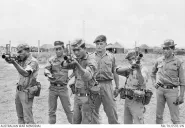

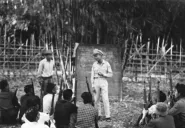
Most of the written evidence of our history is kept by the governments, armies, missions and museums that dealt with us, and almost none of it in the highlands. This is where it is: what each place holds, how to reach it, and which of its documents we have already copied into our own library. Much of it can be searched online, and many of the documents are free.

A warning about the archives
Almost everything here was collected by outsiders, and many of the documents were written by people who were fighting over our land. Read them as evidence of what those people knew and wanted, not only as evidence of what happened. And the colonial record is incomplete in a way that matters to us. The French archives for Annam, the protectorate that governed the highlands, reached France only as fragments; the archives of Cochinchina stayed in Vietnam entirely. What the province offices at Ban Me Thuot, Kon Tum and Pleiku wrote down is not open to us.
What we hold ourselves
Where a document is public and free, we copy it into our library so that it cannot disappear from under a link. For the records in this article that means, so far:
- The ordinances of 1946 and 1951 that created and defined the Pays Montagnard du Sud, in English and French. They come from our own earlier records.
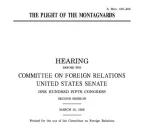
- The CIA’s studies of 1966, The Highlanders of South Vietnam and The Montagnard Problem in South Vietnam; its history of the Mountain Scout program, 1961–63; the station’s papers on Buon Enao of August 1962; a Darlac interrogation report of March 1968; and its assessment Vietnam: Repressing Ethnic Minorities and Religious Groups of December 1983; and Thomas Ahern’s classified history, CIA and Rural Pacification in South Vietnam (2001).
- Gerald Hickey’s RAND studies RM-4041 (1964), RM-5281/1 (1967) and P-4213 (1970), and his report on herbicides (1974).
- The Army’s Minority Groups in the Republic of Vietnam (1966), Kelly’s history of the Special Forces (1973), and from the Defense Technical Information Center a review of counterinsurgency among the minorities (1967), a study of the CIDG program (1992), the Air Force histories of the siege of Plei Me (1966) and the battle for Kontum (1972), the province advisers’ last reports (1973), and a short essay on the CIDG (2010).
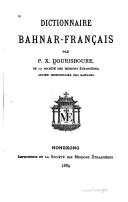
- The French sources: the first Bahnar dictionary (1889), the Mission Pavie volumes, Condominas on the Ndut Lieng Krak lithophone (1952), and Mathieu Guérin’s thesis on the French conquest of the southern highlands.
American archives
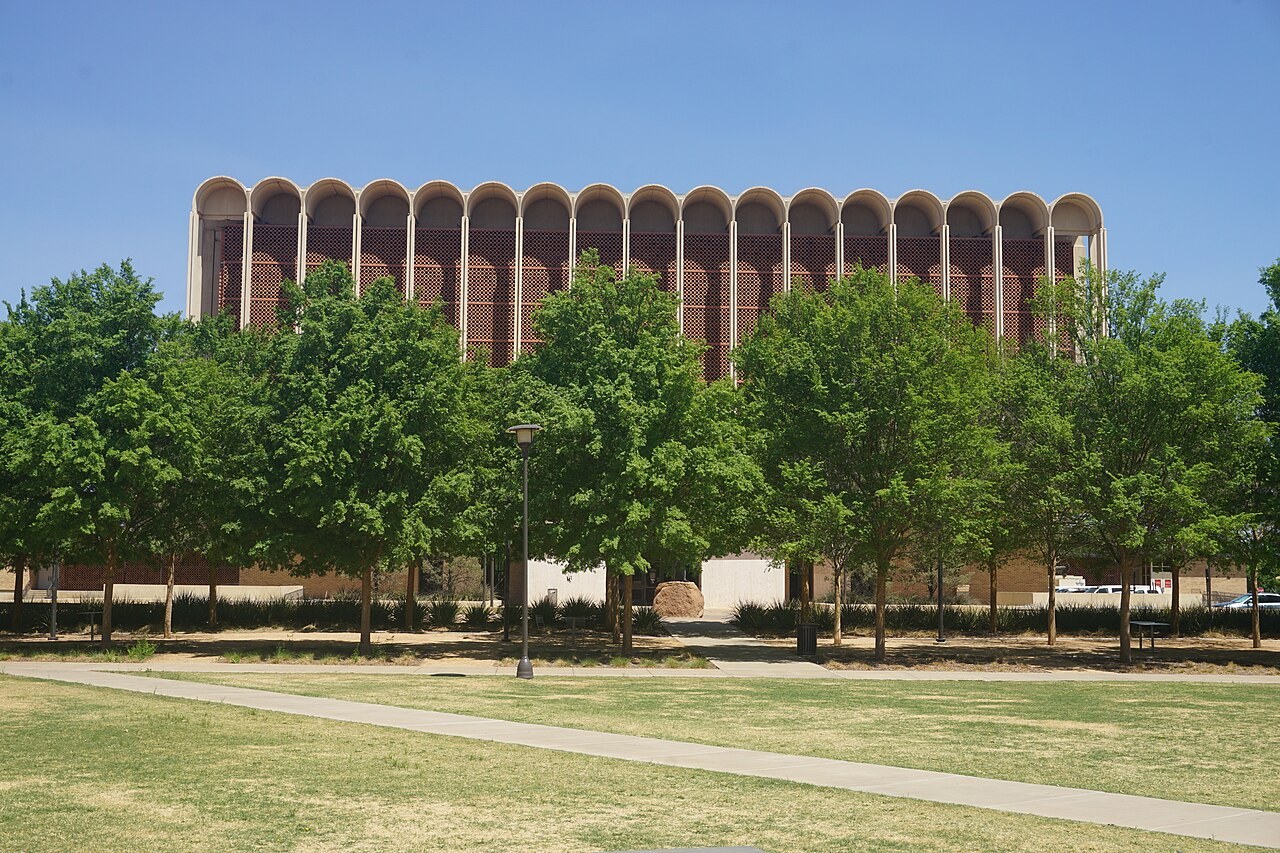
- Texas Tech University, The Vietnam Center and Sam Johnson Vietnam Archive
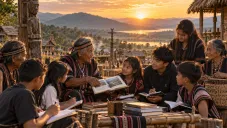
In Lubbock, Texas. The university calls it “the nation’s largest and most comprehensive collection of information on the Vietnam War.” About seven million scanned pages are searchable in the Virtual Vietnam Archive, and material without copyright can be downloaded. Search for “Montagnard,” “FULRO,” “CIDG,” “Buon Enao,” “Darlac” or “Hickey.” Its Gerald Hickey Collection has highland objects, shown in 2011, and a free oral history interview with Hickey (OH0786, 47 minutes) about his work among our people from the 1950s to the 1970s. - Smithsonian Institution, National Anthropological Archives
Hickey’s own papers are here, not in Texas: the Gerald Canon Hickey papers and photographs, NAA.2011-33, 28 linear feet, 1956–2010, given after his death in 2010. Photo Lot 73-34 is sixteen of his prints from the 1960s of Jarai, Jeh and Stieng people, with baskets, axes, hoes and crossbows, houses inside and out, and one picture the catalog calls the “King of Fire, a Jarai shaman.” Photo Lot 2014-02 is 339 color slides of 1962–73 by Joseph Carrier, who worked with Hickey. The objects Hickey gave the Smithsonian are under Accession 304150 in the Department of Anthropology. All by appointment. - US National Archives, Record Group 472: Records of US Forces in Southeast Asia, 1950–75
About 9,000 cubic feet: MACV, CORDS and the Army’s records, with the advisory teams of Military Region 2, which covered the highlands. The 5th Special Forces Group’s records are in it, among them 72 feet of A-detachment files for 158 numbered camps. Films and photographs are at College Park, Maryland; the Army’s color photographs of Vietnam are series 111-CCV. Search the catalog at catalog.archives.gov. - CIA Freedom of Information Act Reading Room
Declassified documents; search “FULRO,” “montagnard,” “highlanders,” “Ban Me Thuot.” Many are copied on the Internet Archive, for example the History of the Mountain Scout Program, October 1961 – February 1963, now in our library. Others worth reading there: a State Department meeting on the Montagnards of September 13, 1965, and an imagery study of the camp at Plei Djereng, 1966. - RAND Corporation
Gerald Hickey’s reports for the US government, free as PDFs: RM-4041 (1964) on the six largest peoples, RM-5281/1 (1967) on our needs set against Saigon’s policies, and P-4708 (1971) on relations between the highlanders and the central government since 1955, with recommendations for the future. We hold the first two, and P-4213; P-4708 is a scan without text that we have not yet copied. - US Army Special Operations Command History Office, Veritas
Free articles on the CIDG, Buon Enao and the September 1964 revolt, notably Robert W. Jones Jr., “A Team Effort: The Montagnard Uprising of September 1964” (2007), on the night of September 19–20 when the strike forces of five camps rose and held their American advisers at four. The index is no longer updated; newer articles are on the office’s downloads page. - Foreign Relations of the United States (FRUS)
The published diplomatic record. Document 358 of the 1964–68 volume I is Ambassador Maxwell Taylor’s telegram 937 on the political side of the Rhade uprising in Darlac, sent in the days after September 20, 1964. - Library of Congress, Veterans History Project
Interviews with American veterans; search for “Montagnard,” “CIDG” or “Mike Force.” Dega veterans who served with US units can record their own. - University of Nebraska–Lincoln, Beverly Deepe Keever papers
A Saigon correspondent’s digitized archive from 1962–68, with photographs of highland villagers and soldiers. The university allows them for educational use only, so we link to them and do not copy them. - Edwin Moïse, Bibliography: The Montagnards, Clemson University
The best single finding aid we know: books, articles, RAND numbers and links to documents held at Texas Tech. Last updated in November 2025.


.jpg)
French archives and scholarship
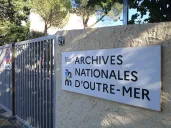
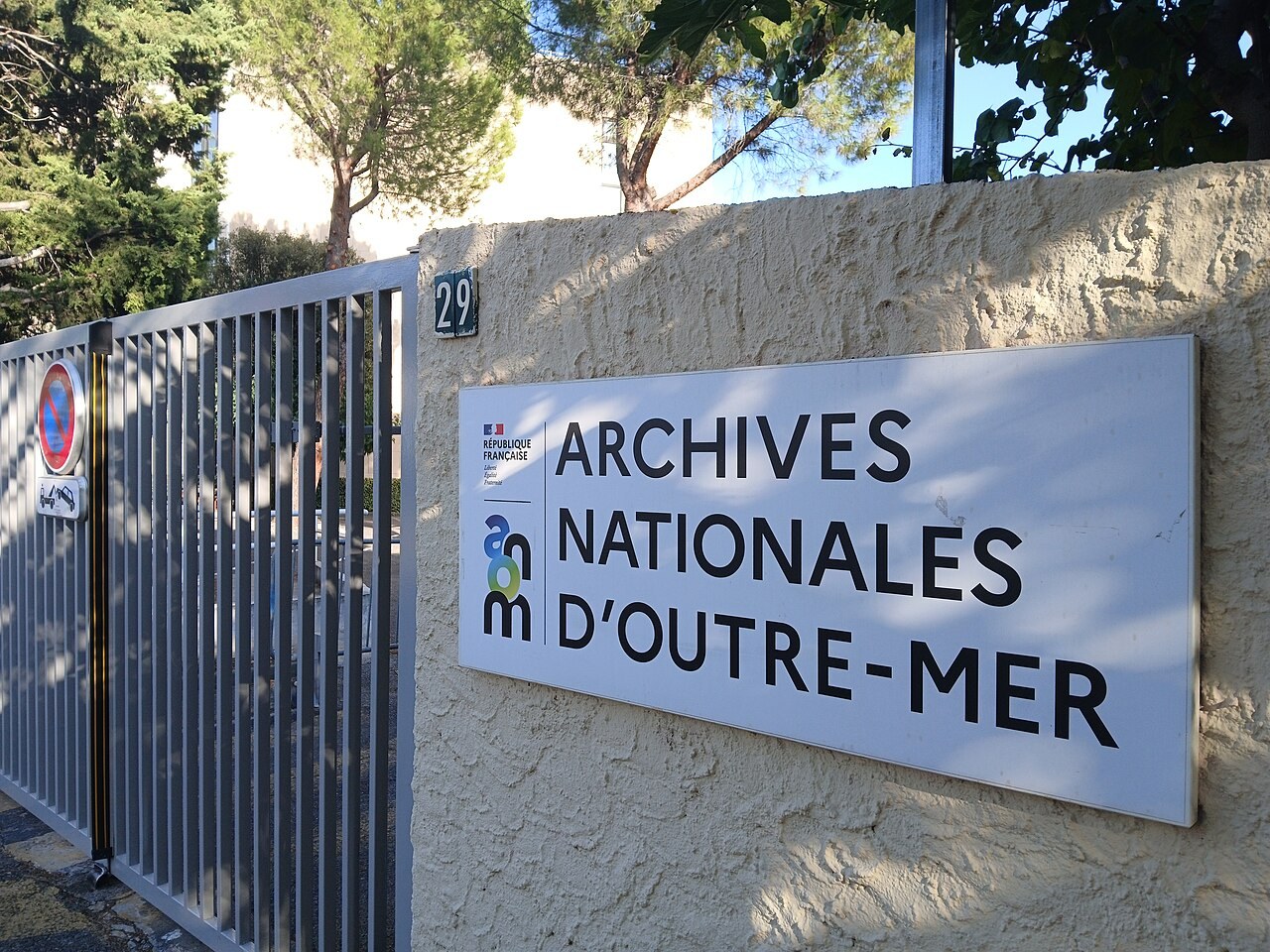
- Archives nationales d’outre-mer (ANOM), Aix-en-Provence
The French colonial archives. The fonds of the Gouvernement général de l’Indochine (1858–1945, more than 63,000 files) and of the Haut-commissariat (1945–54) cover the Pays Montagnard du Sud and the Crown Domain; the political adviser’s papers and the security service’s files cover the years after 1945. Search in the online portal at recherche-anom.culture.gouv.fr; the old IREL tool has been replaced. Any adult may register in the reading room, free, with photo identification. - Institut de recherche France-Asie (IRFA): archives of the Missions Étrangères de Paris
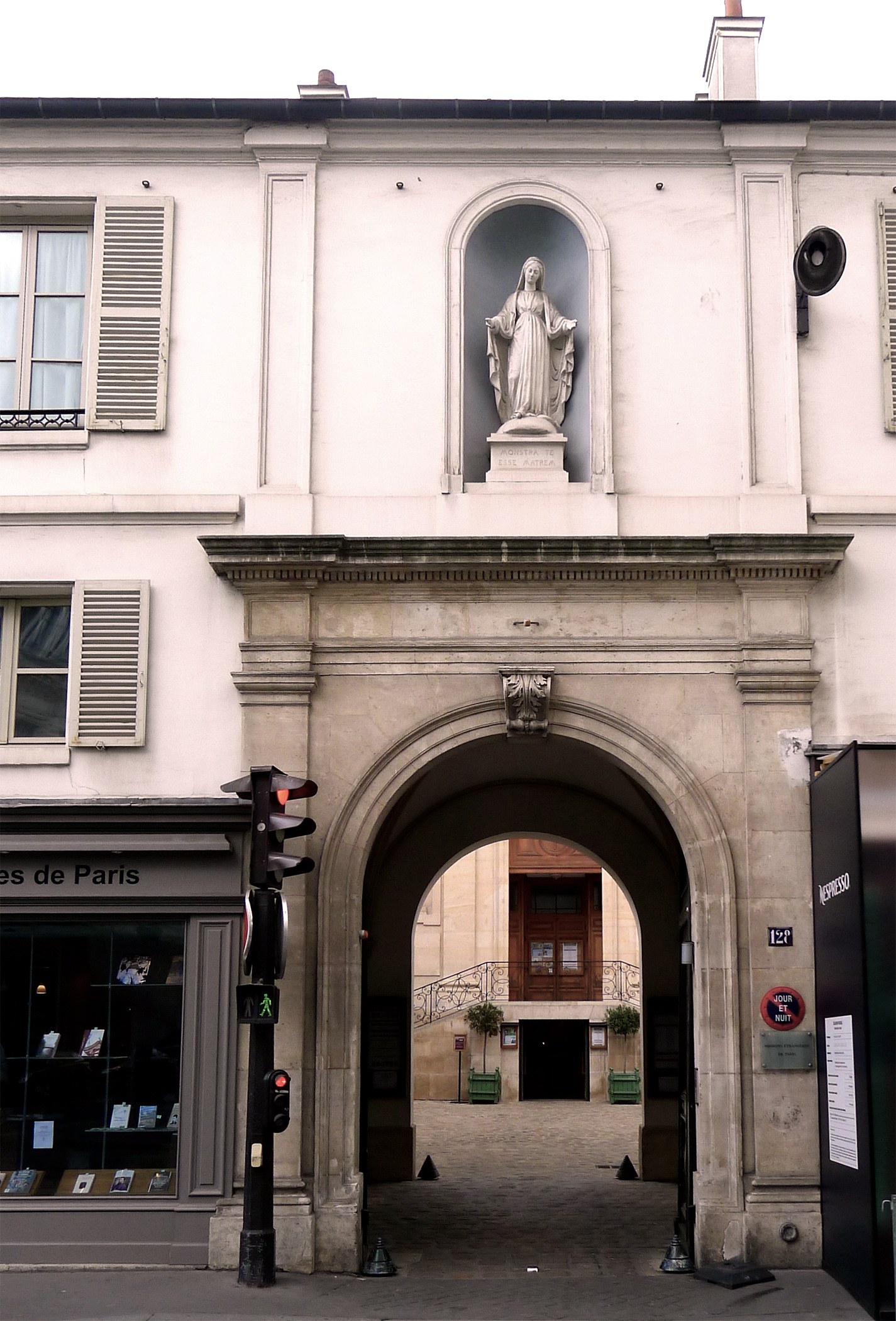
The records of the Kon Tum mission are series 17C-KT, sent to Paris by Bishop Seitz in 1964 and 1975. They include the missionaries’ language work: Dourisboure’s Bahnar vocabulary, Bober’s French–Jarai lexicon and history of the mission, Crétin’s French–Sedang dictionary and Davias-Baudrit’s Rhade dictionaries. See the inventory of series 17C. Jacques Dournes’s personal papers are here too, fonds 01D02_3740, about seven linear meters from 1923 to 2001, with his mission journals from the Jarai country. - École française d’Extrême-Orient (EFEO)
Publisher of Paul Guilleminet’s Coutumier de la tribu Bahnar, des Sedang et des Jarai de la province de Kontum (1952, two volumes), the customary law applied in Kon Tum’s courts from 1908 to 1939, still in print. - Persée: the Bulletin de l’École française d’Extrême-Orient
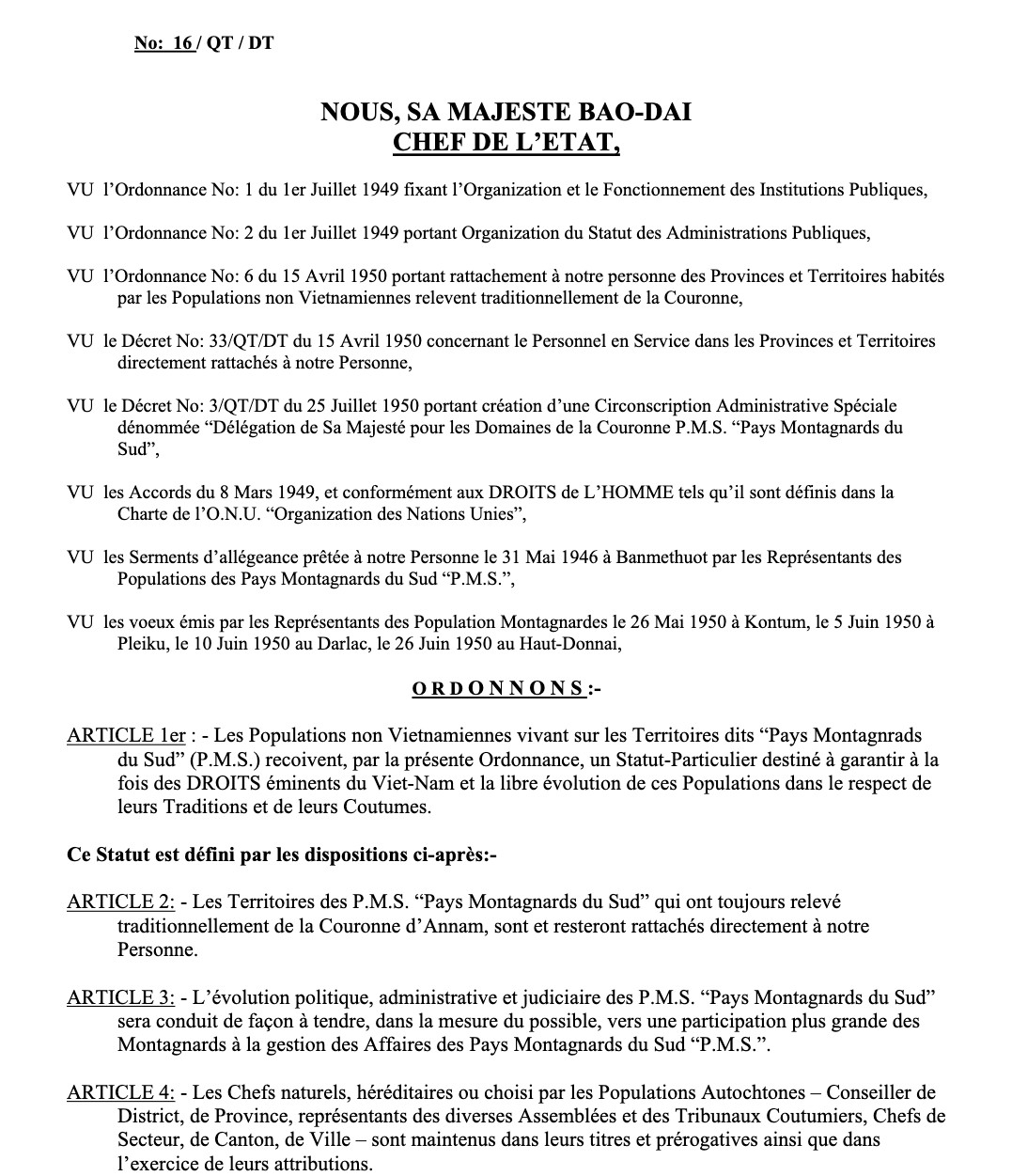
Decades of French scholarship on the Rhade, Jarai, Bahnar, Mnong and Koho, free to read: agrarian rites, epics, languages, the Ndut Lieng Krak lithophone. The link is Jacques Dournes’s author page; Georges Condominas’s is here. - Ordinance No. 16/QT/DT, Dalat, May 21, 1951
The French text of the statute of the Pays Montagnards du Sud, with the federal ordinance of May 27, 1946, from our own earlier records; the English translation is in our library. Some of our older pages print the number as 16/QT/TD. See A country of our own. - Université du Québec à Montréal, Dictionnaire historique de la guerre d’Indochine
Christopher Goscha’s entry on the Pays Montagnards du Sud, 1946–55. - Gallica, Bibliothèque nationale de France
Digitized French books and newspapers, including Henri Maître’s Les Jungles Moï (1912), which is free. Dournes’s Pötao (1977) is listed too, but as a work still in copyright it is probably not open to read.

Museums, sound and film
- CREM-CNRS sound archive, Paris
Georges Condominas’s recordings of the Mnong Gar lithophone, made in 1953: three pieces, free to listen to, not to copy. The record lists France as the place of recording, which suggests they were made in Paris, where the stones had been taken; we do not know. His LP Musique Mnong Gar du Vietnam came out in 1974 (Ocora OCR 80). Jacques Dournes left seventeen collections of recordings here. - Musée du quai Branly – Jacques Chirac, Paris
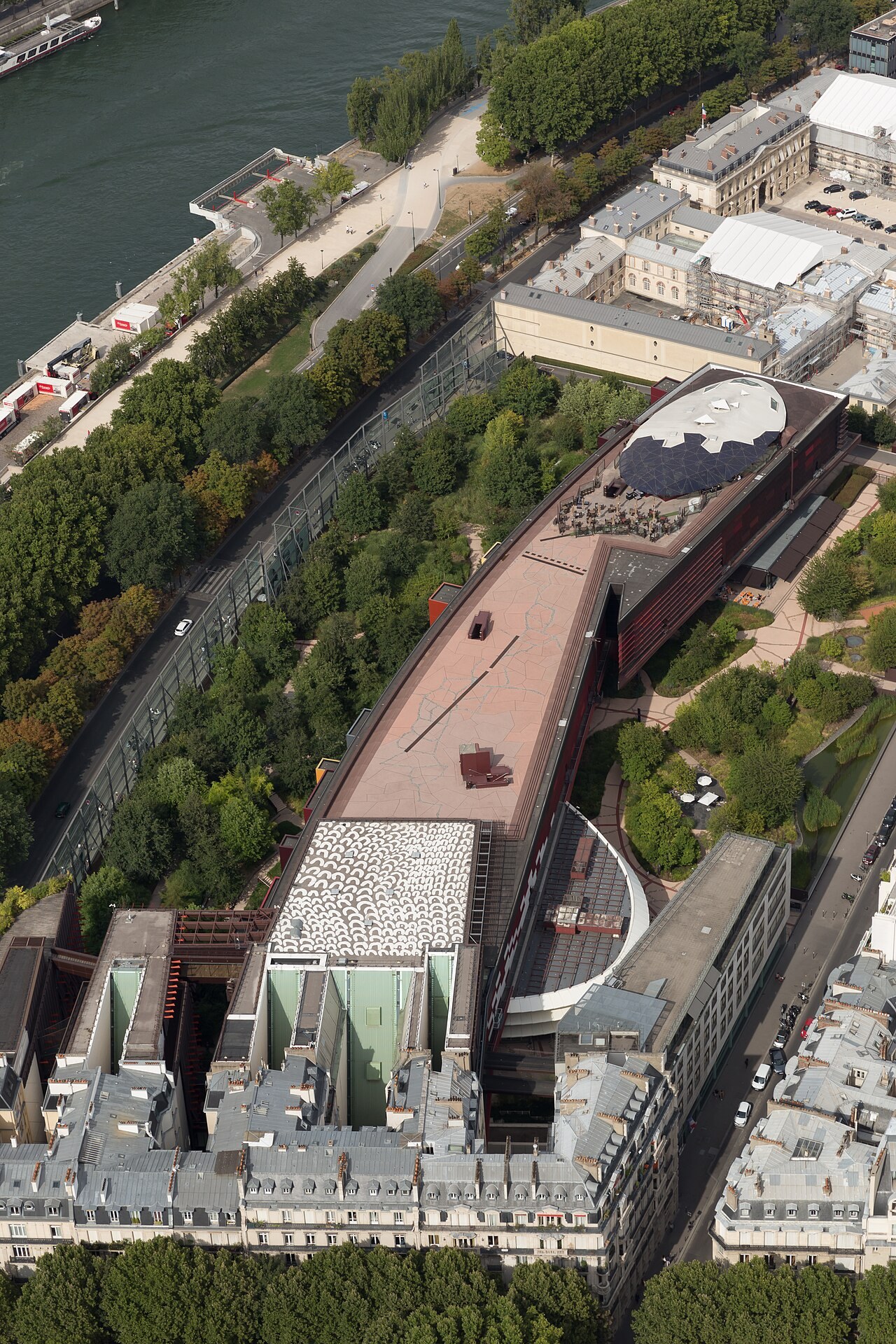
Condominas collected about five hundred objects at Sar Luk in 1948–50; the museum holds a large number of them, and showed about 140 in the exhibition Nous avons mangé la forêt from June 23 to December 17, 2006. It also has Jacques Dournes’s 88 objects and his 2,873 prints, negatives and slides. - Smithsonian National Museum of Natural History, anthropology collections
Search by people: “Rhade,” “Jarai,” “Montagnard.” Hickey’s gift is Accession 304150. - North Carolina Museum of History, Collecting Carolina: Montagnards, Vietnam’s Central Highlanders
Textiles, tools, hunting weapons and instruments from the Michael Little Collection, gathered by a veteran in Vietnam and shown in 2017. In December 2025 the museum accepted a second Montagnard collection, R.6775, from Colonel Karen Jennings, retired: crossbows, baskets, woven cloth, shirts and bangles collected in the 1970s. The curator wrote that the museum wants to add the perspectives of Montagnard refugees themselves, with the Montagnard Association of North Carolina. - Greensboro History Museum, This Is My Home Now
A half-hour documentary by Mariah Dunn Kramer, 2015, following four Montagnard young people in Greensboro, made with the Center for Asian American Media and shown on UNC-TV on April 28, 2015. Trailer. - State Archives of North Carolina, Military Collection XIV, Vietnam War Papers
Box 3 of the Cheney M. Hales Collection holds the papers of Living in Exile, a documentary on the Montagnards made by the North Carolina Department of Cultural Resources in 1995: transcripts, production logs, a teacher’s guide, and a DVD titled “FULRO in Cambodia.” - The Big Picture: Operation Montagnard
US Army television film on Special Forces training highland troops (National Archives 111-TV-607), about 29 minutes, free to watch and free of copyright. - Australian War Memorial, Canberra
Private record PR89/097: Lieutenant Colonel Barry Petersen’s report on his tour of 1963–65 with the CIA among the highland peoples of the Central Highlands, open to readers; a recorded interview with him of 1992; and Bryan Dunne’s photographs of 1965, among them a Rhade buffalo sacrifice at Dam San camp, which are in the public domain. - UNESCO, Space of Gong Culture
The listing, proclaimed in 2005, of the gong music of seventeen communities of the highlands. See Gongs and epics.
See also: Films and recordings, Where to find photographs.

.jpg)
Libraries with collections on Southeast Asia
- Cornell University Library, the John M. Echols Collection on Southeast Asia. Cornell’s Wason Collection is on East Asia; Echols is the one for us. Its Southeast Asia Visions site has about 400 early travel books and 150 journal articles, free, many with nineteenth-century engravings of the highlands.
- SIL Language and Culture Archives, Dallas. The language work of the missionaries of the Summer Institute of Linguistics in our languages from the 1950s on, including Jarai lessons and Koho and Cua material. By appointment. The Bahnar Dictionary of 1979 and a Sedang vocabulary of 1967 are on the Internet Archive.
- Defense Technical Information Center. Military studies and reports released to the public, many on the highlands; search apps.dtic.mil. The Center for Research in Social Systems’ Bibliography of Materials on Selected Groups in the Republic of Vietnam (1966) is a starting point.
North Carolina and the diaspora
- NCpedia, “Montagnards”
From the Encyclopedia of North Carolina (2006): the resettlements of 1986 and 1992, and Charlotte, Greensboro and Raleigh. - ANCHOR, State Library of North Carolina, “The Montagnards”
A history for schools, with a map, taken from Raleigh Bailey’s booklet of 2002, which is in our library. - Our own earlier records
The chronology, historical documents, advocacy reports and recordings we published under our earlier names. We are bringing them into this library; the ordinances of 1946 and 1951 are already here, in English and French. - Save the Montagnard People
Founded in 1986 by Special Forces veterans as the General Coactive Montagnard Association, to help Montagnard families settle and keep their culture. Seagrove, North Carolina. - Montagnard Association of North Carolina
Greensboro; formerly the Montagnard Dega Association, a registered charity since September 1988. It runs a traditional arts program for students and a research network for community research. - DEGAR Foundation
The site of the Montagnard Foundation, Inc., founded in 1990 in Spartanburg, South Carolina, by Kok Ksor. News and statements. - Unrepresented Nations and Peoples Organization
The Degar-Montagnards member page, 2003–2016, when the Montagnard Foundation represented the Degar there. - City of Greensboro
Public health videos in Rhade, made in 2020 for Montagnard residents during the pandemic, on the Internet Archive.
A note on the Montagnard Foundation’s old website
The domain the Montagnard Foundation once used no longer belongs to it and now carries unrelated material. Do not rely on old links to it; the Foundation’s own site is now degarfoundation.org. Where we cite the Foundation’s historical summaries, we mean copies in our own archive or in the UNPO and European Parliament records linked in Reports and documents.
What we do not know. Whether the National Archives, the Hoover Institution, the Library of Congress or the UNHCR archives have a finding aid for material on our people; we have found none. What the UNHCR archives hold on the FULRO group of 1992 and the Cambodian camps of 2001–02, and what survives of the Christian and Missionary Alliance’s records from Ban Me Thuot. Where Condominas made his 1953 recordings. The exact date of Ambassador Taylor’s telegram. And one thing that should not be true: we know of no institution that holds a collection made by Dega communities themselves, apart from the research network in Greensboro and the North Carolina museum’s stated wish to build one. That is what our own library is for.
Sources
- Texas Tech University, Vietnam Center pages on the Virtual Vietnam Archive, the oral history OH0786 and the 2011 Montagnard exhibit; Texas Tech Today, October 18, 2017 — the renaming and the university’s description
- Smithsonian Online Virtual Archives: NAA.2011-33, Photo Lot 73-34, and the finding aid of Photo Lot 2014-02
- National Archives, Guide to Federal Records, Record Group 472; Charles E. Schamel, Reference Information Paper 90 (1996), parts 2 and 4
- Robert W. Jones Jr., “A Team Effort,” Veritas 3:2 (2007); FRUS 1964–68, vol. I, document 358
- Archives nationales d’outre-mer, guide to the Indochina fonds, reading-room rules, and Projet scientifique, culturel et éducatif 2020–2024 — the replacement of IREL
- IRFA, inventory of series 17C Vietnam (October 2023) and of the Dournes fonds 01D02_3740 (November 2022); Jacques Dournes heritage site
- École française d’Extrême-Orient, catalog entry for PEFEO 32; CREM-CNRS, record CNRSMH_I_1953_004; Musée du quai Branly, exhibition page for Nous avons mangé la forêt (2006)
- North Carolina Historical Commission, Accessions Committee, meeting of December 9, 2025; Greensboro History Museum, April 25, 2015; State Archives of North Carolina, Military Collection XIV
- Australian War Memorial, PR89/097 and C309401; RAND abstracts of RM-4041, RM-5281/1 and P-4708; Cornell University Library, Echols Collection and Southeast Asia Visions; SIL Language and Culture Archives
- Save the Montagnard People, background page; Montagnard Association of North Carolina, about page; DEGAR Foundation, about page; UNPO member page
Compiled September 2026. If you have family papers, photographs, recordings or unit records and would like them kept safely, please read how to document and then contact us.