








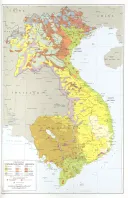


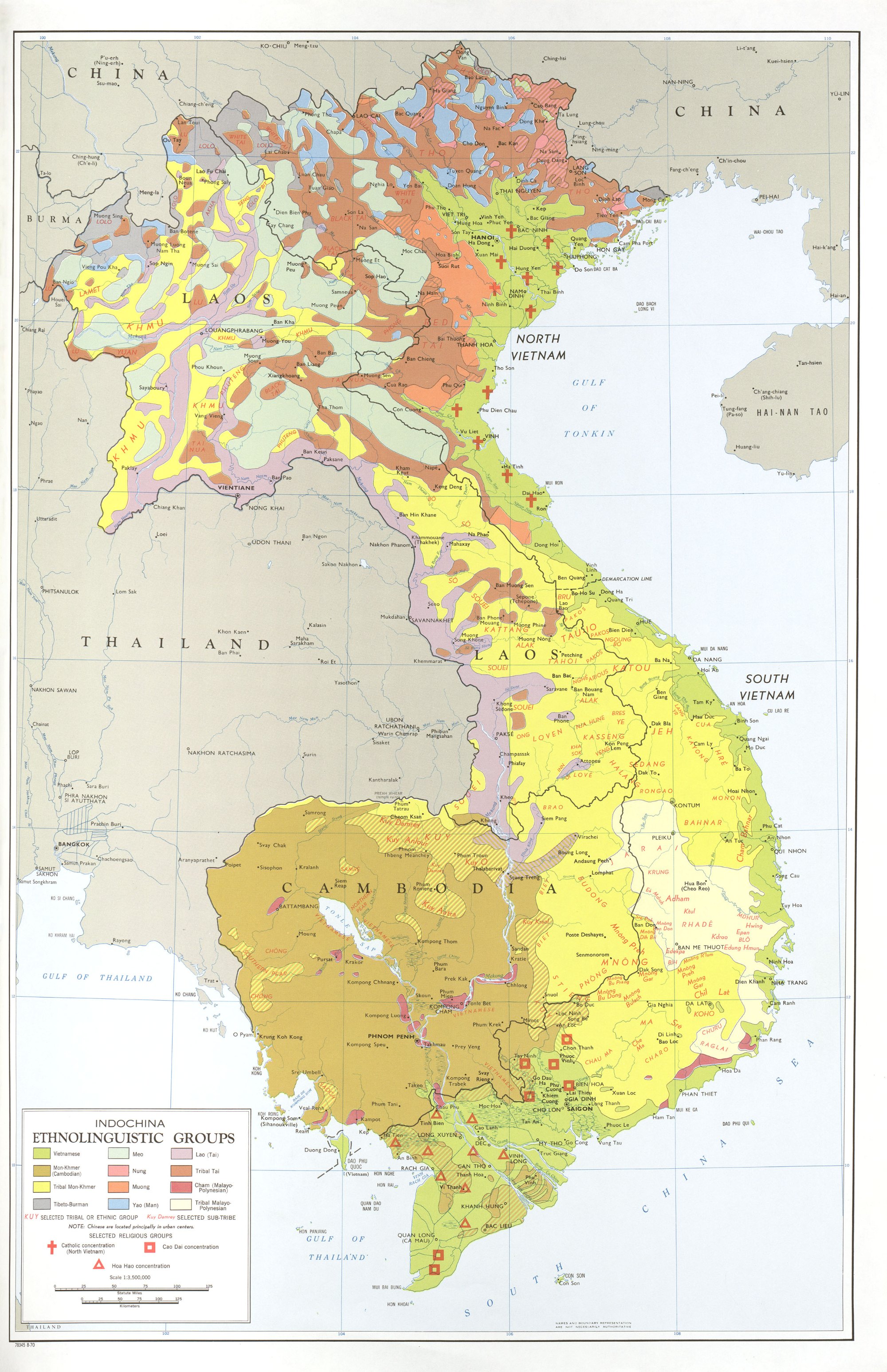
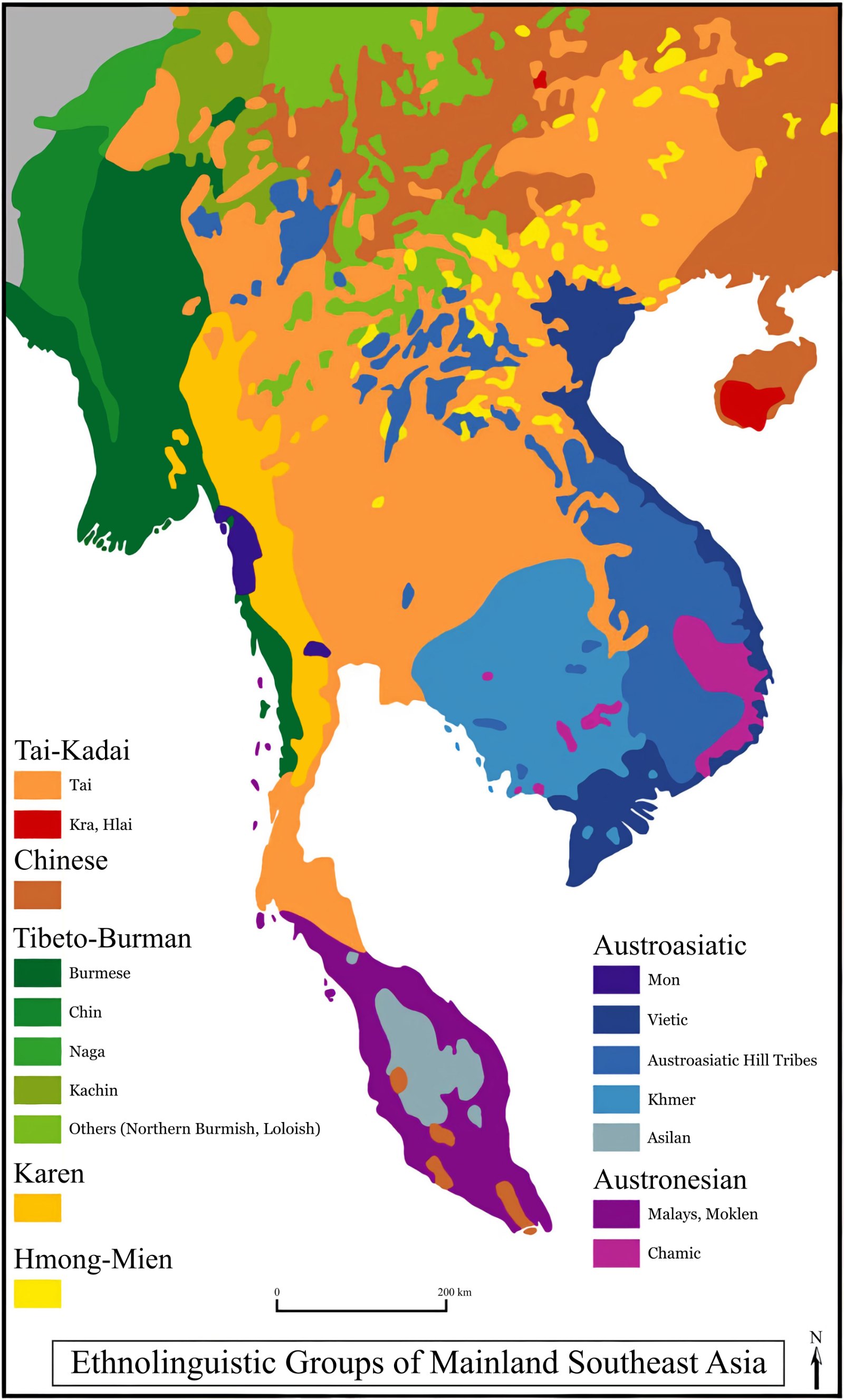
Around thirty peoples, in two language families that are not related to one another. The Chamic-speaking peoples, Jarai, Rhade, Raglai, Chu Ru and Haroi, are Austronesian, cousins of the Cham of the coast and, further out, of Malay and Indonesian. Most of the rest speak Bahnaric languages of the Austroasiatic family, related to Khmer; the Bru, Katu and Ta Oi of the northern end of the chain speak Katuic, a separate branch of the same family. Below: who is who, where, how many, what each name means, and how the state’s list of fifty-four ethnic groups cuts across our own.
.jpg)
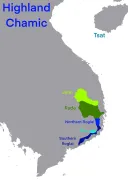
The Chamic peoples (Austronesian)
Chamic is a branch of Malayo-Polynesian. Its speakers arrived on the mainland by sea, with the Sa Huynh culture of the coast, in the last centuries before our era, and the coastal kingdom of Champa, which lasted in one form or another from about the second century until 1832, was its most visible political expression. The highland Chamic peoples are not migrants from Champa. The relationship is one of shared ancestry and long exchange, and the genetics published in 2024 shows the highland Chamic speakers closer in blood to their Bahnaric-speaking neighbors than to any Austronesian people elsewhere: on the plateau, the language moved more than the people did. The linguists divide Chamic into a Highlands group, with Rade-Jarai on one branch and Chru with the Roglai languages on another, and a Coastal group, to which the Cham and the Haroi belong.

- Jarai Gia Rai, Jrai, Djarai, Charai; Nak-drai in their own account
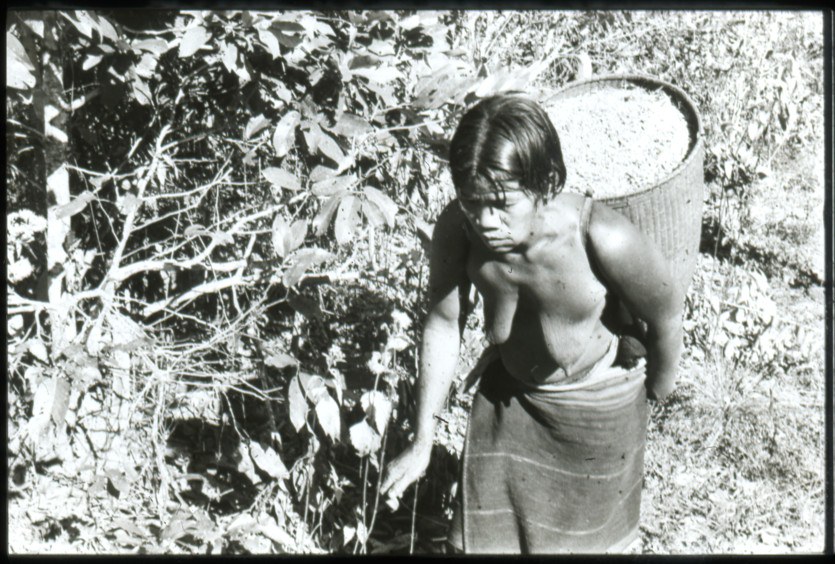
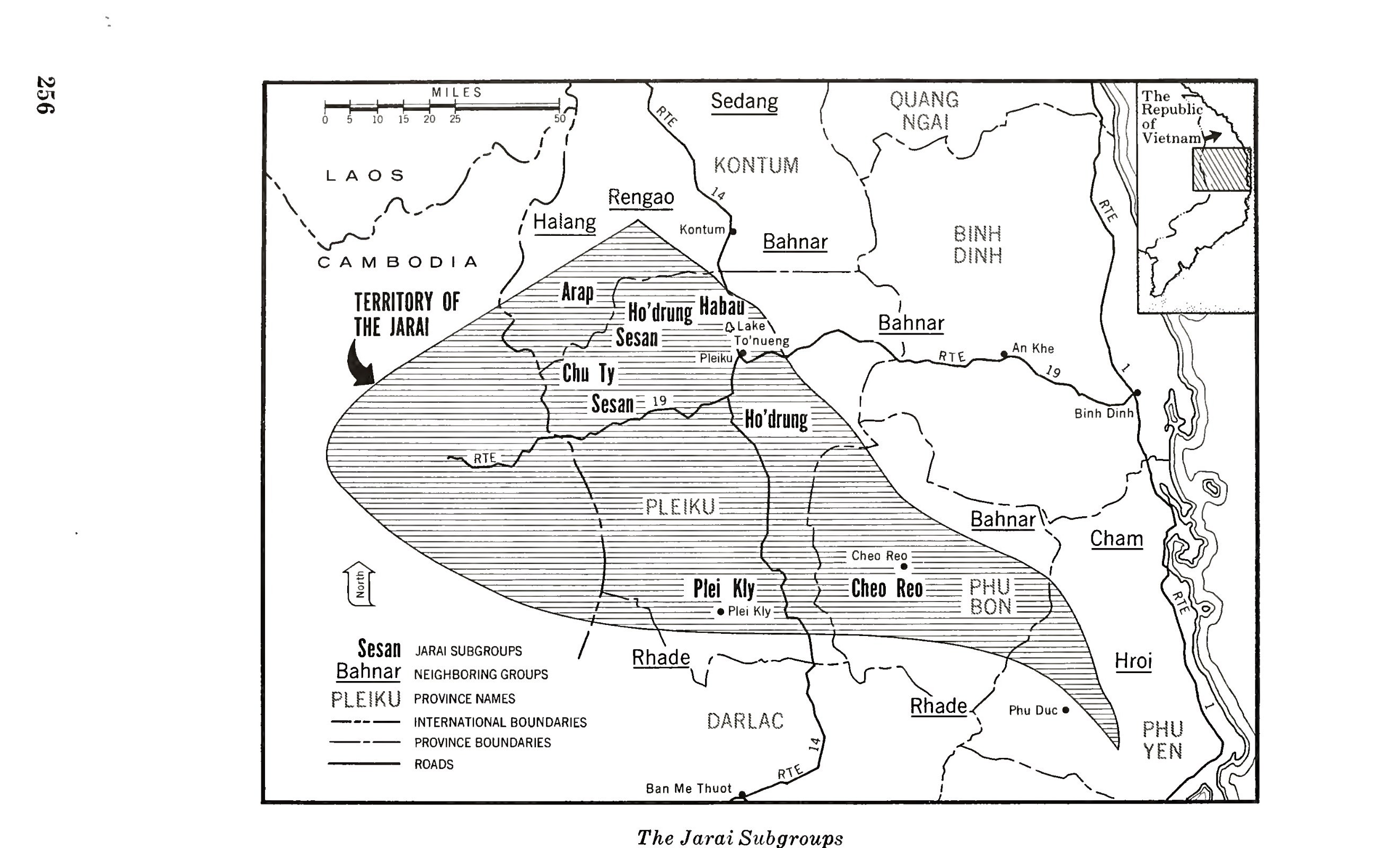
- The largest Dega people: 513,930 in Vietnam at the 2019 census, up from 317,557 in 1999, chiefly in Gia Lai, Kon Tum and Dak Lak, with 26,922 more in Cambodia, most of them in Ratanakiri, where the Jarai are the third largest indigenous people after the Bunong and the Tampuan. Matrilineal: descent and the clan name run through the mother, a husband moves to his wife’s household, and the family is directed by a council whose head is usually the eldest woman’s brother. The seven clans, Rmah, Rchom, Siu, Rhlan, Kpa, Ro (Nay around Cheo Reo) and Ksor, are the names you meet in every prisoner list on this site. The subgroups are the Hodrung, Habau, Arap, Sesan, Chu Ty, Plei Kly and Cheo Reo; the dialects differ but are one language, written since the French period in a Latin script of forty letters. The Jarai held the two ritual offices known to the outside world as the King of Fire and the King of Water, whose authority the courts of Champa, Cambodia and Hue all acknowledged in their different ways. The name is not explained in any source we trust; the Cambodian gloss “people of the waterfalls” has no linguist behind it.


- Rhade Ê Đê, Ede, Rade, Radé, Raday, Rdê
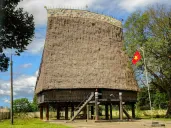
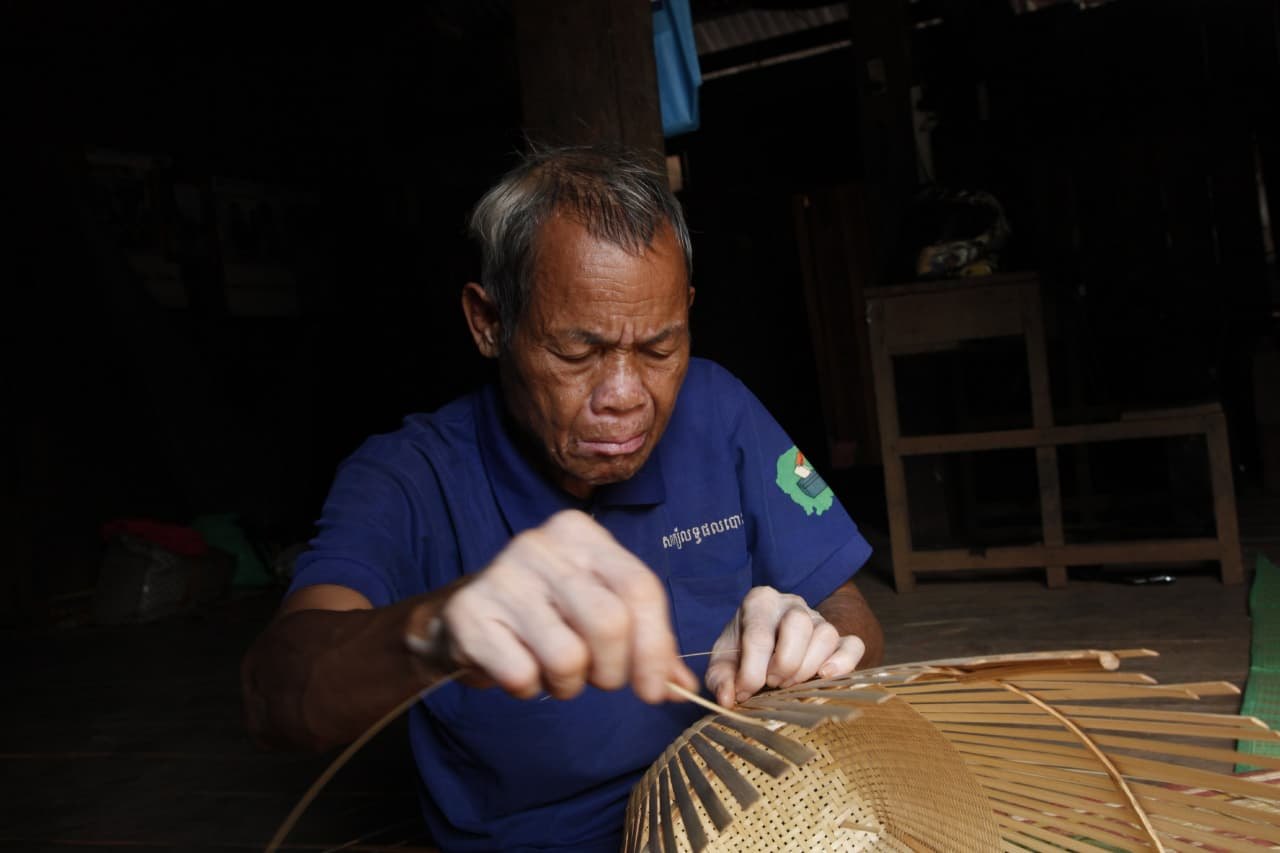
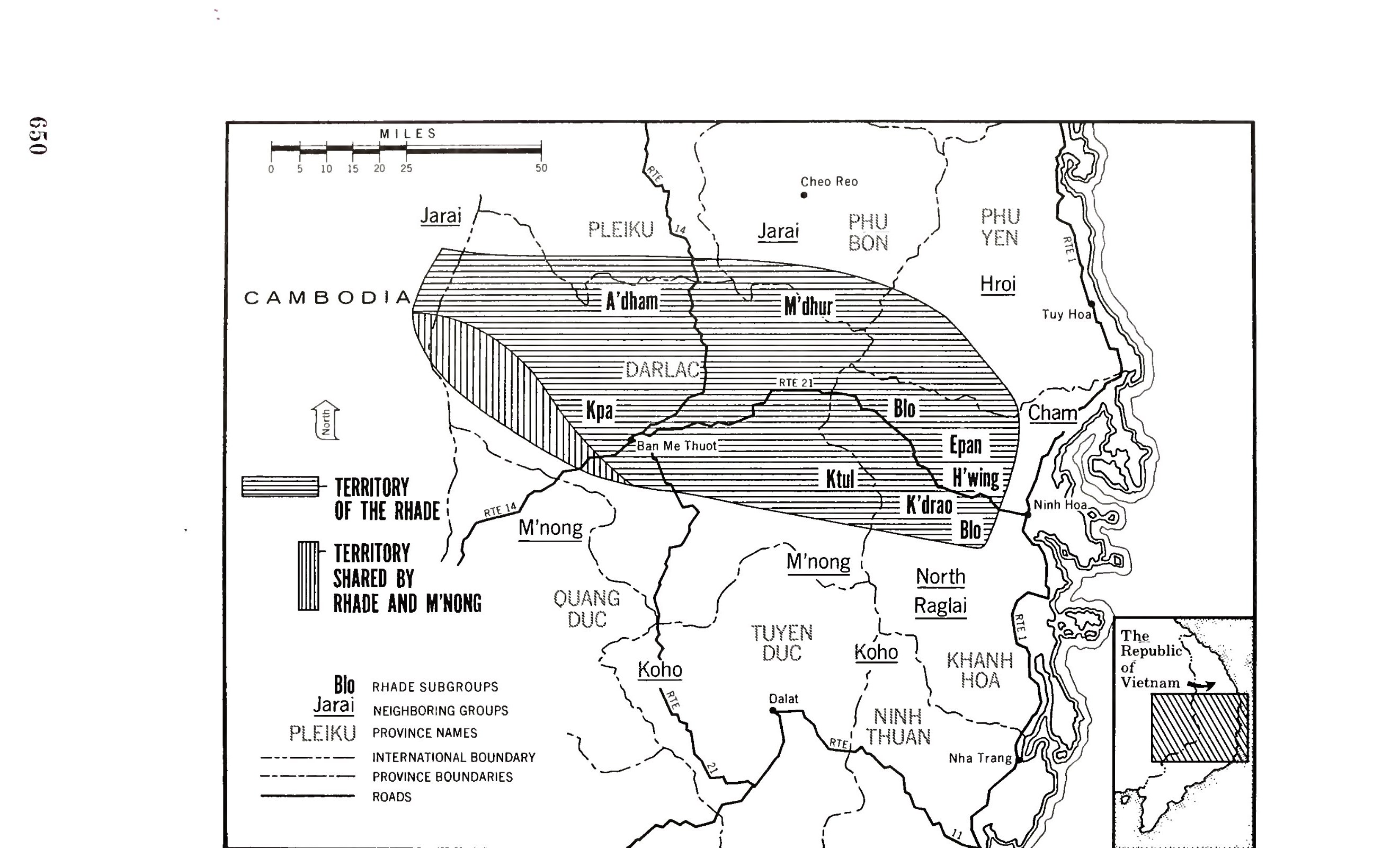
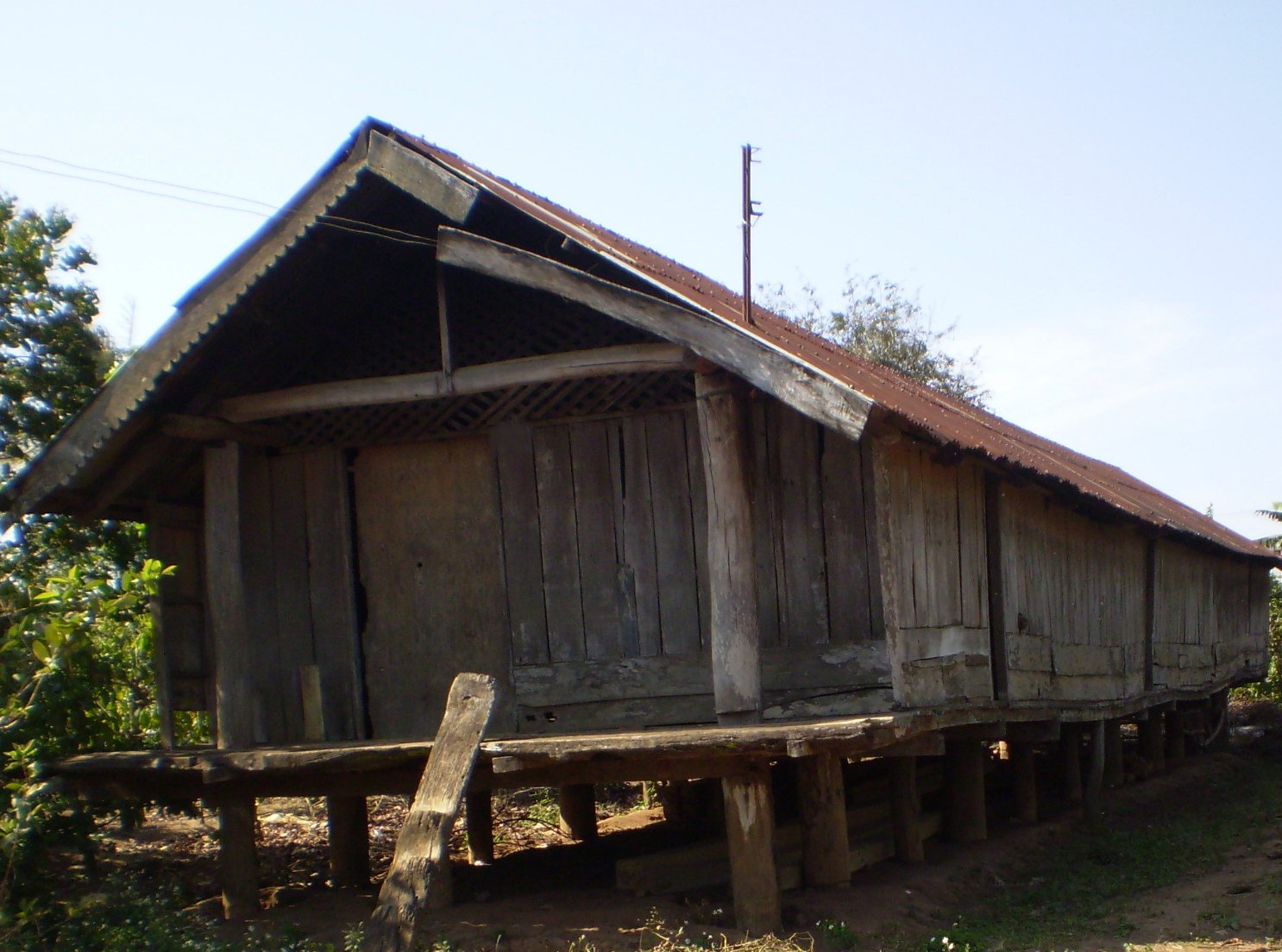
- 398,671 at the 2019 census, 270,348 in 1999, concentrated in Dak Lak around Buon Ma Thuot and reaching into Phu Yen, Khanh Hoa and Gia Lai. Matrilineal, and the longhouse people above all others: an extended family of several generations under one roof, with the senior woman holding the house, the harvest, the gongs and the jars, a hereditary guardian of the clan land called the po lan, and a male head who manages the day. Personal names carry a gender prefix, Y- for men and H’ for women, which is why so many names in the prisoner records on this site begin that way. The subgroups are the Kpa, the “true Rhade” around Ban Me Thuot, the Mdhur, Adham, Ktul, Epan, Blo, Kdrao and Hwing; the Bih, once counted as Rhade, went over to the Mnong. The name itself is disputed: the French made Rhadé out of the people’s own Ede, which some take for a kind of bamboo and others for a contraction of anak Ae Adie, the children of the Lord of the Sky. Rhade was the first of our languages to be written and codified into law, under the French résident Léopold Sabatier, who governed Darlac from 1914 to 1926, set up a Rhade court in 1923, founded the Franco-Rhade school with Antomarchi, and had the customary law collected; the Recueil des coutumes rhadées du Darlac was printed at Hanoi in 1940. Because the school at Ban Me Thuot taught it to boys from every people, Rhade became the common language of highland politics for two generations.

- Raglai Ra Glai, Raglay, Orang Glai, Rai; “the people of the forest”
- 146,613 in 2019, in the hills behind Nha Trang, Phan Rang and Phan Thiet, closer to the coast and to the Cham than any other highland people, and historically the custodians of the Cham kings’ regalia. The linguists count three Roglai languages, Northern, Southern and Cacgia, and place the Northern one beside the Cham of Phan Rang rather than beside its southern cousin; the census counts one people. Matrilineal, but among the Raglai it is the boy who courts, which the American handbook called “an unusual practice in a matrilineal society.” The Northern language is listed as threatened.
- Chu Ru Chưru, Chru, Churu, Cru
- 23,242 in 2019, a small Chamic people of the Lam Dong plateau, wet-rice farmers, long in contact with the Koho above them and the Cham below; the French found in the 1930s that some of them could read and write Cham. The language is listed as shifting.
- Haroi Hroi, Hroy, Bahnar Cham
- A few thousand people in the hills west of Qui Nhon and Tuy Hoa, whom the Americans counted in 1966 as an eastern subgroup of the Bahnar and the linguists today count as Chamic, a coastal Chamic language shaped by Bahnar neighbors. The state census does not list them at all. The language is listed as shifting.

The Bahnaric peoples (Austroasiatic)
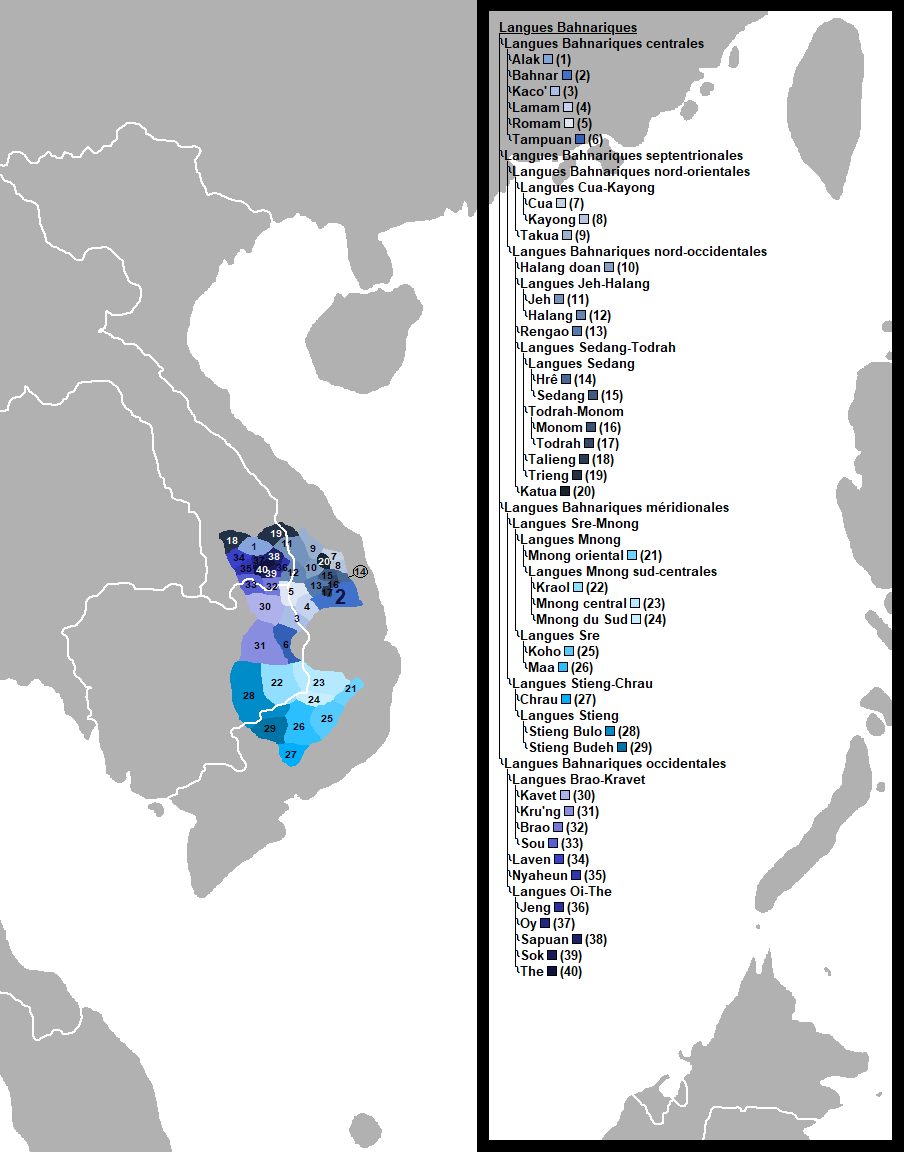
Bahnaric is a branch of the Austroasiatic family, whose relatives are Khmer, Mon and, at a considerable distance, Vietnamese; the French and American books called the family Mon-Khmer. About thirty Bahnaric languages are spoken by some seven hundred thousand people in Vietnam, Cambodia and Laos. The linguists have redrawn the tree more than once. The scheme this page follows is the current reference tree, which has a North Bahnaric group, a large West Bahnaric group, and Cua standing alone; the Bahnar language itself is on the western side, with the Tampuan of Ratanakiri, and the southern languages, Mnong, Stieng, Chrau, Koho and Ma, are a subgroup of the west. An older scheme, still in many books, had four branches, North, Central, West and East. The name Bahnar itself is thought to share a root with the Khmer phnom, mountain; the Bahnar chapter of the American handbook says the origin is unknown.

- Bahnar Ba Na, Bana, Bơnâr
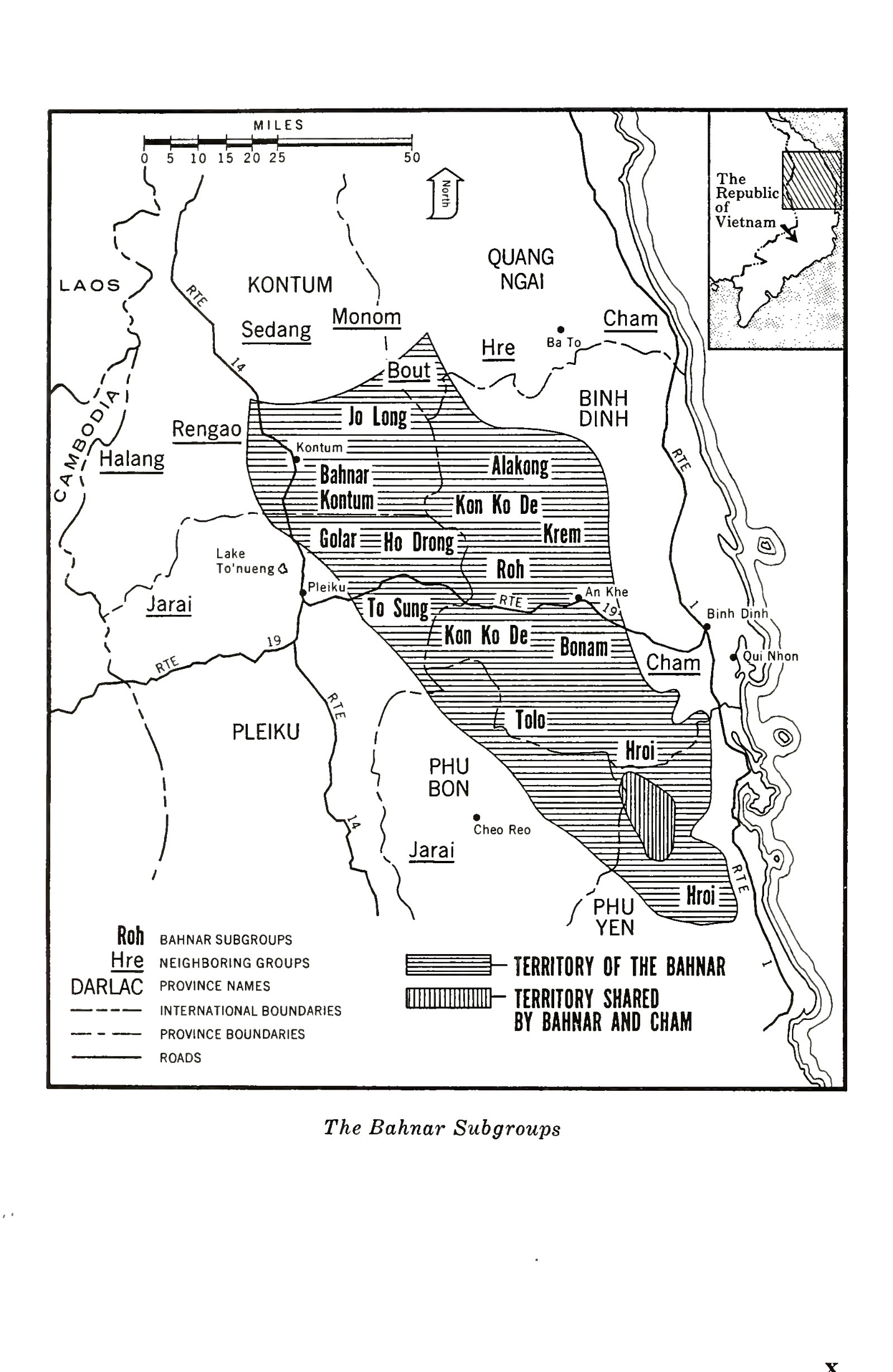
- 286,910 in Vietnam in 2019, 174,456 in 1999, mostly in Gia Lai and Kon Tum, from the Kon Tum plain east to An Khe. There is a Bahnar community in North Carolina and another in France, but no count of either that we can stand behind. The subgroups run from west to east: Jolong, Kontum, Golar and To Sung in the west, Alakong, Bonam, Tolo, Krem, Kon Ko De and Roh in the east; the Rengao of the country west of Kon Tum, a people the earlier ethnographers treated as distinct, were folded into the Bahnar by the state in 1979 and are still listed by the linguists as a language of their own, and a threatened one. Descent is reckoned on both sides, and either family may propose a marriage. Bahnar was the first highland language written in the Latin alphabet, by the French missionaries who went up from the coast in 1850 and settled among the Bahnar in 1851; a Bahnar catechism and a Bahnar dictionary, printed at Hong Kong in 1889, were the first books in any of our languages.

- Sedang Xơ Đăng, Xodang, Hdang; Ha(rh)ndea(ng) in their own account
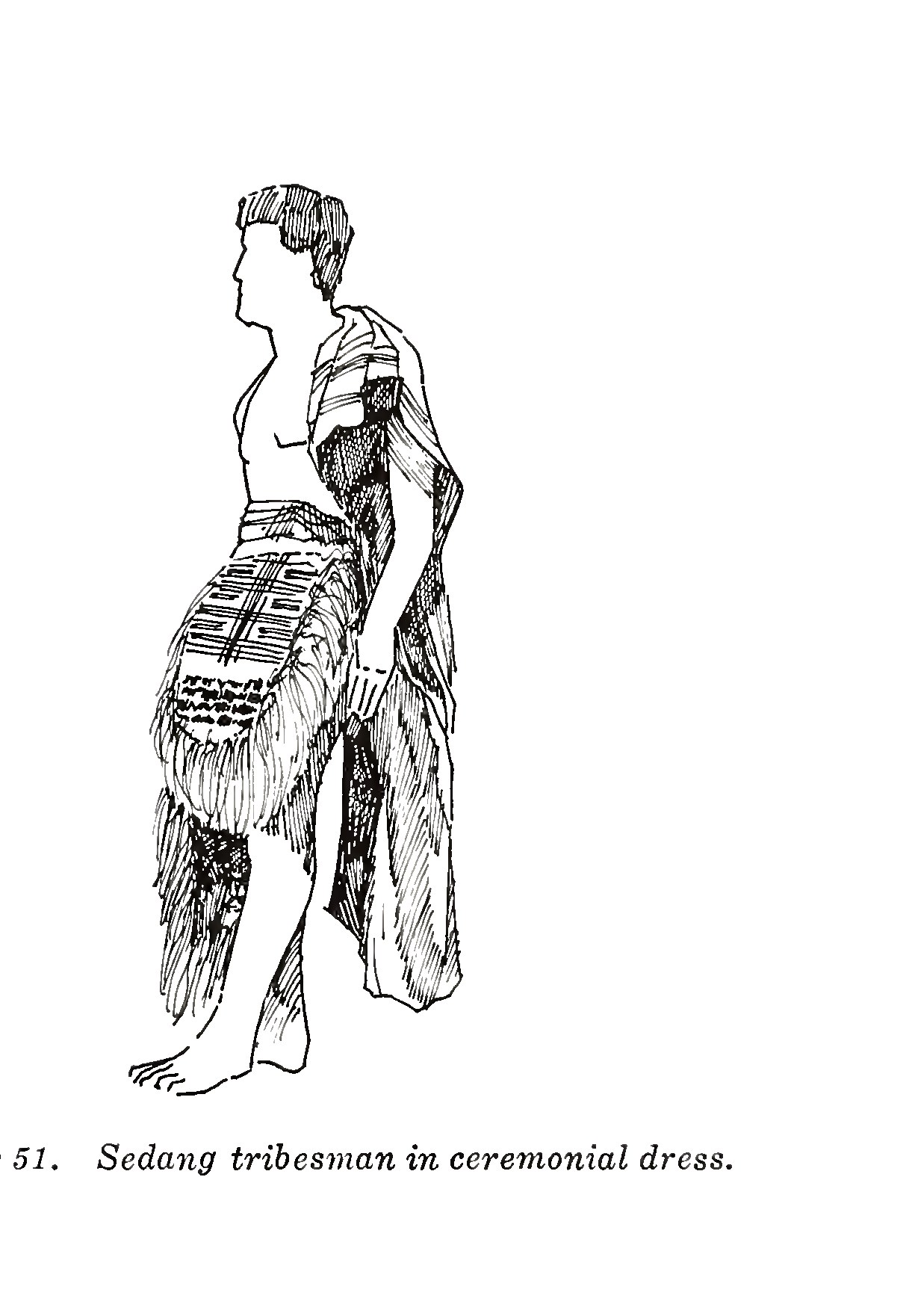
- 212,277 in 2019, north and northwest of Kon Tum toward the Ngoc Linh massif and Quang Nam, with villages across the Lao border. The state’s figure covers five peoples the linguists keep apart: the Sedang proper, the Todrah, the Monom, the Halang and the Kayong, each with its own language and its own name. Known historically for ironworking, for the fortified hill villages that made the northern highlands the hardest part of the country for any army to enter, and for the one attempt by a European to make himself their king, in 1888. The Sedang chapter of the American handbook calls their society patrilineal, with the household chief the eldest man, and records the harshest discipline of children on the plateau. The language is listed as vigorous.
- Mnong M’nông, Bunong, Phnông, Pnong, Bu Nong
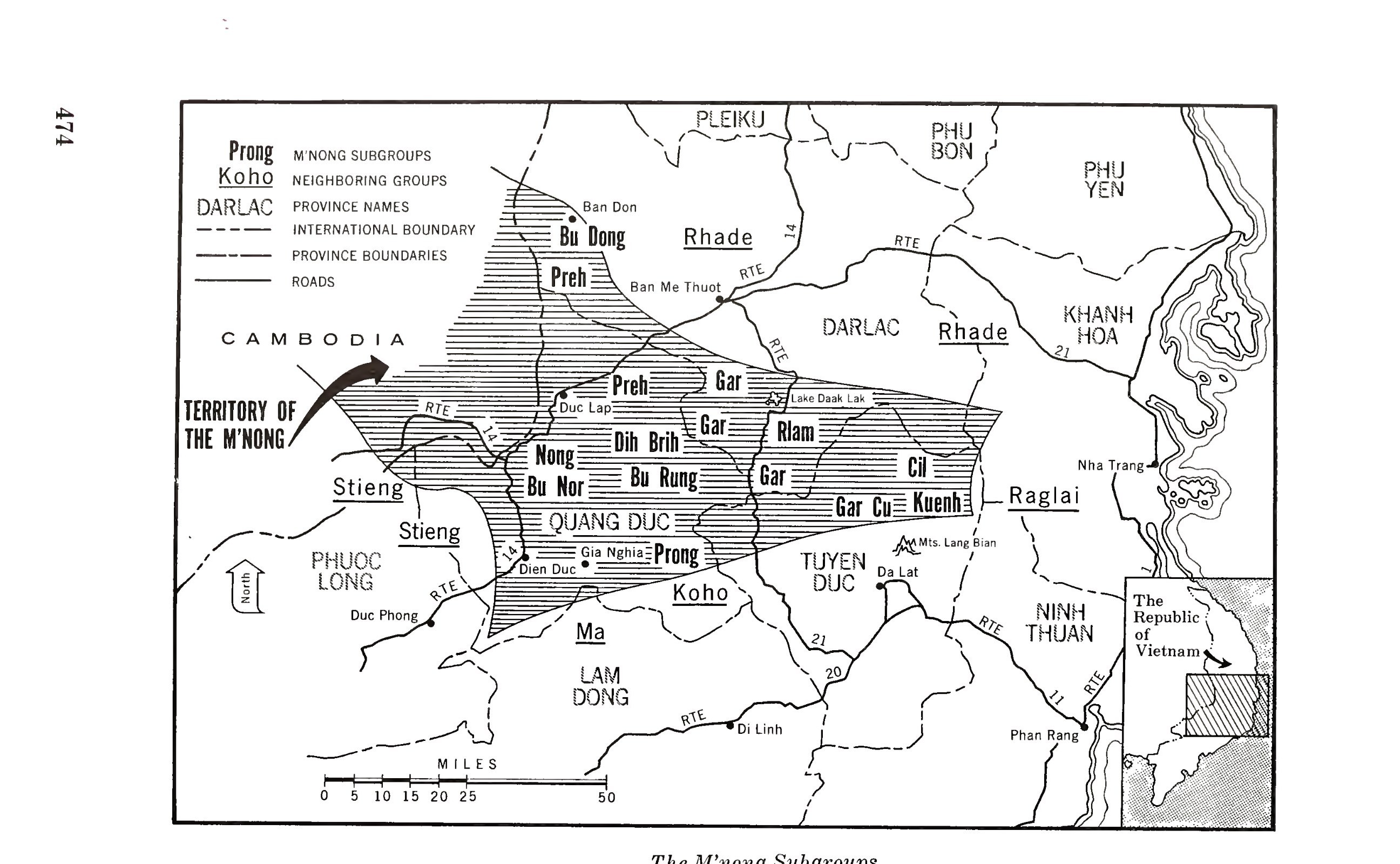
- 127,334 in Vietnam in 2019, in Dak Nong, southern Dak Lak and Lam Dong, and 36,585 in Cambodia, where they are the largest indigenous people of the kingdom and are called Bunong; the Khmer word Phnong, made from their own bu Nong, the people of the village, was for centuries the lowlanders’ word for every forest people east of the Mekong, with the meaning of savage. The Mnong straddle a frontier drawn in Paris, which is one reason Mondulkiri became the refuge it did: people crossing into Cambodia after 1975 and again after 2001 were in many cases crossing into the other half of their own community. Matrilineal; the girl’s side takes the initiative in marriage. The subgroups the Americans mapped were the Preh, Nong, Gar, Cil and Kuenh; the Gar, who called themselves the Phii Bree, the men of the forest, are the people Georges Condominas lived with at Sar Luk in 1948 and 1949. The linguists count three Mnong languages, Central, Eastern and Southern, and list the Central one, the Cambodian side, as vulnerable.

- Koho Cơ Ho, K’Ho, Kaho, Kơho; Sre
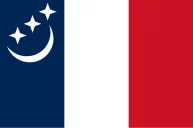
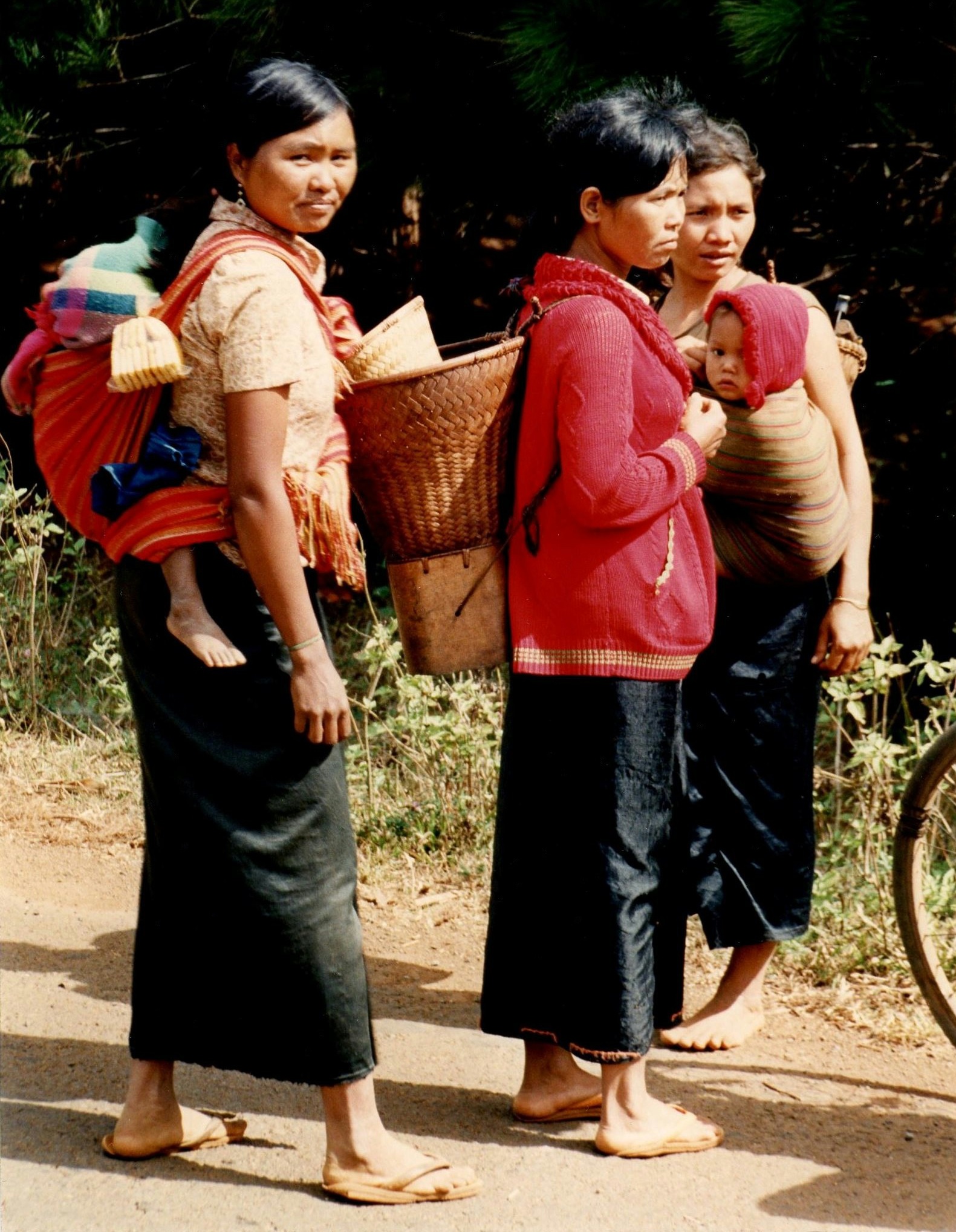
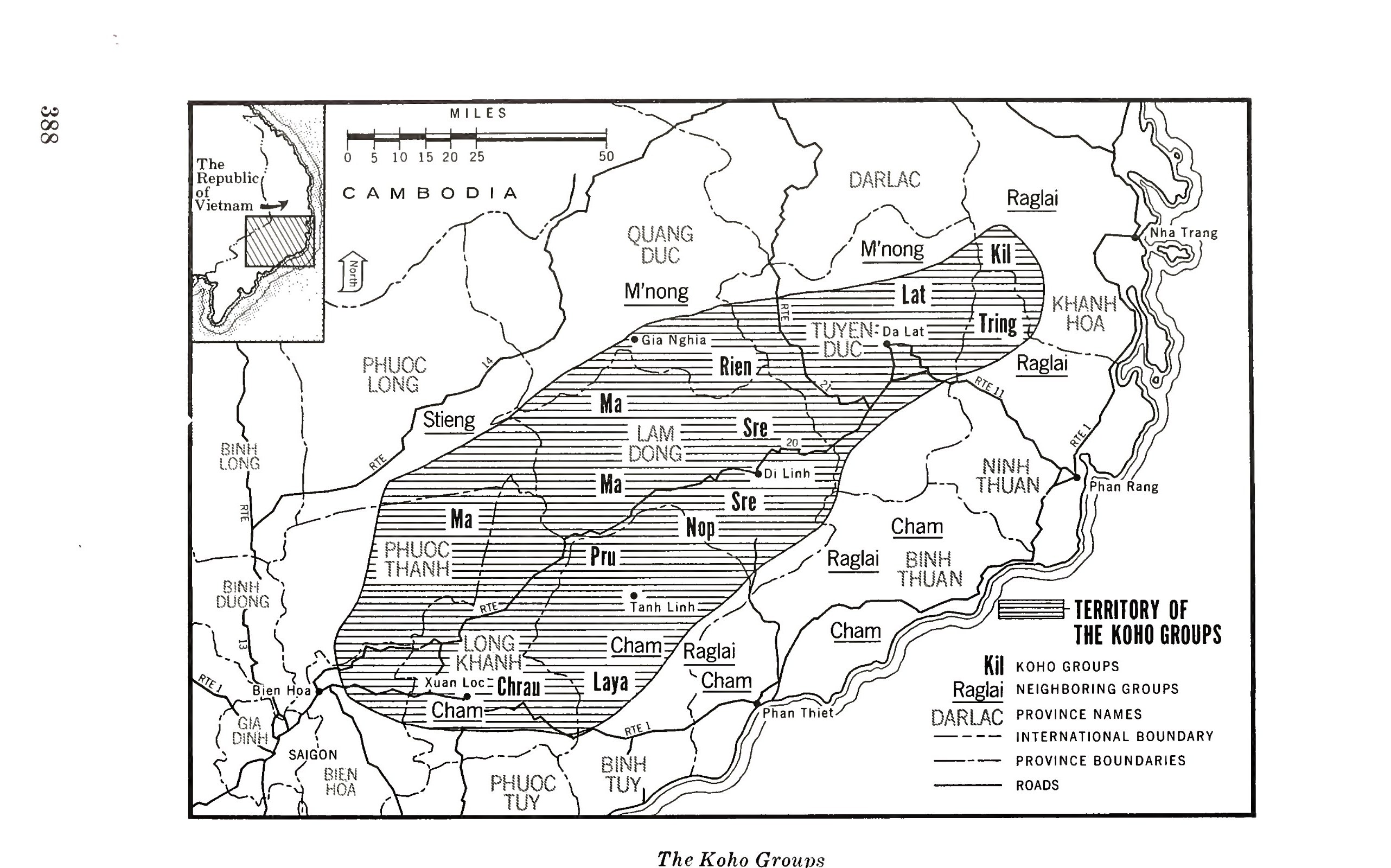
- 200,800 in 2019, on the Lam Dong plateau around Dalat and south of it, with several named subgroups, Sre, Chil, Lat, Nop, Tring, Rien and Laya; Dalat itself takes its name from the Lat, Đà Lạch, the water of the Lat people. The Sre, the largest of these, were a people in their own right in every book before 1979 and are a subgroup of the Koho in the state’s list. Matrilineal and matrilocal; the Koho woman chooses her husband, and daughters are preferred, because a daughter brings a son-in-law into the house. The K of BAJARAKA.
- Ma Mạ, Maa, Cau Ma, Chau Ma
- 50,322 in 2019, in Lam Dong and Dak Nong along the upper Dong Nai, the Da Dung of the older maps. Their language is one of the Koho group, and the state once counted them among the Koho; they differ from their Koho neighbors in reckoning descent through the father. Weavers: the Ma textile tradition is among the most distinctive in the highlands. It was among the Ma that Jean Boulbet found the third of the prehistoric stone lithophones in 1958.
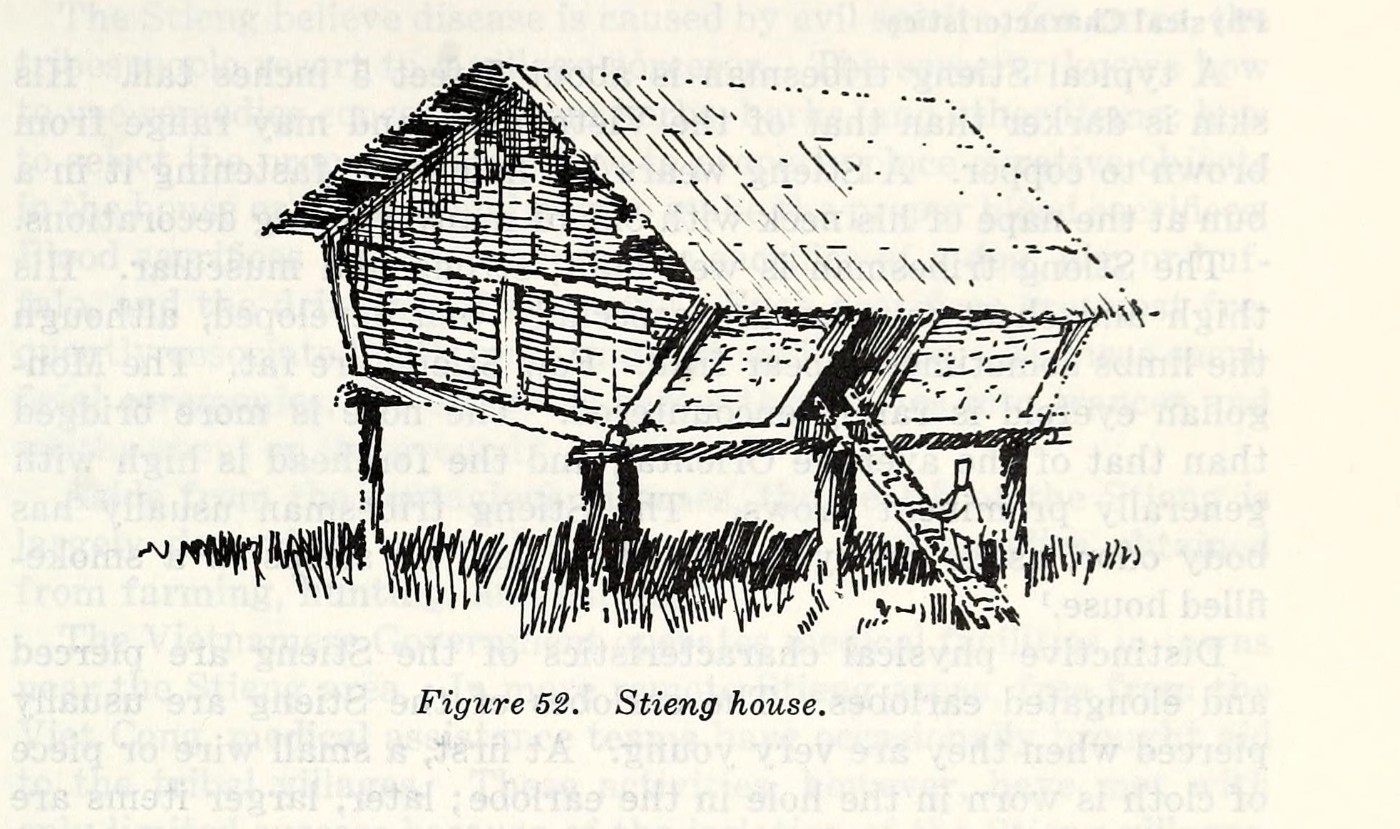
- Stieng Xtiêng, S’Tiêng, Bu Dip, Bu Lo, Budeh
- 100,752 in Vietnam in 2019 and 4,980 in Cambodia, on the southern edge of the plateau in Binh Phuoc and across the border, seventy-five miles north-northwest of Saigon. The first highland people any European described at length: Henri Mouhot spent the autumn of 1859 among them. Four subgroups, the Bulo, Budip, Budeh and Bulach; the linguists count Bulo Stieng, listed as shifting, and Budeh Stieng, listed as severely endangered, as two languages.
- Chrau Chơ Ro, Cho Ro, Jro
- 29,520 in 2019, the southernmost of our peoples, in the hills of Dong Nai between the plateau and the delta; a language of the Mnong-Stieng group, listed as vulnerable.
- Hre Hrê, Chăm Rê, Đá Vách, Mọi Đá Vách
- 149,460 in 2019, in the river valleys of the eastern Annamite range in Quang Ngai and northern Binh Dinh, on the coastal side of the crest. Their family names are Vietnamese, imposed under the emperor Tự Đức in the nineteenth century when the lowland Hre were made to register: the word binh, soldier, was written in front of every personal name in one district and became the family name of everyone there. A North Bahnaric language, closest to Sedang, and not endangered.
- Cua Co, Kor, Cor, Bòng Miêu, Traw
- 40,442 in 2019, in the Tra Bong country of Quang Ngai and Quang Nam, on the seaward side of the Ngoc Linh massif. The linguists set Cua apart from every other Bahnaric language, on a branch of its own. Listed as threatened.
- Jeh, Halang, Rengao, Todrah, Monom, Kayong, Takua Giẻ, Hà Lăng, Rơ Ngao, Tơdrá, Mơnâm, Ca Giong
- The North Bahnaric peoples of the Kon Tum mountains, each a language of its own in the linguists’ count and each counted by the state inside the Sedang, the Bahnar or the Gie-Trieng. The Jeh, 7,000 to 18,000 in the 1960s, live on the Poko and Dak Mi in northwestern Kon Tum and across into Laos; the Halang, whose name the handbook glosses as “mixed blood,” at the meeting of the three borders; the Rengao, whose name is a Bahnar word for frontier, west of Kon Tum. Halang and Rengao are listed as threatened.
- Gie-Trieng, Brau, Ro Mam Giẻ-Triêng, Brâu, Rơ Măm
- The far north and northwest of Kon Tum, at the Lao and Cambodian borders. The Gie-Trieng, 63,322 in 2019, are a West Bahnaric people whose language runs into Laos as Talieng. The Brau, 525 in 2019, and the Ro Mam, 639, are among the smallest recognized peoples in Vietnam and the most at risk of disappearing as distinct communities; Ro Mam, spoken in one village at Mo Rai, is listed as endangered. The Brau are the Vietnamese end of the Brao, 13,902 in Cambodia and 26,010 in Laos, of whom the Kreung and Kavet of Ratanakiri, 21,453 and 7,569 in the Cambodian count, speak dialects.
- Tampuan, Kaco’ Tompoun, Tumpuon; Kachok
- Bahnaric peoples of Ratanakiri with no community on the Vietnamese side. The Tampuan, 36,373 in 2024, are the second largest indigenous people of Cambodia and the closest relatives of the Bahnar; their plateau lies between the Sesan and the Srepok, and they were 28 percent of the aboriginal people of Stung Treng when the French counted them in 1930. The Kaco’, a few thousand people, are listed as vulnerable.
The Katuic peoples (Austroasiatic)
At the northern end of the chain, from the Khe Sanh country to the hills behind Da Nang, our peoples speak Katuic, a branch of Austroasiatic that is a sister of Bahnaric, not a part of it. The American handbook of 1966 already put the Bru in “the Katuic branch of the Mon-Khmer language family,” and the linguists have kept them there.
- Bru Bru-Vân Kiều, Brou, Vân Kiều, Ca-Lo, Leu
- 94,598 in Vietnam in 2019, in Quang Tri, Quang Binh and Hue, and some 69,000 in Laos and 25,000 in Thailand; the people of Khe Sanh. Patrilineal: the children bear the father’s name and a couple lives with the husband’s family. Their language is listed as vulnerable.
- Katu Cơ Tu, Kantu, Ca Tang; Manứih Cơ Tu in their own account
- 74,173 in Vietnam in 2019 and 28,378 in Laos, inland from Da Nang and Hoi An along the Giang, Cai and Boung rivers and over the crest into Sekong. The name was given by neighbors and means savage; their own word is Manứih, people, with the village name after it. The Katu language of Vietnam is listed as vigorous; the Phuong of Hue, some 15,000 people, speak a Katuic dialect often counted as a language of its own.
- Ta Oi Tà Ôi, Ta-Oy, Pacoh, Pa Cô
- 52,356 in Vietnam in 2019, in A Luoi and Huong Hoa, and 45,991 in Laos. The Pa Cô, who call themselves “the people who live behind the mountains,” are counted by the state as Ta Oi and have asked it to recognize their own name; it has not. Upper Ta’oih is listed as vigorous.
.jpg)
What the names do
Nearly every name in the lists above exists in three or four spellings: a Vietnamese official form, a French colonial form, an American military form, and the form the people use themselves. A prisoner appears in one record as Ê Đê and in another as Rhade; a village is buôn in Rhade and Mnong, plei in Jarai, kon or plei in Bahnar, and làng or thôn on the Vietnamese map that replaced them all. Anyone searching these records, a family looking for a relative, a lawyer building a case, has to search all the spellings. That is what the names and words page is for.
The state’s spellings are not only spellings. The list of fifty-four ethnic groups was drawn up by government ethnologists in 1979 on criteria taken, as the World Bank’s 2009 study of ethnicity in Vietnam puts it, from what Stalin had promoted in the Soviet Union: language, material culture and “ethnic consciousness.” The ethnologists found self-identification “too subjective” for a scientific classification, and where a people and the researchers disagreed about who the people were, an identity was “imposed.” The Sre and the Rengao, whom every book before 1979 had treated as peoples, were subsumed into the Koho and the Bahnar; the Pa Cô are Ta Oi whether they agree or not; the Haroi are nobody. The government’s ethnologists said the merging answered French and American “divide-and-conquer” strategies. Many of our communities still use their own names, and the World Bank concluded that local people “want a larger say and voice in the process of recognition and naming, rather than it being decided by outsiders.” Vietnam’s own delegation told the UN in 2023 that the country has fifty-four ethnic groups, fifty-three of them minorities, fourteen million people and 14.7 percent of the population. Every one of those numbers rests on a list we did not make.
Counting tribes
You will see “thirty tribes,” “thirty-two tribes” and “more than forty” in different Dega sources, and a different number again in the Vietnamese census. None of them is wrong. The American handbook of 1966 gave eighteen highland peoples a chapter each; the CIA counted “approximately 22” the same year; our own organization in North Carolina counts “over 28”; the Minority Rights Group says thirty or so; the Australian and British government notes say more than thirty. The linguists’ reference tree names more than forty living languages on the plateau and its borders. Vietnam’s list merges some communities that consider themselves distinct while separating others that do not. Our own counts usually follow the way villages describe themselves. Where this library needs a single figure it says which list it is using.
Two more things the counts hide. The census counts ethnic population, not speakers: the Jarai were 411,000 by ethnicity in 2009 but about 242,000 by language, the Rhade 331,000 and 177,000, the Sedang 169,501 and 97,000. And the linguists’ endangerment labels, drawn from the Ethnologue and UNESCO, mark Rengao, Halang, Cua, Chru, Haroi, Northern Roglai, Ro Mam, Kaco’, Chrau, Central Mnong, Bru and Budeh Stieng as threatened, shifting, vulnerable or endangered. A people can grow on the census and lose its language in the same generation, and that is what is happening to several of ours.
Learning and studying the languages
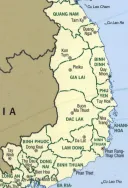
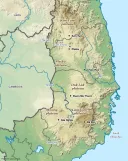
Dictionaries, grammars, recordings and the international codes for each of our languages are listed in Language resources. The peoples across the border in Cambodia are described in Kin across the border. The maps of the subgroups on this page come from the American army’s handbook of 1966, which is in our library; they are the only maps of our peoples at that scale that anyone has published, and they are sixty years old.
See also: The Rhade, The Jarai, The Bahnar, The Sedang, The Mnong, The Stieng, The Koho, Maa, Churu and Raglai, The smaller peoples, A map of the highlands, Writing our languages, Before history.
Sources
- Vietnam’s census totals for 1999, 2009 and 2019 as reported in Rade people, Jarai people and the other group articles, in Ethnologue, and in the UK Home Office Country Policy and Information Note (December 2024). These are the Vietnamese state’s own counts; we cite them through independent reference works, not the state’s publications.
- Glottolog 5 (Hammarström et al.), Bahnaric and the pages for each language — the classification followed on this page, which Glottolog takes from Paul Sidwell, “Classification of MSEA Austroasiatic languages” (2021); Sidwell, “How many branches in a tree? Cua and East (North) Bahnaric,” in Discovering History Through Language (Pacific Linguistics, 2009), ANU — the four-branch scheme; Sidwell and Jacq, A Handbook of Comparative Bahnaric, vol. 1 (2003), ANU
- Encyclopedia Britannica, Chamic languages and Austroasiatic languages; Graham Thurgood, From Ancient Cham to Modern Dialects (University of Hawai‘i Press, 1999) — the Highlands and Coastal Chamic groups, as summarized in Chamic languages
- US Army, Minority Groups in the Republic of Vietnam (1966), DCHO library — the eighteen tribal chapters, the subgroup lists, the maps, the meanings of Rhade, Halang and Rengao, the Hre family names, the Katuic Bru; Gerald C. Hickey, The Major Ethnic Groups of the South Vietnamese Highlands (RAND RM-4041, 1964), DCHO library — the subgroups, the 1960 counts, the Bih
- Gerald C. Hickey, Sons of the Mountains (Yale, 1982), appendices on tribal distribution; Oscar Salemink, The Ethnography of Vietnam’s Central Highlanders (2003), on how tribal categories were made and remade by successive administrations
- World Bank, Country Social Analysis: Ethnicity and Development in Vietnam (2009), DCHO library, and the summary report — the 1979 classification, Stalin’s criteria, “imposed,” the Sre and the Rengao, the Pa Cô; Charles Keyes, “The Peoples of Asia,” Journal of Asian Studies 61 (2002), as quoted there
- Cambodia Indigenous Peoples Organization, National Report on the Demographic and Socio-Economic Situation of Indigenous Peoples in Cambodia: Update 2024; CamboJA News, December 13, 2024; Cambodianess, December 13, 2024 — Bunong 36,585, Tampuan 36,373, Jarai 26,922, Kreung 21,453, Kavet 7,569, Stieng 4,980; Khmer Loeu and Brao people — the 2008 and 2013 counts for Cambodia and Laos
- Mathieu Guérin, Des casques blancs sur le Plateau des Herbes (2003), DCHO library — bu Nong and Pnong, the Tampuan plateau, the count of 1930; Thao et al., PLOS ONE 19 (2024), open access — the genetics of the two families
- OHCHR, summary of the CERD dialogue with Viet Nam (November 2023) — the delegation’s fifty-four groups and 14.7 percent; Minority Rights Group, Highlanders in Vietnam
- Our own records
Compiled September 2026. The tree of the Bahnaric languages is the linguists’ current reference tree; the subgroup names are the American army’s of 1966 and are given as it spelled them. Corrections to spellings, subgroup names and locations are welcome and will be credited unless you ask us not to.