
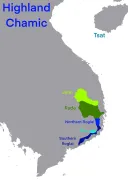
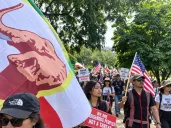
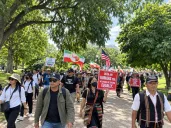
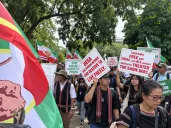
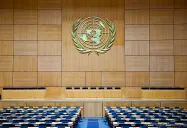
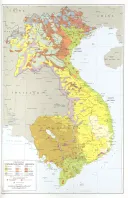
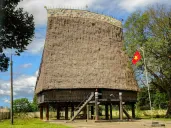
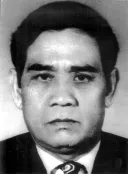
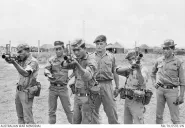

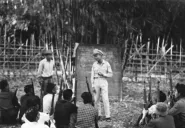
Three aims, rooted in FULRO’s first declarations of 1964 and 1965 and set down in this form before the United Nations in 1993, pursued since October 1992 by peaceful means only. Beneath them, the rights the world now recognizes for indigenous peoples, every one of which has been taken from us; and at the end, four things a government that wanted to could do next week.
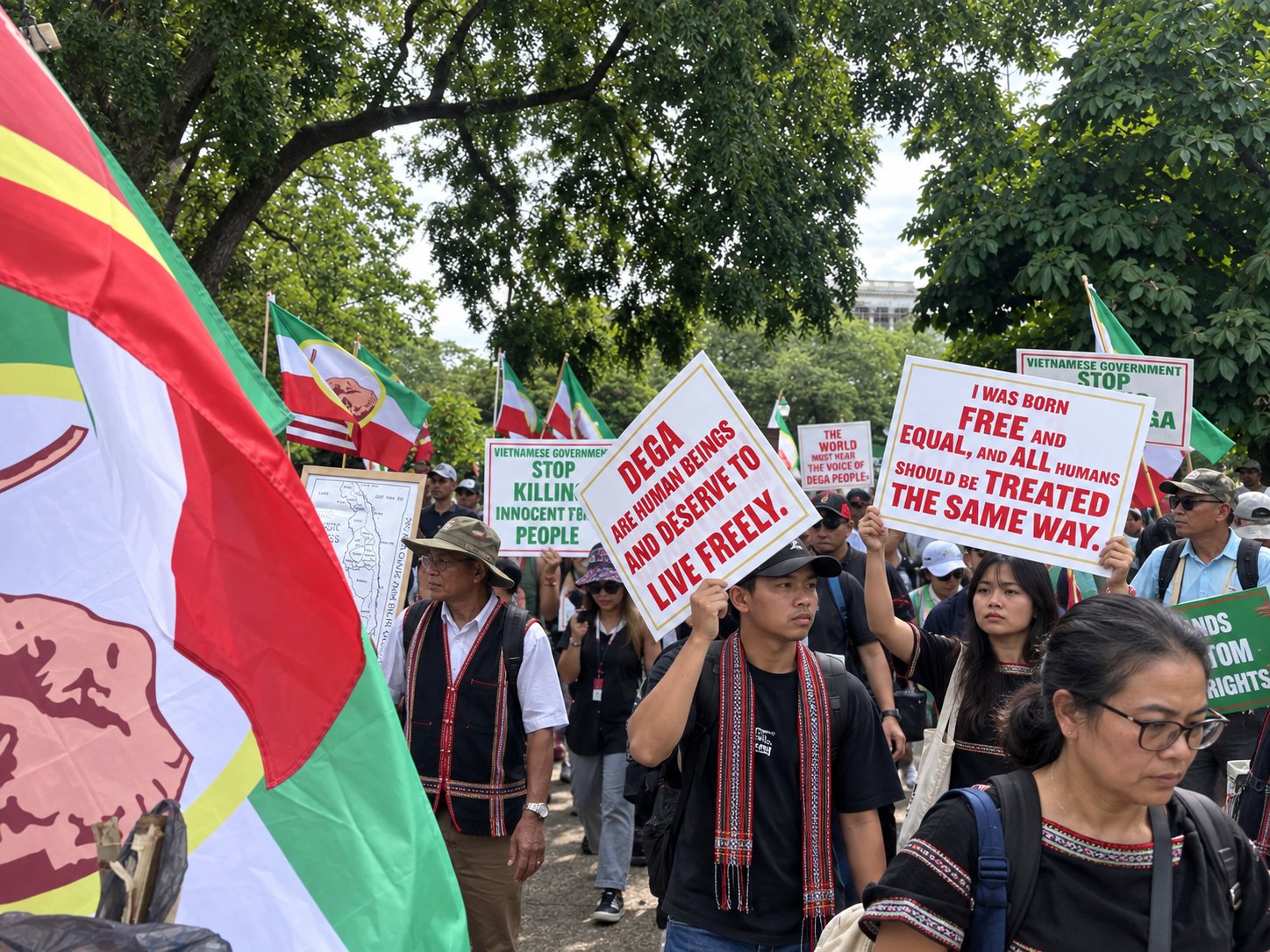
What we ask
- That the Dega be recognized as the legitimate owners of the Central Highlands
- That the Vietnamese administration of the Central Highlands be dismantled and the occupying military forces withdrawn
- That Dega sovereignty over the Central Highlands be restored, and the independence of the Dega people guaranteed by the United Nations
The first aim is about the past: that the land was ours before any of the states that have ruled it, and that nothing any of them did made it theirs. The second is about the present: that the government now in the highlands governs by force, not by our consent. The third is about the future, and it names the United Nations because we have never believed that a settlement between us and a government in Hanoi could hold without a guarantor that both have to answer to.
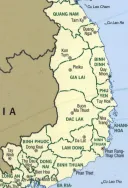
These are the aims of a people, not of a party, and they are older than this organization. The pages of this library that tell our history, from the territory of 1946 to BAJARAKA and FULRO, are the record of how they came to be asked for.
Where the aims come from
When the highland, Cham and Khmer Krom movements joined in FULRO on August 1, 1964, their founding proclamation said simply, “We establish FULRO to release us from their yoke.” A declaration printed with it, in the documents FULRO took to the Conference of Indochinese Peoples at Phnom Penh in 1965, named the goal as the survival of our peoples and of their cultural, spiritual and racial heritage, and “the independence of our country.” Those are FULRO’s own words, as the historian William Noseworthy printed them in translation in 2013; the article is in our library.
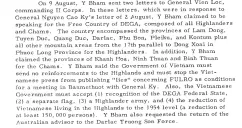
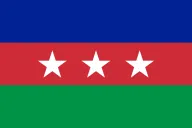
What FULRO put across the table to Saigon was narrower, because the war left no room for more. On October 31, 1964, Y Bham Enuol sent the government FULRO’s demands: a special charter for the highlands with a highland chairman at Ban Me Thuot, a highland flag, a highland army of 50,000 men, public services and schools, the right to levy taxes and vote a budget, courts of our own, and the right to receive foreign aid directly. In August 1965 he wrote in the name of “the Free Country of DEGA”, and asked Saigon to recognize a Dega federal state with its own flag and army and to reduce the number of Vietnamese living in the highlands to what it had been in 1954. In November 1965 FULRO wrote to the presidents of France and the United States and to the UN Security Council, asking that the highlands be placed under a temporary UN trusteeship until, in the CIA’s summary of the letters, “the Highlanders were ready for full independence.” That letter is where the United Nations enters our aims, and it has stayed there.
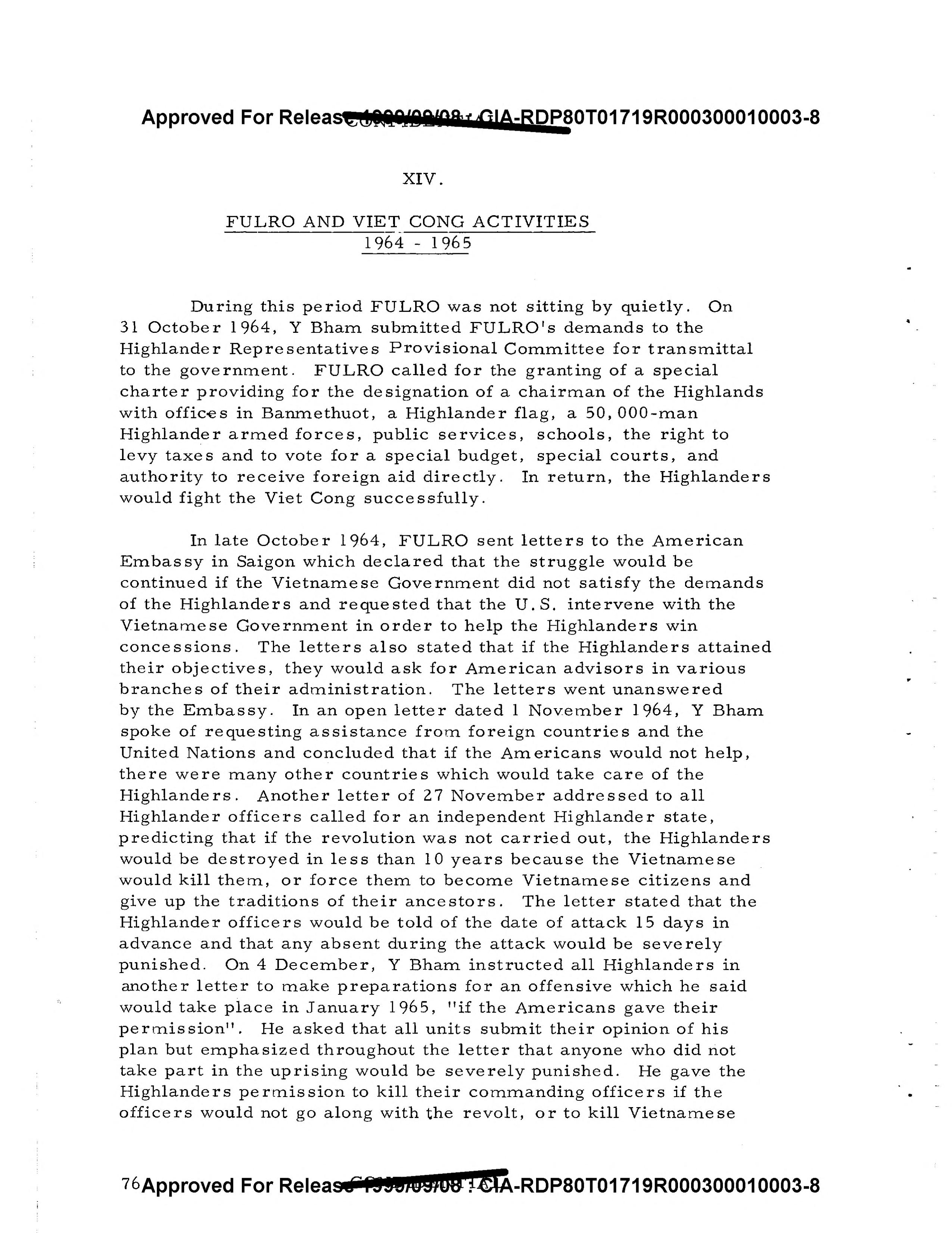
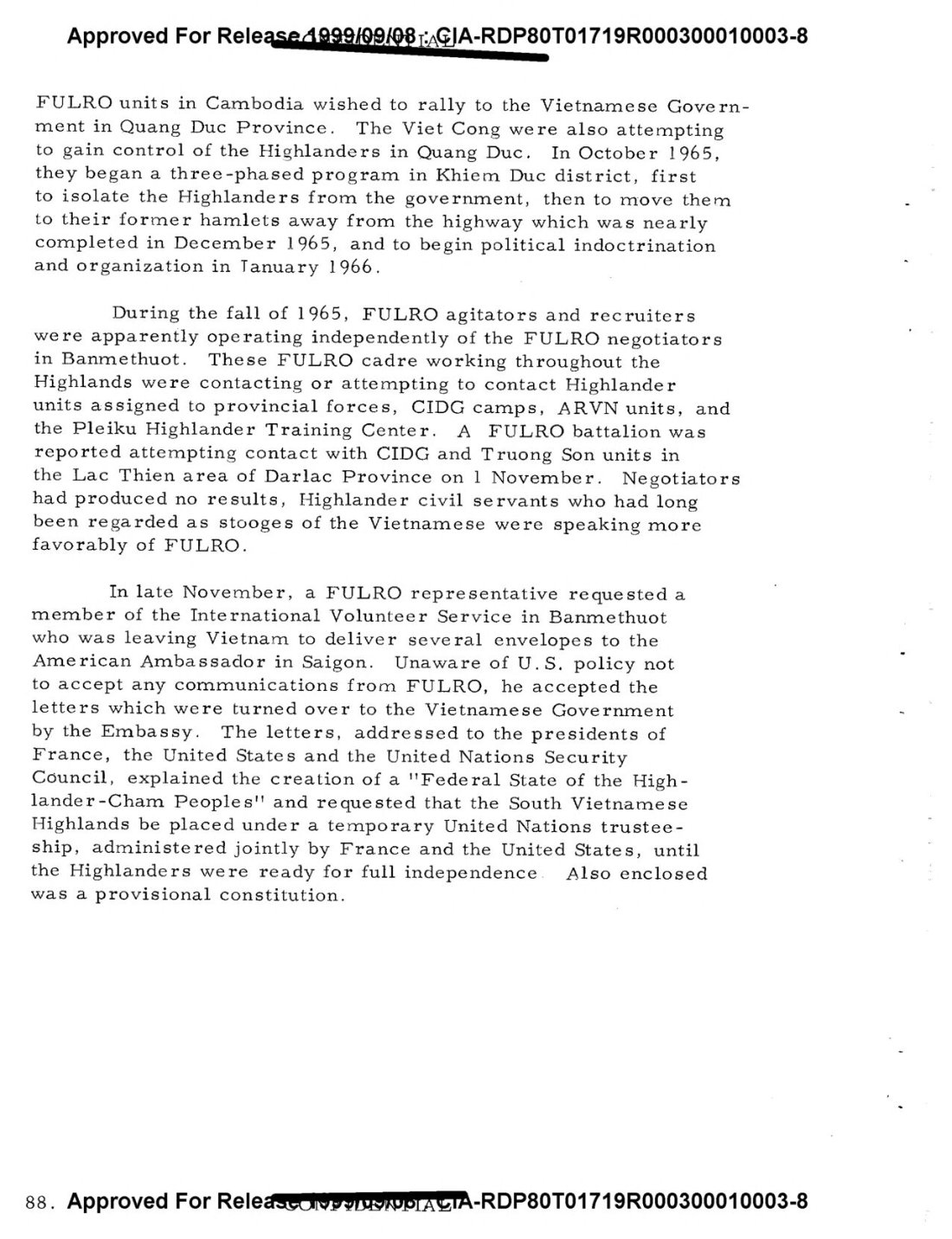
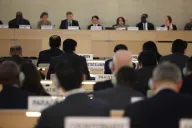
On May 4, 1967, by our own records, Y Bham Enuol put eight points to Saigon: a special statute and constitution for the Dega, a Dega armed force, the return of Dega civil servants and soldiers to the highlands, the right to receive aid directly from abroad, the Dega flag flown at the height of the Vietnamese flag, a marked boundary for the highlands, and a Dega seat at any Geneva conference or other international conference on our future. After 1975, with the Republic of Vietnam gone and our leaders dead or imprisoned, what was left to ask of the new government was no longer a charter. Our submission to the United Nations Working Group on Indigenous Populations, presented in Geneva in July 1993, set the demands down in the form they have kept since: “To recognize the Dega people as the legal and true masters of the Central Highlands”; “To withdraw all Vietnamese administration and military structures from the Central Highlands”; “To return to the Dega people their territory sovereignty and self-determination rights”; and “To return to the Dega people their independence.” The three aims above are those four demands in plainer English.
Why the aims still stand
A reader of the record will find two moments when our leaders seemed to give the aims up, and we would rather point to them than have them found. On September 23, 1965, in talks with Saigon, Y Bham Enuol put forward eight points and set aside the demand for territory. On October 10, 1992, when the last FULRO fighters in Mondulkiri gave their weapons to UN peacekeepers, their commander’s handwritten statement said that they had “agreed to dismantle our military and political movement.”
Neither was a decision of our people, and neither was made by people free to refuse. The first was a bargaining position taken in the middle of a war by a leader trying to win something for his people that year; the second was the surrender of four hundred exhausted men, women and children who had just learned that their president had been dead for seventeen years. What those men dismantled was an army, and they were right to: armed struggle had no future and our people have not taken it up since. What they could not dismantle was a claim that belongs to every Dega family, and that no assembly sitting under the control of the government that holds our land can rescind on our behalf.
The rights these rest on
Our aims are not our invention, and neither are the rights beneath them. In 1983 José Martínez Cobo, the special rapporteur of the UN Sub-Commission, finished the conclusions of his study of discrimination against indigenous populations, the study that opened the United Nations’ work on indigenous rights. It covered, chapter by chapter, most of the rights below. In 2007 the UN General Assembly set them down in the Declaration on the Rights of Indigenous Peoples, and Vietnam voted for it. Here they are, with the article of the Declaration that now states each one, and what the highlands have instead.
| The right | In the Declaration | In the highlands |
|---|---|---|
| To call ourselves by our own name and express our own identity freely | Articles 13 and 33 | The state’s word for us is “ethnic minority.” Vietnam told the UN in 2023 that it has no indigenous peoples and no “so-called ‘indigenous Montagnard’”, and again at its review in 2024 |
| To have official standing and form our own representative organizations | Articles 4, 5 and 18 | Two overseas Montagnard organizations designated “terrorist organizations” on March 6, 2024 |
| To keep our own economy and way of life | Articles 8 and 20 | Replaced by program: land development centers from 1956, fixed cultivation and settlement after 1975 |
| To use our own languages in public life and in schooling | Articles 13 and 14 | Not used in either. A member of the UN committee on racial discrimination told Vietnam in 2023 that 31 percent of minority children reach upper secondary school, against 63 percent of Kinh children; the committee itself asked what the closing of village schools in favor of distant boarding schools had done |
| To practice our religion freely | Article 12 | Dega Protestantism banned by name in February 2005; forced renunciation of faith reported by UN committees in 2019 and 2023, and by the US Commission on International Religious Freedom in 2026 |
| To our land and its resources | Articles 26, 27 and 28 | Village land certified to others; forest cover in the Central Highlands down from 42.8 percent of the land in 1990 to 19 percent in 2020 |
| To run our own schools | Article 14 | No Dega school system exists |
Seven for seven.
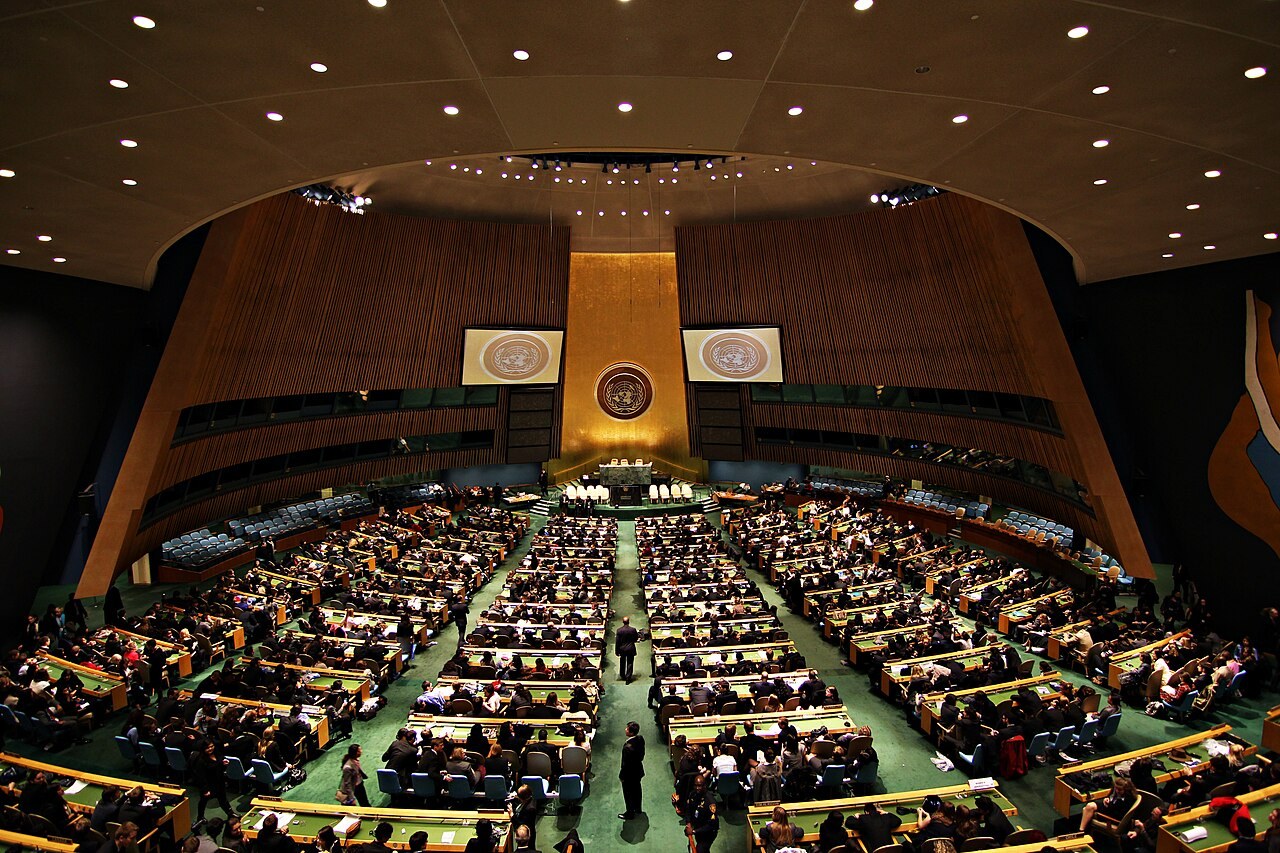
The UN’s own treaty bodies have reached the same conclusion from the other direction. The Committee on the Elimination of Racial Discrimination asked Vietnam in 2012 to respect our right to name ourselves, and named us as the “Degar (Montagnard)”; in December 2023 it found Vietnam “reluctant to engage in open and inclusive discussions on the recognition of Indigenous Peoples, including the Khmers-Krom and Montagnards,” and recommended that it recognize them and ratify ILO Convention No. 169. The Human Rights Committee, in July 2025, remained concerned “that the State Party does not recognize the Indigenous Peoples in its territory.” The committee on racial discrimination’s General Recommendation No. 23, which it cited to Vietnam by name, calls on states “to recognize and protect the rights of indigenous peoples to own, develop, control and use their communal lands, territories and resources,” and, where land has been taken without free and informed consent, “to take steps to return those lands and territories.”
.jpg)
What we do not ask
We do not ask for the removal of the Vietnamese people who now live in the highlands. Most of them came because governments brought them or drew them: more than a hundred thousand were settled in the highlands by the end of 1962, many of them refugees from the north, and after 1975 the New Economic Zones and the coffee boom brought hundreds of thousands more. In Dak Lak alone, between 1976 and 1996, the province took in 311,764 planned migrants and about 350,000 who came on their own. Those programs were instruments used on the settlers as much as on us. Many of their families are now in their second and third generations in the highlands. They are neighbors, not defendants.
We do not ask for reprisals, for the prosecution of individuals for the acts of a state, or for the redrawing of anyone else’s borders. And we do not ask anyone to take our account on trust, which is why every page in this library carries its sources and says where it is thin.
What could be done immediately
The three aims are a settlement, and settlements take a generation. In the meantime there are four things a government wishing to change the situation could do without conceding anything about sovereignty. Their absence is itself evidence of intent.
- Release the prisoners of conscience. Everyone held for speech, for worship or for trying to leave, under articles 109, 113, 116, 117, 118, 120, 121 and 331 of the Criminal Code of 2015, and an independent account of every death in custody since 2001, beginning with Y Pum Buonya, who died in custody on March 8, 2024 after being tortured, according to UN experts. The names we know are in the prisoner records.
- Let the highlands be visited. Unescorted access for the UN’s special procedures, for UNHCR and for independent journalists, to the districts of their choosing. Vietnam has no standing invitation to the special procedures. The special rapporteur on the rights of Indigenous Peoples asked to visit in 2020, and the request lies inactive; the last visit of the special rapporteur on freedom of religion, in July 2014, was interrupted in Gia Lai and Kon Tum. A government with nothing to conceal loses nothing by letting them in.
- Recognize communal tenure. A procedure by which a village can register the land it holds in common and contest a certificate issued over it, heard by somebody other than the authority that issued it. The Land Law of 2024 names “residential communities” as land users, but bars them from bequeathing their land, and from transferring, leasing or mortgaging land allocated to them free of charge. What we ask is almost word for word article 27 of the Declaration Vietnam voted for: “a fair, independent, impartial, open and transparent process, giving due recognition to indigenous peoples’ laws, traditions, customs and land tenure systems.”
- Stop the forced renunciations. Vietnam’s own Law on Belief and Religion of 2016, in article 5, already forbids “forcing others to follow or not to follow” a belief or religion, as the decrees of 2005 did before it. In 2023 the UN committee on racial discrimination asked Vietnam to investigate and prosecute the harassment of those “who refuse to renounce their religion or belief,” and to take immediate steps to stop the use of force against them. Enforcing an existing law requires no new law and no admission.
On the word “independence”
It is the word in FULRO’s first declaration and in our submission of 1993, and we do not soften it. But the argument in this library does not depend on it, and a reader who rejects it should notice how much is left. Every item in the list above is available to a person who thinks the Central Highlands should remain part of Vietnam. Nothing there requires a border to move.
International law is built to hold both ideas at once. The two Covenants that Vietnam joined in 1982 begin with the same article: “All peoples have the right of self-determination.” The Declaration of 2007 gives indigenous peoples that right in article 3, the right to autonomy in their own affairs in article 4, and in article 46 a guarantee to states that nothing in it authorizes dismembering their territory. Martínez Cobo concluded in 1983 that self-determination has “internal and external expressions” that do not necessarily include the right to secede, and that “the right may in fact be expressed in various forms of autonomy within the State.” The UN’s Friendly Relations Declaration of 1970, the text most often cited to protect the borders of states, protects them for states “possessed of a government representing the whole people belonging to the territory,” without distinction as to race, creed or color. How far that condition reaches is argued among lawyers; what is not argued is that it is a condition.
Vietnam has chosen to treat even the gentlest of these ideas as a threat. It told UN experts in July 2023 that people who invoke the concept of indigenous peoples do so to “incite secessionist ideas, threaten national security, and infringe upon Viet Nam’s sovereignty.” A state that answers a request for a village land register as though it were a declaration of independence is the one that turns a dispute about land and worship into a dispute about sovereignty, and it does so from its own side. The whole of that record is in Vietnam and the Declaration.
How we pursue it
By documenting, publishing and submitting: to the UN treaty bodies, to the special procedures, to the Universal Periodic Review, to governments, and to anyone who will read the record. This library is part of that work. When armed men attacked two police stations in Dak Lak on June 11, 2023, we denied any part in it, and the UN’s own letter to Vietnam about the trial that followed records that the Dega organizations abroad, ours among them, had done so.
The armed struggle ended in Mondulkiri on October 10, 1992 and will not resume. That is a permanent decision, and it is not conditional on being answered.
Sources
- FULRO, proclamation of August 1, 1964 and declaration of aims, printed in Front unifié de lutte de la race opprimée: Historique (Phnom Penh, 1965), as translated in William B. Noseworthy, “Lowland Participation in the Irredentist ‘Highlands Liberation Movement’ in Vietnam, 1955–1975,” ASEAS 6 (2013), in our library
- CIA, The Highlanders of South Vietnam (June 1966): FULRO’s demands of October 31, 1964, the letters of August 9 and September 23, 1965, and the letters of November 1965 to France, the United States and the UN Security Council, in our library
- Our own records: the eight points of May 4, 1967, and our submission to the UN Working Group on Indigenous Populations, Geneva, July 1993
- “Montagnards End Fight Against Hanoi,” Washington Post, October 11, 1992
- José R. Martínez Cobo, Study of the Problem of Discrimination against Indigenous Populations, conclusions (E/CN.4/Sub.2/1983/21/Add.8), paragraph 581
- UN Declaration on the Rights of Indigenous Peoples (2007), in our library; International Covenant on Civil and Political Rights and International Covenant on Economic, Social and Cultural Rights, article 1; UN General Assembly resolution 2625 (XXV), the Friendly Relations Declaration (1970)
- Committee on the Elimination of Racial Discrimination, General Recommendation No. 23 (1997); concluding observations on Viet Nam, CERD/C/VNM/CO/10-14 (2012), in our library, and CERD/C/VNM/CO/15-17 (2023), in our library; summary of the dialogue with Viet Nam (November 30, 2023)
- UN Human Rights Committee, concluding observations on Viet Nam, CCPR/C/VNM/CO/3 (2019), in our library, and CCPR/C/VNM/CO/4 (2025), in our library
- UN special procedures: communication AL VNM 4/2024 (June 14, 2024) and press release of August 28, 2024; Viet Nam’s reply of July 27, 2023; list of standing invitations and of country visits (September 2026); report of the Working Group on the Universal Periodic Review, A/HRC/57/7/Add.1 (2024)
- Human Rights Watch, Repression of Montagnards (2002), in our library; Montagnard Christians in Vietnam (2011), in our library
- Criminal Code of 2015, in our library; Law on Belief and Religion (No. 02/2016/QH14), article 5; Land Law (No. 31/2024/QH15), articles 3, 16 and 39
- Gerald C. Hickey, The Highland People of South Vietnam (RAND, 1967), in our library; Coffee Watch, Robusta’s Reckoning (June 2026)
Compiled September 2026. This is a statement of position, not a report; if you think an item here is wrong or unachievable, we would rather hear it than not.