
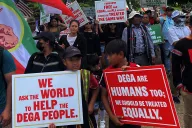











Most Dega Protestants belong to congregations the state does not recognize. The largest state-recognized Protestant church is the Evangelical Church of Vietnam (South), and the choice put to highland house churches for twenty-five years has been the same: join it, or be treated as “Dega Protestants,” a label the state treats as political separatism.
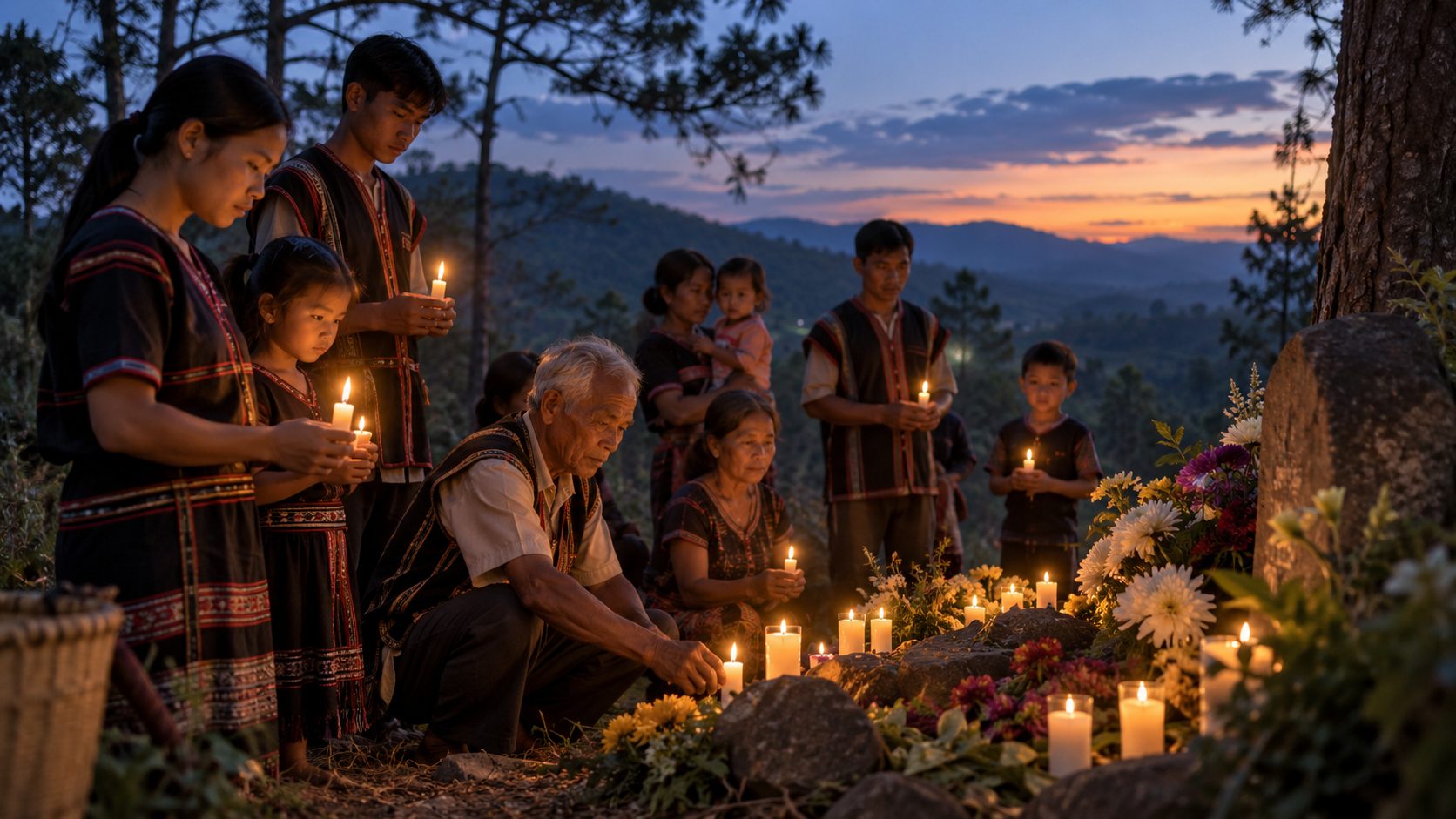
The recognized church
The Evangelical Church of Vietnam (South) was given legal recognition in April 2001. Human Rights Watch noted at the time that Montagnard churches had historically made up two-thirds of its members, but that the authorities were “very reluctant” to extend recognition to the highland congregations, “which have exploded in number, and have all been considered illegal.” In February 2002 there were, HRW reported, two officially recognized pastors for a congregation of 100,000 in Gia Lai.
What registration requires
Under the Prime Minister’s Instruction No. 1 of 2005, Human Rights Watch reported, a Protestant group seeking registration had to give the local authorities the names of its members, with their photographs and biographies, and certify that none would take part in protests. The same instruction bans “Dega Protestantism” by name. See also The Law on Belief and Religion.
Join, or be named
- 1997–2001 — A Jarai man from Gia Lai tells HRW he was called before the local authorities “more than 100 times” to pressure him to renounce Christianity.
- After 2001 — In the years after the February 2001 protests the government closes some 1,200 ethnic minority churches, HRW reported in 2006.
- 2005 — Twenty-nine of the 1,200 are approved for registration and reopened.
- Early 2006 — A Jarai woman from Ia Grai tells HRW: “The authorities twist it around and say that if we don’t follow [the ECVN pastor], we are Tin Lanh Dega,” and “The authorities keep a register of who joined [the ECVN pastor’s church] and those who didn’t.”
- 2010 — The Gia Lai provincial press, as quoted by HRW, boasts that 97 households in Chư Sê have “voluntarily” abandoned Dega Protestantism and that 567 households in Krông Pa have committed to “renouncing” it.
- 2005–2024 — The state allocates land for buildings to 32 branches of the recognized church in the highlands, USCIRF reports.
- 2024 — USCIRF: “Authorities force independent Montagnard Protestants to join the ECVN-South and threaten them with punishment if they refuse to comply.”
The independent churches
USCIRF names the two largest independent bodies in the highlands as the Dega Protestant Church and the Evangelical Church of Christ of the Central Highlands (which it also calls the Central Highlands Evangelical Church of Christ). Their members have been prosecuted under the national security articles of the Penal Code.
- Y Krec Bya, a missionary of the Central Highlands Evangelical Church of Christ, was sentenced in 2024 to thirteen years in prison and five of house arrest under Article 116.
- Nay Y Blang, a member of the same church, was sentenced in January 2024 to more than four years in prison.
In October 2025 the pastor Y Nuen Ayun was also arrested under Article 116; USCIRF does not name his church. More are listed on Our defenders and prisoners.
A hard thing to say
USCIRF records that some Montagnard pastors of the recognized church have publicly denied that there is religious persecution in the highlands. We do not judge them: a pastor with a registered church and a building on allocated land has a congregation to protect. But their statements are not evidence that the persecution others document does not happen.
See also: Writing our languages.
Sources
- Human Rights Watch, Repression of Montagnards (2002), chapter VII
- Human Rights Watch, No Sanctuary (2006)
- Human Rights Watch, Montagnard Christians in Vietnam (2011); full report (PDF)
- USCIRF, State-Controlled Religion and Religious Freedom in Vietnam (September 2024), pp. 22–24
- USCIRF, Annual Report 2025, Vietnam; USCIRF, Annual Report 2026, Vietnam
Compiled September 2026. See also The church they closed.