






















Knowledgebase
Viewing articles tagged 'austroasiatic'
Viewing articles tagged 'austroasiatic'
3 articles
Before history: the stone and bronze ages of the plateau
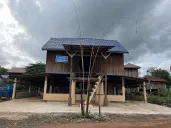
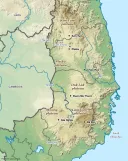
Seven thousand years ago people were living in the lava caves at Krong No, burying their dead in a flexed position, cooking at hearths and wearing ornaments made from sea-snail shells carried a hundred kilometers from the coast. That is the best-dated thing we have. Out at the edges the claims get bigger and the ground gets softer: stone tools a...
The Bahnar
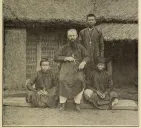
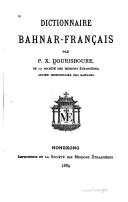
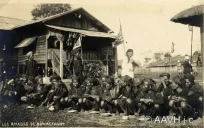
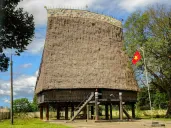
The Bahnar are the people of Kon Tum and eastern Gia Lai, with a wing that spills over the Annamite crest into the hills of Bình Định. They are the counterweight to the Rhade and the Jarai in any honest account of who we are: they speak a Mon-Khmer language, not an Austronesian one; they count descent through both parents rather than through wom...
The Stieng (Xtiêng)
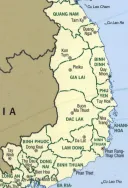
The Stieng live at the southwestern edge of the highlands, where the plateau falls toward the plains north of Saigon: in what was Phuoc Long and Binh Long, then Song Be, then Binh Phuoc, and across the border in Kratie and Mondulkiri. They were the first of our peoples a European lived among and wrote about, in 1859, and among the last the Frenc...
Powered by WBAMS