



Knowledgebase
Viewing articles tagged 'ratanakiri'
Viewing articles tagged 'ratanakiri'
9 articles
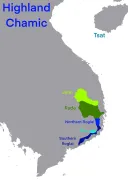
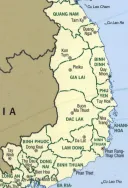
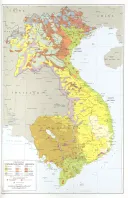
A map of the highlands
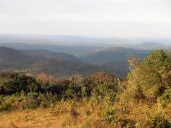
Our country is the high plateau between the Annamite mountains and the Mekong, in what Vietnam now calls the Central Highlands and across the borders in Cambodia and Laos. This page gives the map, and then the country behind it: the mountains and the red basalt plateaus, the rivers that run east to the sea and west to the Mekong, the rains, wher...
The Cambodian camps, 2001–2005
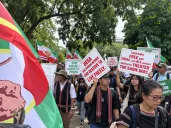
The border between Vietnam and Cambodia runs through the middle of one people. The Mnong of Dak Nong are the Bunong of Mondulkiri; the Jarai of Gia Lai are one of the largest peoples of Ratanakiri. When the crackdown came after February 2001, our people walked east to west across a line that meant nothing to them, into villages where the languag...
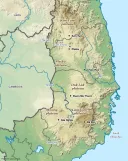
Kin across the border: Ratanakiri and Mondulkiri
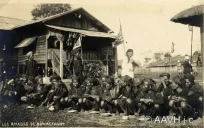
The border between Vietnam and Cambodia runs through the middle of our country. On the other side of it, in the Cambodian provinces of Ratanakiri and Mondulkiri, live Jarai, Bunong and other highland peoples who are our kin by language, by marriage and by history. It is where FULRO’s last fighters came out in 1992, where our refugees ran in 2001...
The dams: Yali Falls and the rivers
The Se San and the Srepok run west out of our highlands into Cambodia and the Mekong. From 1993 they were dammed. At Yali Falls alone 6,782 people were moved, three in five of them Jarai, Rongao and Bahnar, into standard houses with no kitchen, onto land that was promised and never arrived. Downstream, in Ratanakiri, people drowned in releases f...
The years between, 2005–2022
Between the Easter protests of 2004 and the attacks at Cư Kuin in 2023 there were no mass demonstrations in the highlands, and the world mostly stopped looking. The pressure did not stop; it changed shape. Instead of breaking up crowds, the authorities went village by village: meetings at which families were made to renounce their church, arrest...
Land law and customary land
In Vietnam nobody owns land. The land belongs to the entire people, the State represents the people, and what a family holds is a right to use, written on a certificate with red covers. That arrangement did not have to be aimed at us to take our country from us. A registry that records the field a family is cropping this season, in one household...
Rubber
Coffee is the crop people associate with the highlands, and we write about it on Land taken for coffee. Rubber is the older story and the wider one. It came with the French, it was worked by people who died in great numbers doing it, and in our own time it has taken highland land on both sides of the border: from our villages in Gia Lai and Dak...
Forests, logging and the sacred groves
The highlands were forest country, and the forest was ours: farmland in rotation, hunting ground, the place of the spirits and of the dead. After 1975 the forest became state property, managed by state forest enterprises and cleared for settlers and coffee, until less than a fifth of the region was under trees. What remains is being handed back...
The Jarai
The Jarai are the largest of our peoples and the largest Chamic-speaking people on the mainland — larger than the Rhade, and far larger than the Cham themselves. Their country is the Pleiku plateau and the valleys falling away from it into the Ayun and the Ba, and it does not stop at the border: a fifth of Ratanakiri province in Cambodia is Jara...
Powered by WBAMS