




Knowledgebase
Viewing articles tagged 'gia lai'
Viewing articles tagged 'gia lai'
11 articles
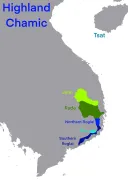
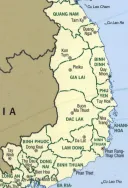
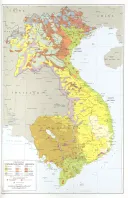
A map of the highlands
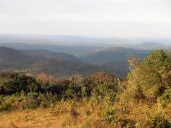
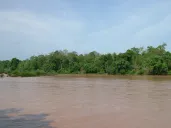
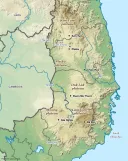
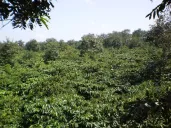
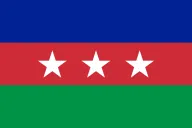
Our country is the high plateau between the Annamite mountains and the Mekong, in what Vietnam now calls the Central Highlands and across the borders in Cambodia and Laos. This page gives the map, and then the country behind it: the mountains and the red basalt plateaus, the rivers that run east to the sea and west to the Mekong, the rains, wher...
February 2001: the highlands stand up
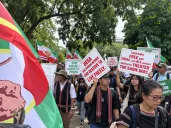
On Friday, February 2, 2001, eight hundred people from four communes walked out of their villages at four in the morning and reached Pleiku at half past eight. By mid-morning there were thousands of them outside the provincial hall. The next day the same thing happened at Buon Ma Thuot, and over the following twelve days at Ea H’leo, at Ayun Pa,...
Easter Week 2004
On the Saturday and Sunday of Easter 2004, people came out of their villages in thirty-nine communes across seventeen districts of Gia Lai, Dak Lak and Dak Nong. They came on farm tractors with trailers behind them, packed with food for five days, because they meant to stay. They were asking for four things: their land, the right to worship, the...
The prisoner records: what they are and how to search them
Our records hold 337 Dega by name, men and one woman imprisoned for their faith, their land or their people in five provinces, arrested between 2001 and 2006. This page explains what the records are, where they came from, what they show, how they compare with the lists kept by others, what the gaps mean, and how to search them for somebody, incl...
Prisoners of conscience: Gia Lai
Two hundred and thirty-three Dega from Gia Lai province, recorded by name as imprisoned for their faith, their land or their people, arrested between 2001 and 2006. This is the largest of our five province records, and the one with the most silence in it: for sixty-two of these people the record ends in “whereabouts unknown” or “family believes...
Kok Ksor
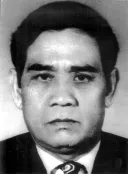
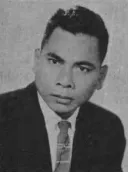
A Jarai from Bon Broai who joined BAJARAKA at fourteen, went over the border at seventeen, came home from a war by way of a Khmer Republic training course in Virginia, and spent the second half of his life in a small city in South Carolina making our case in rooms where states have to listen. For thirty years Kok Ksor was the Dega most foreign g...
The years between, 2005–2022
Between the Easter protests of 2004 and the attacks at Cư Kuin in 2023 there were no mass demonstrations in the highlands, and the world mostly stopped looking. The pressure did not stop; it changed shape. Instead of breaking up crowds, the authorities went village by village: meetings at which families were made to renounce their church, arrest...
Stateless in our own country
Thousands of highland families in Vietnam have no identity papers. Without them a child cannot enroll in school, a couple cannot register a marriage, a family cannot transfer its land, or see a doctor on public insurance, and no one can lawfully leave the country. These are people born in the highlands to parents born there, with no other nation...
Ha Mon: the Catholic movement the state calls an “evil way”
In a village on the Krong Poko, in the last years before the water came, a Bahnar woman named Y Gyin said that the Mother of God had appeared to her and had told her people to gather, to pray, and not to let themselves be moved. Within four years the reservoir was over the ground she named. Within eleven the state had run public denunciation mee...
The Jarai
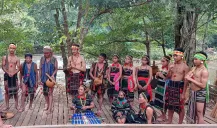
The Jarai are the largest of our peoples and the largest Chamic-speaking people on the mainland — larger than the Rhade, and far larger than the Cham themselves. Their country is the Pleiku plateau and the valleys falling away from it into the Ayun and the Ba, and it does not stop at the border: a fifth of Ratanakiri province in Cambodia is Jara...
The Bahnar
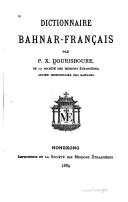
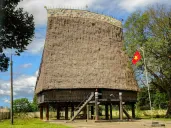
The Bahnar are the people of Kon Tum and eastern Gia Lai, with a wing that spills over the Annamite crest into the hills of Bình Định. They are the counterweight to the Rhade and the Jarai in any honest account of who we are: they speak a Mon-Khmer language, not an Austronesian one; they count descent through both parents rather than through wom...
Powered by WBAMS