

















Knowledgebase
Viewing articles tagged 'koho'
Viewing articles tagged 'koho'
6 articles
The tribes and their languages
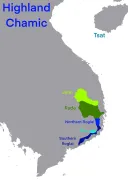
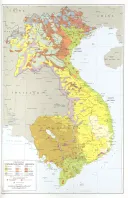
Around thirty peoples, in two language families that are not related to one another. The Chamic-speaking peoples, Jarai, Rhade, Raglai, Chu Ru and Haroi, are Austronesian, cousins of the Cham of the coast and, further out, of Malay and Indonesian. Most of the rest speak Bahnaric languages of the Austroasiatic family, related to Khmer; the Bru, K...
Language resources
Our languages are the part of our inheritance most at risk and the easiest to lose without noticing. This page lists what exists to learn, teach and study them: the codes that libraries and software use to find them, how endangered each one is, the dictionaries and grammars that can be downloaded free today, the recordings of our elders’ speech...
Weaving and dress
Before there was a flag, there was cloth. A Rhade skirt, a Jarai loincloth, a Maa blanket or a Bahnar skirt hung with seeds told anyone who knew how to read it which people the wearer belonged to. The cloth was woven by women on a loom tied to their own bodies, from cotton they grew and dyed themselves. In North Carolina it still is.
The Koho, Maa, Churu and Raglai
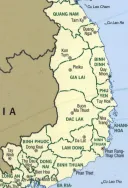
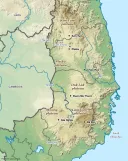
Four peoples hold the southern end of our country, from the Lang Biang plateau around Da Lat down to the hills behind the old Cham coast. Two of them, the Koho and the Ma, speak Mon-Khmer languages and are close kin. Two of them, the Churu and the Raglai, speak languages almost identical with Cham. The Koho and the Ma are easy to run together, a...
Writing our languages
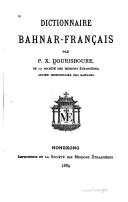
Our languages were spoken for thousands of years before any of them was written. Between the middle of the nineteenth century and the 1970s, French missionaries, a French administrator and his teachers, American missionaries and linguists, and our own people put them into the Latin alphabet, one language at a time, each for its own reasons and e...
The bracelet
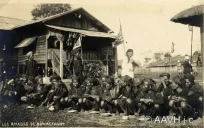
A ring of brass or copper on the wrist is one of the oldest bonds among our peoples. It settles an engagement and ends one; it pays the midwife and the broker; it is heated in coals and dropped into a jar of blood and rice beer so that men who should be enemies can drink and be bound. In 1964, on the morning of a mutiny, a Rhade shaman put three...
Powered by WBAMS