











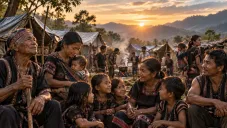
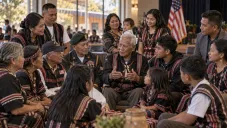

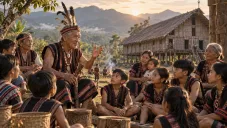








Most of our history was never written down. It is in the memories of people now in their seventies, eighties and nineties — in North Carolina, in Cambodia, in the highlands. When they die, it goes with them unless someone records it. This is a practical guide for families who want to do that, and who may want to share what they record with us.
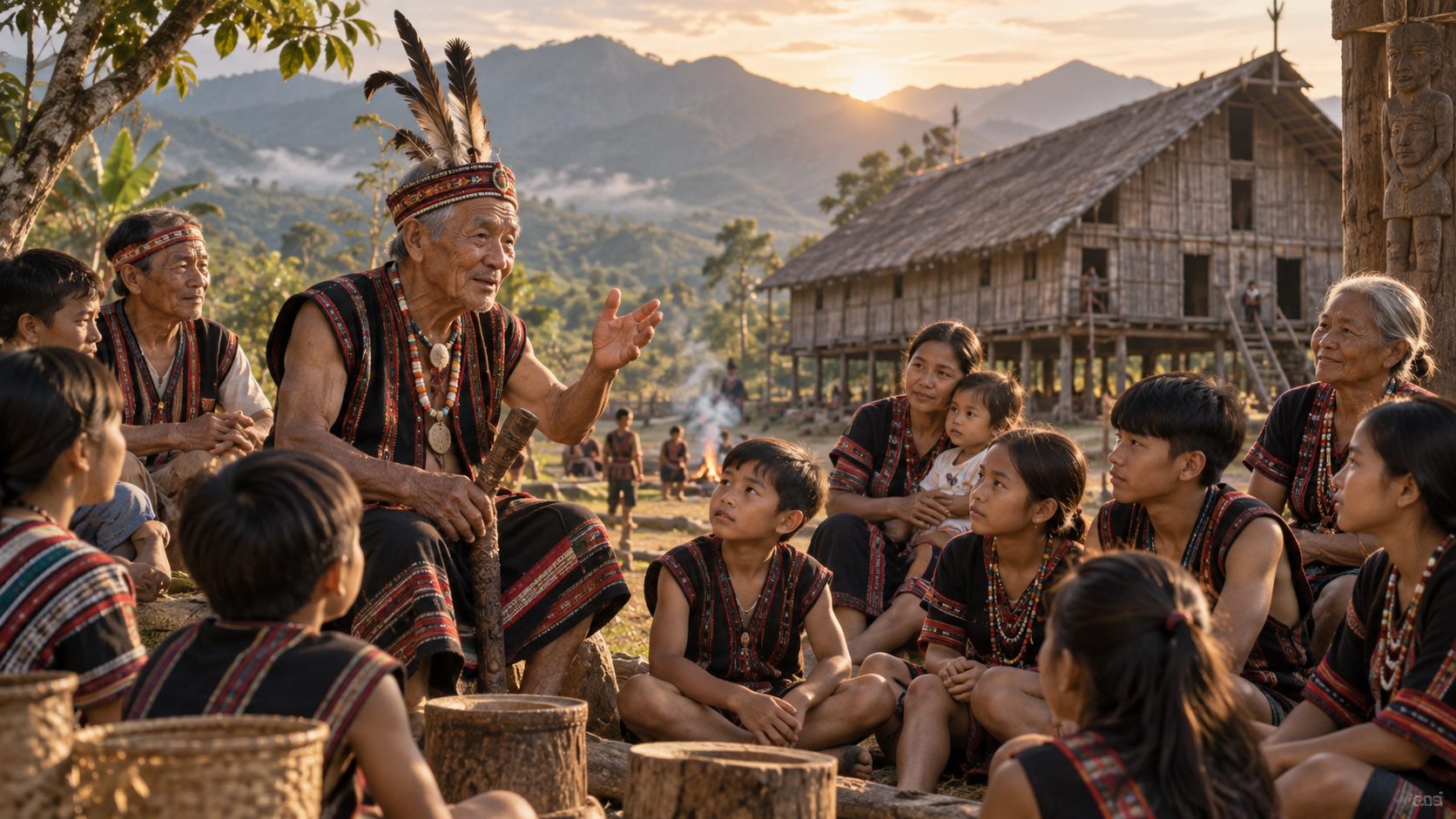
Before you start
- Ask, and explain. Tell the elder what you want to record, why, and who might hear it. Ask whether they agree. Ask again at the end.
- Decide who it is for. Family only? The wider community? DCHO? A library? The elder decides, and can change their mind.
- Think about safety. If the elder, or anyone they name, has family in Vietnam, a recording that names people or places can put them at risk. Read Reporting safely first. When in doubt, record for the family only.
- Use their language. Record in the language the elder speaks best. Translation can come later; the original is the record.
- Prepare, but do not script. Know the outline of their life. Write a few questions, then let them talk.
Equipment
A phone is enough. Record in a quiet room, with the phone close to the speaker and on airplane mode so a call does not interrupt. Test a minute first and listen back. Video is valuable, but many elders speak more freely to a voice recorder than to a camera; ask which they prefer. Keep sessions to an hour or so, and come back another day rather than tiring them.
What to ask
- Beginnings
- Where and when were you born? Your village, your mother’s clan, your parents’ names. What was the village like?
- The rice year
- How did your family farm? What were the months called? What rites were held, and who led them? See The rice year.
- Customs
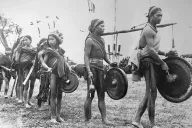
- Marriage, the longhouse, the gongs and jars, the healers, the dead. Songs, stories and epics they remember — ask them to sing or tell one.
- The wars
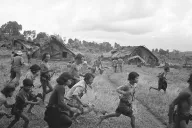
- What happened to your village? Were you moved? Did you or your relatives serve, and with whom? Who died, and how?
- After 1975
- The camps, the land, the church, the forest. Who was arrested? What happened to them?
- Leaving
- How did you leave? Who helped? What did you carry? What was it like to arrive?
- For the future
- What do you want your grandchildren to know? What should never be forgotten?
Let silences run. Ask for names, places and years, but do not correct the elder or argue. If they do not want to talk about something, move on.
Afterward
- Label the file with the elder’s name, the date, the place and who recorded it. Write a short note of what was covered.
- Keep two copies in different places — for example on a computer and on a drive kept elsewhere. Phones get lost.
- Write down the names of people and places mentioned, with spellings, while the elder can still help.
- Share a copy with the elder and the family.
- If they agree to share it with us, tell us what you have and what they have agreed to. We will not publish a name, a face or a voice without consent, and we follow our sources and method for anything that goes into this library.
If the story is evidence
If an elder describes a killing, an arrest, torture, or land taken by force, the recording may be evidence. Keep the original file unedited, note when and where it was made, and read How to document an incident.
Where it can go
Besides your family and DCHO, some libraries and archives collect oral histories of the war, among them The Vietnam Center and Sam Johnson Vietnam Archive at Texas Tech University. See Archives and collections. The Oral History Association publishes principles and best practices that are worth reading before a larger project.
Sources
- Oral History Association, Principles and Best Practices (2018)
- The Vietnam Center and Sam Johnson Vietnam Archive, Oral History Project
Compiled September 2026.