



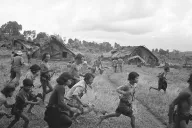
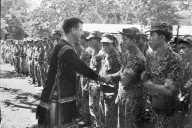
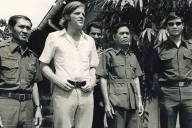





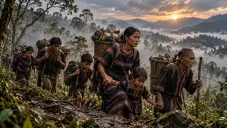




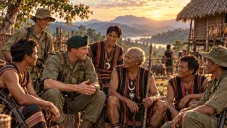

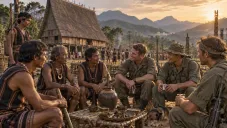





From 1964 the Americans stopped asking Dega men to defend their own villages and started asking them to go wherever the war was worst. They went: in the Mobile Strike Forces that reinforced camps under siege, and in the reconnaissance and raiding teams of MACV-SOG that crossed into Laos and Cambodia. Much of what the United States knew about the trails through our country, it knew because a Dega soldier had walked them first.
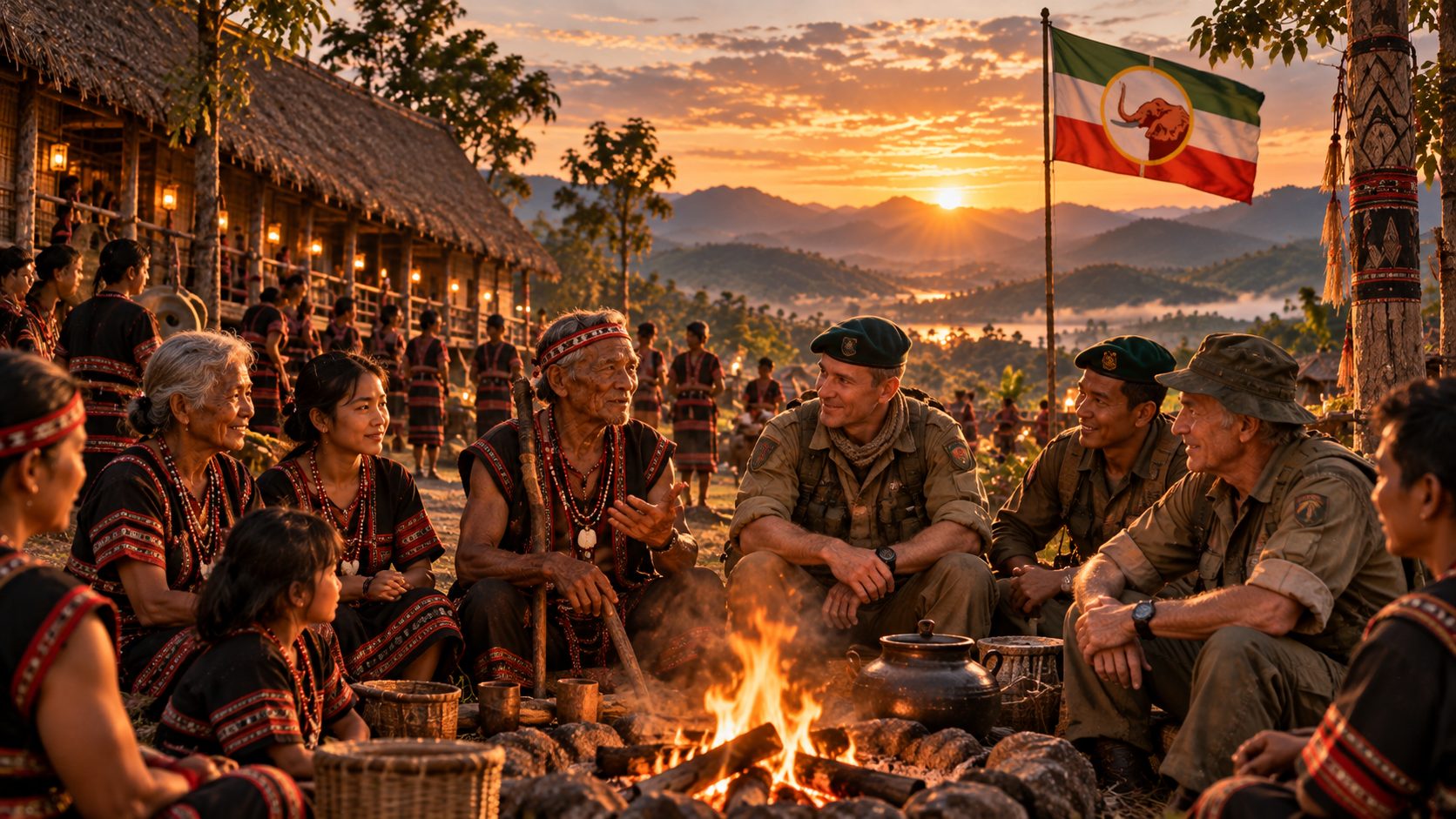
From village defense to strike force
The Civilian Irregular Defense Group began at Buon Enao in 1961 as a way for Rhade villages to defend themselves (see The American years). When the program passed from the CIA to the US military in 1962–63, and above all when General Westmoreland redirected Special Forces to offensive operations in January 1965, its purpose changed. The camps were still manned by highlanders, but the question was no longer whether a village could hold. It was how quickly armed men could be moved to wherever the enemy was.
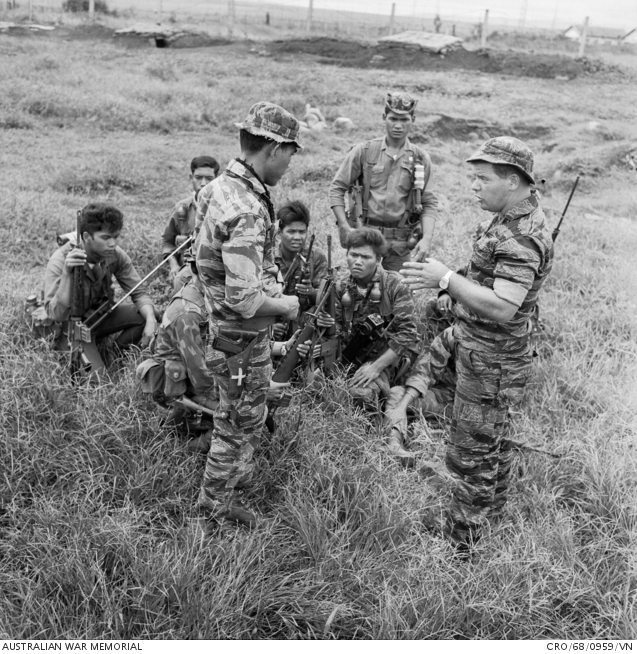

The answer was the Mobile Strike Force — Mike Force — formed from late 1964 as a reserve that could secure, reinforce or retake a CIDG camp under attack. The first companies were largely Nung, ethnic Chinese soldiers from the north. As the force grew it was filled with Jarai, Rhade, Bahnar and other highlanders. It was organized in four regional commands, one for each corps area, with a headquarters at Nha Trang under the 5th Special Forces Group, and its units were led by American and, in II Corps, Australian advisers.
Where they fought
- October 19–25, 1965, Plei Me — A camp in Pleiku province held by about three hundred CIDG soldiers, most of them Jarai, with a handful of Vietnamese and American Special Forces, is besieged by North Vietnamese regulars. It holds. The siege draws the US 1st Cavalry Division into the Ia Drang campaign that follows.
- November 8, 1966, Plei Trap valley — About 160 Jarai of the Pleiku Mike Force with six Green Berets walk into a North Vietnamese trap. Kpa Doh, their half-Jarai interpreter and the force's FULRO political officer, is shot in the neck and goes on directing the fight. Fourteen Montagnards are killed and forty wounded.
- February 6–7, 1968, Lang Vei — A Special Forces camp near Khe Sanh, garrisoned by Bru and Hre highland companies and Mike Force troops, is overrun by North Vietnamese tanks — the first time armor was used against such a camp. The CIDG losses run to hundreds killed, wounded or captured.
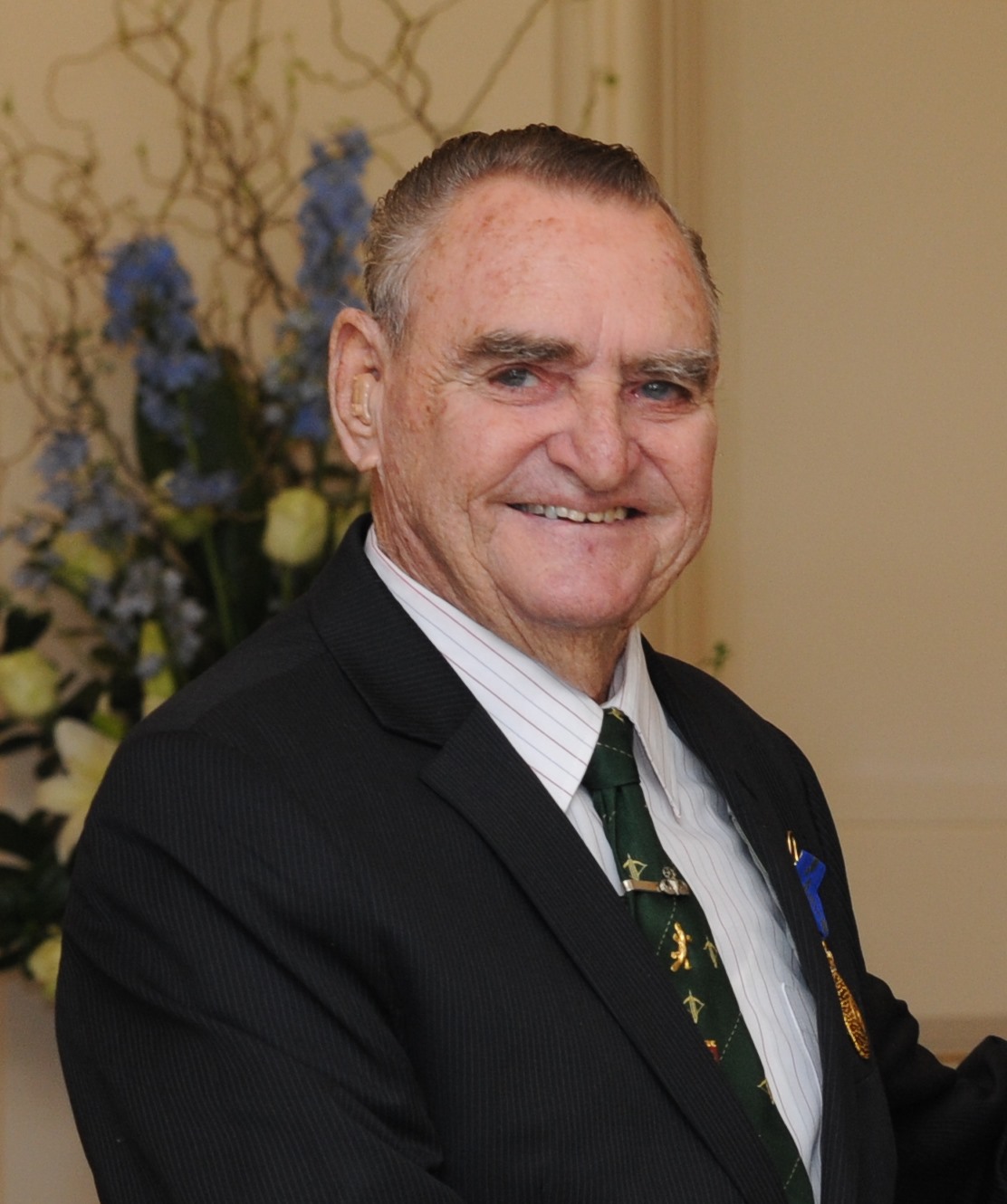
- May 24, 1969, Ben Het — An Australian adviser, Warrant Officer Keith Payne, commanding the 212th Company of the 1st Mobile Strike Force Battalion in Kontum province, goes back out after a failed assault and brings in about forty lost and wounded Montagnard soldiers under fire. He is awarded the Victoria Cross.
- September 11–13, 1970, Operation Tailwind — A SOG raid into Laos, launched from Dak To, uses sixteen Americans and 110 Montagnards.

SOG
The Military Assistance Command, Vietnam – Studies and Observations Group was the covert special operations command of the war. Its ground teams ran reconnaissance, prisoner snatches and raids along the infiltration routes in Laos and Cambodia — the Ho Chi Minh Trail that ran through and beside our country.
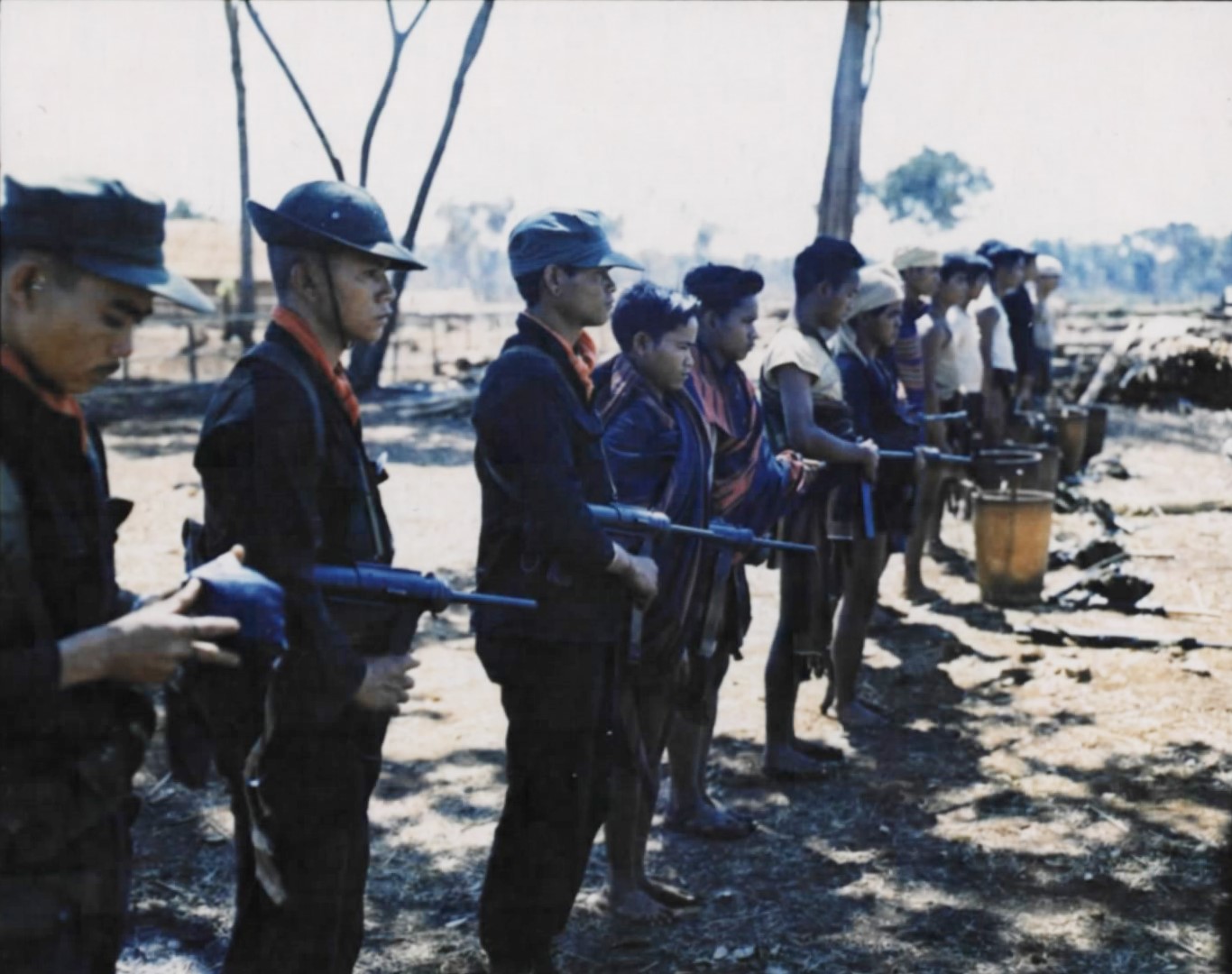

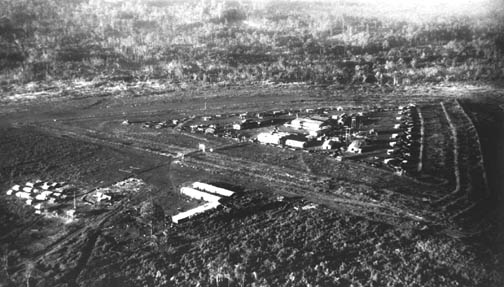

SOG began recruiting highlanders in numbers when it expanded in 1966. A reconnaissance team was usually two or three Americans and four to nine local soldiers; the larger Hatchet Force companies were three Americans and twenty to forty. Across the program’s life, SOG’s ground branch had perhaps 2,000–2,500 Americans and 7,000–8,000 local troops, drawn from the Montagnards, the Khmer Krom and the Nung. The Montagnards were very probably the largest group. Even the most junior of them was paid about as much as a captain in the South Vietnamese army, which says something about how the Americans valued them and something about how the South Vietnamese army did not.
There is no official count of SOG’s Montagnard dead. The American command was deactivated on April 30, 1972. The men it had recruited were not.
What service meant afterward
For a Dega man, having served with Mike Force or SOG was a mark of trust to the Americans and a mark of guilt to the state that won. After 1975 the unit records, the photographs, the certificates and the discharge papers that had once been proof of reliability became evidence against the people who kept them — see 1975, and what came after and The camps.
They are still evidence, but now the other way round. A service record with an American unit is one of the strongest documents a Dega asylum applicant or a family seeking reunification can produce. Resolutions put before the United States Senate in 2014 and 2023 put a figure on it: some 61,000 Montagnards fought alongside US forces — about 43,000 in the CIDG and another 18,000 in the mobile strike forces.
Keep the papers
If your father or grandfather served with a Mike Force company, a SOG team or a CIDG camp, the documents matter now: discharge papers, pay cards, unit photographs, letters from American officers. Copy them, keep the copies apart from the originals, and read how to document before sending anything to anyone, including us.
See also: Our veterans in America, The bracelet.
Further reading
- Col. Francis J. Kelly, U.S. Army Special Forces, 1961–1971, Vietnam Studies (Department of the Army, 1973) — free copy. The official history of the CIDG and Mike Force programs, with the conversion figures of 1970.
- Eugene G. Piasecki, “Civilian Irregular Defense Group: The First Years, 1961–1967,” Veritas 5:4 (2009), US Army Special Operations Command History Office.
- John L. Plaster, SOG: The Secret Wars of America’s Commandos in Vietnam (Simon & Schuster, 1997) — the standard account of SOG, by a veteran of it.
- William H. Chickering, excerpt from A War of Their Own (Casemate, 2025) — Plei Trap valley and Kpa Doh, by a former Mike Force battalion commander.
- Siege of Plei Me, Battle of Lang Vei and Keith Payne — summaries with references to the unit histories.
- MACV-SOG: an overview — veterans’ site with the ground-branch figures.
- US Senate Resolution 592 (113th Congress, 2014) and Senate Resolution 395 (118th Congress, 2023) — the 61,000, 43,000 and 18,000 figures.
- The Big Picture: Operation Montagnard — US Army film on Special Forces training highland troops, National Archives 111-TV-607, free to watch.
Compiled September 2026. Casualty figures for individual battles differ between sources; we have given ranges or the commonly cited figure and linked the account it comes from. We are collecting Mike Force and SOG service records from Dega families.