


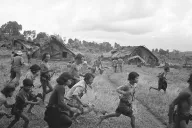

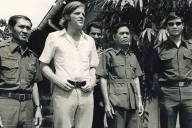
















Between the Easter protests of 2004 and the attacks in Cư Kuin in 2023 there were no mass demonstrations in the highlands, and the world mostly stopped looking. The pressure did not stop. This page records what happened in those years, as far as independent sources let us: the arrests, the deaths in custody, the forced renunciations, the people who kept crossing into Cambodia.
The numbers
The fullest independent account of the period is Human Rights Watch’s 2011 report Montagnard Christians in Vietnam. For the decade from 2001, it documents:
- more than 350 highlanders sentenced on national-security charges, of whom at least 250 were still in prison or awaiting trial in 2011;
- at least 65 imprisoned specifically for trying to flee to Cambodia;
- at least 25 deaths in prisons, jails or police custody.
Those figures cover what HRW could verify. They are the floor, not the total. Names we hold are in Prisoner records.
In order
- 2005–07 — Arrests continue of people linked to the 2001 and 2004 protests, to “Dega Protestant” house churches, and to attempts to reach Cambodia. See Easter week 2004.
- April 2008 — A smaller wave of protests. Y Ben Hdok, aged 29, is arrested in late April.
- May 1, 2008 — Y Ben Hdok dies in custody. The official account is suicide by hanging. His family, according to HRW, reported that his skull, ribs and leg were broken and his teeth knocked out.
- January 2010 — Rmah Hlach and Siu Koch are sentenced to twelve and nine years for “undermining national solidarity.”
- June 10–22, 2010 — A series of clashes between villagers and guards on a state rubber plantation in Chư Prông, Gia Lai. See Rubber.
- July 12, 2010 — According to HRW, 97 households (297 people) are recorded as having “voluntarily” renounced Dega Protestantism.
- August 25, 2010 — Police in Chư Prông arrest four men named as Dega Protestant leaders: Ro Mah Hit, Kpuih Do, Kpa Thom and Ro Lah K’lanh. More than 70 highlanders are arrested or detained in Gia Lai during 2010.
- September 29, 2010 — Fifty people in four villages of Đức Cơ are made to renounce FULRO and Dega Protestantism in public.
- October 2, 2010 — 567 households in Krông Pa are reported to have pledged renunciation.
- November 2010 — Ksor Y Du and Kpa Y Co are sentenced to six and four years.
- March 2011 — HRW publishes Montagnard Christians in Vietnam: A Case Study in Religious Repression.
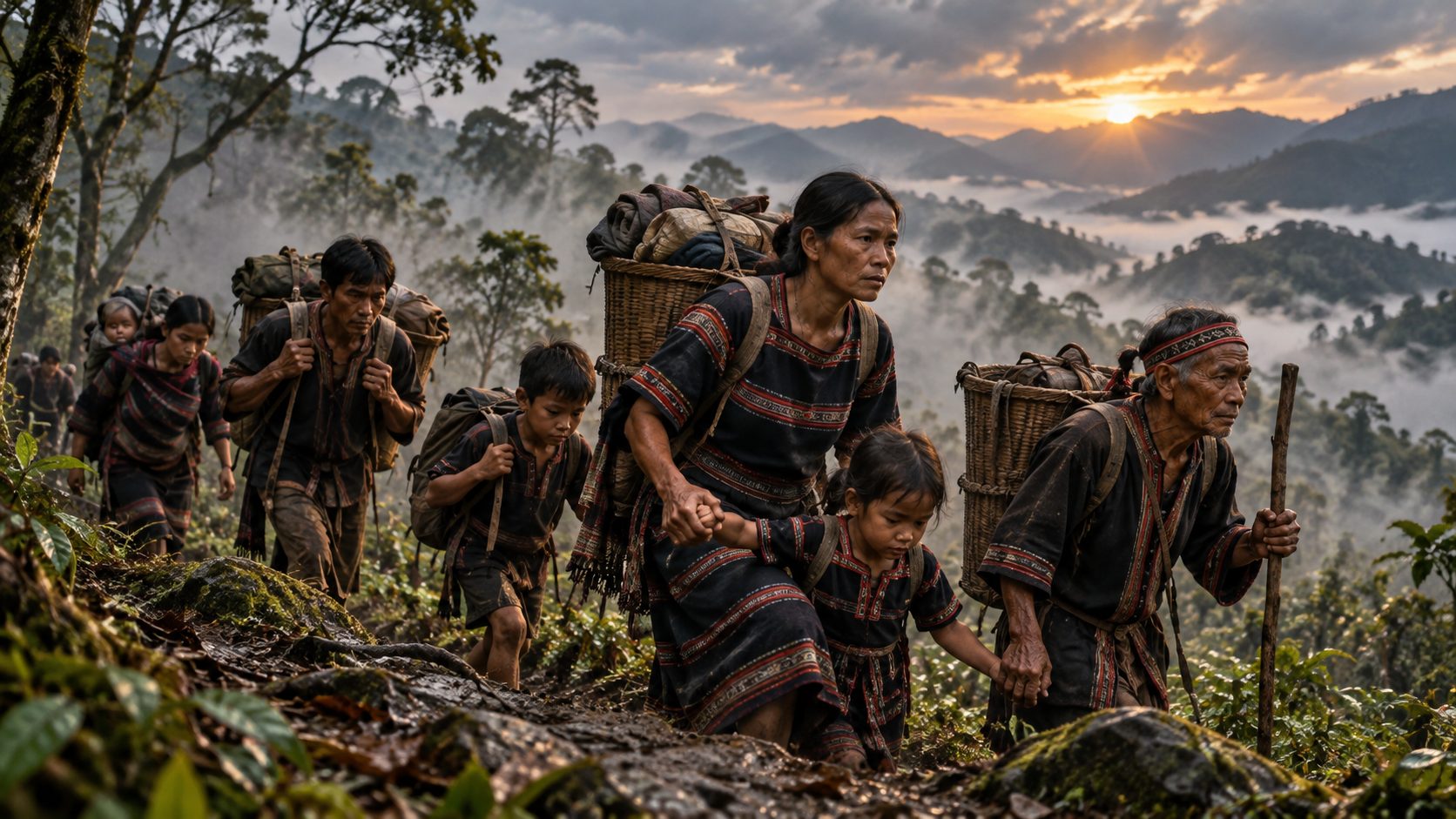
- November–December 2014 — Thirteen highlanders from Gia Lai cross into Ratanakiri in two groups and hide in the forest, some of them for more than seven weeks. They come out on December 20, ill with malaria, dengue and diarrhea, and ask for asylum.
- 2015–17 — More groups follow. Radio Free Asia reports Cambodia turning people away, rejecting claims and sending groups back to Vietnam, including sixteen returned in June 2017. See Asylum today.
- January 1, 2018 — Vietnam’s Law on Belief and Religion comes into force. Rights groups report that unregistered highland congregations remain unable to register and continue to be pressed to join the state-recognized church or give up their faith.
What the pattern was
The years after 2004 were quieter because the methods changed. Instead of breaking up crowds, the authorities went village by village: renunciation meetings, pressure on families of people who had fled, confiscation of identity papers, and prosecutions of the few who organized. It is harder to photograph a renunciation ceremony than a demonstration, and much harder to count one. That is why so much of what we know from these years comes from a single report, and why the period is thin in the news.
What came next
In June 2023 armed men attacked two commune offices in Cư Kuin, Đắk Lắk, and the state’s response reached far beyond those responsible. See Cư Kuin, 2023 and Y Quynh Bđăp. In December 2023 the phone of Y Bum Bya, an evangelist who had been documenting rights violations, was confiscated; he was found dead on March 8, 2024, according to the US Commission on International Religious Freedom.
See also: The memorial register.
Sources
- Human Rights Watch, Montagnard Christians in Vietnam: A Case Study in Religious Repression, March 30, 2011
- Radio Free Asia, “New Montagnard group flees Vietnam to seek asylum in Cambodia,” January 6, 2015, and later reports in its Cambodia archive
- US Commission on International Religious Freedom, State-Controlled Religion and Religious Freedom in Vietnam, September 2024
- BPSOS and others, submission to the UN Committee on the Elimination of Racial Discrimination, September 2023
Compiled September 2026. This period is badly under-documented. If you or your family were arrested, made to renounce, or crossed the border in these years, your account matters; please read Reporting safely first.