




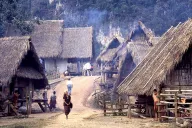

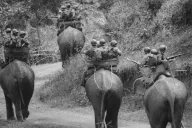








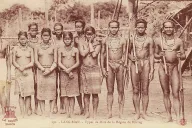

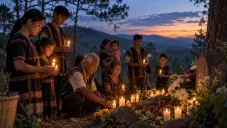


























For more than a century the village of Bản Đôn, on the Srêpôk river west of Buôn Ma Thuột, was known across mainland Southeast Asia for one thing: the men there caught wild elephants and tamed them. The hunters were Mnong, Lao, Jarai and Rhade; the most famous of them was honored by the King of Siam. Today the tame elephants are few and old, and the wild ones are close to gone.
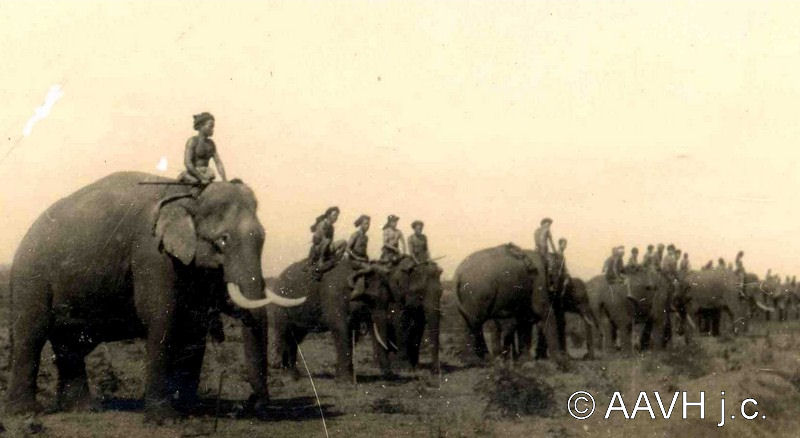

The hunters
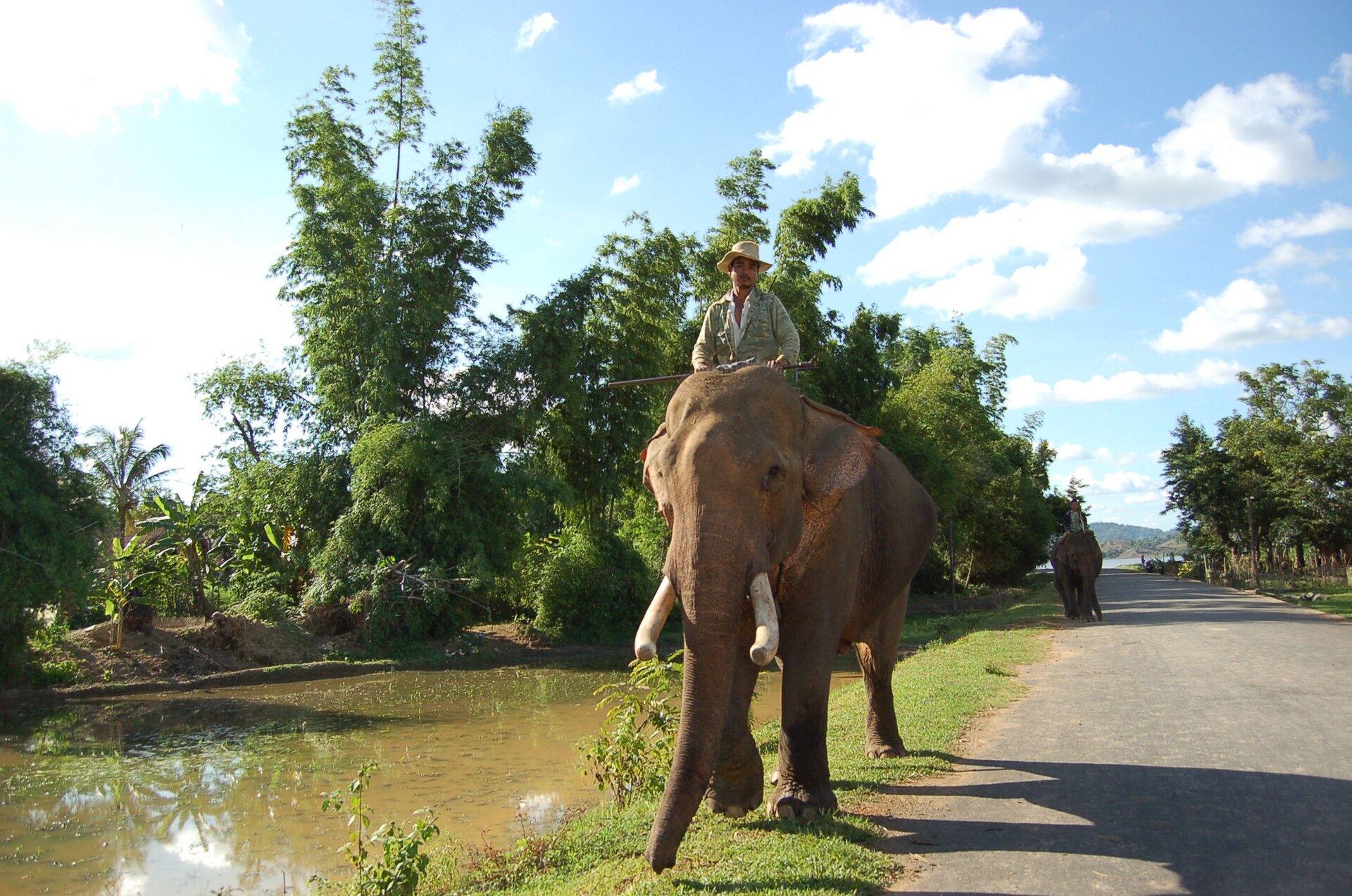
Elephant hunting at Bản Đôn was the work of specialists. Hunters rode out on trained elephants, lassoed wild calves and young adults with ropes of buffalo hide, and brought them back to be tamed over months by mahouts who would stay with the same animal for life. A hunt had its rites before and after, and the hunters’ ropes and tools were sacred objects. Many of the domestic elephants of Vietnam came from Bản Đôn and the neighboring Ea Súp district, kept by Mnong, Jarai and Rhade families.
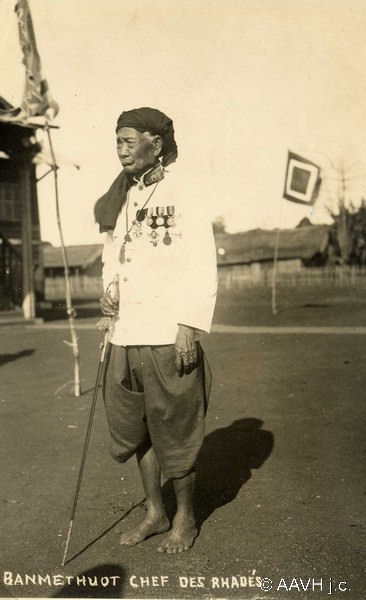
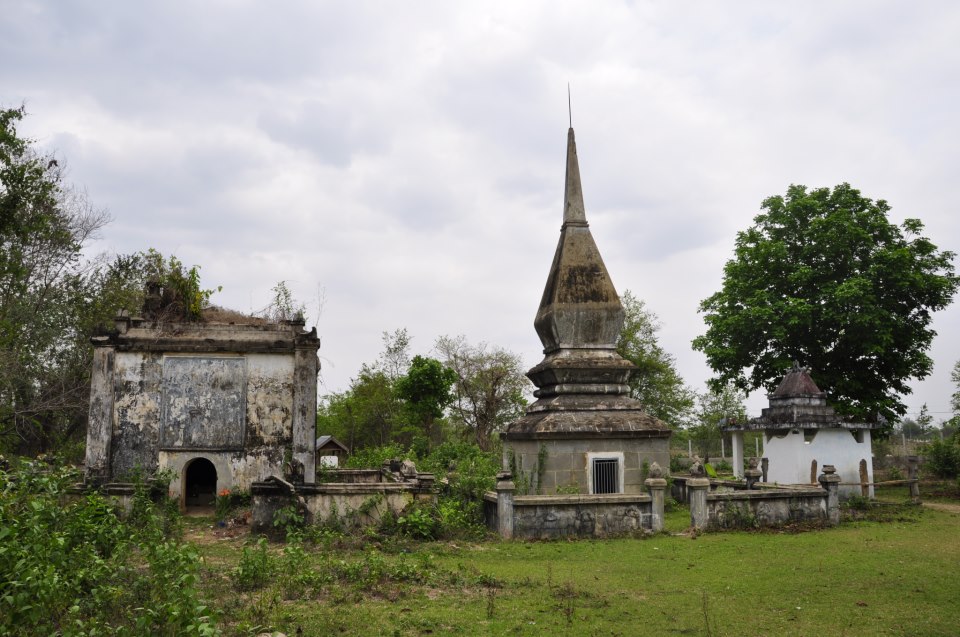
The best-known hunter was Y Thu Knul (1828–1938), who is credited with catching and taming between 400 and 500 elephants. After he presented a white elephant to the King of Siam he was given the title Khunjunob, “king of elephant hunters,” by which he is still remembered. His tomb is at Bản Đôn. He was also a man of his violent time: the historian Oscar Salemink quotes a contemporary who described him as a slave trader (see The slave raids).

How the numbers fell
A study published by the UN Food and Agriculture Organization counted the domestic elephants of Đắk Lắk:
| Year | Domestic elephants in Đắk Lắk |
|---|---|
| 1980 | 502 |
| 1990 | 299 |
| 1997 | 171 |
| 2000 | 138 |
Of the 138 counted in 2000, only eleven were under twenty years old: the domestic herd was barely breeding. Until about 1990 the hunters of the area still caught ten to twelve wild elephants a year. By the early 2000s, the FAO study found, there were few hunters left with the skill, and capture had effectively ended.
The wild population fell faster. Vietnam as a whole is thought to have had 1,500 to 2,000 wild elephants in 1980. Estimates in 2022 put it at between 91 and 129, in about twenty-two small herds. The causes are the ones that took our own land: forest cleared in the war and after it, settlement, plantations, and hunting for ivory and skin.

Yok Đôn
Yok Đôn National Park, established in 1991 about 40 kilometers west of Buôn Ma Thuột, covers some 1,155 square kilometers of dry forest along the Cambodian border and is one of the largest national parks in Vietnam. With the protected forests of Mondulkiri across the border it forms one of the largest protected landscapes in Southeast Asia. It shelters part of what remains of the wild herd — estimates in 2023 ranged from 28 to 60 animals in and around the park — as well as retired domestic elephants.
Ending the rides
For decades tourists came to Bản Đôn to ride elephants, watch elephant races and see staged hunts. In December 2021 the charity Animals Asia signed an agreement with the Đắk Lắk authorities, backed by US$2.2 million, to end riding, racing and staged shows in the province. The plan was approved in 2022 with a target date of 2026. Visitors may still watch elephants at sanctuary sites but not ride them.
For the mahout families the change is not simple. An elephant was wealth, a working partner and a member of the household. What happens to the knowledge of Bản Đôn when there are no more elephants to care for is a question for the families themselves.

See also: The Mnong, Hunting, the crossbow and the forest.
Sources
- Trinh Viet Cuong, Tran The Lien and Pham Mong Giao, “The present status and management of domesticated Asian elephants in Viet Nam,” in FAO, Giants on Our Hands
- Elephant Encyclopedia and Database, Y Thu Knul (Khunjunob)
- Mekong Eye, “Vietnam’s last wild elephants on the brink of survival,” July 2023
- Animals Asia, agreement to end elephant riding in Đắk Lắk
- Wikipedia, “Yok Đôn National Park”
Compiled September 2026.