
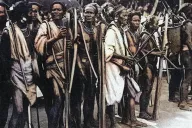


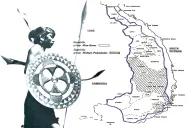
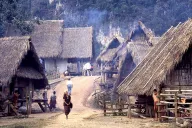
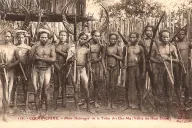

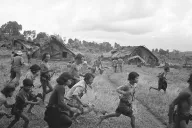




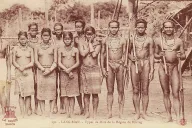

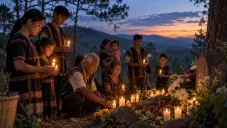
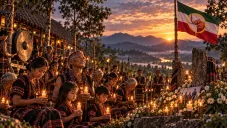
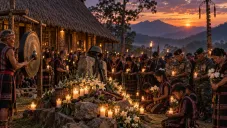
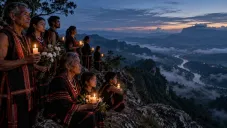
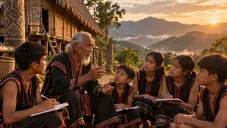


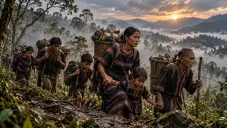

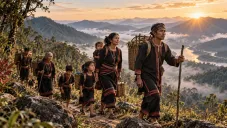
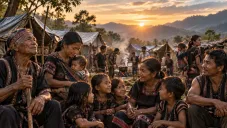






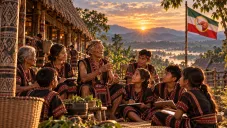



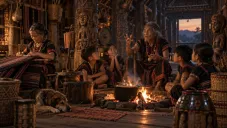



The Jarai are, on Vietnam’s census counts, the largest of the Central Highlands peoples: the people of the Pleiku plateau and the Ayun valley, and across the border in Cambodia’s Ratanakiri. Like the Rhade they speak a Chamic language and reckon descent through women. Their ritual masters of fire and water were known to the kings of Cambodia, and their carved tombs are among the most striking things the highlands have made.
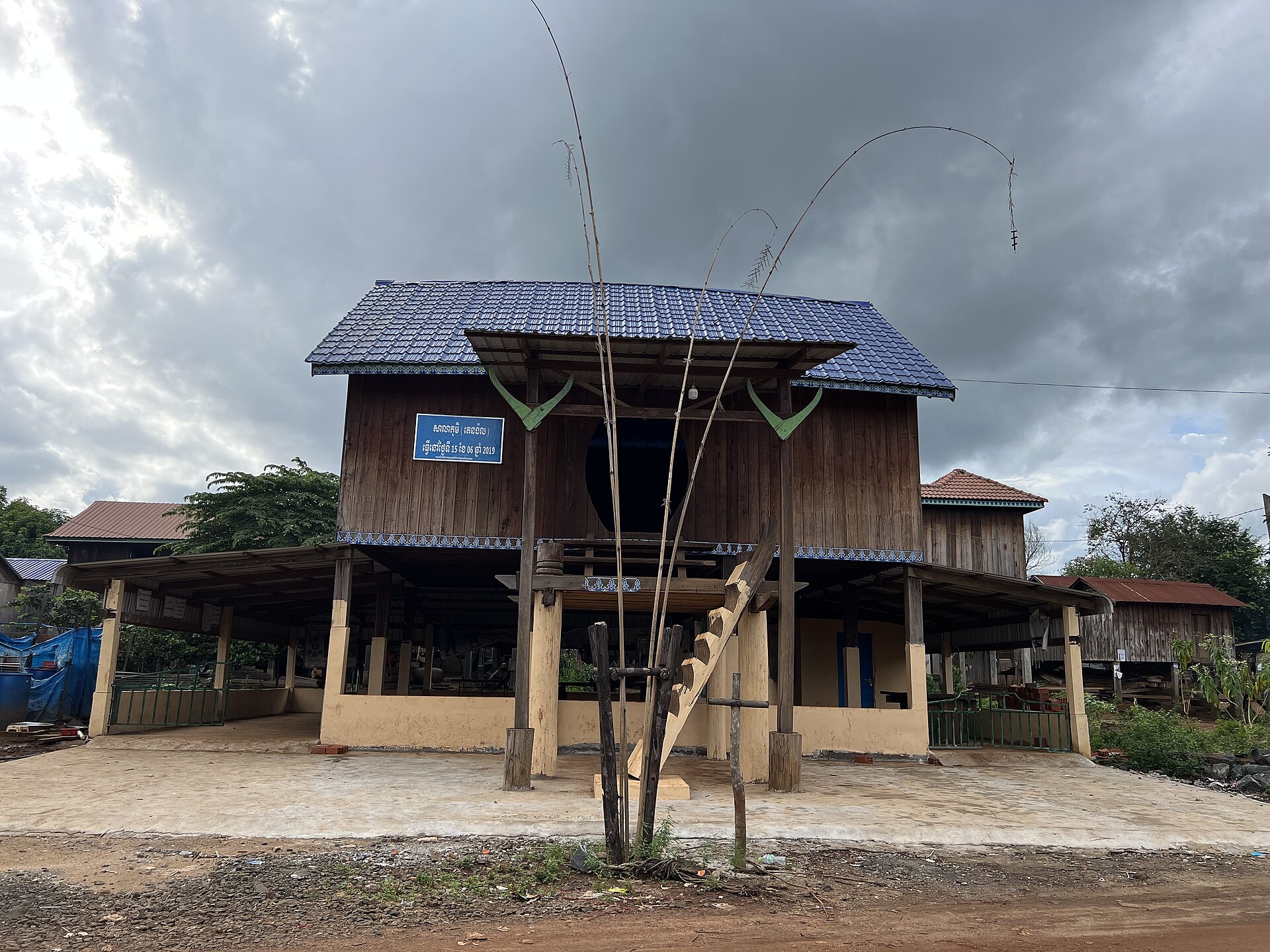

Language
Jarai is Chamic, the closest relative of Rade, though it was long misclassified as Mon-Khmer. Dialects include those of Pleiku, Chơ Rơi (Cheo Reo), Arap, Hdrung and Tbuan. In Vietnam it is written in a Latin alphabet; the New Testament and Psalms, translated by the missionary Charles Long, reached Jarai readers in February 1975, and a full Bible followed in the 2010s (see Writing our languages). In Cambodia Jarai is largely unwritten. Jacques Dournes published a Jarai dictionary in 1964.
How many
| Figure | Year | Where | Source |
|---|---|---|---|
| about 137,500 | c. 1960 | South Vietnam | Hickey, RAND (1964) |
| 320,000 | late 1990s | Vietnam | UNDP, cited by Human Rights Watch (2002) |
| 513,930 | 2019 | Vietnam | Vietnamese census |
| 26,922 | 2019 | Cambodia | Cambodian census |
The 2019 figure is the Vietnamese state’s own census count, which we reproduce only because no independent count exists; see How many Dega there are.
House and clan
Jarai houses, like Rhade ones, are divided into compartments for nuclear families linked through women, and children take their mother’s clan name. Familiar Jarai clan names include Siu, Rơmah, Ksor, Rơchăm, Nay, Kpă and Puih. Hickey noted that the Master of Fire was traditionally chosen from the Siu clan. The fullest study of Jarai kinship and clans is Jacques Dournes’s Coordonnées (1972).
The masters of fire and water
The Jarai pơtao — the Masters of Fire, Water and Wind — were ritual figures, not rulers, whose power lay over the elements. The Master of Fire kept a sacred saber. For centuries the kings of Cambodia exchanged gifts with them; Hickey dates an alliance of friendship to 1601. Dournes’s thesis on them, Pötao, une théorie du pouvoir chez les Indochinois Jörai (1977), was examined by Claude Lévi-Strauss. See The Kings of Fire and Water.
The dead
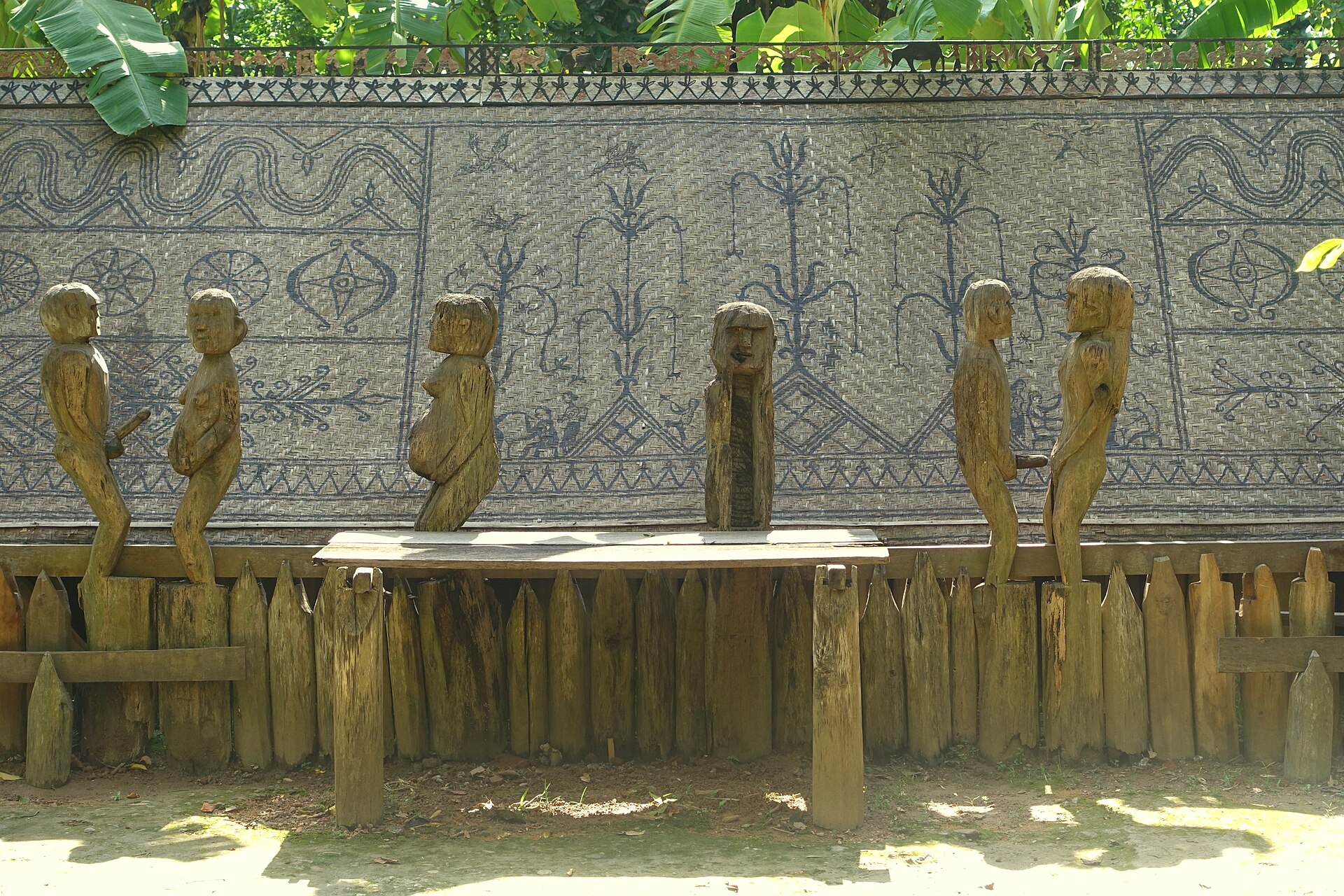
A Jarai grave is covered by a roofed tomb house, fenced and surrounded by carved wooden figures. After years of offerings the family holds the pơthi, the costly ceremony of abandoning the tomb, which frees the dead and ends mourning. See The tomb house.

Music
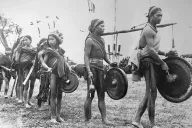
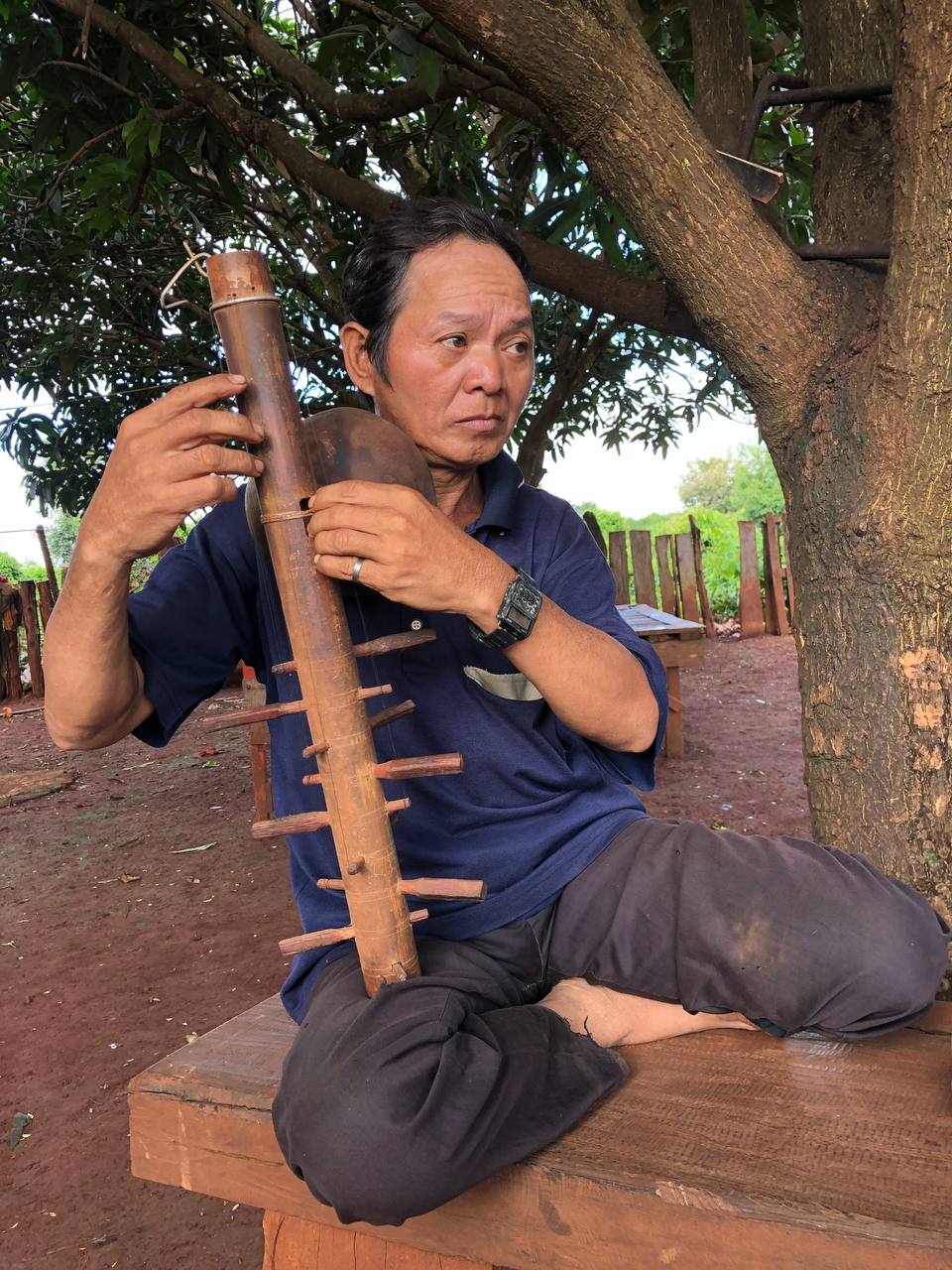
Jarai gong music is played in two main ensembles: the čing arap, of seven to nine flat gongs and at least three bossed gongs, and the čing trum, of three bossed gongs. At a buffalo sacrifice the gongs are played for two or three days; their sound is believed to call the yang. See Gongs and epics.

Jarai in Cambodia
About 27,000 Jarai live in Ratanakiri, in the districts of Andoung Meas, Bar Kaev and O Yadav, where they are one of the province’s largest indigenous peoples. They are the same people as the Jarai of Gia Lai; the border between them is a colonial line. Their land has been taken for rubber (see Rubber), and Ratanakiri is where Jarai asylum seekers from Vietnam have crossed since 2001 (see Kin across the border and The Cambodian camps).
People
- Nay Luett — arrested with the BAJARAKA leaders in 1958; minister for ethnic minority development from 1971; imprisoned after 1975.
- Kok Ksor — founder of the Montagnard Foundation.
- Ksor Ruk, Rơ Mah Đaih, Siu Hlom and many others in Our defenders and prisoners.
Sources
- Gerald C. Hickey, The Major Ethnic Groups of the South Vietnamese Highlands, RAND (1964)
- Jacques Dournes, Coordonnées: structures jörai familiales et sociales (1972) and Pötao (1977); IRFA, biography of Jacques Dournes
- Krisna Uk, review of Andrew Hardy, The Barefoot Anthropologist, Southeast Asian Studies 5:2 (2016)
- Glottolog, Jarai; Britannica, “Jarai”
- Vincenzo Della Ratta, Music of the Buffalo Sacrifice Ceremony of the Jarai (recording and notes)
- Human Rights Watch, Repression of Montagnards (2002)
Compiled September 2026.