









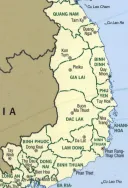







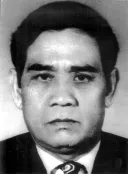


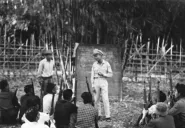
For twenty-five years the way out of the highlands has been west, on foot into Cambodia, and then onward to Bangkok. Both doors have been closing. Cambodia shut its border sites in 2002, sent back hundreds of people and has recognized almost none since. In Thailand our people live as illegal migrants with a UN card that Thai law does not recognize, and since 2024 the Vietnamese police have followed them there. On November 28, 2025, Thailand handed a UNHCR-recognized refugee back to Vietnam to serve ten years imposed at a trial he was not present at. This page follows the route, what happened on it, and what the law says should have happened.
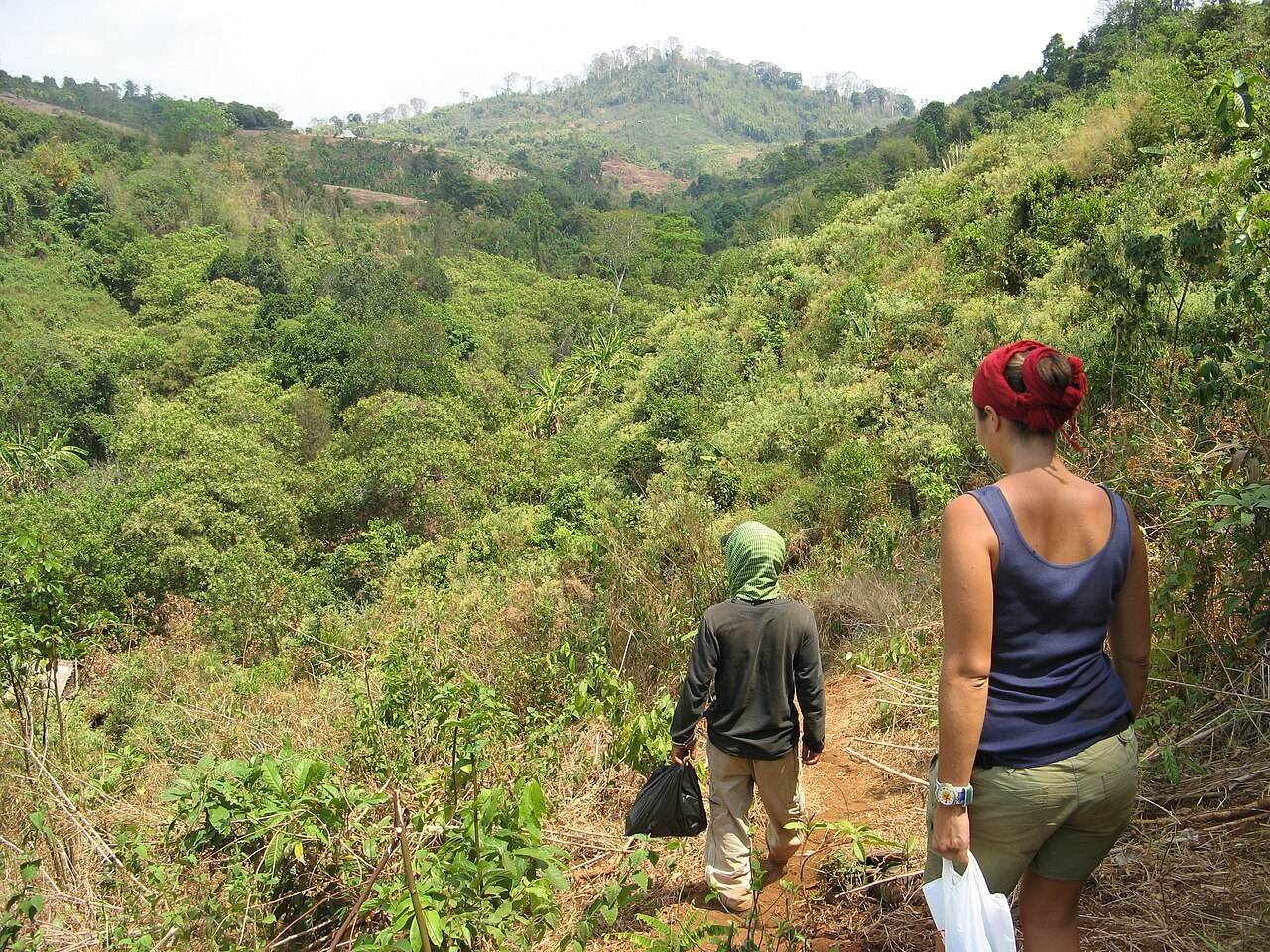

Cambodia, 2001 to 2005
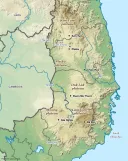
After the demonstrations of February 2001 our people crossed into Cambodia in numbers, about a thousand within the year by UNHCR’s count, some 1,100 in all by its later reckoning. UNHCR set up in Ratanakiri early in 2001, with a second site in Mondulkiri; about 900 people passed through the two. See The protests of 2001 and The Cambodian camps.
On January 21, 2002, UNHCR, Vietnam and Cambodia signed a tripartite agreement in Phnom Penh on the return of those who wanted to go home. Vietnam promised that returnees would be well received and not punished, and UNHCR was to have access to the villages they went back to. On February 19, fifteen people went back under it, in a convoy that left Ratanakiri at seven in the morning. Within days it was falling apart. On February 23 UNHCR said that Vietnam and Cambodia were eroding the agreement: the two governments had announced that every Montagnard should be back by April 30, UNHCR’s monitors had been refused entry to the villages, and a Vietnamese government delegation had been brought to the Mondulkiri site to address the refugees. By March it had collapsed. The camps were closed and their 900 residents taken to Phnom Penh, and more than 700 of them were processed for resettlement in the United States. See The resettlement of 2002.

The two accounts of the closing do not match. UNHCR says both sites were effectively closed at the end of 2001, and that it kept only a standby office in Ratanakiri afterward. Human Rights Watch dates the closing to after the agreement collapsed in March 2002. Either way, by September 2002 more than 400 asylum seekers had been sent back across the border, no one had been able to cross safely since March, and UNHCR’s staff were barred from traveling freely in the border provinces.
After the Easter demonstrations of 2004 people came again. Between January 1 and April 8, 2004, fifty-nine Montagnards reached UNHCR in Phnom Penh, against thirty-eight in the whole of 2003. That April Cambodian officials were quoted accusing UNHCR of working secretly in the border areas to lure Montagnards across, and at the government’s demand UNHCR closed its Ratanakiri office on April 10. Between July and November 2004 UNHCR and the Cambodian authorities went five times to the border provinces after reports of people hiding in the forest, and 441 came out to them. UNHCR says many of them had crossed hoping it could get their confiscated land back; Human Rights Watch put the flight down to persecution. On January 1, 2005, the national police chief, Hok Lundy, said the authorities had to turn local people into informers:
“to report how many Montagnards [enter Cambodia] to arrest them and send them back to Vietnam.”
See Easter week, 2004.
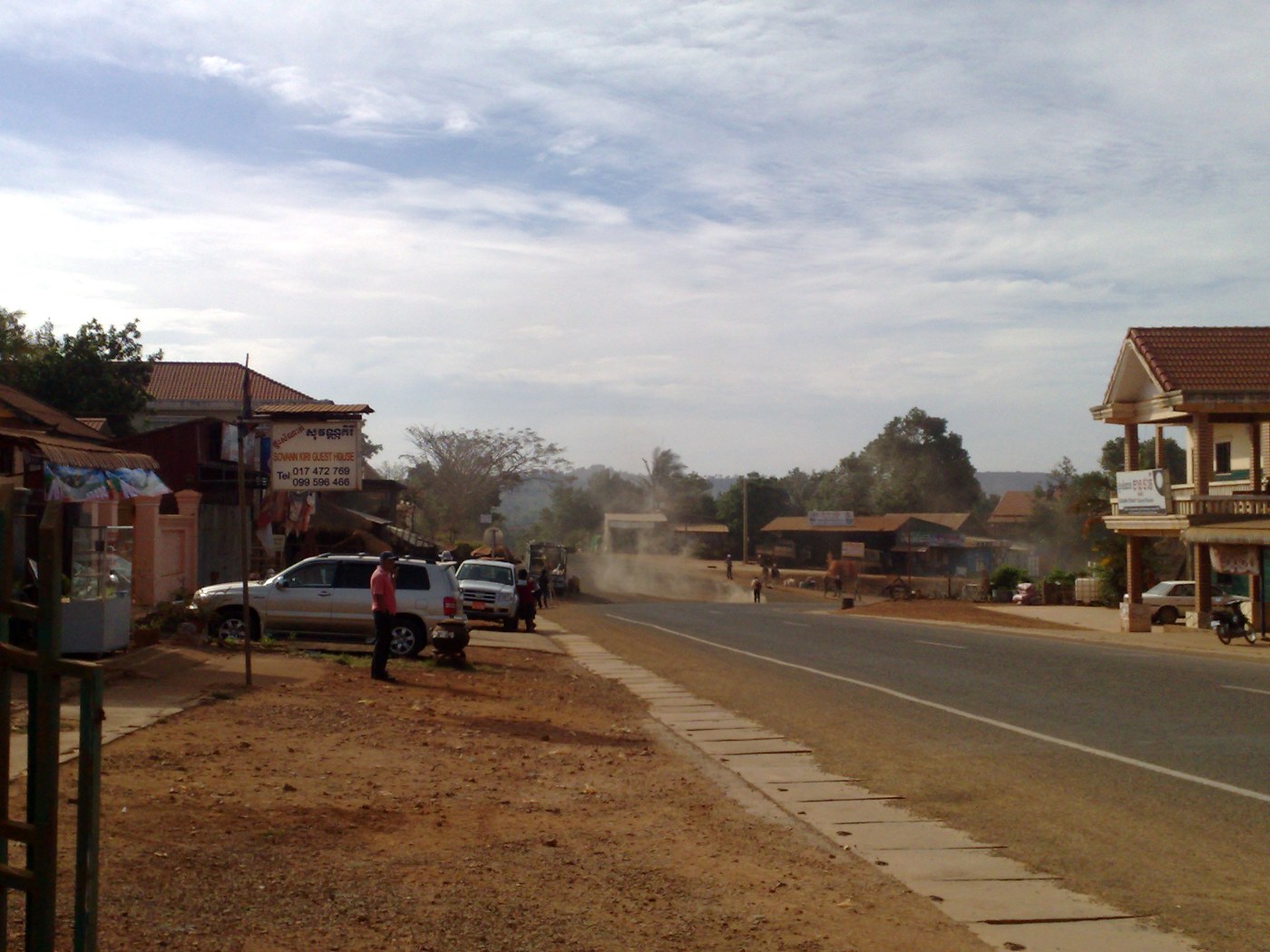

On January 25, 2005, the three parties signed a memorandum of understanding in Hanoi covering the roughly 750 Montagnards then in UNHCR’s care in Phnom Penh. Each was to be resettled or sent home. Anyone who refused both had one month after the decision on their case to choose, and Vietnam gave a written promise not to prosecute those who went back. The text of the memorandum has never been published. On July 20, 2005, Cambodian police put ninety-four people whose claims UNHCR had rejected onto buses and drove them to the border. By April 2006, 605 had been resettled, most of them in the United States, and 190 had returned to Vietnam, 94 deported and 96 by their own choice. UNHCR said it had no serious concerns about the returnees it visited. Human Rights Watch documented returnees placed under surveillance and house arrest and called to the police station again and again. See our library for its report of 2006.
Crossing was itself a crime in Vietnam. Of the Montagnards imprisoned between 2001 and early 2011, at least sixty-five had been arrested trying to reach safety in Cambodia, and they were sentenced under article 91 of the 1999 Penal Code, “fleeing abroad to oppose the people’s administration.” The 2015 Code keeps the offense as article 121, and the UN Human Rights Committee in 2025 recorded ethnic minority people being stopped from leaving to seek asylum. See The laws used against us.
Cambodia, 2009 to 2020
On December 17, 2009, Cambodia issued a sub-decree taking refugee decisions away from UNHCR and into its own hands. A year later it ordered the UNHCR site in Phnom Penh closed. It held seventy-six people, sixty-two of them already accepted for resettlement. The deadline was put back to February 15, 2011, and on that day the site closed. We do not know what became of the last seventy-six.
In 2014 about two hundred of our people crossed into Cambodia again. From January 2015 the government refused even to register around a hundred Jarai and Rhade asylum seekers, and in the first four months of that year it deported fifty-four Vietnamese asylum seekers. In March 2015 it recognized thirteen who had been brought to Phnom Penh with the help of the UN human rights office; in January 2016 it announced they would be sent to the Philippines, and UNHCR helped fifty-two others who agreed to go back to Vietnam. In June 2016 Cambodia let Vietnamese officials visit more than a hundred Montagnard asylum seekers on its soil. In April 2017 a man returned from Cambodia was held and interrogated in Vietnam for twelve days. That August the UN special rapporteur for Cambodia recognized the claims of thirty-six people as legitimate; seven were sent to a third country and deportation proceedings began against the other twenty-nine. By the US State Department’s count, at least 140 Montagnard asylum seekers had been returned to Vietnam from Cambodia since 2015. We have found no reports of crossings or returns since 2019.
Thailand: the law
Thailand has not signed the 1951 Refugee Convention or its protocol, and it treats refugees and asylum seekers as illegal migrants, open to arrest, fines, detention and deportation. A UNHCR refugee card gives no status in Thai law, and the raids are not new: on August 28, 2018, at Bang Yai in Nonthaburi, the Thai authorities arrested 181 Vietnamese and Cambodian nationals, most of them recognized by UNHCR. Eighty-five of those arrested in that month’s raids were Montagnards, and forty-seven Montagnard children were held in government shelters apart from their parents. Thailand is bound, though, by the Convention against Torture, and since May 14, 2024, by the convention against enforced disappearance. Its own Prevention and Suppression of Torture and Enforced Disappearance Act was enacted in October 2022 and came into force on February 22, 2023. Its section 13 is plain:
“No state agency or state authority shall expel, return, or extradite a person to another State, if there are substantial grounds for believing that the person would be in danger of being subjected to torture, to cruel, inhuman, or degrading treatment, or to enforced disappearance.”
Thailand opened a National Screening Mechanism in September 2023 to give some foreigners a protected status. In its first thirty months it gave that status to seven people, all of them in its first thirteen months. We know of no Montagnard who has received it. See Thailand’s screening mechanism.
Nobody has an exact count of our people in Thailand. In 2017 there were about 150 Montagnard families there. In 2022 about 1,700 Vietnamese and Montagnard refugees and asylum seekers were counted together. In October 2025 Christian Solidarity Worldwide put the number still waiting for a UNHCR decision at about 500. The way onward is narrow. Canada’s private sponsorship takes five to ten Vietnamese refugee families a year. The United States suspended refugee admissions on January 27, 2025; when it set and then raised its ceiling for 2026, the places were meant mainly for Afrikaners from South Africa.

Thailand: 2023 to 2026
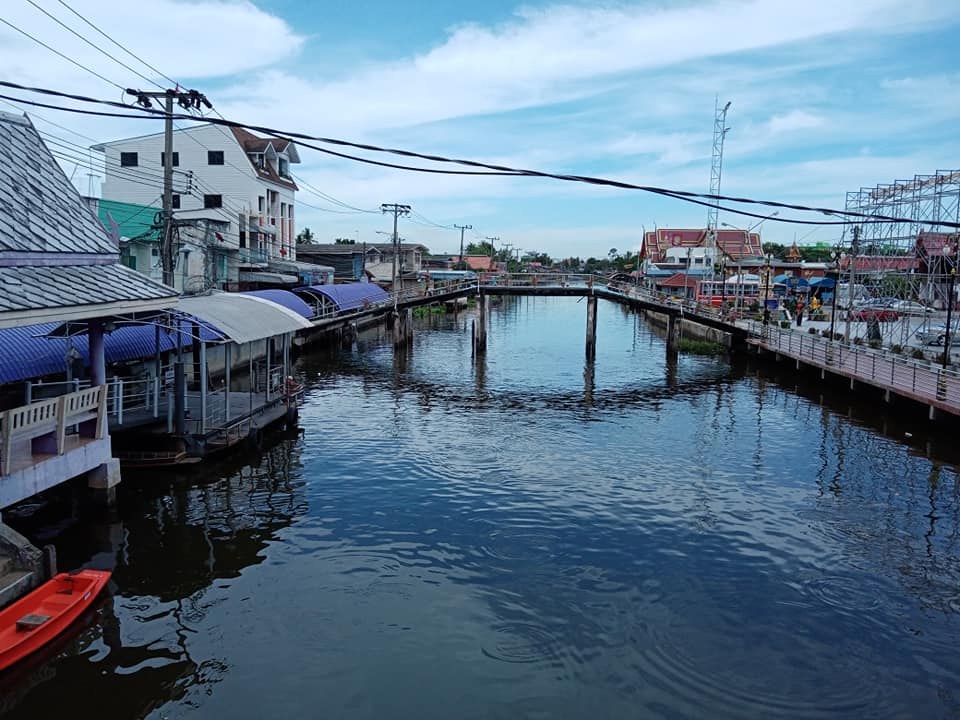
- November 24, 2023 — At six in the morning Thai police arrest eleven Montagnards asleep at home in Bang Yai, Nonthaburi, some of them recognized refugees. Seventeen have been arrested in the past few months, nine of them with refugee status. Getting out of immigration detention costs 50,000 baht in bail.
- March 6, 2024 — Vietnam lists Montagnards Stand for Justice as a terrorist organization. See Y Quynh Buondap.
- March 14, 2024 — Eight Vietnamese police officers, from the Dak Lak security police and the Gia Lai provincial police, among them the Gia Lai police director, come with Thai police to two Montagnard neighborhoods, in Nonthaburi and in Bang Len district of Nakhon Pathom. Our people are told to gather in a yard, questioned, filmed, and told to go home or be arrested. A Thai security official calls it undiplomatic, and the first known case of Vietnamese police questioning Vietnamese refugees on Thai soil.
- June 11, 2024 — Thai immigration police arrest Y Quynh Buondap on Vietnam’s extradition request.
- September 30, 2024 — The Bangkok Criminal Court finds he can be extradited.
- December 2024 — A Thai court sentences him to six months for illegal entry. The UN Committee against Torture names him in its review of Thailand.
- February 23, 2025 — Thai police raid a funeral service in a community hall in Bang Yai, Nonthaburi. See below.
- March 13, 2025 — Vietnamese officials reportedly visit three of the detainees whose bail was refused because Vietnam had issued warrants for them.
- October 29, 2025 — In an early morning raid in Nonthaburi, Thai police detain about seventy Montagnards. Forty-two, by the count of local people, were recognized refugees or waiting for a decision; several had been caught in earlier raids. Twenty who were already out on bail are released at once. The rest go by coach to the Suan Phlu immigration detention center, and the next day each is fined 5,000 baht.
- November 28, 2025 — Thailand hands Y Quynh Buondap to Vietnam.
- July 1, 2026 — Eighteen organizations report that Thailand and Vietnam have pledged to negotiate an extradition treaty and a treaty on mutual legal assistance, and that Thai authorities stepped up surveillance of Montagnard communities around the two governments’ visits.
The funeral raid
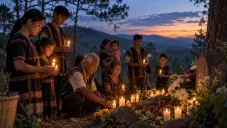
On Sunday, February 23, 2025, Y Quynh Buondap’s wife held a service in a community hall in Bang Yai for her mother, who had died in Vietnam. Thai police raided it. The UN experts counted sixty-five people detained, five of them recognized refugees. One of those taken, Y Misin Knul, said the police refused to wait for lawyers and rushed the process through. What happened next is told two ways. The local police chief said each was tried for illegal entry and fined 4,000 baht, about 118 dollars, and that those who could not pay served eight days in jail before going to the Suan Phlu detention center. The Cross Cultural Foundation, the legal aid group working for them, said forty-three were sentenced to six months in prison after pleading guilty, his wife among them, and the UN experts wrote that the Nonthaburi court sentenced forty-three to six months. Women with children were then held at the immigration center for mothers and children in Bang Khen; the others went to Suan Phlu.
What links Phnom Penh to Nonthaburi
Leaving the country stopped being an escape. The instruments are ordinary ones: a bilateral agreement, an immigration raid, a terrorism listing, an extradition request, a visit by foreign police arranged through local ones. Each can be defended on its own, and that is what makes the pattern hard to name. The effect is that a Dega family with a UNHCR card in Bangkok is one raid away from a cell and one court order away from a flight home. The law is not in doubt. Thailand and Cambodia are bound by the Convention against Torture whether or not they signed the Refugee Convention, and the rule against returning anyone to a real risk of torture does not depend on the person’s papers. See What Vietnam signed for Vietnam’s own obligations.
How asylum decision-makers see us
Judges and officials deciding asylum claims rely on published country guidance. The UK Home Office concluded in December 2024 that Montagnards are likely to face persecution or serious harm from the state, especially where they are politically active or Christian, and that nearly all the Montagnards it found recorded as detained, thirty-nine at the end of 2024, were charged with “undermining national unity.” Australia’s foreign ministry assessed in January 2022 that we face a moderate risk of official discrimination if we are active in politics or in religion seen as political. The two assessments were written two years apart and reach very different conclusions. The documents most often cited are listed in Reports and documents.
If this is your situation
- Read Reporting safely before you contact anyone about your case, including us.
- Keep your UNHCR documents safe, and keep copies somewhere other than where you sleep.
- If a family member has been detained, If someone is detained says what to write down in the first hours.
- We are not lawyers and this page is not legal advice. What we can do is record what happened, with names, dates and places. That record stands on its own, and it is also the form a lawyer or a UN body can work from.
What we do not know. What became of the last seventy-six people at the Phnom Penh site in 2011. When the thirteen recognized in 2015 actually left for the Philippines, and where the seven sent on in 2017 went. How many of our people in Thailand had US resettlement cases that stopped in January 2025. What happened to the seventy detained on October 29, 2025, after the fines. Whether any Montagnard has applied to Thailand’s screening mechanism. Whether there have been crossings into Cambodia since 2019. If you know any of this, tell us, safely.
See also
- Y Quynh Buondap — the case in full
- The years between, 2005–2022
- Stateless in our own country — the papers people leave without
- Kin across the border — the highland peoples of Ratanakiri and Mondulkiri
- Beyond North Carolina — where the resettled went
Sources
- UNHCR briefing notes and releases: January 21, 2002 — the tripartite agreement; February 19, 2002; February 23, 2002 — the April 30 deadline, the refused visits, the delegation at Mondulkiri; April 13, 2004 — the Ratanakiri office, the 900, the 2004 arrivals; November 5, 2004 — the 441; UNHCR, Country Operations Plan 2007: Viet Nam — the memorandum of January 25, 2005
- UN News, April 28, 2006 — 605 resettled, 190 returned; Congressional Record, July 21, 2005, E1565 — the deportation of July 20, 2005
- Human Rights Watch, “Cambodia: Protect Montagnard Refugees Fleeing Vietnam,” September 25, 2002; backgrounder of January 2005 — Hok Lundy, the returnees; No Sanctuary (2006), in our library; Montagnard Christians in Vietnam (2011), in our library — the sixty-five and article 91
- IRIN, December 17, 2010, and Human Rights Watch, World Report 2012 — the closing of the Phnom Penh site; Human Rights Watch, May 1, 2015 and September 13, 2017; Radio Free Asia, January 21, 2016; US Department of State, Cambodia 2018 Human Rights Report — the 140
- Prevention and Suppression of Torture and Enforced Disappearance Act, B.E. 2565 (2022), official translation, section 13; UN Committee against Torture, CAT/C/THA/CO/2 (2024), paragraphs 32–35; UN Human Rights Committee, CCPR/C/VNM/CO/4 (2025), paragraphs 24 and 36; UNHCR Thailand, National Screening Mechanism; East Asia Forum, July 2025, and Fortify Rights, May 8, 2025 and June 11, 2026 — the seven protected; Human Rights Watch, August 30, 2018, and Fortify Rights, October 2018 — the Bang Yai raid of 2018
- Radio Free Asia, November 27, 2023 — the Bang Yai arrests; March 15, 2024 — the police visit
- BenarNews and Radio Free Asia, February 25–26, 2025, and Agence France-Presse, February 26, 2025 — the funeral raid and the two accounts of the penalties; UN special procedures, AL OTH 84/2025 — sixty-five detained, the six-month sentences, Bang Khen and Suan Phlu, the visits of March 13, 2025
- Human Rights Watch, “Thailand: Vietnamese Refugees at Risk from Hanoi,” November 13, 2025 — the raid of October 29; Christian Solidarity Worldwide, October 30, 2025 — the 500; December 1, 2025
- Joint statement of 18 organizations, July 1, 2026
- Al Jazeera, March 24, 2017 — 150 families; National Bureau of Asian Research, September 10, 2022 — 1,700, Canadian sponsorship; Executive Order 14163 (2025) and Presidential Determinations 2025-13 and 2026-14
- UK Home Office, Country Policy and Information Note: Vietnam, Ethnic and religious minority groups, version 4.0 (December 2024), section 3.3; Australian Department of Foreign Affairs and Trade, Country Information Report: Vietnam (January 11, 2022), paragraph 3.8
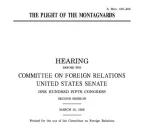
- US House of Representatives, hearings of January 24, 2012 and April 11, 2013, in our library — our testimony on asylum seekers left with nowhere to go
Compiled September 2026. This is the page in this library most likely to be out of date. Where two sources give different numbers or dates, both are given. If you know the present position of anyone named here, or of those detained in 2025, tell us, safely.