
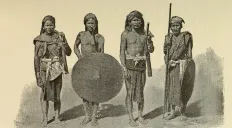



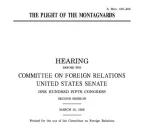





















On June 3, 1888, at the village of Kon Gung on the Poko north of Kon Tum, the chiefs of several Sedang villages signed a constitution that made a Frenchman their king. The Kingdom of the Sedang lasted about two years, issued stamps, medals and a flag, and is usually told as a comic episode in the life of an adventurer. It is worth telling from our side, because the record of that year, kept by the priest who wrote the treaties down in French and in Sedang, is the first record of highland chiefs making agreements with a European: what they asked for, what they were promised, and how quickly the promise was set aside. The constitution is printed here in full.

The man
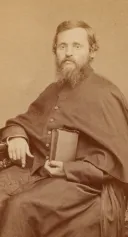
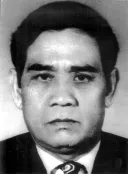
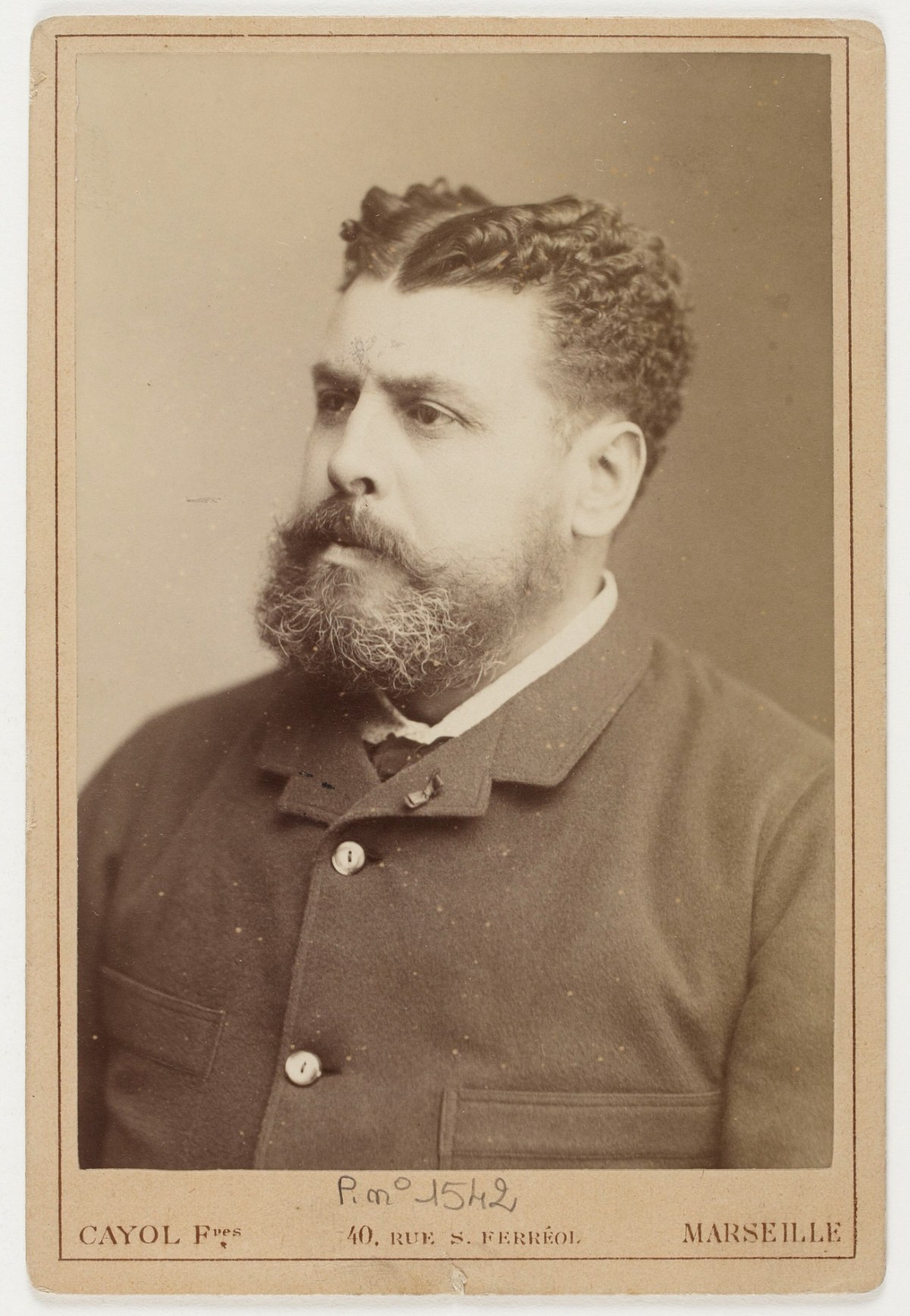
Auguste-Jean-Baptiste-Marie-Charles David was born in Toulon on January 31, 1842, the son of a naval officer. He failed the naval examinations, enlisted in the dragoons in 1859, served with the Cochinchina spahis, went home in 1868, married, fought in the war of 1870 and was wounded three times and decorated, and then set up as a banker in Paris. In July 1883 a complaint for fraud was laid against him; in September he was declared bankrupt; he sailed for Java, lived two months on the charity of compatriots at Probolinggo, and was expelled by the Dutch in August 1884 with a third-class ticket home. In 1885 he obtained from the ministry a scientific mission to Aceh, took out a life insurance policy for 200,000 francs with the man he traveled with, and landed at Saigon on May 23. From that day, the colonial archives record, he called himself the Baron David de Mayréna. He took a concession near Ba Ria, where a government pharmacist reported that he did not know where the gutta-percha trees were; in May 1887 the administrator searched his house and found twelve rifles and a cupboard full of ammunition. All of this is from the official files, read by a French writer in 1927 whose verdict was that Marie I was never, apart from rare flashes, anything but a poor adventurer, a swindler and very nearly a traitor.
.jpg)
The mission
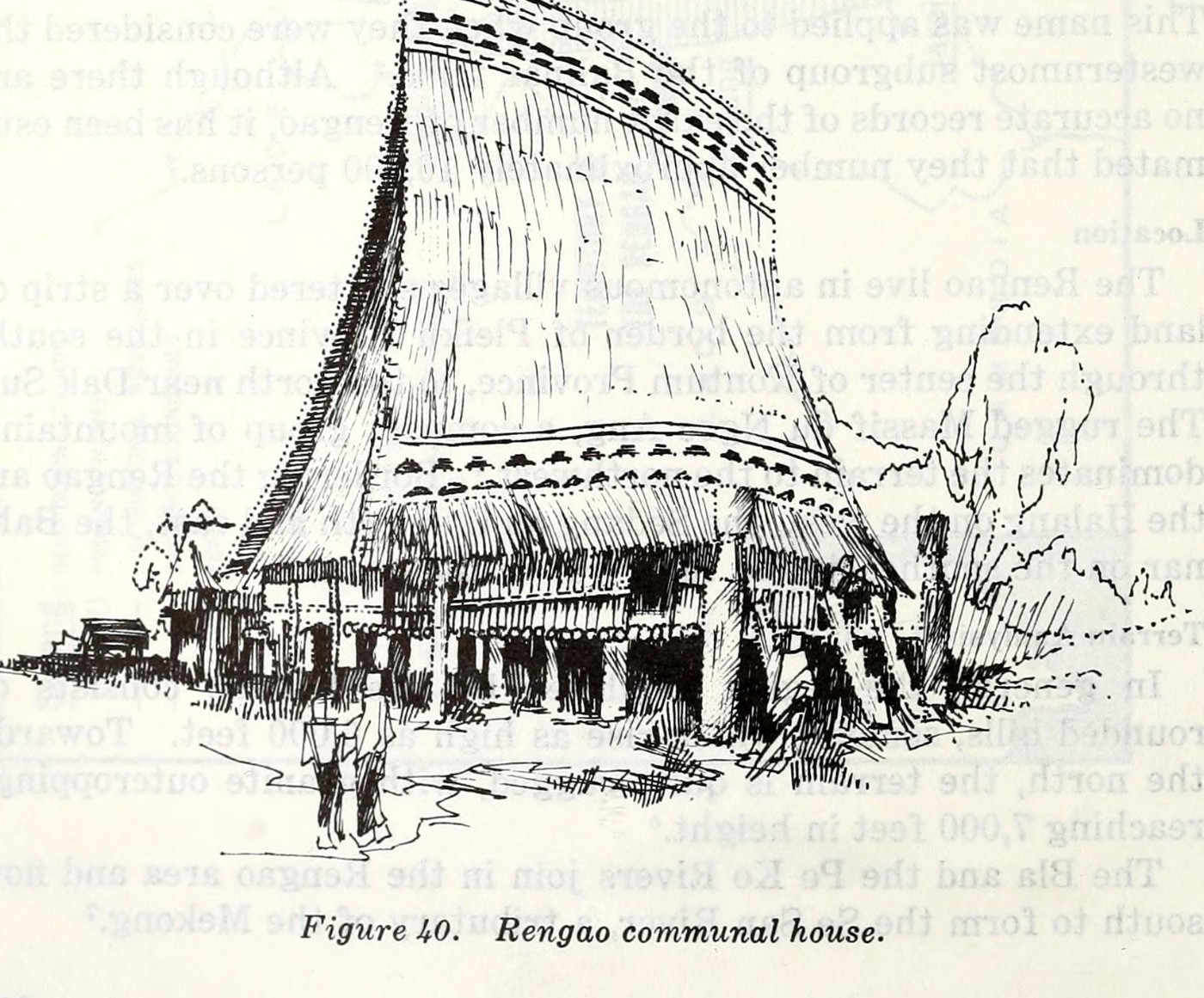
On January 5, 1888, he wrote to the new governor-general, Constans, asking for a mission to the independent Moï, and, remarkably, got it: a few hundred piastres, fifteen Saigon policemen, and instructions from the Résident at Qui Nhon, Lémire, to try to open a way from the coast to the French residency at Kratie, and to respect these peoples and their customs. The bishop of Qui Nhon wrote ahead to the Kon Tum mission to expect a compatriot who was very courageous and very energetic. The column left Qui Nhon on April 21, 1888. Before he ever reached Sedang country, Mayréna signed two treaties of French protection with the Bahnar chiefs on the way, on April 28 with the chiefs under Yum, and on May 4 with the chiefs under Pim and Jo. Their terms are worth reading, because the chiefs’ own conditions are in them. The chiefs placed themselves under the protection of France and took the French flag as the sign of alliance; they would go on electing their own chiefs; they would remain free in their manners, customs and religion; they would warn the French of any Vietnamese attempt on their territory; and, in the words of the treaty of April 28, obeying the French authorities, they would at no price accept Vietnamese chiefs. In exchange France would protect them. Each treaty ended with the words that it must be ratified by the French government. It never was.
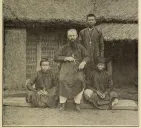
On May 13 the column reached Father Guerlach’s station at Kon Jodreh. Guerlach was thirty; he had been in the highlands since 1882, had been robbed by the Jarai with a French lieutenant the year before, and had answered with two expeditions that ended the raiding. Mayréna showed him letters from the governor-general’s office and the Résident and reports addressed to a minister in Paris, and Guerlach, as he later wrote, became his interpreter, his secretary and his witness. The missionaries did for Mayréna what they had done for every French traveler: they found him porters, elephants, rice and guides (see The Kon Tum mission).
Up the Poko
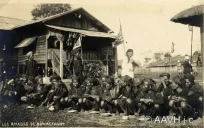
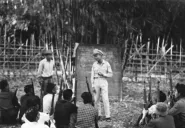
Guerlach’s own account of what followed survives because the colonial archives kept it. On May 23 the party slept at Kon Tum with Father Vialleton; on the 24th at Kon Trang with Father Irigoyen, where the village tied a bullock to the post and danced the rolang to drums and gongs and the Bahnar cut it down with sabers after the war dance; on the 25th they set out for Polei Tebau, three Frenchmen, Vietnamese interpreters, ten Bahnar, six Saigon militiamen and four Chinese merchants looking for gold, through bamboo forest so tangled that it made a low vault over the path. On May 26 at Kon Trang Mene, Guerlach called the notables of two villages to a podap, a great council, at which Mayréna was accepted as chief; Guerlach interpreted, wrote the treaty himself, and countersigned it with Mercurol, Mayréna’s companion. He bought rice there and had the road to the Poko cleared for forty strings of red beads.
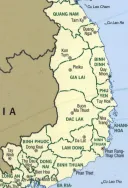
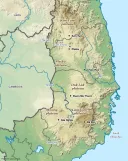
On May 28 they reached the Poko. The people of the far bank ran: the Halang had told them the night before that the French chief was coming to take the country. A chief named Sui, who had seen the party two days earlier, sent canoes, and they crossed to Kon Gung, a village in a bowl of hills on the Dak Henui, a stream that carried gold, whose chief, Sam, was an old man wrinkled like an apple. The people of Kon Gung signed a treaty and asked their new chief to fire his carbines, which they loved for the noise, the range and the empty cartridge cases, which made the best pipe ornaments. They waited there for a Halang chief named Serot who held the Lao title of Ek; on June 2 his cousin Khen came instead, with silver earrings and a pagoda tattooed on his back, holding the Lao title of Phia-Keo, and told them that three Europeans with an armed escort had come as far as Attopeu and been driven back by fever. Mayréna made an alliance with him to secure the Lao side.
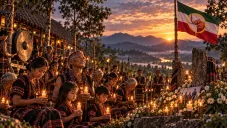
June 3, 1888
The next day, Guerlach wrote, Mayréna drew up the constitution of the Sedang kingdom, and the chiefs of several villages signed it the same day. That is the whole of the ceremony as the only witness described it. Mayréna’s own version, printed in a Haiphong newspaper that October, is more theatrical: the chief Sui staged a war display, the Sedang were proud of their skill with the saber, Mayréna challenged the winner and touched him, won their confidence, and since as a Frenchman he could not take up arms for them, offered himself as their war chief, tenul bla, against an invasion from the Lao side; the chiefs asked him to lead them against the Jarai; there was a delirium, the Sedang chiefs ran to him, and having agreed among themselves they named him king, agna. Every part of that account that can be checked against Guerlach’s is smaller in Guerlach’s. This is the text they signed.
Aujourd’hui 3 Juin 1888, les chefs de tous les territoires qui ont signé un traité avec M. Marie de Mayréna et l’ont reconnu pour chef suprême, se sont réunis, avec les hommes de leurs tribus, au village de Kon-Gung, et, après traduction et explication, ont déclaré accepter la Constitution suivante :
Article premier. — Les territoires indépendants qui s’allient aujourd’hui prennent le nom de Confédération Moï.
Art. 2. — Les territoires Sédangs étant les plus considérables dans cette confédération, celle-ci prendra le nom de Royaume Sédang.
Art. 3. — M. de Mayréna, déjà chef reconnu, est élu Roi des Sédangs.
Art. 4. — La royauté est héréditaire ; mais le Roi, s’il le veut, peut désigner un successeur en dehors de sa famille. Toutefois, les chefs des tribus exigent que ce roi soit agréé par tous les chefs, à la majorité des voix.
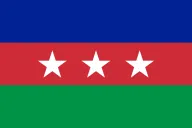
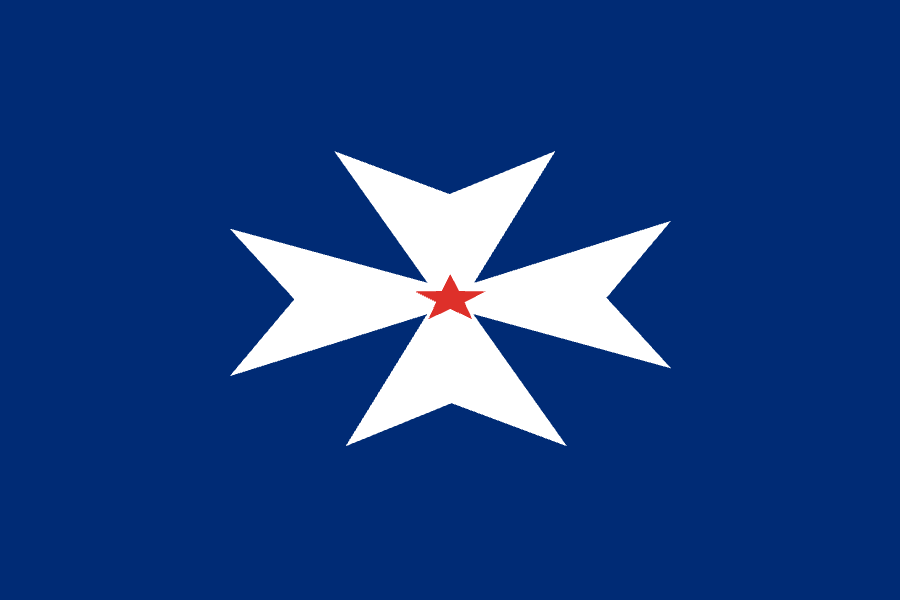
Art. 5. — Le drapeau national sera bleu uni, avec une croix blanche à étoile rouge au centre.
Art. 6. — Le Roi a l’autorité absolue. Il commande à tous les chefs civils et militaires, et règle les différends qui peuvent naître entre eux.
Art. 7. — Il décide la guerre et la paix, avec l’assistance d’un conseil composé des chefs des tribus.
Art. 8. — Le Roi conduit les hommes à la guerre ou désigne celui qui doit les commander.
Art. 9. — Les terres ne sont aliénables aux étrangers qu’avec le consentement des Ténules, et toute aliénation doit être sanctionnée par le Roi.
Art. 10. — A l’avenir, les sacrifices humains sont interdits.
Art. 11. — Toutes les religions sont libres dans le Royaume Sédang.
Art. 12. — En dehors du Conseil général, le roi nommera un Conseil privé, chargé du courant des affaires.
Art. 13. — Toute modification à la présente Constitution devra, pour être valable, être décidée, le Roi présent, par le grand Conseil général.
Fait à Kon-Gung, le 3 Juin 1888.
Read it as a Sedang chief would have had it read to him. The territories that ally are independent, and stay so in name. The king is absolute, but any successor must be accepted by all the chiefs by a majority, which is how a village chose its own chief. Land can be sold to foreigners only with the consent of the tenul, the chiefs, and the king; that is the one article that protects anything, and it is the one that would have mattered most in the century that followed. Human sacrifice is forbidden, which is the missionaries’ article. All religions are free, which is not what is commonly said of this constitution; it is often written that it made Catholicism the state religion, and the text says the opposite. The thirteen articles were signed by the chiefs of villages on the Poko, Sedang and Halang; the Bahnar and Rengao chiefs on the road had signed treaties of French protection instead, and the Bahnar-Rengao confederation of the mission stood apart. Whether any chief understood the word roi as anything but tenul bla, a war leader taken on for a war, is not recorded in any of their own words.
.jpg)

On June 17 the party went to the Halang villages on the Poko; on June 19 at Hamong Ketou all the Halang chiefs accepted the constitution and Mayréna named an Ek, a governor, and gave him an armband with four gold stripes. On the way back Mayréna fell ill and dictated a letter to the governor-general asking to be recalled, which Mercurol carried to Saigon with copies of the constitution. A third journey, with Father Irigoyen, went among the Sedang of the Poko and the Psi, and there Mayréna added articles and made a second constitution, which the villages accepted in Irigoyen’s presence and he countersigned; the gold-panning village of Dak Dry signed a separate treaty recognizing Mayréna alone. Guerlach made two copies, in French and in Sedang, and certified them, one for the ministry and one for Saigon. The text of that second constitution we have not found.
The paraphernalia
By September 1888 Mayréna was down on the coast at Qui Nhon, his Vietnamese companion dead of fever at Kon Monei, his horse, his piastres and his rifles gone, and Mercurol, whom he had made Marquis of Henoui by decree on June 12, having sold the expedition’s equipment and left him. In those months, the archives show, he signed treaties of alliance, created a postal service, customs, an army, three orders of chivalry, the Royal Order of the Sedang, the Order of Sainte-Marguerite and the Sedang Merit, renounced his French citizenship, issued proclamations, declared war, sent reports to ministers, annulled his marriage, drafted a second constitution and settled the ceremonial of his court. The Résident at Qui Nhon wrote to him on September 19 that the governor-general sent his congratulations for the results obtained. Then he told Saigon that if France did not want his kingdom, England, Germany, Siam and China would, and that he would settle for an honest indemnity or an annuity. Constans, the French writer of 1927 observed, was a skillful politician: without refusing, he gave nothing.


.jpg)
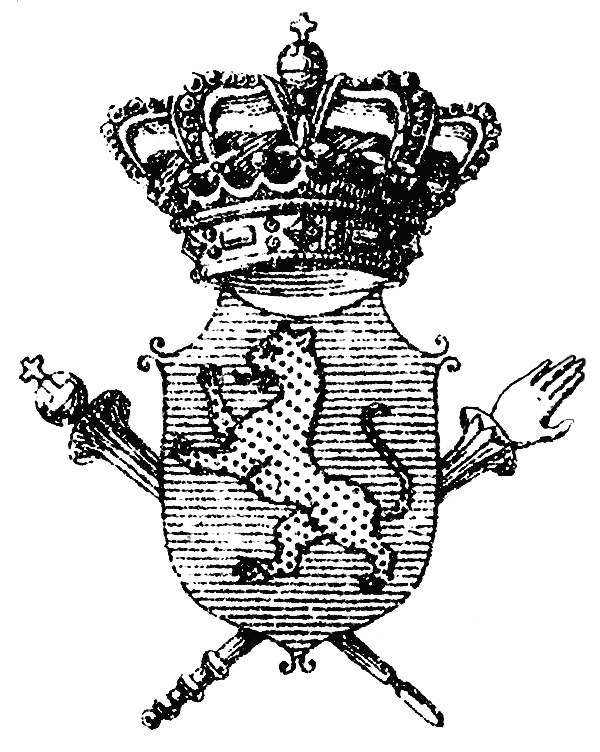
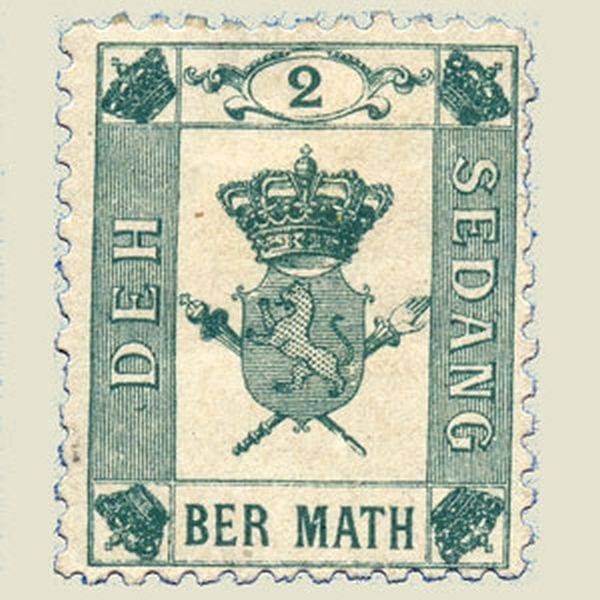
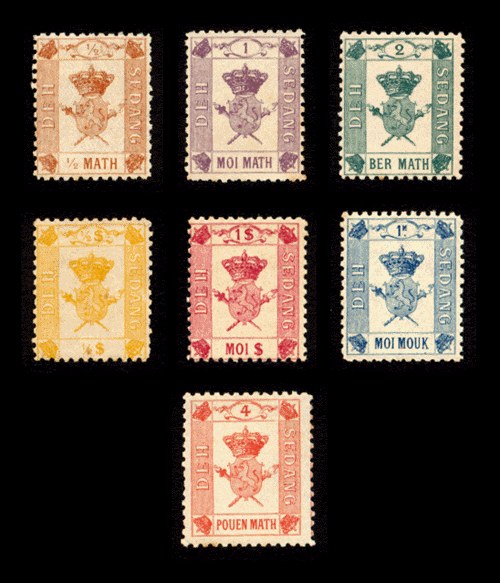
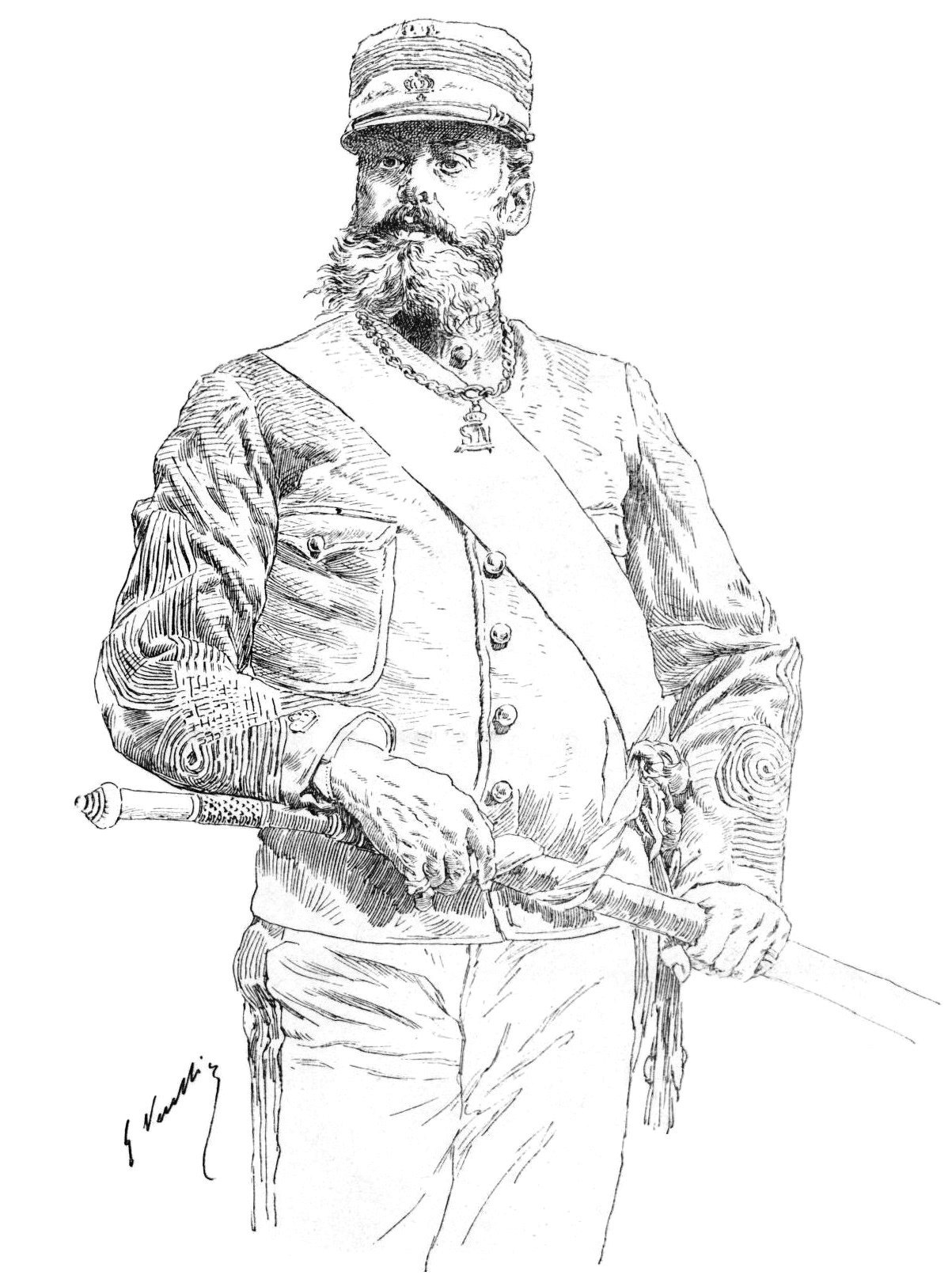
The stamps are what survives. A decree of August 21, 1888, ordered the first printing; a second was ordered in June 1889 from a Paris printer who was never paid and sold the stock to dealers, which is why they exist in every collection. There are seven values, moi math, ber math, pouen math, moi mouk, and the numerals, one, two, three, are Sedang words. They are the only Sedang on anything the kingdom made. The design is a European shield with a lion, a crown, crossed sceptres, and the words Deh Sedang, the Sedang nation. The Order of Merit, founded on August 5, 1888, is a red enameled Maltese cross with the king’s monogram and the words Marie Ier Roi de Sedang; the collar of Sainte-Marguerite is what he wears in the portrait Paris saw in 1889. The Paris press was not fooled for long: one paper noted in March 1889 that the villages which had signed the constitution had a total population of twelve thousand, and that he claimed ten thousand warriors.



How it ended
He went to Hong Kong that winter and to Paris in the spring of 1889, took an apartment at the Grand Hôtel under another name, opened a legation in the rue de Gramont, and found a Belgian industrialist, hungry for honors, whom he made a commander of his order and who paid his debts and chartered a yacht. He left Antwerp in January 1890 with arms and ammunition and a party of supporters, and at Singapore in April 1890 the French consul told him that his kingdom did not exist and the arms were seized. In March 1890 the Résident-Supérieur of Annam had ordered the Résident of Qui Nhon to lead an armed force into the highlands; a year earlier an official had already been sent up to tell the villages that Mayréna had abused their trust, to collect the flags, badges and proclamations, and to offer them the choice of electing their own leaders or joining the Bahnar-Rengao confederation under its president, Krui. Mayréna took refuge on the island of Tioman off the Malay coast and died there on November 11, 1890. The official version was a snakebite; the French writer who read the files thought a poisoned needle by his own hand; a duel and a poisoning by an associate are also told. André Malraux, who came to Indochina thirty years later when the legend was still alive, called him his phantom of glory and put him into La Voie royale.
Guerlach dropped him the moment he learned Mayréna was disowned, defended himself successfully before the governor-general, and the next year guided the officers of the Mission Pavie who chose Kon Tum as their base. In 1906 he answered a book that accused the missionaries of the whole affair with a pamphlet of his own. He died at Kon Tum in 1912, having watched, in the words of his order’s obituary, the creation of a French delegation at Kon Tum and the free children of the forest fail to understand why they must now bend to a new regime.
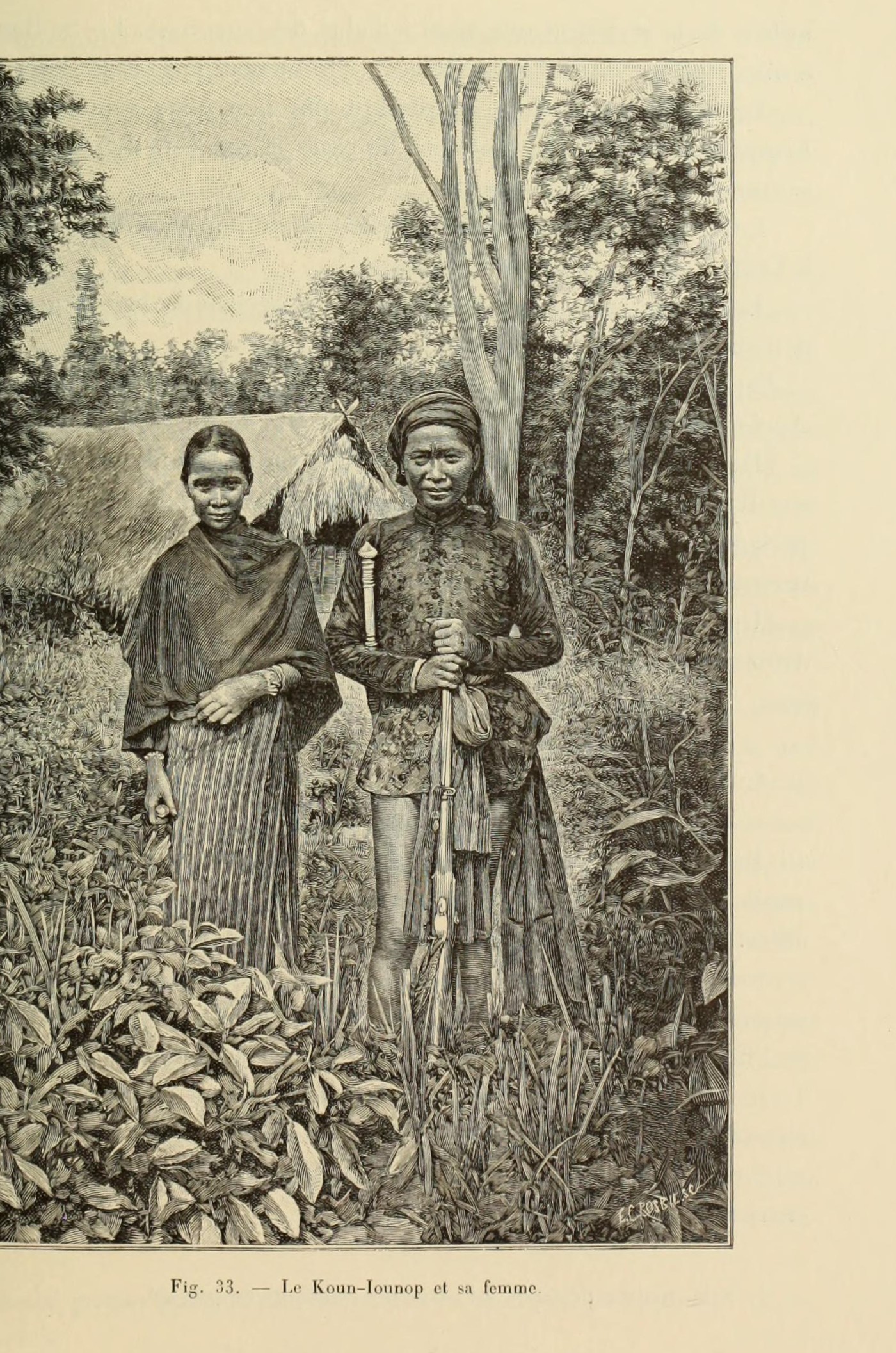
What the chiefs were doing
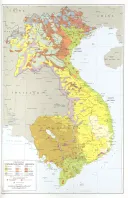
What the chiefs understood themselves to be doing is not recorded in any of their own words; what the French officers who came next recorded is close to it. Captain Cupet, at Kon Tum in 1891, found that the villages of the region, Bahnar, Rengao, Halang and Sedang, Christian and not, had organized themselves into a confederation and elected a chief, that the wars between villages had stopped, and that where the ground allowed they were turning swiddens into paddies. He wrote that these people were tired of the life they led, of the arbitrary rule of the sorcerers and the rich, and above all of the permanent state of war that put their liberty, their goods, their families and their lives at the mercy of their neighbors, and that they were ready to give themselves to whoever would guarantee their safety. That, he said, and nowhere else, was the secret of Mayréna’s rapid fortune. He added that France should take the lesson. The lesson France took was that the highlands could be had for the asking. The French delegation at Kon Tum followed within twenty years; the corvée, the taxes and the roads followed the delegation (see Roads, taxes and forced labor); the land that Article 9 said could not be sold without the chiefs’ consent was granted to planters without anyone asking (see Land law).
So the episode shows three things that recur through everything else in this library. Highland chiefs were political actors who made agreements, and made them with conditions: elect our own chiefs, keep our customs, no Vietnamese chiefs over us, no land sold without our consent. Outsiders sought those agreements when they were useful and discarded them when they were not; not one of the four documents signed in the spring of 1888 was ever ratified by the government whose flag they took. And the great powers treated the highlands as something to be settled among themselves, in Saigon, Paris, Hong Kong and Antwerp, by people who had never seen the Poko. Guerlach wrote the constitution out in Sedang. If a copy in Sedang survives anywhere, in Kon Tum, in the mission’s papers in Paris or in the colonial archives at Aix, it is the oldest political document in any of our languages, and we would like to find it.
What we do not know
- The names of the chiefs who signed at Kon Gung on June 3, 1888, beyond Sam and Sui. The archives may hold the signed sheet.
- The text of the second constitution, and whether the Sedang copies survive.
- Whether Kon Gung is the present Dak Mar, and what the village remembers.
- Who Krui, the president of the Bahnar-Rengao confederation, was, and how he was chosen.
- What the Sedang villages made of the official who came in 1889 to take the flags back.
If Sedang, Halang, Bahnar or Rengao tradition in your family remembers Kon Gung, the man the French called Marie I, or the flags that were collected, tell us.
See also: The Sedang, The smaller peoples, First outsiders.
Sources
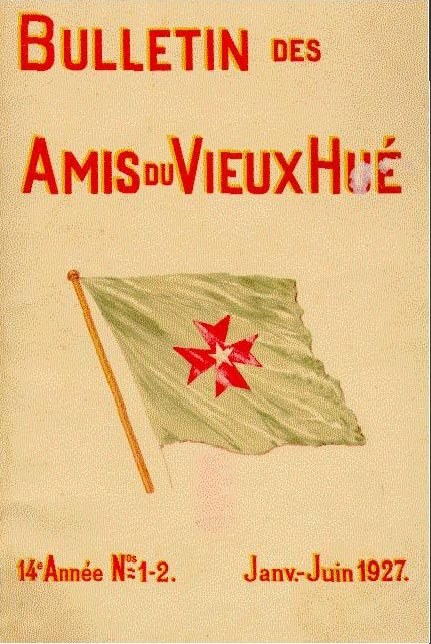
- Jean Marquet, “Un aventurier du XIXe siècle: Marie Ier, roi des Sédangs (1888–1890),” Bulletin des Amis du Vieux Hué XIV (1927), DCHO library, also on the Internet Archive — the life from the colonial archives, the treaties of April 28 and May 4, Guerlach’s account, the constitution of June 3, the orders and the postal service, the letter to the Courrier d’Haïphong of October 8, 1888
- P. Cupet, Mission Pavie, Indo-Chine 1879–1895: Géographie et voyages III (1900), DCHO library — Guerlach’s letter, the confederation of 1891, and the judgment on why the villages had followed Mayréna
- Missions Étrangères de Paris, IRFA, the notices of Jean-Baptiste Guerlach, Jules Vialleton and Pierre Irigoyen — the missionaries’ lives, Guerlach’s break with Mayréna, his pamphlet of 1906
- Gerald C. Hickey, Kingdom in the Morning Mist: Mayréna in the Highlands of Vietnam (University of Pennsylvania Press, 1988) — borrow from the Internet Archive; and Sons of the Mountains (Yale, 1982)
- J. P. Daughton, “Kings of the Mountains: Mayréna, Missionaries, and French Colonial Divisions in 1880s Indochina,” Itinerario 25:3–4 (2001) — the missionaries’ role and the French view of the highlands as the pays moï
- Tim Doling, “King Marie I of the Sedang,” Historic Vietnam (2016) — Kon Gung as Dak Mar, Hong Kong, Belgium, Singapore, Tioman
- The Kingsley Collection, the Sedang Order of Merit and the engraved portrait of 1889; RetroNews, the Paris press of 1888 and 1889
- Maurice Soulié, Marie Ier, roi des Sédangs, 1888–1890 (Paris, 1927); Wolfgang Baldus, The Postage Stamps of the Kingdom of Sedang (2005) — the two printings
Compiled September 2026. The constitution is printed as Marquet transcribed it from the archives in 1927; the highland names are spelled as the French wrote them, since we have no Sedang text.