
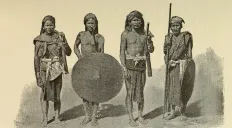
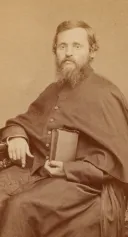

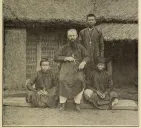
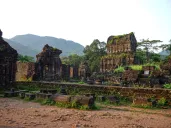
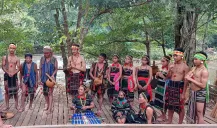

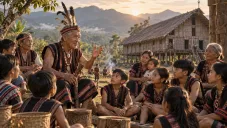






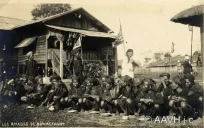

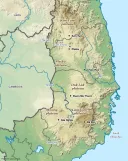
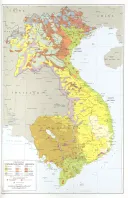
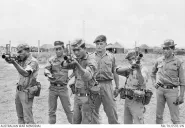
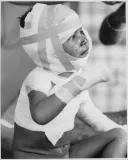
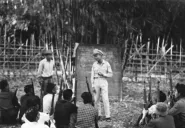
Beyond the large peoples, the Rhade, Jarai, Bahnar, Sedang, Mnong, Koho and Stieng, the highlands are home to a dozen smaller ones, some of only a few tens of thousands, whose names rarely appear in the record and whom the Vietnamese state files under larger names of its own choosing. This page gathers what the sources say about each of them, so that each has a place in our library: where they live, how they lived, what the war did to them, and what the state calls them now.
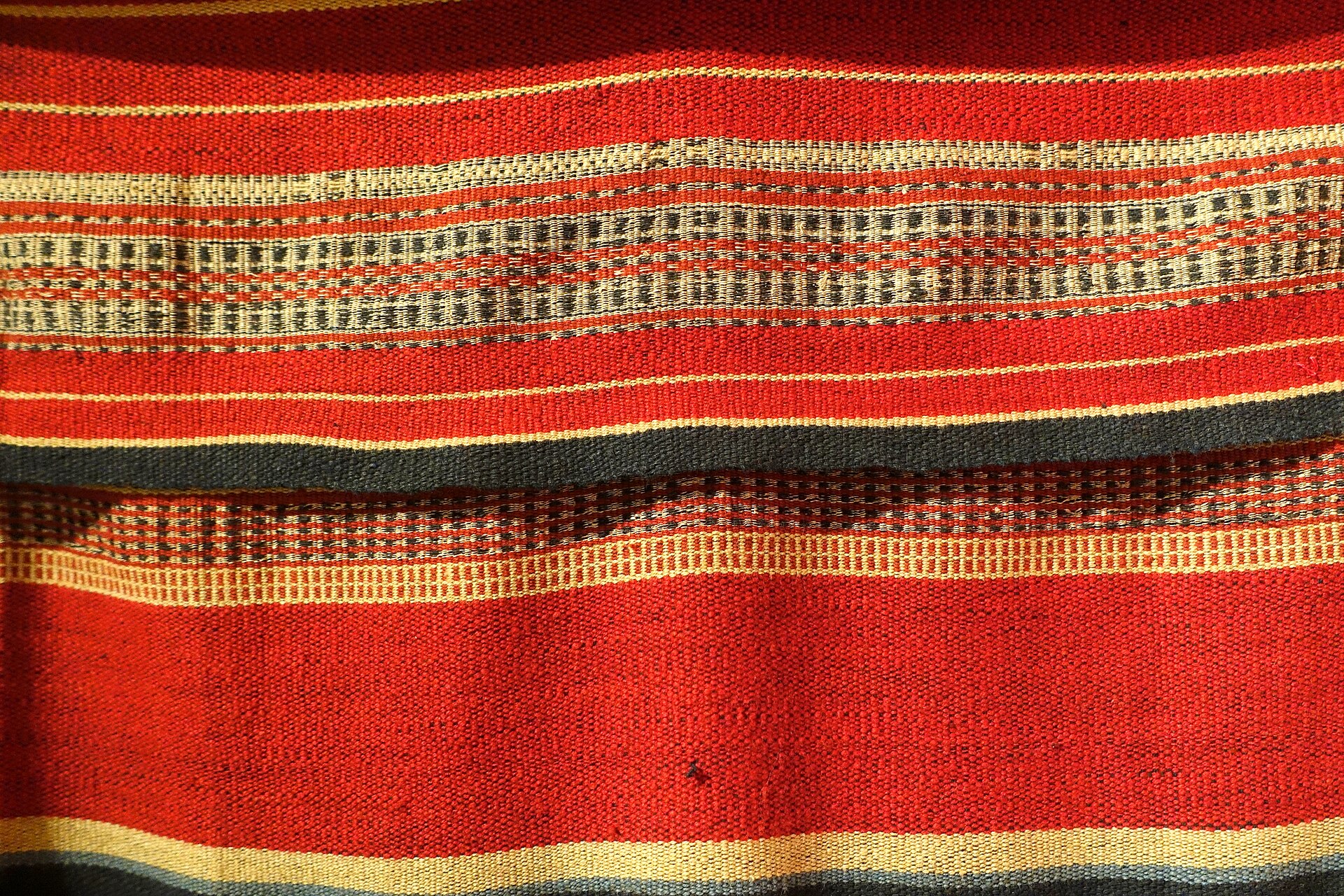

Where these facts come from
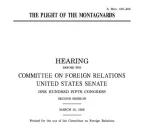
Almost everything below comes from one book, Minority Groups in the Republic of Vietnam, compiled for the American army in 1966 from the French and American studies then available. It says of itself that no field research was undertaken and that there were appreciable gaps and discrepancies it could not reconcile. Its population figures are guesses of the 1960s with very wide ranges, and its descriptions are of a way of life before the worst of the war. We give them as it gives them, and we say where the linguists and the census disagree with it. The language codes are from Glottolog. Every one of these peoples is also in the state’s list of 54 ethnic groups, usually under a name it did not choose: the Halang, Monom and Todra are counted as Xơ Đăng, the Rengao as Ba Na, the Hroi as Chăm, the Jeh with the Triang as Giẻ-Triêng, the Sre, Chil and Lat as Cơ Ho. We use the names the peoples use and the older books use, and give the state’s name beside them. For the four larger southern peoples the state also lumps together, see The Koho, Maa, Churu and Raglai.
Hre (Hrê)
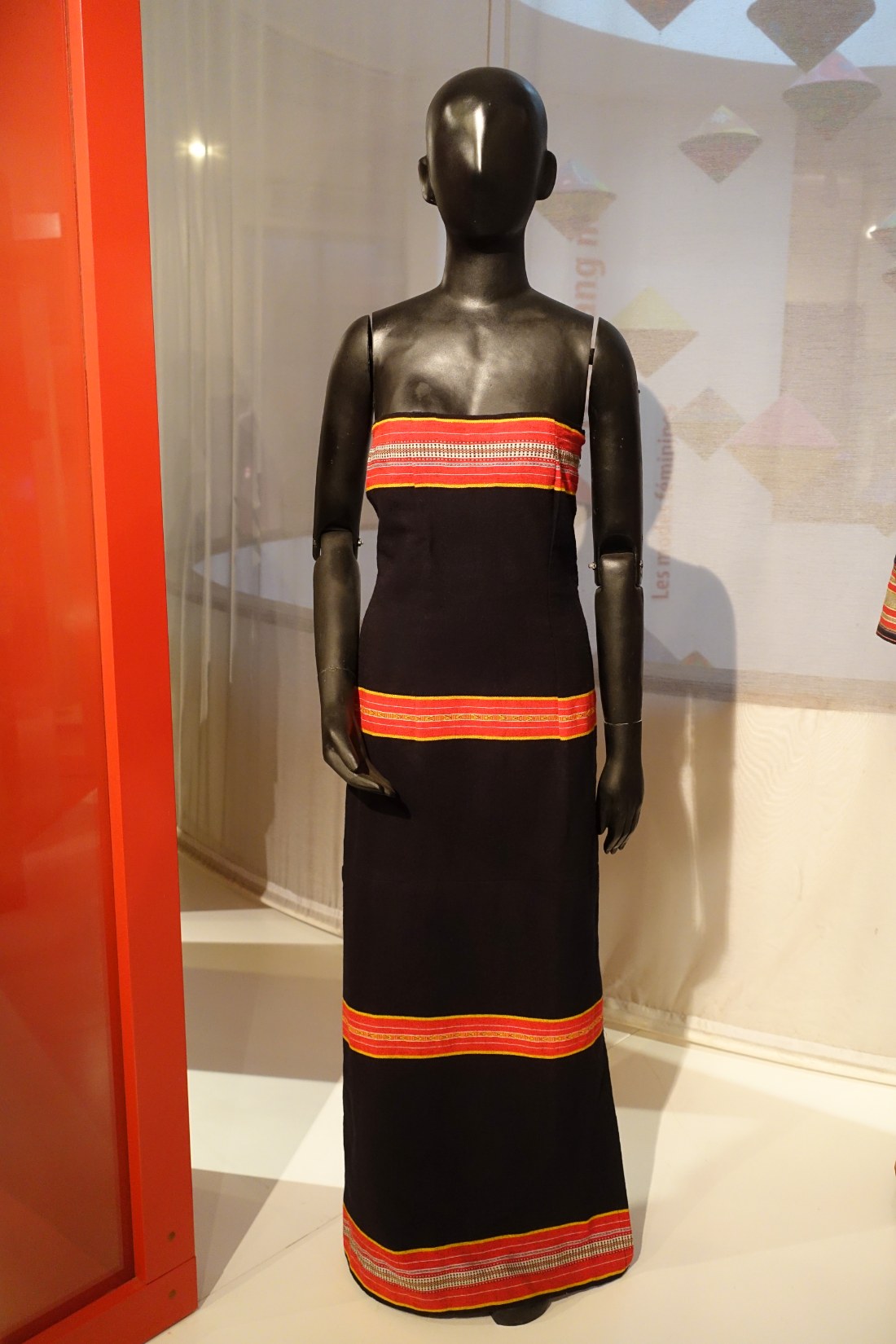
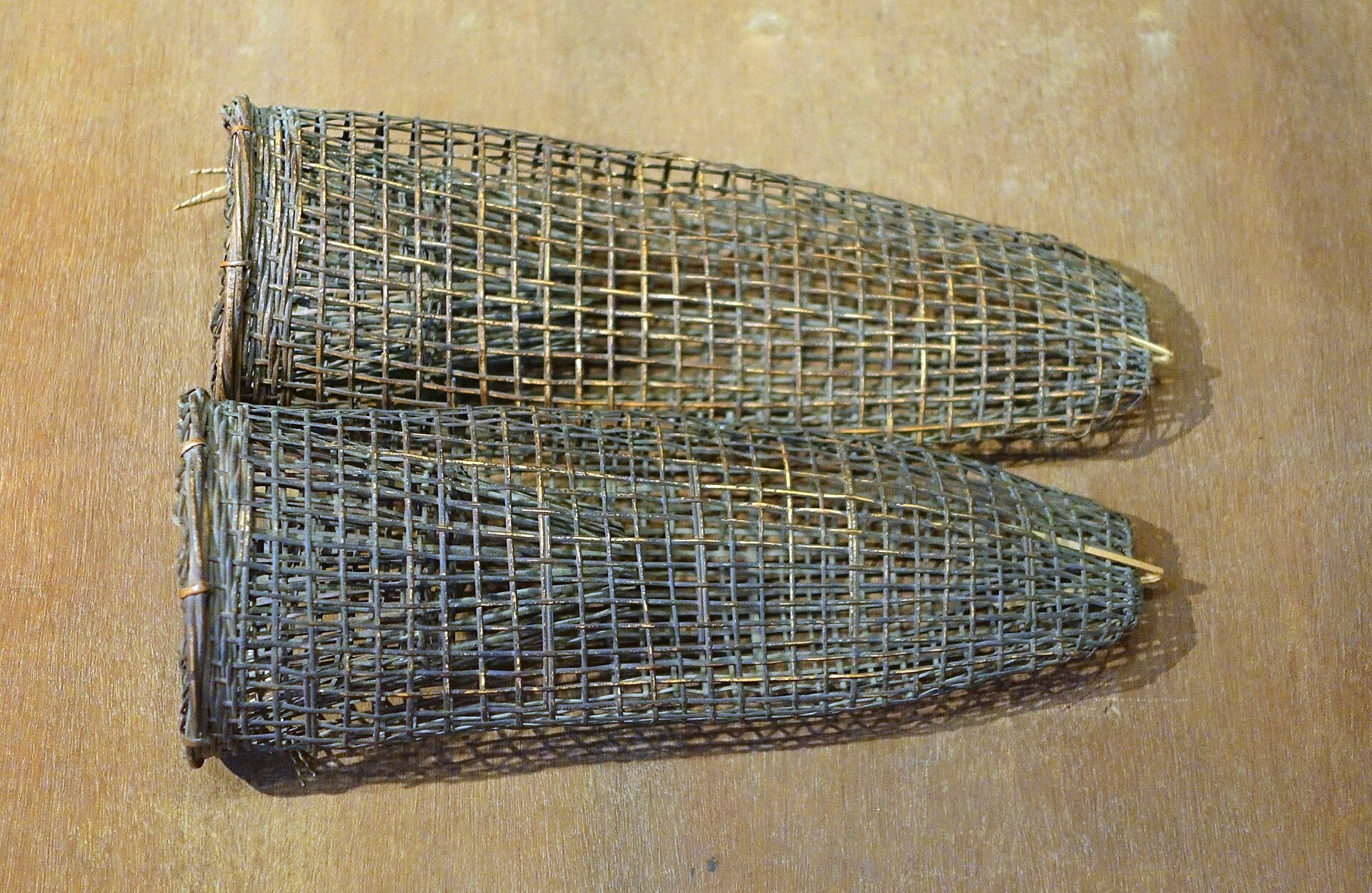
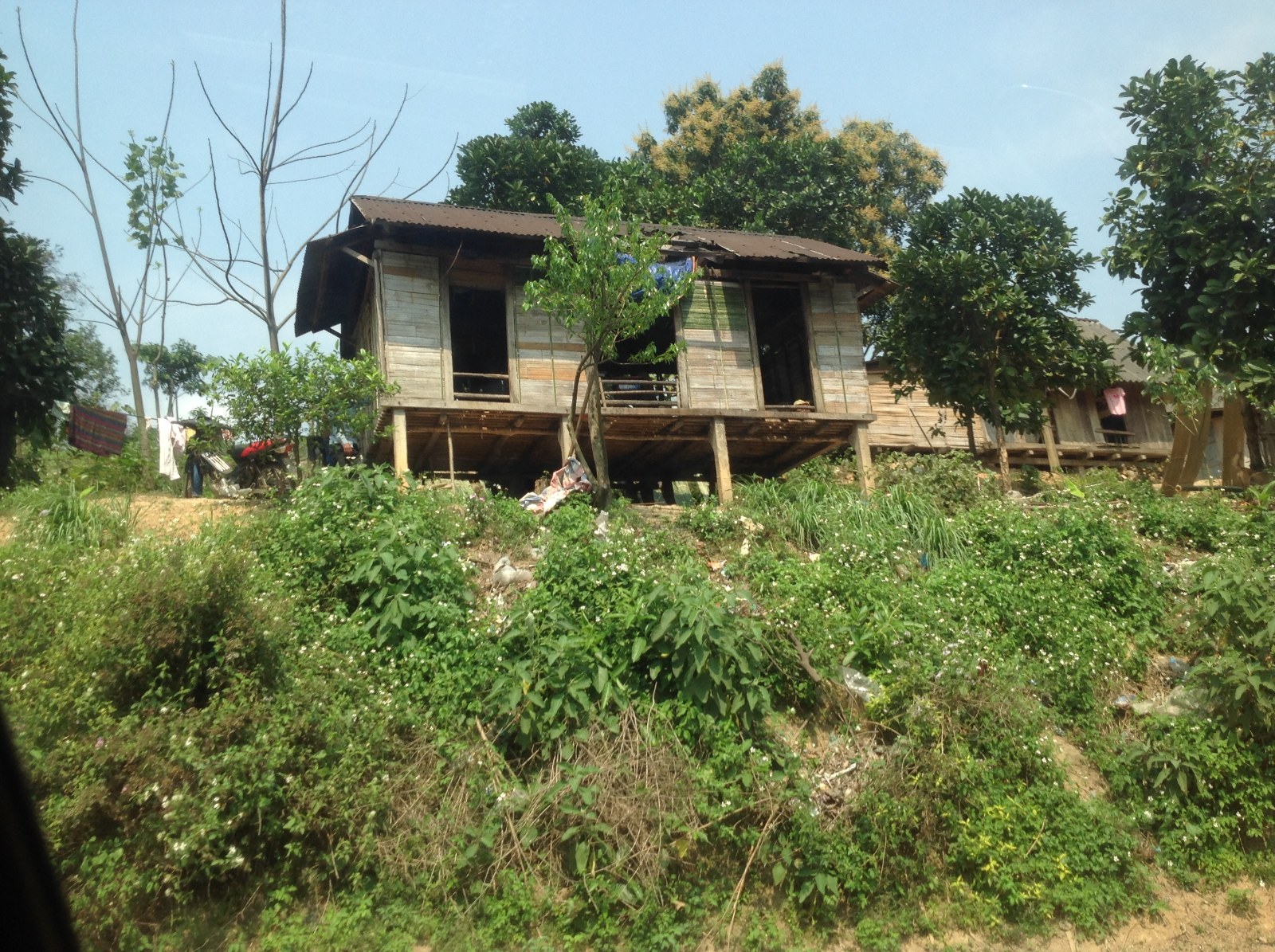
The Hre are the largest of the peoples on this page and the most like the lowlanders in the way they farmed. Many of the valley Hre grew wet rice on permanent irrigated fields, two crops a year, with plow and harrow behind oxen or buffaloes and buffalo dung for fertilizer, a technique they had from the Cham; the hill Hre farmed swiddens like everyone else. Their lowland villages stood on the hillside above the fields, ten to twenty houses of five to fifteen people; the highland houses stood on posts seven feet up, eighteen to forty-five feet long, with two verandas and stairways. They built no communal houses. Descent ran through the father, though the groom’s family paid for the wedding; a second wife was taken only if the first was barren; a village with five deaths in a month was abandoned. The sacred hearth and the sacred sack of salt hung over it were the center of every house. The old men had filed their front teeth. Poison was made and used freely, the deadliest a powder called do that the Bonam prepared from secret ingredients, and the Ba To country was known for it. Eighty percent of the Hre of the Ba To lowlands owned their own fields. And they had known the Cham and the Vietnamese far longer than any other highland people: they traded by preference with the Cham, who they said were good to them and helped them in famine, and wore Cham dress and yellow Cham turbans, while Vietnamese traders lived in their largest villages.



Their history is a history of Vietnamese rule. The Nguyễn lords took the Hre country, which the court called Trấn Man, after 1673, conscripted the young men, and put down repeated rebellions in wars that devastated the Ba To region; in 1863 the court built forts and garrisoned them with thousands of regular troops, and in 1904 the French made it give up its special control. The French had posts at An Lao in 1900, Ba To in 1901 and Tra My in 1902, and the Hre fought them with what weapons they had. Then came 1945. The Viet Minh took the towns of Quang Ngai, made Ba To their center, bribed some chiefs, conscripted the young Hre, sent those who resisted to forced labor in the coastal salt marshes, and while the men were gone settled Vietnamese beside the Hre villages to farm Hre land. In 1949 the surviving chiefs called the Hre in the Viet Minh units to mutiny and desert with their weapons, and the country rose. At a signal the Hre killed the Vietnamese settlers, men, women and children, some five thousand of them by the handbook’s count, and threw them in the rivers or burned them as offerings to the spirits of earth and sky, then went to the French posts and asked for arms. A Viet Minh regiment came back into the valleys and looted, killed and burned in revenge; most Hre fought on as guerrillas, some in the French-sponsored Hre Independence Movement, and the Viet Minh held the valley country until Geneva in 1954. We record this as the source does. The killing of civilians is not something we defend; the settlement of our land while our men were in forced labor is not something anybody has defended either. The Hre rising of 1949 is the largest rising against the Vietnamese by any of our peoples that the record describes, and it was against the communists, which is one reason so little is written about it (see The first war). In 1970 the Hre of Quang Ngai were the people whose sprayed fields the scientists inspected (see The Trail and the poison).
Cua (Cor, Kor, Co)
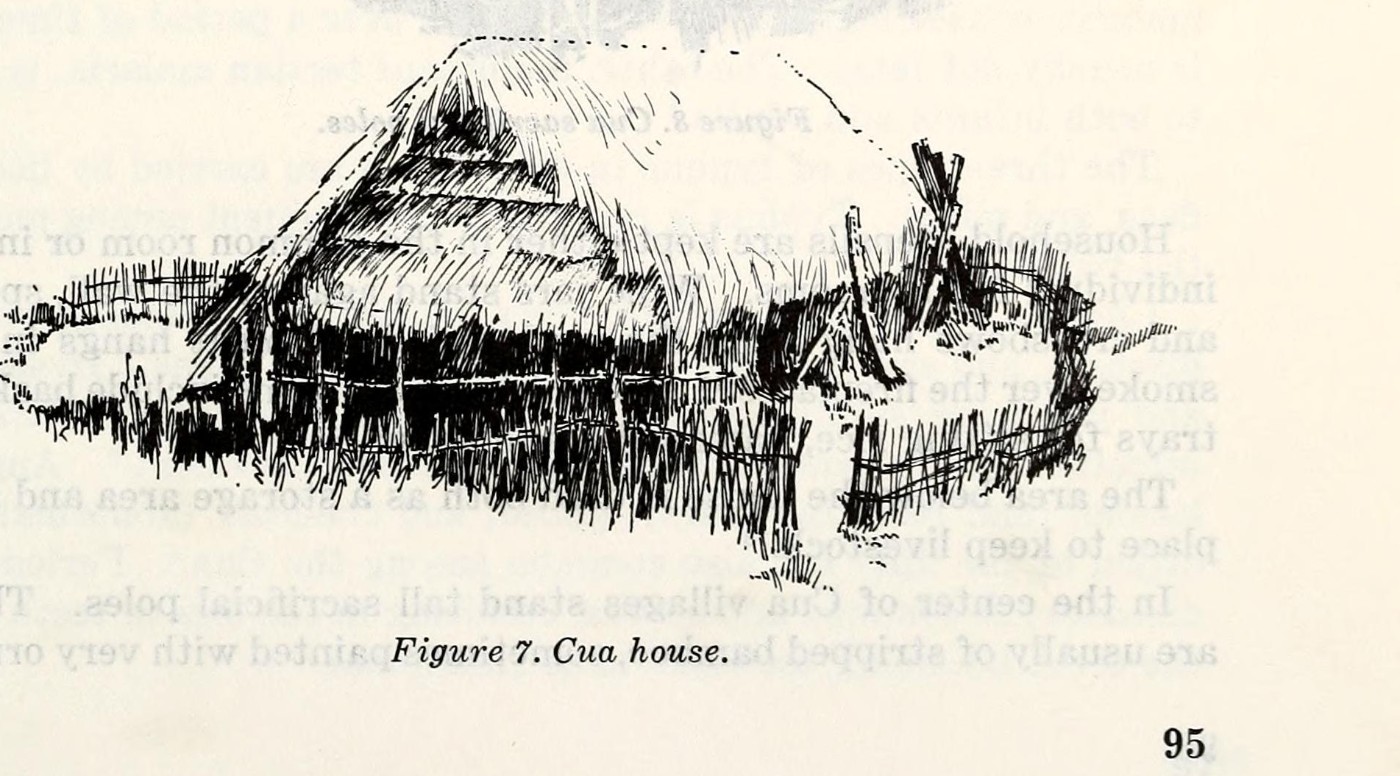
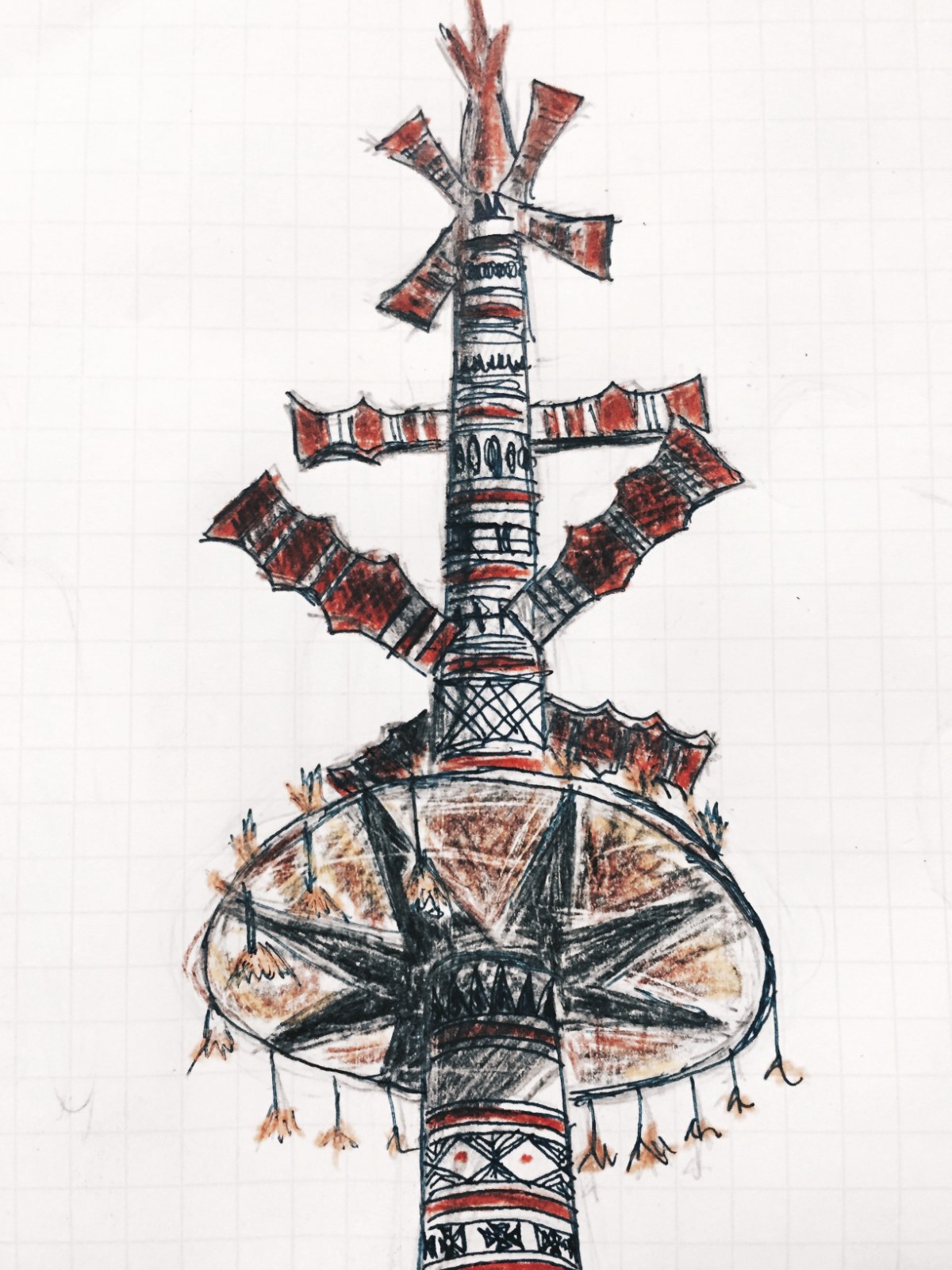
The Cua were the cinnamon people. Their mountains grew the best cinnamon bark in the country, and the sight of Cua men, women and children carrying enormous loads of it down to the Vietnamese market at Tra Bong was, the handbook said, a common one; they traded green tea too, and made pewter from tin that came from Laos by some route nobody had traced. They were noted porters and hunters, small, light-skinned, hospitable and not warlike, and known for beadwork and for the tall sacrificial poles of stripped bamboo, painted with ornate designs, that stood in the middle of every village and at whose foot the buffalo was killed with the whole village around it. Their houses were entered by a notched pole and had a long common room down one side and small family rooms down the other, each with its own open mud fire-box for cooking, heating and smoking meat. Descent ran through the father. They had been under Champa from the eleventh century, paid a yearly tribute to the Vietnamese court, and were punished by expeditions when they did not; the Vietnamese have written about them for a thousand years, and never in their own language, which had no writing. In the 1960s their villages had no defenses at all, and in Viet Cong areas the houses were shabby because any new house was burned. The state calls them Co, and by the state’s own account nearly all Cor men now carry the family name Hồ, after Hồ Chí Minh.


Jeh (Giẻ, Diê)
The Jeh were the people everyone pushed. Their history, the handbook says, is the story of a weak people forced ever deeper into the mountains by stronger highland groups and by the Vietnamese; the Sedang oppressed them so hard that they nearly ceased to exist as a group, and in the nineteenth century they retreated so far into hills that could not feed them that village life broke down and some families gave up the longhouse for isolated huts. When the French reached them about 1927 they resisted, believing the French were allies of the Sedang, and the last villages were not subdued until about 1935. Many Jeh then worked on the building of Route 14 across their country, taking their pay at first only in salt and blankets and by 1940 in paper money. In the 1960s they were moving again, to get away from the Viet Cong.
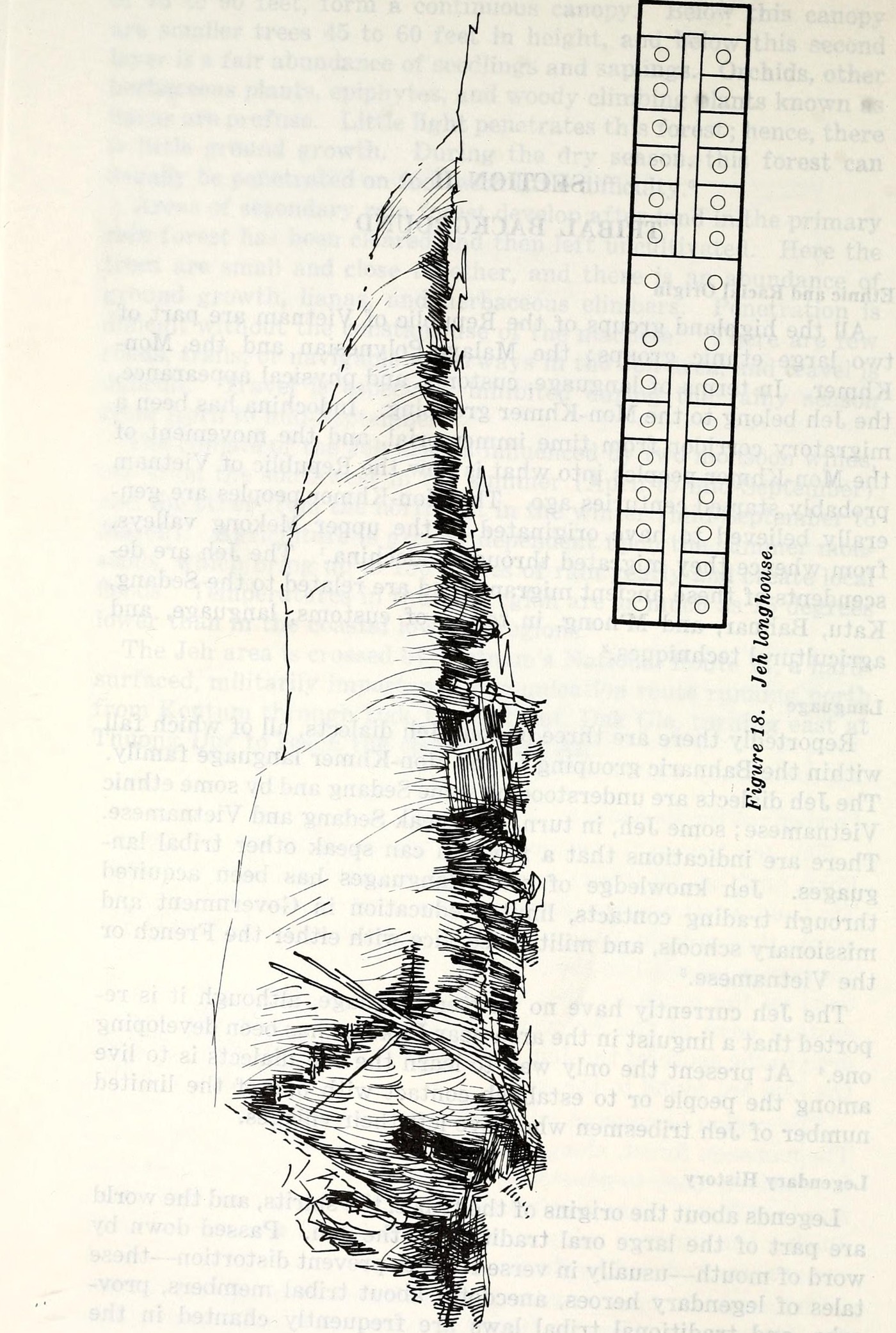
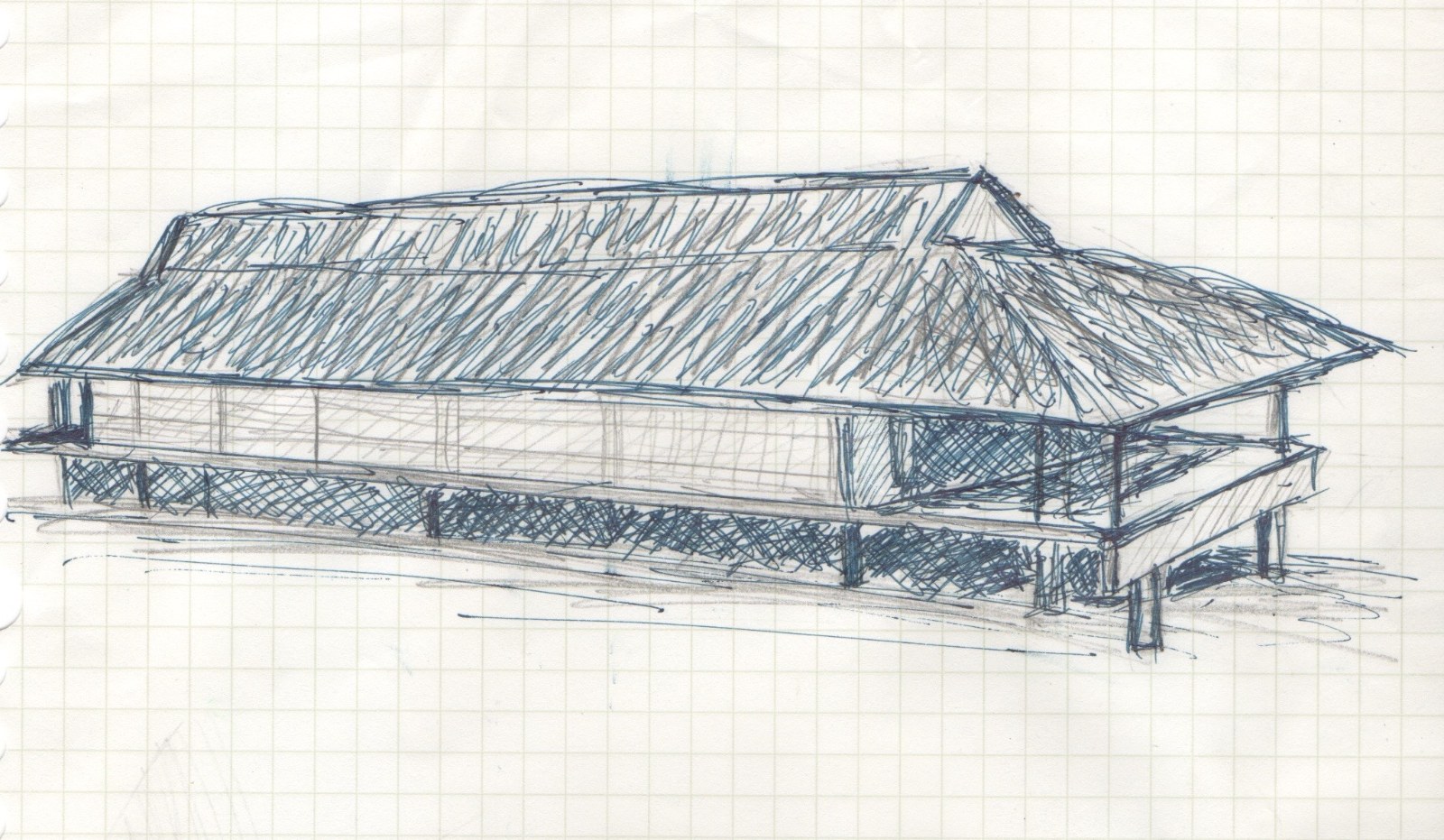
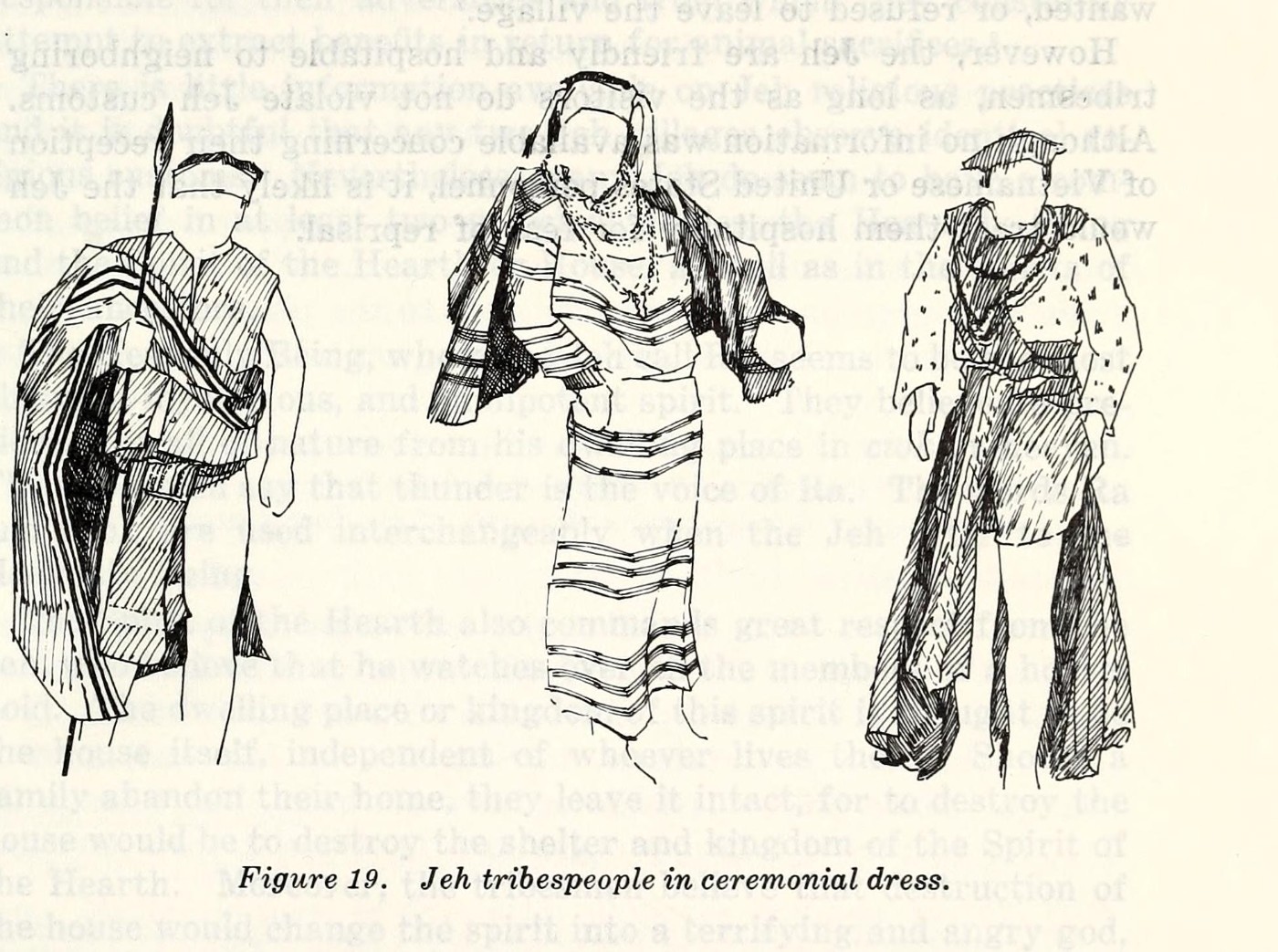
What they kept was the longhouse. A village was one to ten of them, 150 to 600 feet long, built on low posts along a stream, with a compartment for every family and in the middle a communal room where the skulls of buffaloes, deer and gibbons hung on the walls. The buffalo skulls were painted with blood and chalk and fixed so that they would not run away, and the family fed them grass through the mouth, the nostrils and the eye sockets; as many as 92 have been counted in a single house. An American missionary who had worked among them said he had never seen a people that made so many sacrifices to the trails, the mountains and the shapes of the land, and whenever they entered new country each traveler added a green twig to a pile at the boundary and asked what was evil to stay behind it. Their highest spirit was Ra. They knocked out their incisors at puberty, once. They did not weave, and were short of cloth, trading for it with other peoples and the Vietnamese; they worked iron, made pottery and baskets, and lived more and more by the cinnamon trade. Men and women were nearly equal, though descent ran through the father. There was seldom a chief. The French had very little influence on them, the Christian and Missionary Alliance tried from 1956 to 1959 with little success and could not reach them after 1961, and an American who came out of their country in 1965 saw little sign of the Viet Cong either. The Special Forces camp at Dak Pek, fourteen kilometers from Laos in Jeh country, was besieged by two North Vietnamese battalions in April and May 1970 and fell in May 1974.

Halang (Selang, Saleng)
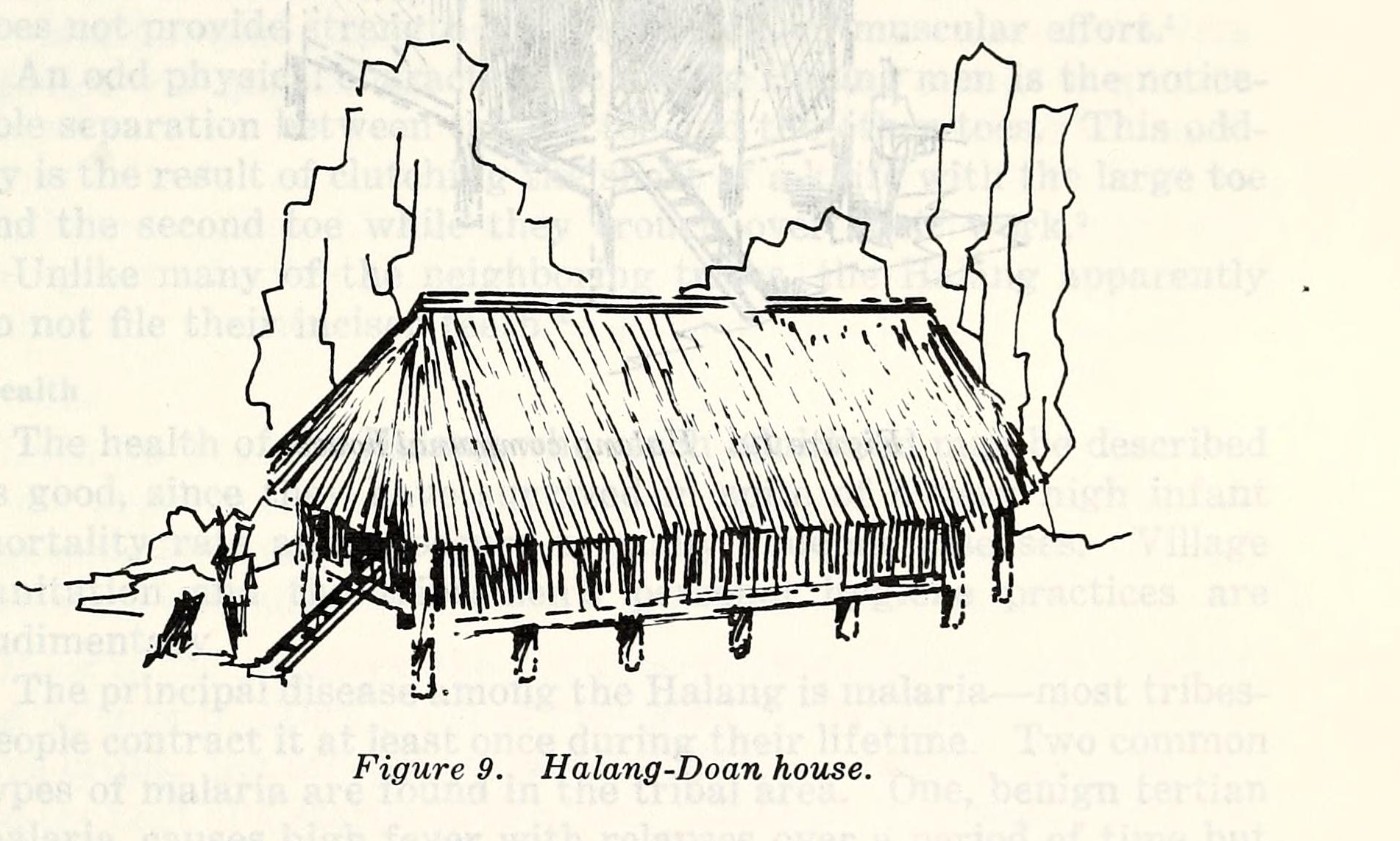
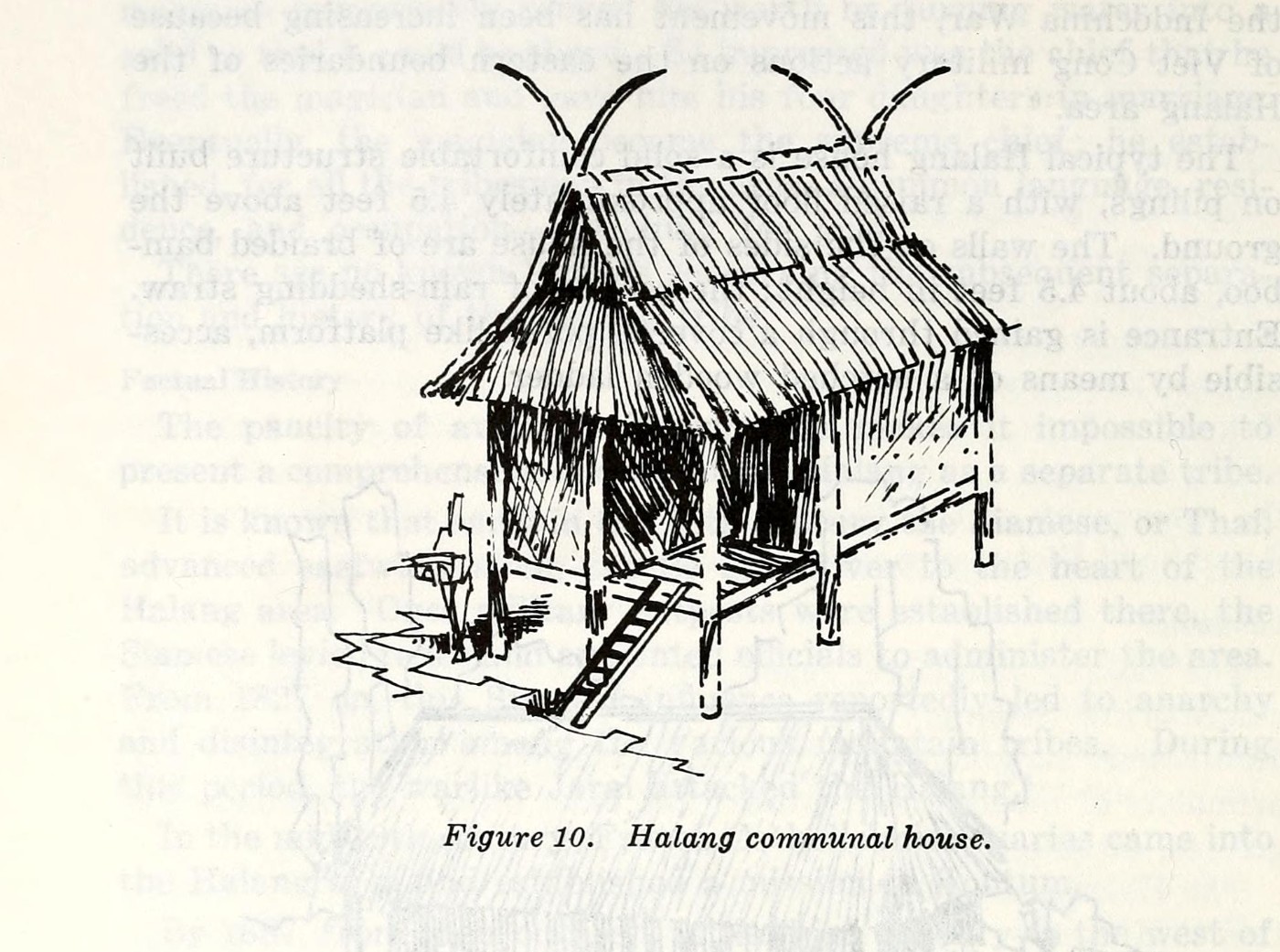
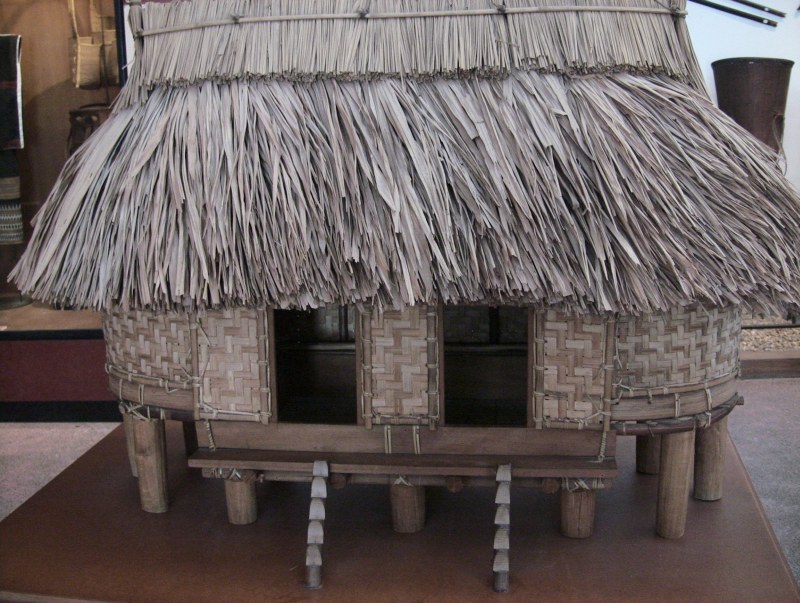
The name is said to mean mixed blood, and the state says the Halang are Sedang mixed with Jarai and Lao. Their country is the tri-border, and their history is a history of the Siamese. Early in the eighteenth century the Siamese came east along the Se San into the heart of it, built posts, levied taxes and appointed officials; from 1827 the Siamese hold brought anarchy among the tribes, and the Jarai raided the Halang; by 1887 the Siamese from their posts in the high country threatened all of what is now Vietnam, and it was against them that the Kon Tum missionaries organized the Bahnar and Rengao into a confederation, until French gunboats at Bangkok in 1893 made Siam give the country up. What the Halang did in all this nobody recorded. They were still moving west into Laos and Cambodia in the 1960s, ahead of the war. Their houses stood four and a half feet up on posts with walls of braided bamboo and a covered porch reached by a notched ladder; the communal house stood on eight great columns with roof peaks sixty feet high and housed the widowers and the unmarried men and the village meetings, and where villages adjoined there might be four of them; among the Halang-Doan the houses stood around it like the spokes of a wheel. They panned gold, collected beeswax to trade for salt in Kontum, made barkcloth by pounding fiber soft, prized the wine of the coconut palm, did not file their teeth, put their coffins on two carved columns, and, the handbook noted with some disapproval, tended to keep out of the war between Saigon and the Viet Cong. Long Djon, Dak Tang Plun and Dak Siang, three of the villages whose people told Hickey in 1972 what the spray had done to their children, were Halang and Sedang villages of this country.
_-_Vietnam_Museum_of_Ethnology_-_Hanoi,_Vietnam_-_DSC03312.JPG)
_-_Vietnam_Museum_of_Ethnology_-_Hanoi,_Vietnam_-_DSC03293.JPG)
Rengao (Rơ Ngao)
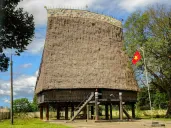
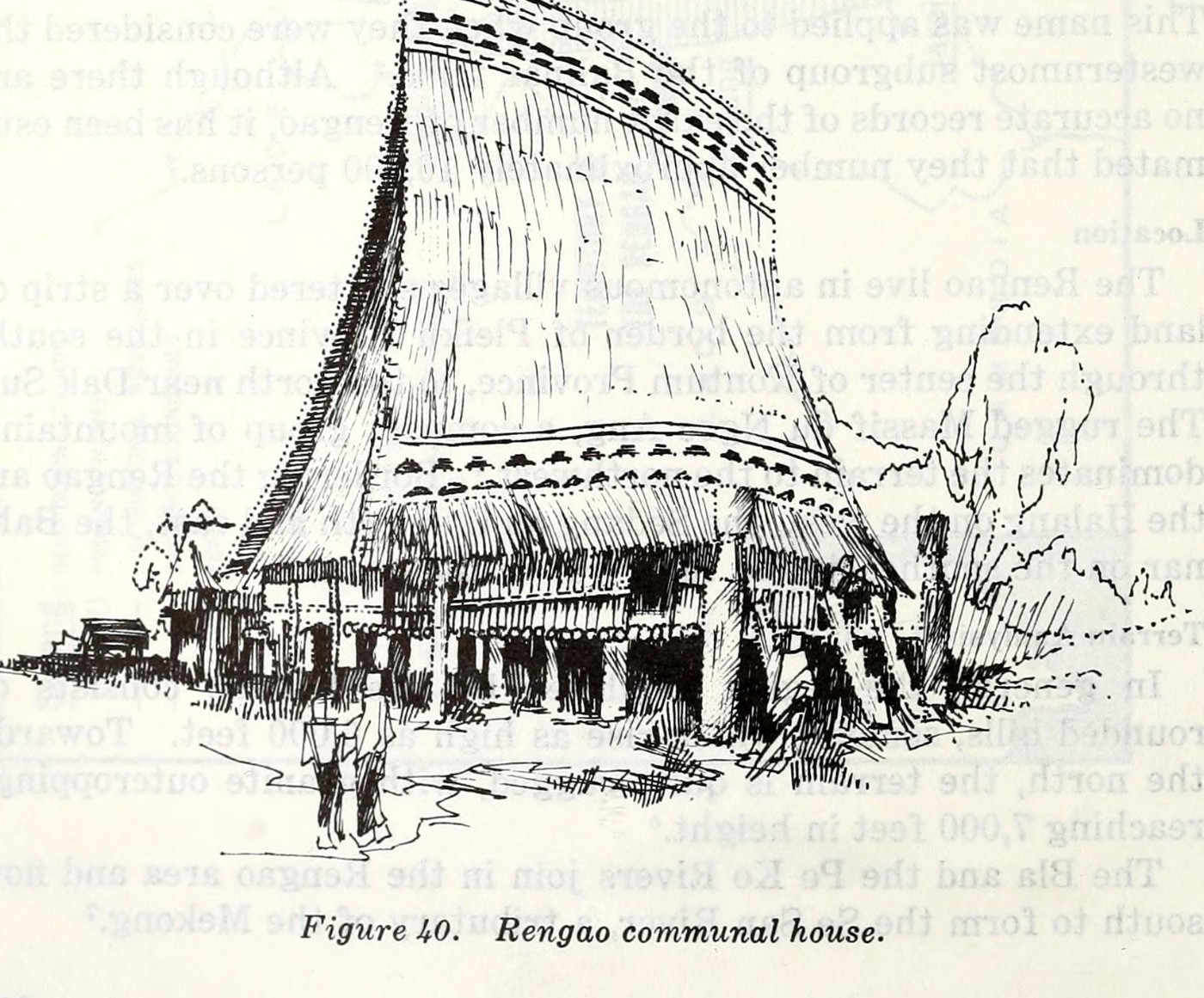
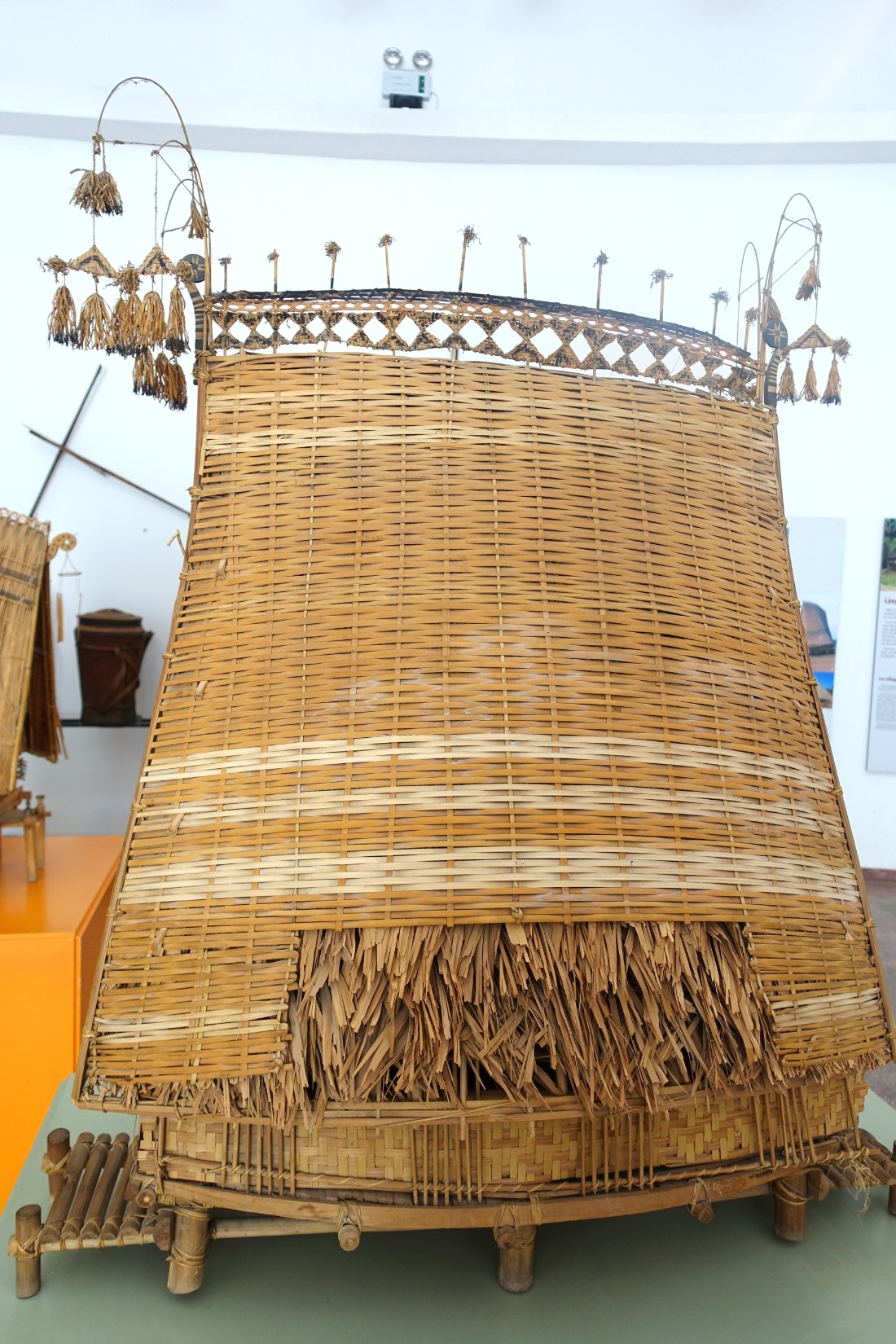
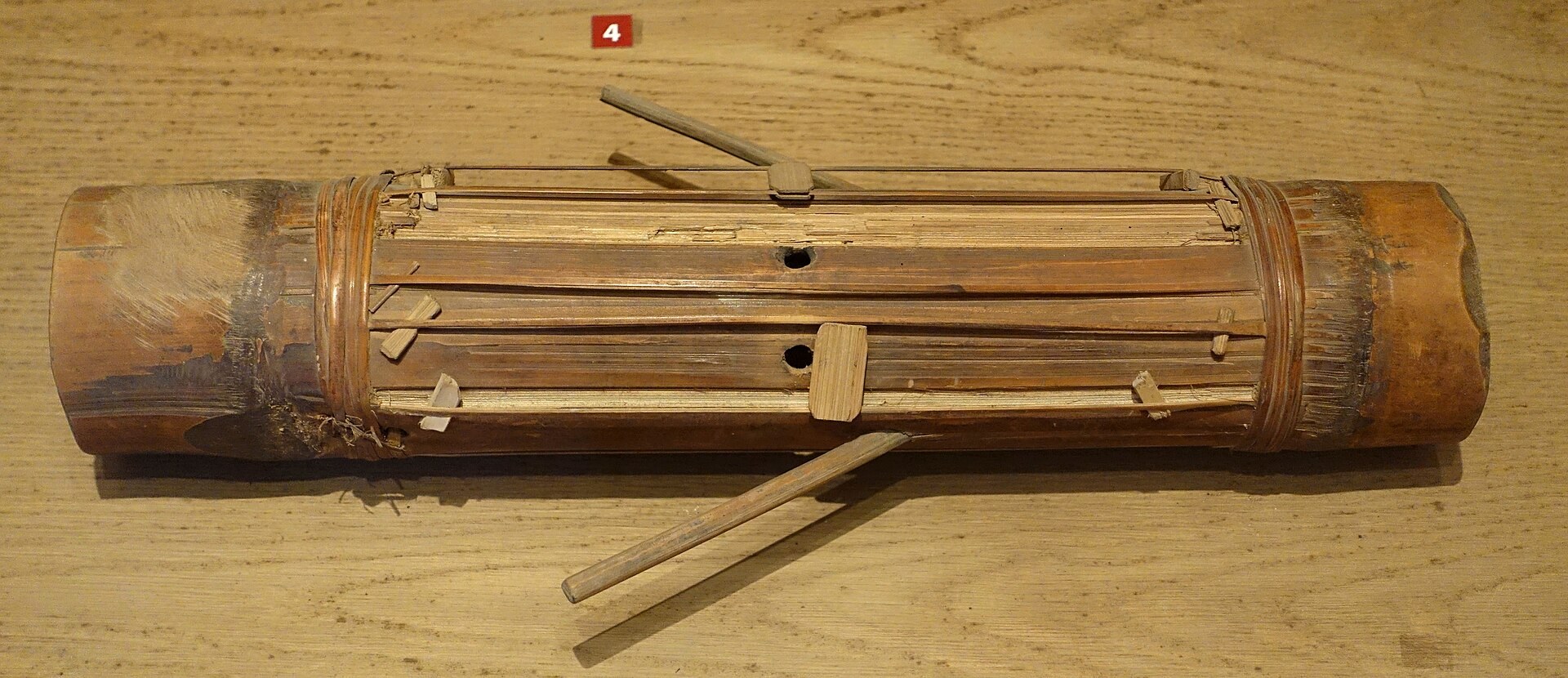
The name is a Bahnar word for frontier, given when the Rengao were taken for the westernmost Bahnar, and whether they are Bahnar, Sedang, or something of their own with Jarai and Halang in it is a question the sources argue and we do not need to settle; they say they are Rengao. They had a name among the French as a belligerent people, and their villages were fenced and, until recently, fortified. The communal house, the jong, stood in the middle with a roof like an ax blade, and its floor of crushed bamboo on four beams was laid so that no lance could be thrust up through it; the boys slept there from puberty until they married. Rice was the gift of the goddess Yang Xo’ri, and the bamboo implement with which the women covered the seed was sacred and might not be knocked against wood or struck so that it rang like a gong. Land was held in toring, associations of several villages administering a territory together (see Land law). They dealt with the spirits directly, with no priests; only for sickness did they go to the bojau, who fixed the blood price of the cure. A Rengao could cover forty kilometers a day over mountains with a twenty-kilogram load, and seventy or eighty at need; kept a promise and expected one; admired a beard; and held the tiger to be king of the earth as thunder was king of the sky and the dragon of the waters. Life expectancy was put at 37 years.
The Rengao are the smaller people who enter written history first, because the Kon Tum mission stood in their country. Guerlach counted 1,500 Bahnar and Rengao Christians in 1883; in 1888 the Rengao were among the villages that accepted Mayréna as king (see The Kingdom of the Sedang); in 1893 the mission brought vaccine from Saigon to stop smallpox in their villages; in 1897, when the Jarai attacked a convoy for the mission, the Bahnar sent 1,200 men at Guerlach’s call, the largest force of our people ever put under one man until the war, and the peace that followed was an alliance between the Bahnar and the Rengao. Sixty years later the Rengao were the people nearest Kontum town, and were forced by the Viet Cong to give food, money and labor, and by the war to leave. Polei Krong and Polei Kleng, where the children died after the spraying, are Rengao villages.
_-_Vietnam_Museum_of_Ethnology_-_Hanoi,_Vietnam_-_DSC03300.JPG)
Hroi (Hroy, Haroi, Bahnar Cham)
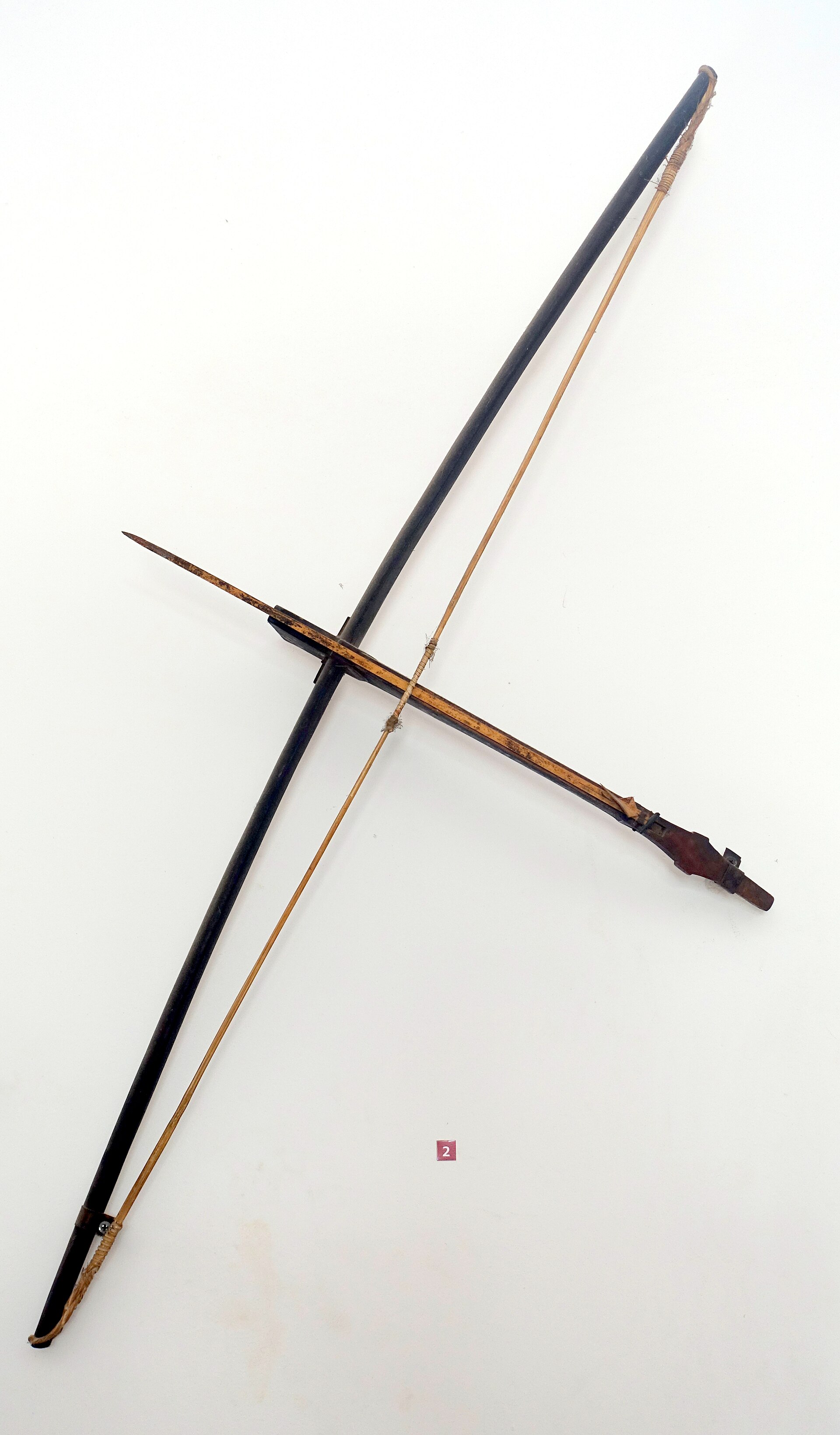
The Hroi are a border people in the other sense: a people made where the Bahnar met the Cham and the Rhade, whose language the linguists now file on the Cham side and whose customs the French filed on the Bahnar side. Descent runs through the mother, the surname passes through the women, and a married man lives at least three years in his wife’s family’s house, but the village chief is a man; property and authority in the house are shared. Their country had been Champa’s, and they lived in it quietly, fighting only against raiders from other peoples and never rising against anyone, so that the French left no record of them at all. They had no communal house. They worshiped one great spirit, and feared the O-Ma-Lai, ghosts that ate the bowels and livers of the living. Their arrow poison came from the sap of the cong tree, strongest, they said, if taken on the ninth day of the first month of the lunar year, with a frog, a worm or chicken droppings for antidote. Their crossbows were the largest and strongest in the highlands. Nay Luett, the last minister for highland affairs of South Vietnam, had a Hroi father (see Paul Nur and Nay Luett).
Monom (Mơ Nâm, Bonam)
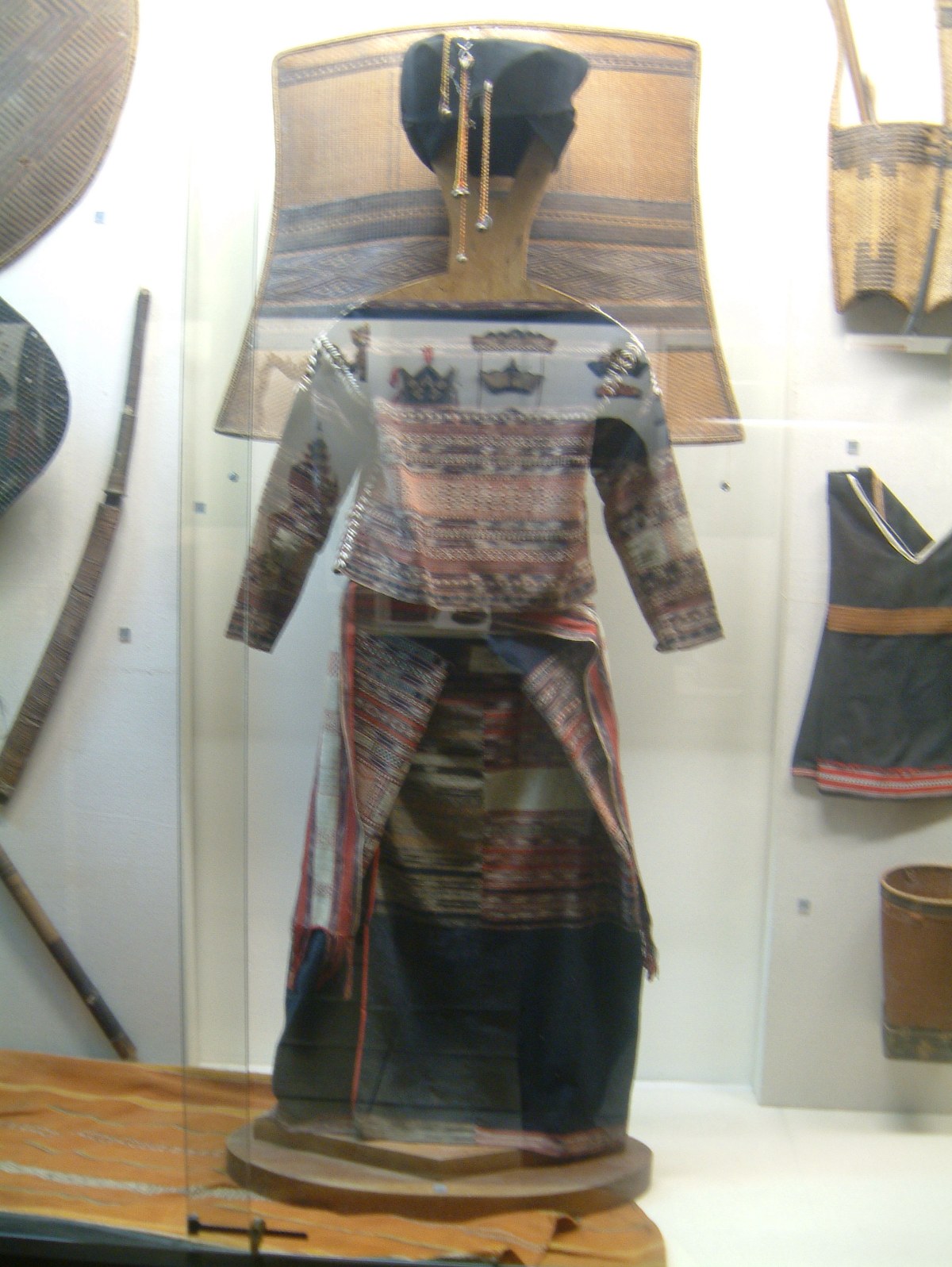
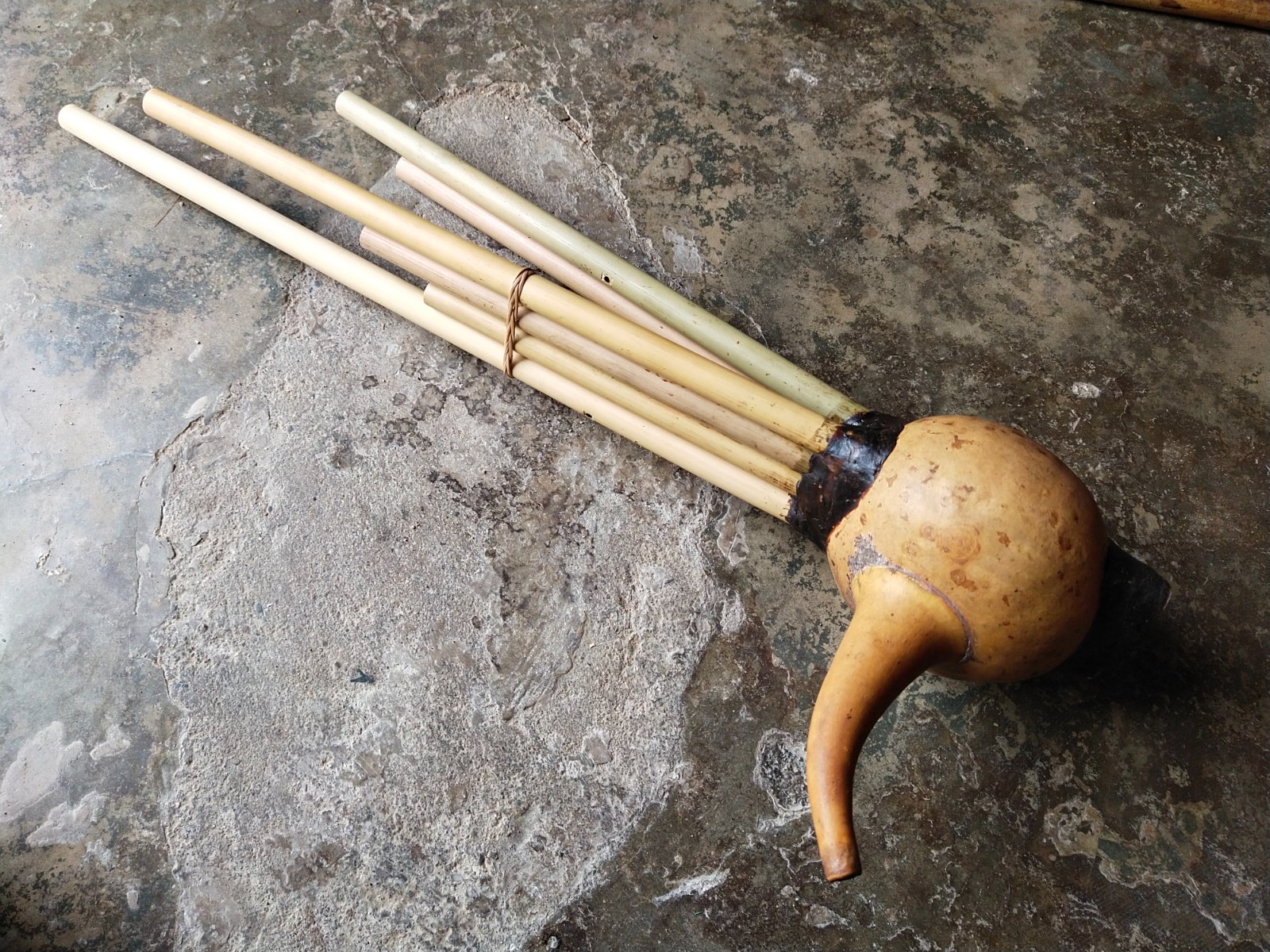
The Monom have no chapter anywhere. They appear in the handbook only as neighbors: the people who, with the Kayong, separate the Sedang from the Cua and the Hre; the one Bahnar group, under the name Bonam, whose dialect the other Bahnar could not understand and which was like Hre instead; and the makers of the Hre poison. A Monom gong in a woven case in the museum in Hanoi is on Gongs and epics. That is the whole of the outside record.

Katu (Cơ Tu)
The Katu called themselves the people of such and such a village; Katu, meaning savage, was what their neighbors called them, and it stuck. Vietnamese records of the nineteenth century call them an aggressive people who came down on the lowlands in blood hunts, ritual killings to appease the spirits, so often under Minh Mạng and Thiệu Trị that the court held a Ceremony of Acceptance of Peace to bribe them to stop. The French sent a reconnaissance early in the century and an official before the First World War, and otherwise left them alone until 1935, when six posts were built; the handbook says they were never completely pacified. A French officer, Le Pichon, wrote a study of them in 1938 called The blood hunters, and the handbook describes the hunt from it: the elders deciding, the oldest man cutting a cock’s claw and reading the signs, the night of drinking and boasting, the march at dawn with spears and poisoned arrows, the ambush of people of another village or another people, the stabbing many times so that blood was spilled, the body left unstripped because theft would spoil the rite, and the hunters’ faces smeared with the blood. We print it because the Katu were a people of the highlands whom the outside world reduced to that one story, and because the same book that tells it says that the Katu were hospitable and generous, the best woodcarvers in Indochina, and never sold a buffalo because it belonged to the ancestors.

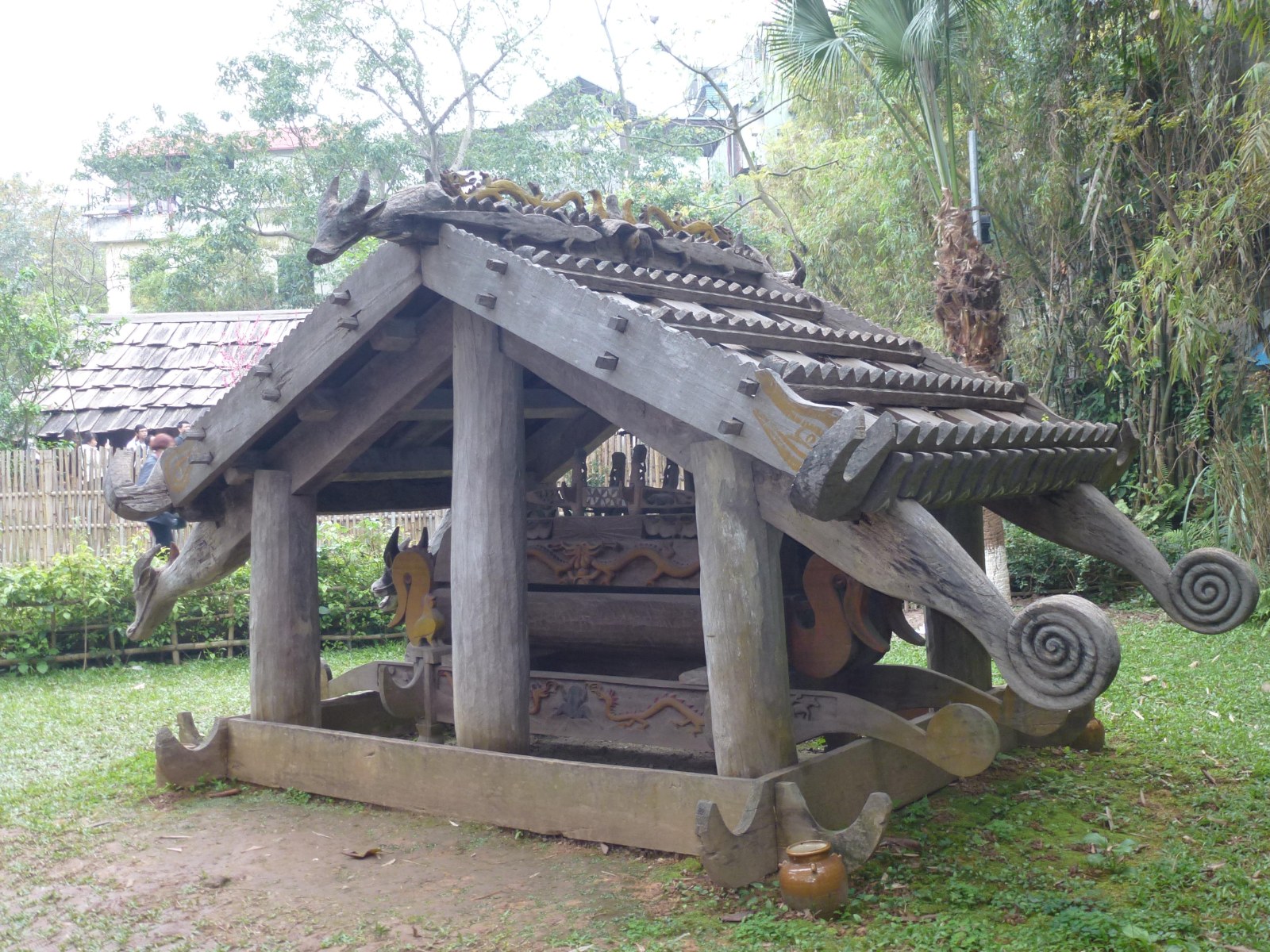
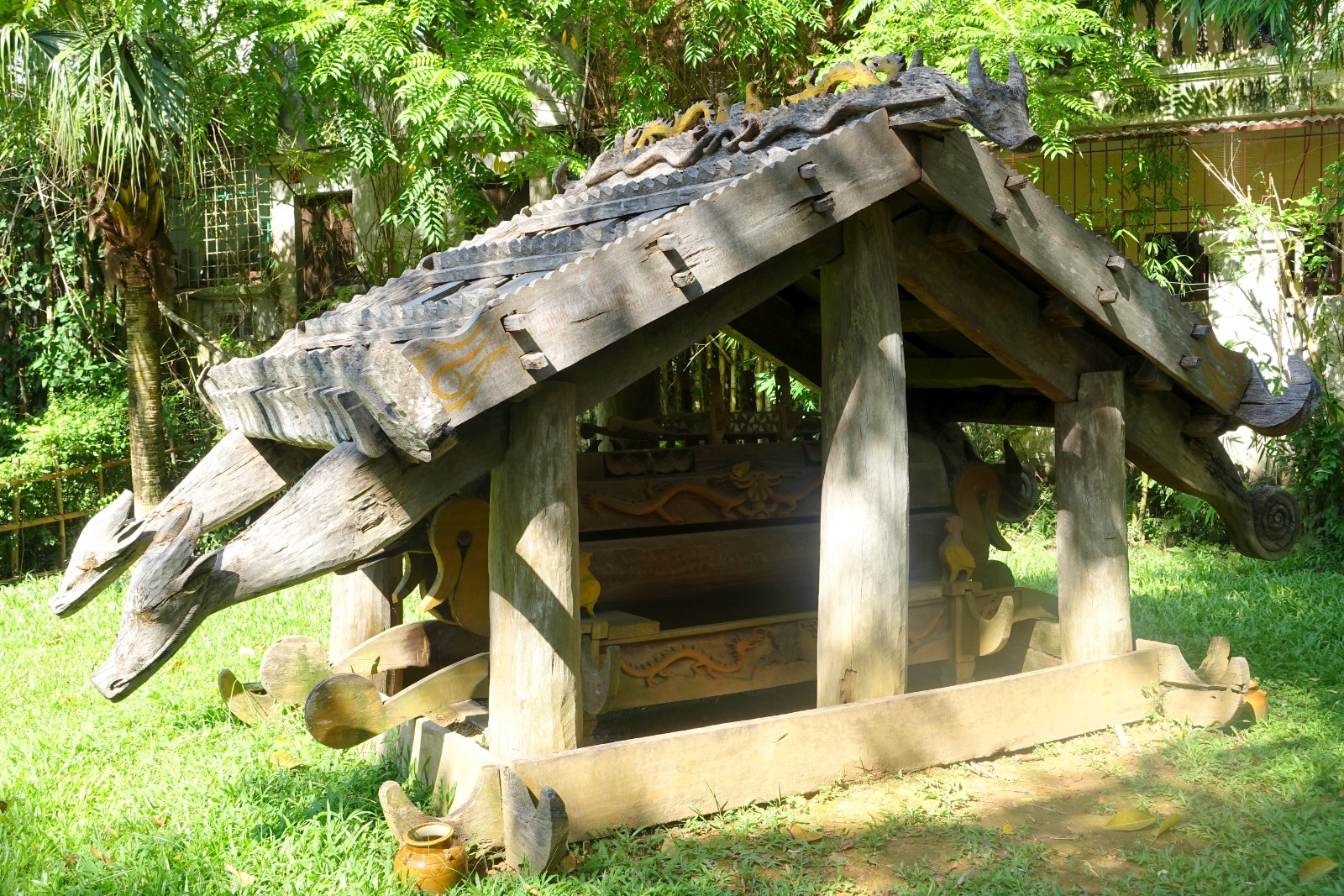
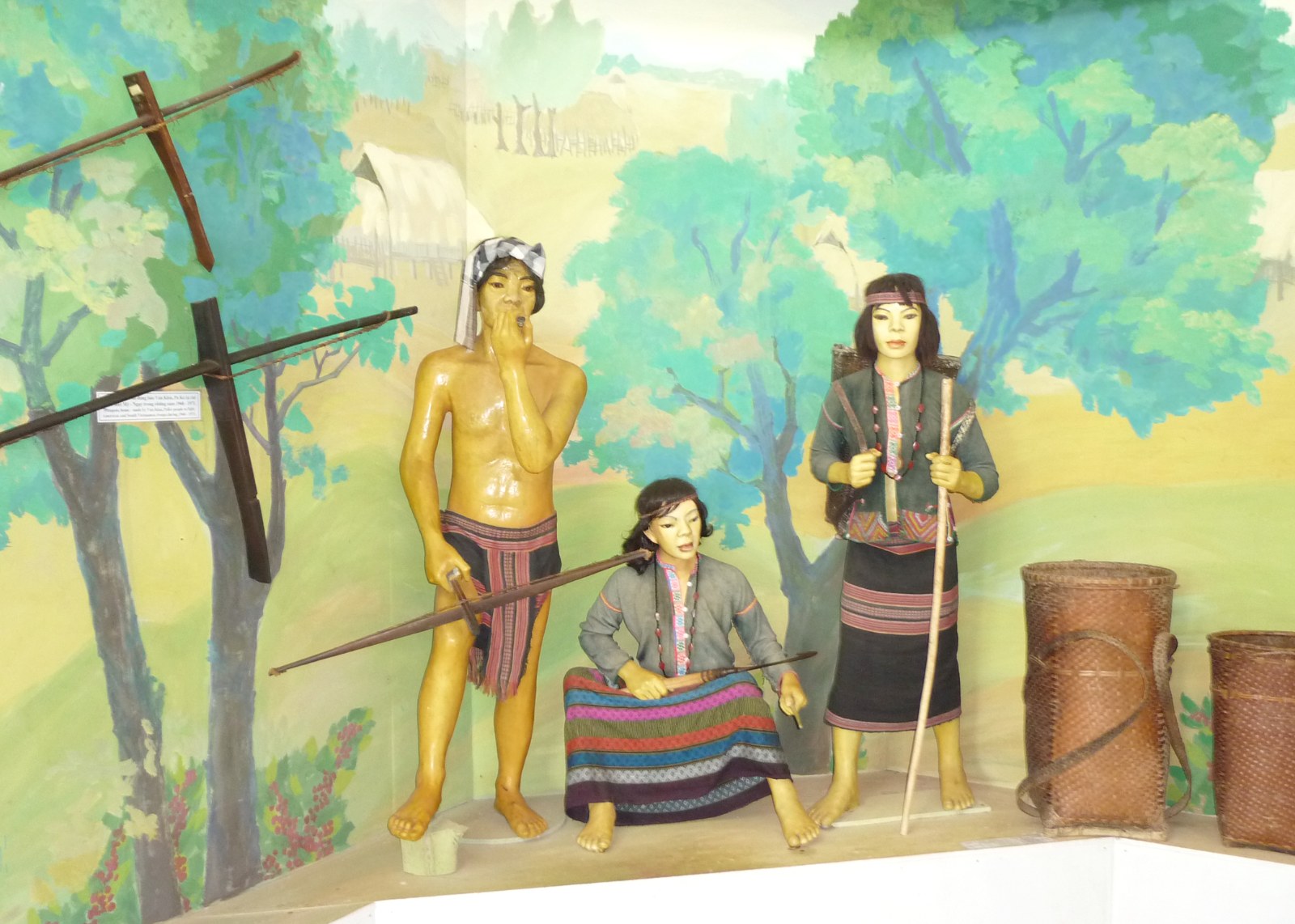
A Katu village was fenced, five to fifty oval houses on low posts in a circle around the sacrificial post, with the communal house, the guol, in the middle of the larger ones. The posts were carved with cocks, toucans, fish, snakes, iguanas and tortoises, in three colors only, black from smoke, red from betel and white from lime. A boy tended the buffaloes and went to the guol to learn the legends, the songs, the traps and the carving from the old men, and slept there from seventeen; women walked behind the men carrying the wood while the men carried only a crossbow; goods passed from man to man by seniority. The coffins and tombs were made in advance and kept in caves. A rich man’s funeral took five or six buffaloes over as many days, with gongs and drums through the nights. Men wore a long blue cotton blanket and a loincloth trimmed with lead rings, sometimes a coat of mail of iron rings woven through cloth, and necklaces of black and white beads with tiger teeth and hornbill beaks; hogs were fed six or seven years for their teeth, which made combs. Land was owned by nobody. Trading was an entertainment with long speeches, and the chief bent a piece of bamboo into as many sections as there were days until the exchange. A man had two souls, one good and one bad. The mission came in 1941, after the earlier missionaries had been driven off or killed, and claimed 250 converts. After Geneva a number of Katu went north for training; by 1965 the Viet Cong held almost all of the Katu country, and the Katu believed a photograph took the soul, so the government’s film shows were no use.



Bru (Bru–Vân Kiều)
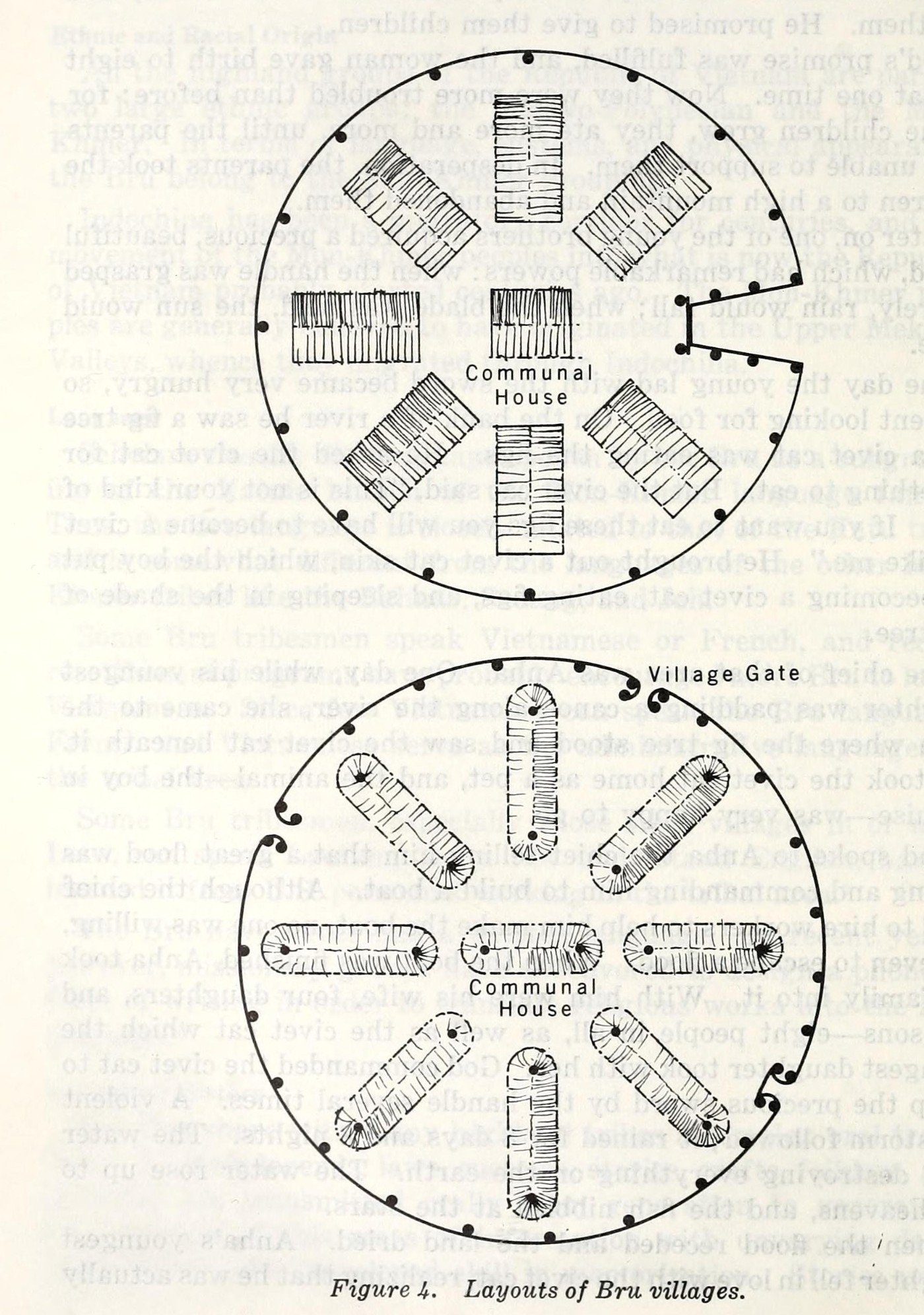
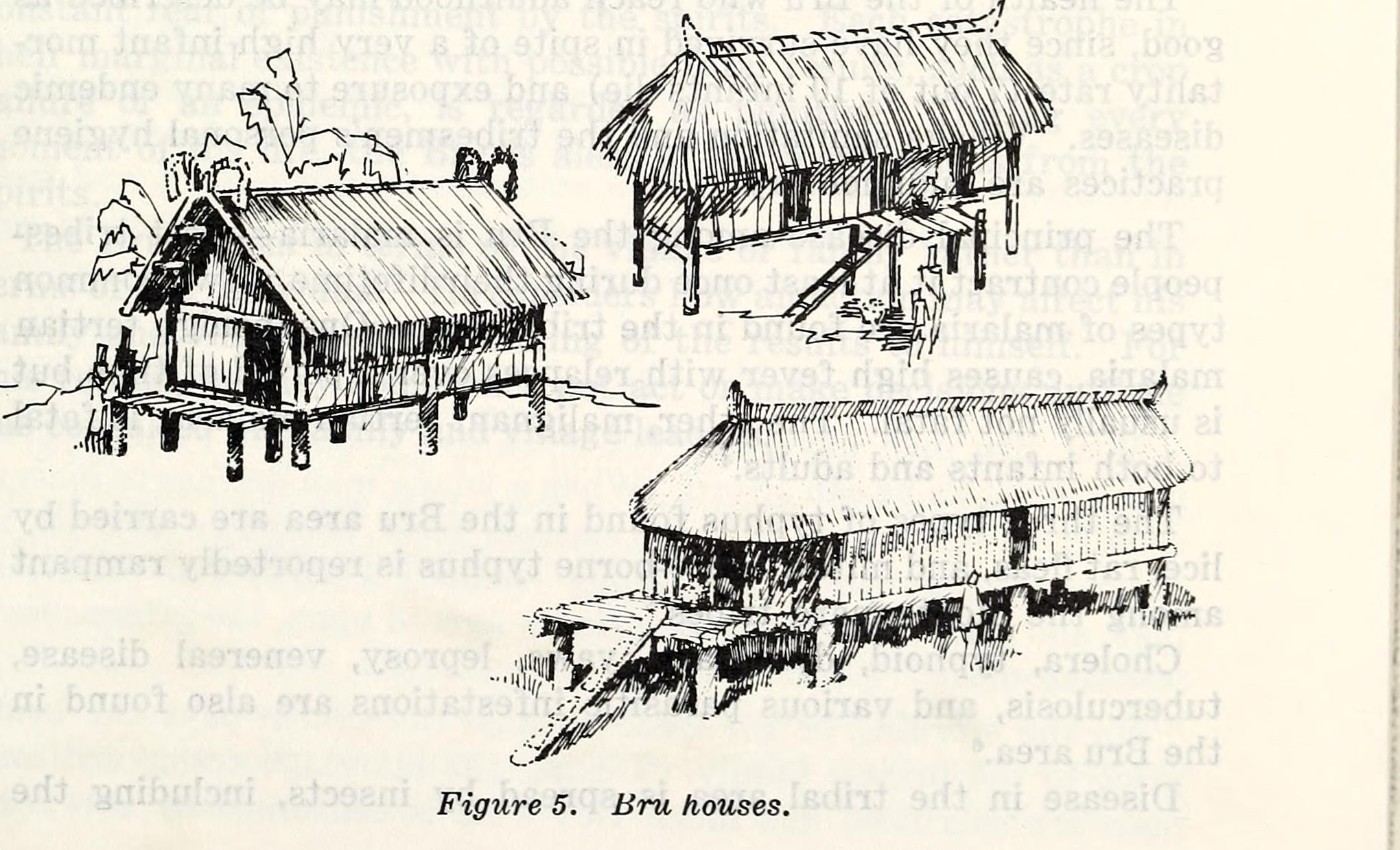
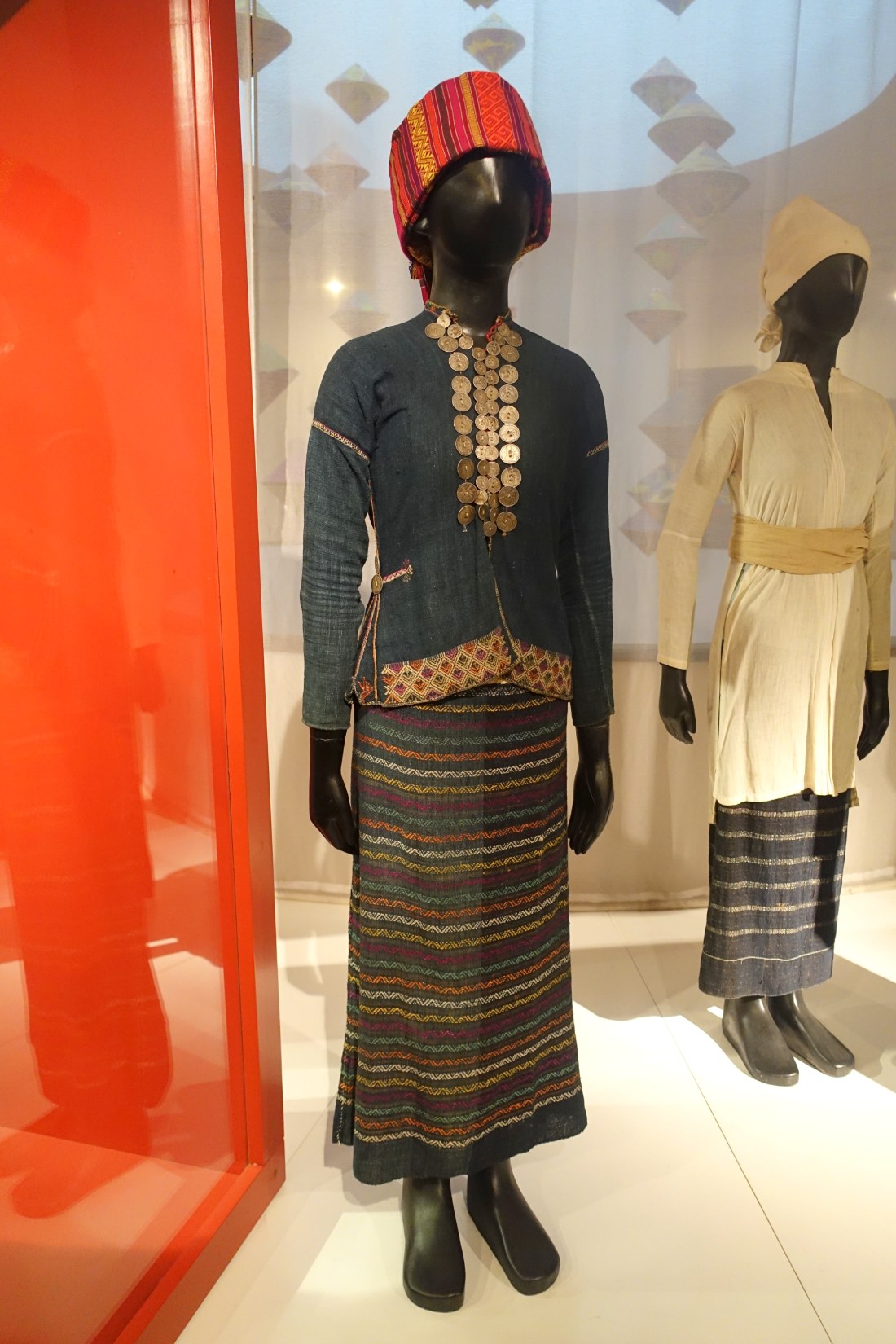
The Bru lived on both sides of Route 9, the one road from the coast into Laos, under the peaks of Dong Sa Mui and Dong Voi Mep, the Tiger’s Tooth, and paddled the mountain streams in dugouts. Their villages stood in an oval or a circle around the khoan, the common house where the sacrifices were made; the houses stood six or eight feet up on bamboo posts, with a small platform at the door that was for mounting an elephant. Descent ran through the father; a man had as many wives as he could afford, and most had one; children were wanted and loved, joined adult work at five or six and were not weaned until four; a pregnant woman might enter no village but her own. God was Yuang Sorsi, who made a man and a woman, and when it had rained eight days and eight nights the water rose to the heavens and the fish nibbled at the stars; the spirits of the sky, the paddy and the village came next, and the best sacrifice was a buffalo. Women wore sleeveless jackets sewn with rows of coins and wove and dyed their cloth, blue for choice. The French pacified the Bru in 1897, wanted their country as a safe road to Laos, and taxed them a little. Nothing much was written about them until 1965, when the Saigon government moved many of them out of their remote villages into a strip three miles wide on either side of Route 9, to keep them away from the Trail.

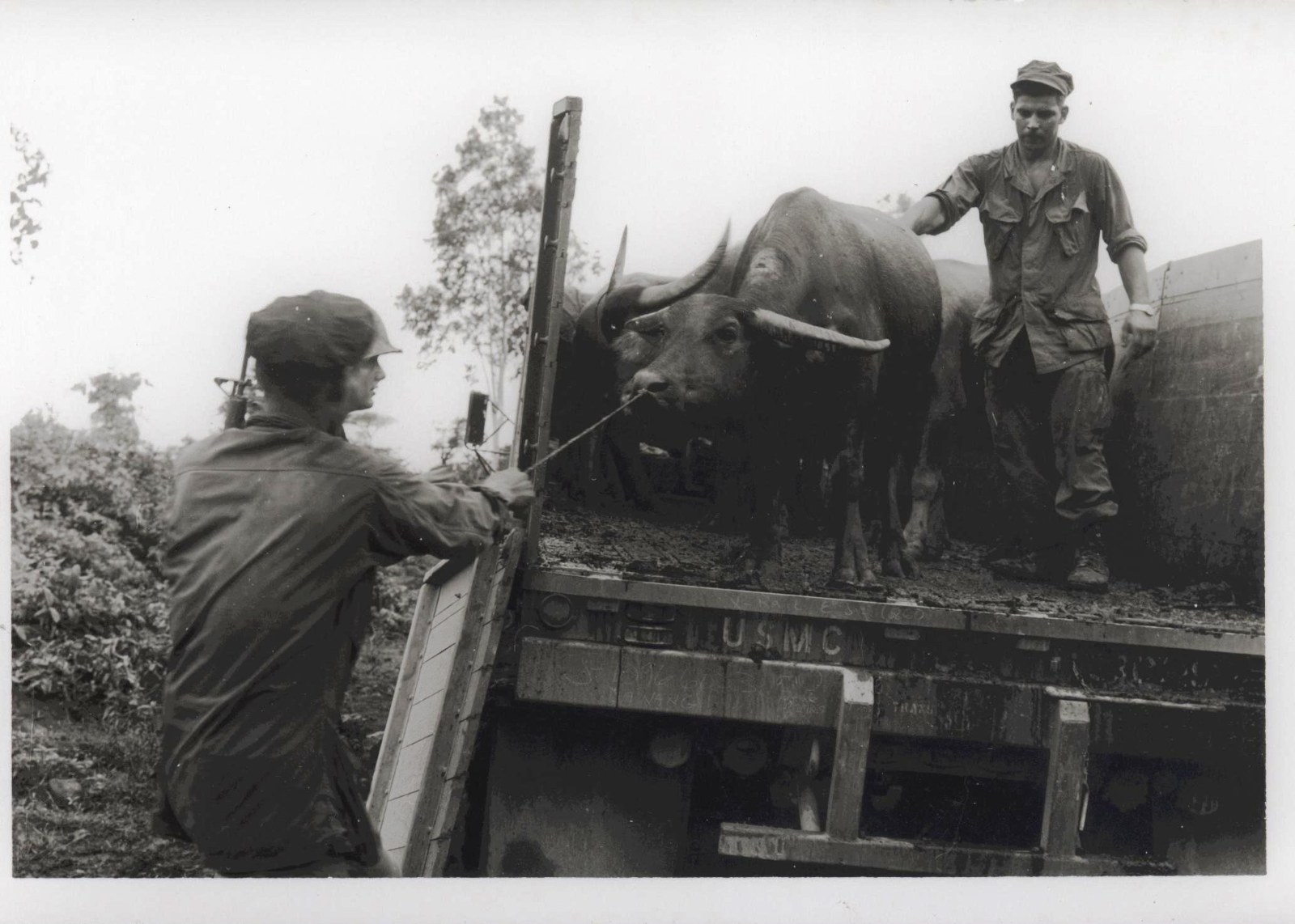
Then Khe Sanh. The village of Khe Sanh was the district seat, in country of Bru villages and coffee plantations seven miles from Laos; in January 1968 it was defended by 160 Bru soldiers and fifteen American advisers, and the camp at Lang Vei, seven miles west, by five hundred CIDG, Bru among them, of whom two hundred were killed or missing when the North Vietnamese tanks came through it in February. When the Marines were flown out of the hills that spring, the Bru were not: the South Vietnamese corps commander ordered that no Bru be allowed to move into the lowlands, and the survivors were gathered into a resettlement village in the Cua valley near Cam Lo, where the 26th Marines bought them sixteen water buffaloes as a token of friendship. That is where the Bru handicraft shop at Dong Ha, on Hunting and the crossbow, got its goods. The American missionary who had lived among them for years and made the Bru dictionary was captured with his family in March 1975 and marched north. The Bru had begun the war as the people of Route 9 and ended it as refugees on it.
.jpg)


Pacoh and Ta Oi (Pa Cô, Tà Ôi)
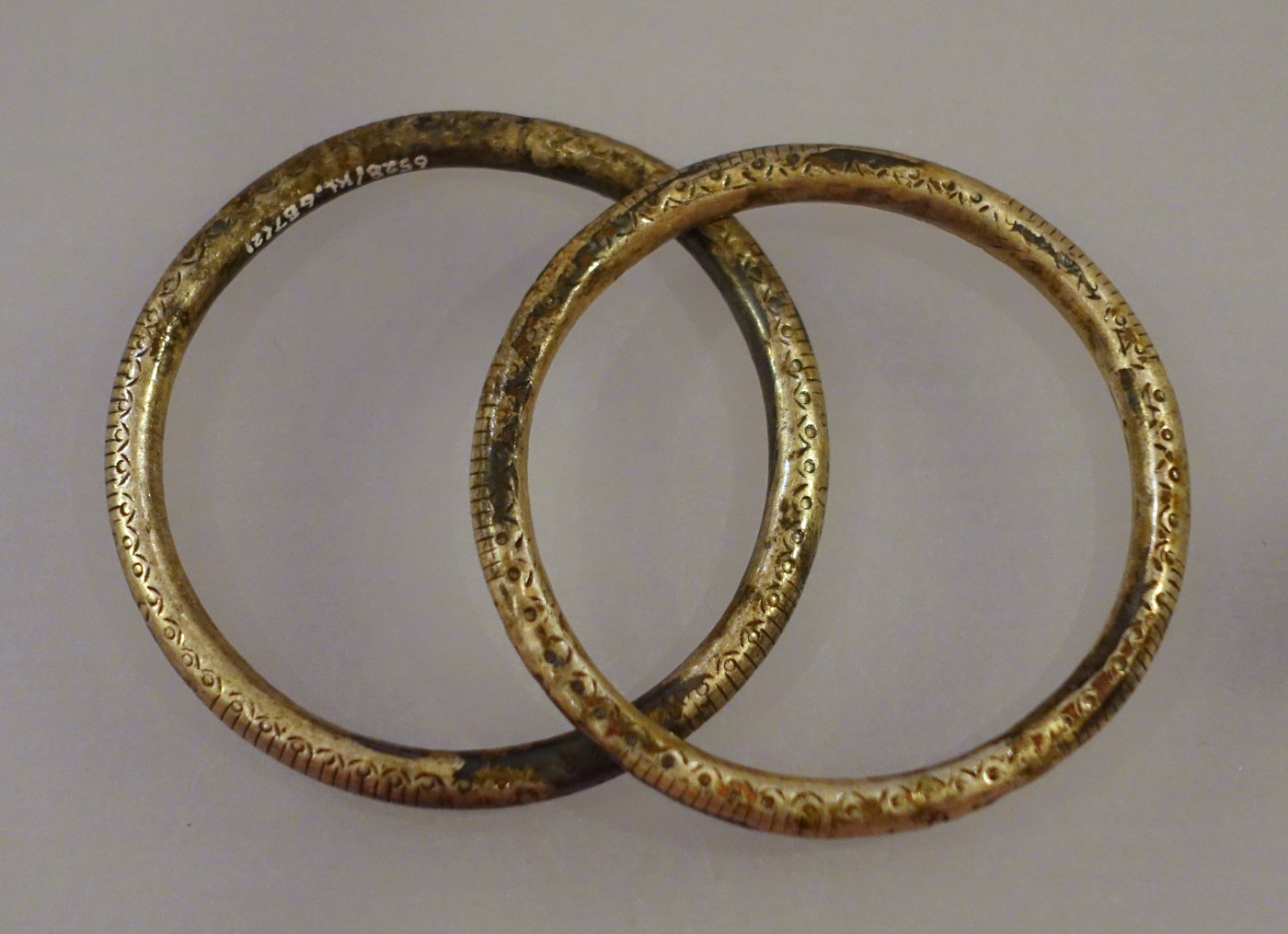
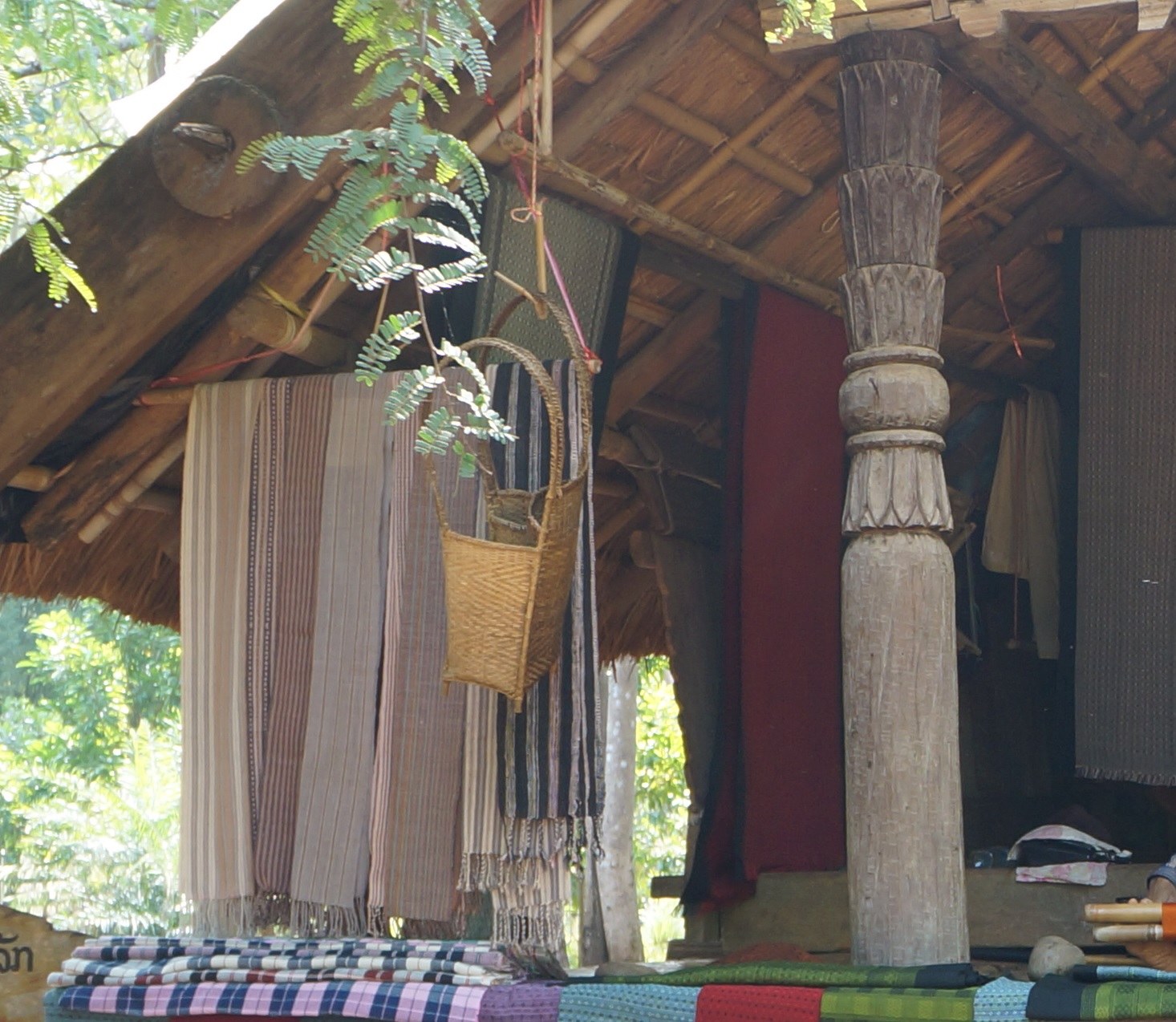
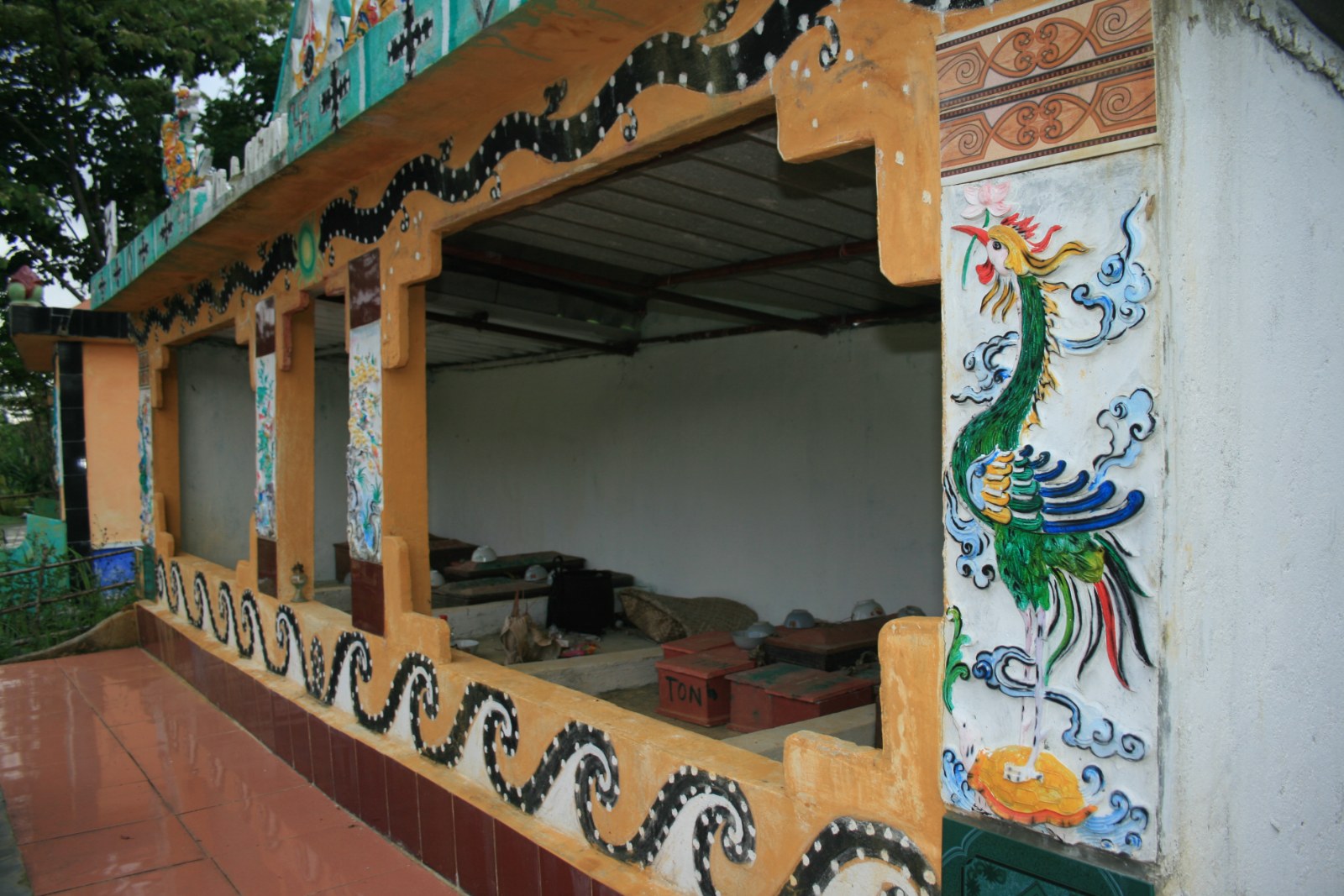
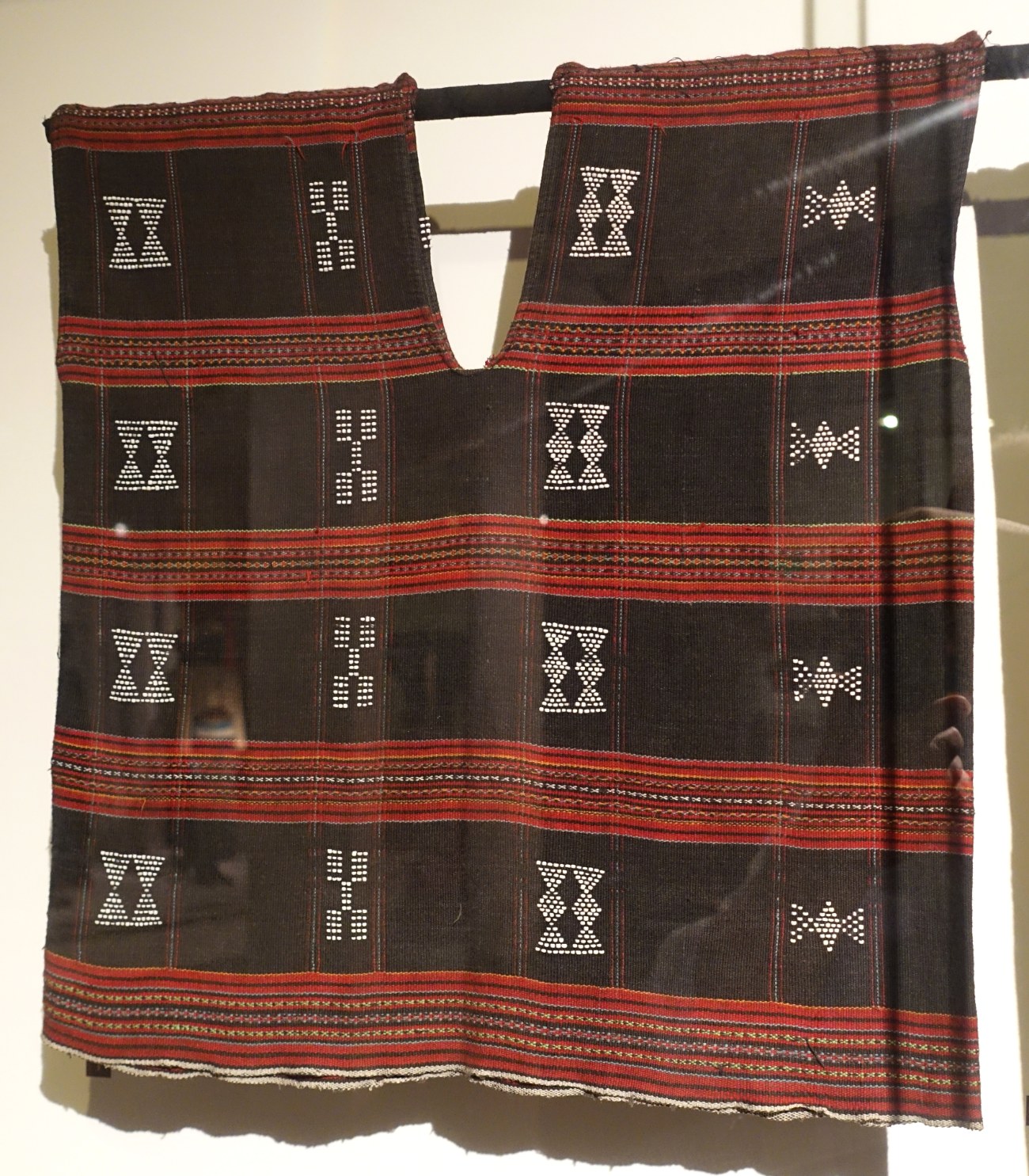
The Pacoh and the Ta Oi are the peoples of the A Shau and A Luoi valleys, which is to say the peoples of the Trail’s eastern branch and of the A So airstrip. The handbook has no chapter on them because in 1966 no American had studied them; the Bru chapter’s people of Thua Thien and the Katu chapter’s neighbors to the northwest are they. The one full description of either in English is a grammar of Pacoh published in Canberra in 2006. What is measured about their country is the poison: between 1965 and 1970 more than 400,000 liters of herbicide fell on A Luoi district, with about eleven kilograms of dioxin in it, and the soil of the A So airstrip, where the spray tanks were washed out, is among the most contaminated in the country. The museum in Hanoi has Ta Oi beadwork from Quang Tri in 1948 and A Luoi in 1965, a bride’s necklace and bracelets given by her husband’s parents, and the objects have names attached, Kan Kay and Ke Ve, which is more than any book gives. Their tombs, painted and carved with peacocks, stand in A Luoi today.


Raglai (Orang Glai, the people of the forest)
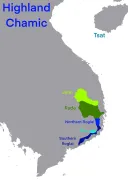
The Raglai are the Cham’s highland cousins, and the Cham say so: “Cham the elder sister, Raglai the younger.” When Champa fell they moved up from the coast into the mountains, and Cham influence is in their language and their customs. Descent runs through the mother, the surname passes through the women, and the women own and inherit all property, though the eldest woman takes advice from her eldest brother and formal authority in the village rests with the brothers of the senior women; unusually for a mother-line people, it is the boy who courts. A child’s name was chosen by the mother and her brother at birth and not revealed for six years. The house is bamboo on posts under palm thatch. The Raglai had a sacred poetic language in which laws and legends were chanted, a supreme spirit called Nhang, and a cult of two heroes at Bumong to whom many traveled to sacrifice; their arrow poison was the sap of the upas tree; a taboo forbade cutting the ground with the iron edge of a machete. The Vietnamese court took heavy taxes and gifts of ivory, rhinoceros horn and wood from the Raglai near Nha Trang, and in 1887 Vietnamese military settlers established themselves west of Phan Rang and put Raglai to work in their rice fields. The Raglai once rafted their goods down to the coast to trade; the war stopped that. It is the Raglai, with the Churu, who are said to have kept the treasures of the Cham kings in the mountains (see The Koho, Maa, Churu and Raglai).



Churu (Chru), Chrau (Chơ Ro, Jro), Sre, Chil and Lat
Churu. Neighbors of the Cham and Raglai to the northwest of Phan Rang, in Don Duong and Duc Trong in Lam Dong. The handbook has no chapter; its Cham chapter says only that the Churu and the Raglai speak a language almost identical with Cham, and that in the days of Champa’s power the Cham organized the Jarai, Rhade and Churu and taught them farming. The linguists agree that Chru (ISO cje) is Chamic. The Churu keep Cham traditions with more care than the Cham, one French geographer wrote, and were said to have the most perfected farming of any mountain people; the treasure-temples of Sop Madronhay and Kreyo near Dran, with the swords, ceramics, reliquaries and royal garments of the Cham kings, were in Churu keeping when they were surveyed in 1960. The state counted 23,242 in 2019.
Chrau. The southernmost of our peoples, in Dong Nai toward the old Binh Tuy, east of Ba Ria. The handbook made them a Koho group with subgroups Ro, Bajieng, Mru, Jre, Buham, Bu-Preng and Bla; the linguists make Chrau (ISO crw) a South Bahnaric language of its own beside Stieng and Mnong, with Jro the main dialect, and a census of 1995 found seven thousand speakers. When the French took the delta in 1859 the Chrau east of Ba Ria rose with the Stieng. An American linguist wrote their grammar in 1971, and their language can be heard in the Pangloss collection in Paris.
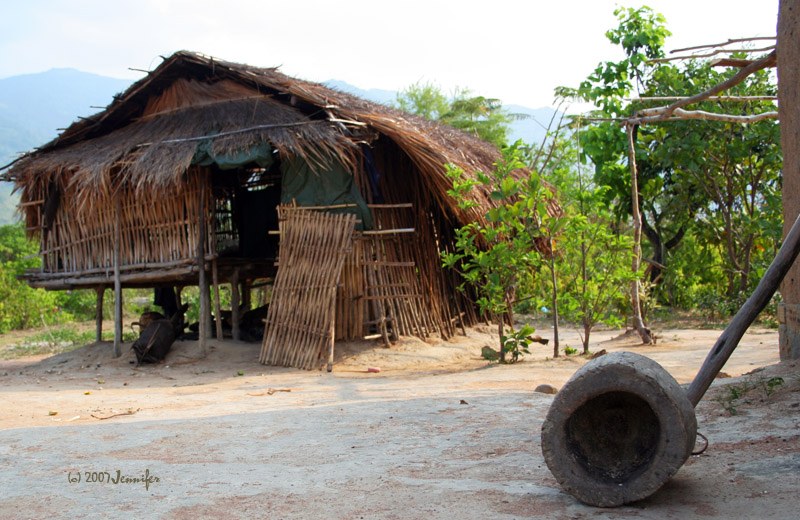
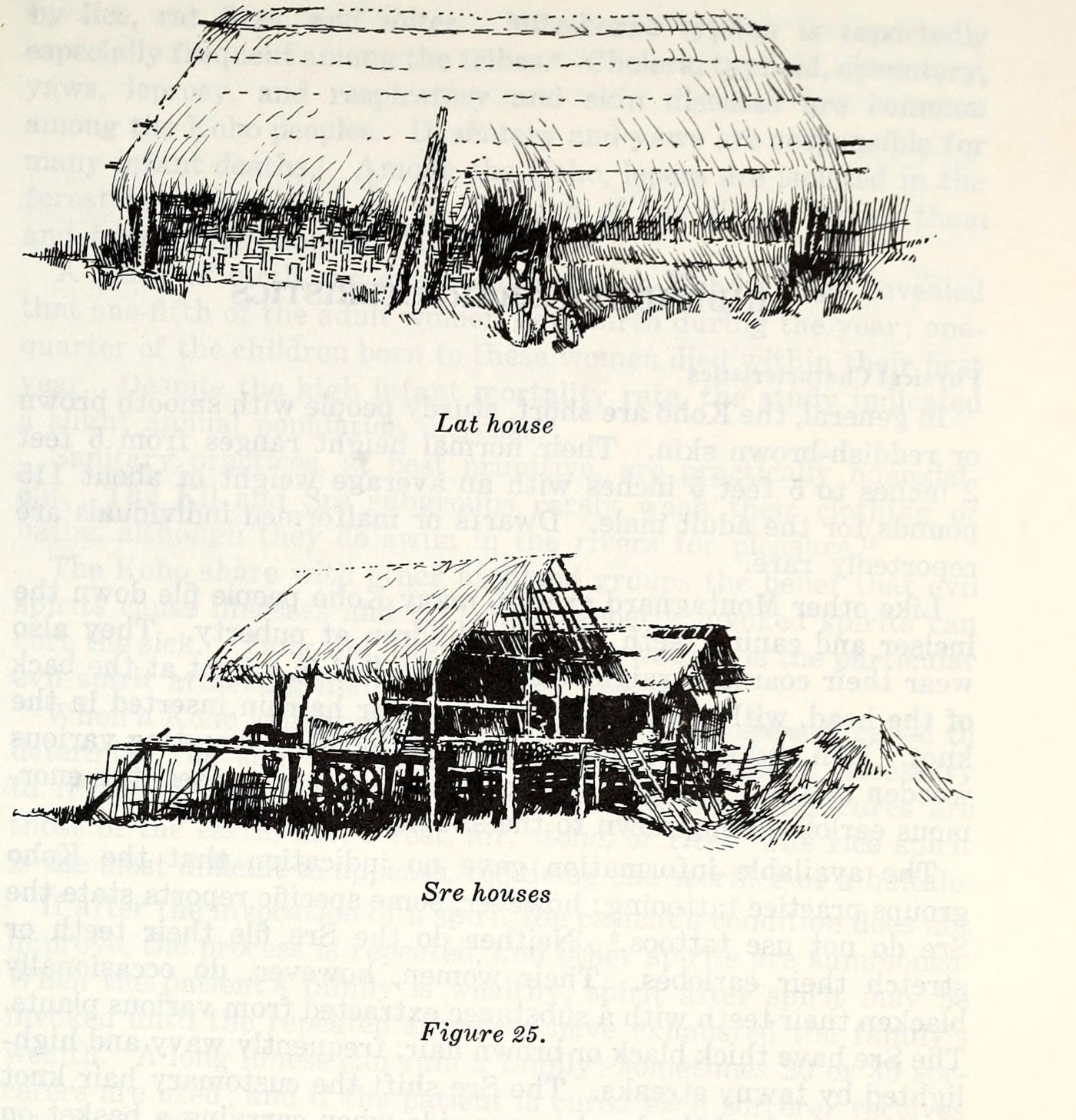
Sre, Chil and Lat. These are three of the Koho-speaking peoples of Lam Dong, whom the state and the handbook alike file under Cơ Ho: the Sre, the people of the rice, about 30,000 in the 1960s, who grew wet rice on diked fields in the river valleys around Di Linh and were the most settled of all; the Chil, the children of the pines, who had retreated into the pine forests northeast of Da Lat to keep their independence and farmed swiddens on Sre land because their own was poor; and the Lat of the Da Lat basin. All but the Maa among the Koho reckon descent through the mother. Their longhouses ran sixty to eighty meters on short posts, entered by bamboo balconies and wide, sometimes carved, ladders. Jacques Dournes lived eight years among the Sre from 1946 and made their dictionary before he went to the Jarai. The rest is on The Koho, Maa, Churu and Raglai.
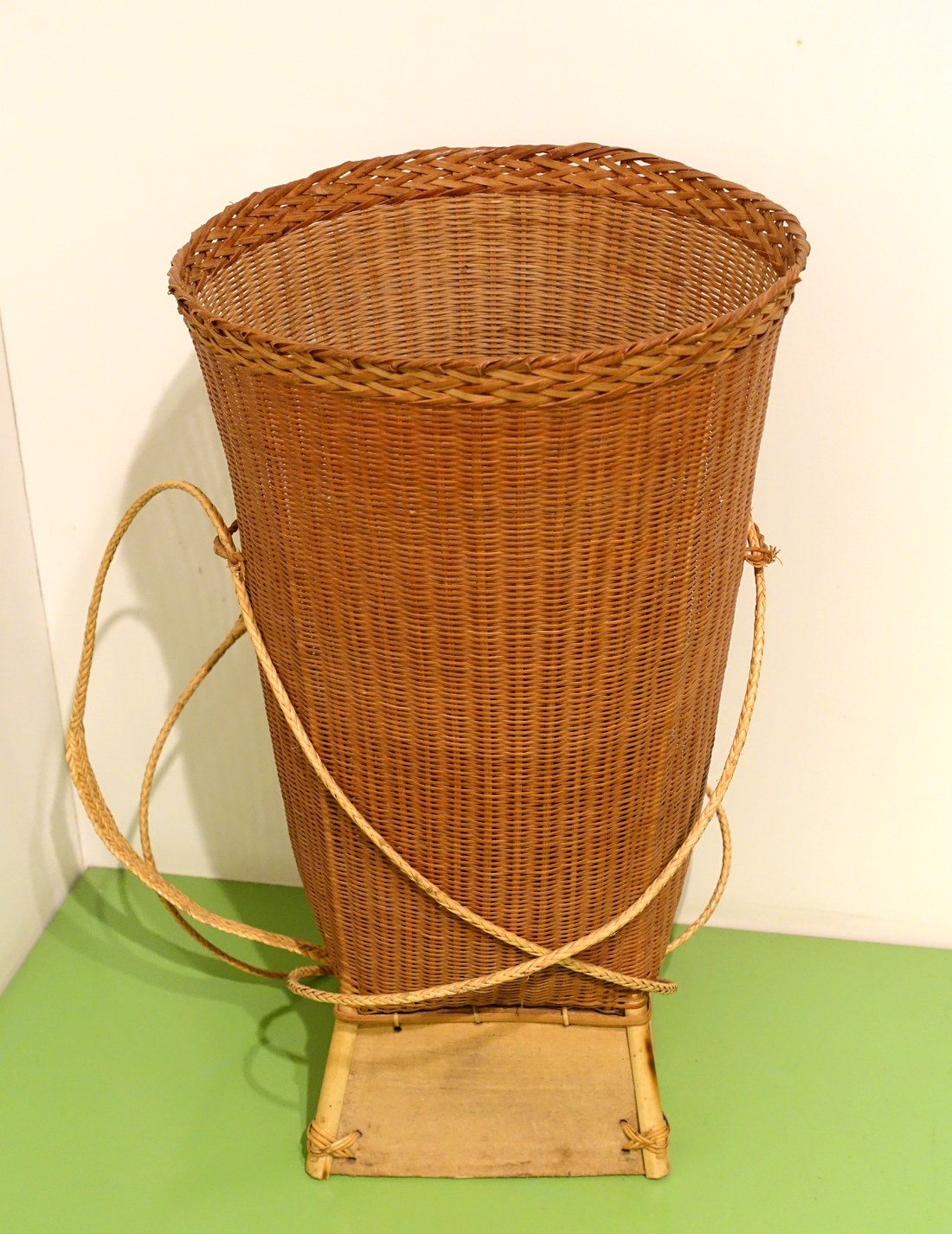

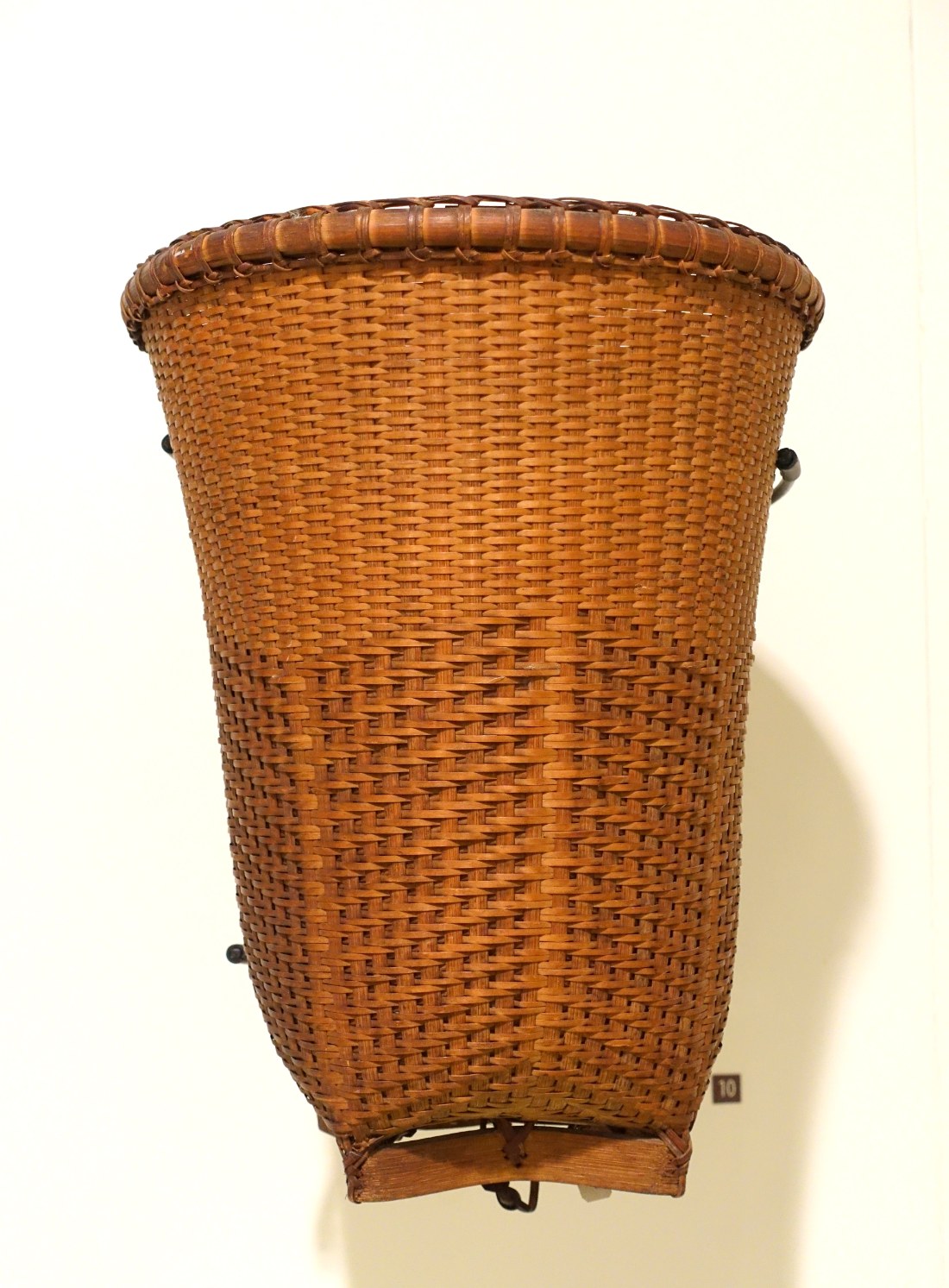

Brao
The Brao, also written Lave or Love, live in Ratanakiri and Stung Treng in Cambodia, in Attapeu in Laos, and in small numbers in Kon Tum; their language is West Bahnaric, Brao (ISO brb). Brao villages on the Se San were among those flooded by the Lower Sesan 2 dam in 2017 (see Lower Sesan 2 and Kin across the border).
What this page cannot do
Every entry above is a foreigner’s summary of other foreigners, a generation or two old. For most of these peoples no one has ever published an account in their own words, and for the Monom, Pacoh and Ta Oi the outside world has not managed a paragraph. The numbers are the state’s, which counts by the names it has chosen and folds the Halang, Monom, Todra and Kayong into one figure and the Rengao into another (see How many Dega there are). If you belong to one of these peoples, you know more than this page does. How to record an elder tells you how to give it to us, and we will write the fuller page with you and under your name.
See also: The Sedang, The Bahnar, Dega tribes and languages, Language resources.
Sources
- Department of the Army, Minority Groups in the Republic of Vietnam, Pamphlet 550-105 (1966), DCHO library, also on the Internet Archive — the Bru, Cua, Halang, Hre, Hroi, Jeh, Katu, Koho, Ma, Raglai and Rengao chapters, and the preface on its own limits
- Gerald C. Hickey, The Major Ethnic Groups of the South Vietnamese Highlands, RAND RM-4041 (1964), DCHO library — whether the Rengao, Hre, Halang and Hroi are distinct peoples; the Chrau rising of 1859; the Sedang subgroups
- Gerald C. Hickey, “Perceived Effects of Herbicides Used in the Highlands of South Vietnam” (1974), DCHO library — the Sedang, Halang, Rengao, Jarai and Hroy villages of 1972
- Glottolog: Hre, Cua, Jeh, Halang, Rengao, Haroi, Monom, Eastern Katu, Eastern Bru, Pacoh, Northern Roglai, Chru, Chrau, Koho, Brao — the classifications, codes, status and the state group each is filed under
- Mark J. Alves, A Grammar of Pacoh (Pacific Linguistics, 2006); David D. Thomas, Chrau Grammar (University of Hawaii Press, 1971); the Pangloss Chrau corpus
- Charles H. Briscoe, “The Battle of Lang Vei,” Veritas 15:1 (2019), and the US Marine Corps Archives photographs of the Cua valley resettlement, 1968 — the Bru at Khe Sanh and after
- Tran Thi Ai My and others, “Evaluation of the dioxin-like toxicity in soil samples from Thua Thien Hue province,” Ecotoxicology and Environmental Safety (2021) — A Luoi
- David Griffiths Sox, Resource-Use Systems of Ancient Champa (Hawaii, 1972) — the Churu and the Cham; Nghiêm Thẩm’s survey of the Cham treasuries (1960), as reported
- IRFA, the life of Jacques Dournes — eight years among the Sre
- J. Le Pichon, Les chasseurs de sang (Bulletin des Amis du Vieux Hué, 1938), as summarized in the 1966 handbook
- The state census of 2019 and provincial counts, as reproduced on Wikipedia — the present-day figures, given as the state’s
Compiled September 2026. These entries are short because the independent record is short. The next version of each of them should be written by the people it is about.