







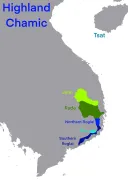
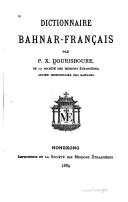









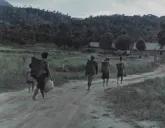
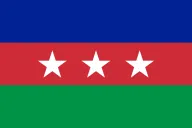
A Dega child was born beside the hearth in some of our peoples and in the forest in others, named by the ancestors, given a false name to hide it from the spirits, and raised with a freedom that outsiders remarked on in every village they visited but one. This page sets out what the older written sources record about growing up in the highlands, people by people, and then what the schools did, what the state has done to the schools, and what changed for the children who grew up in exile. The sources are outsiders’ books; the authority is our elders, and the page ends by asking them.
.jpg)
Reading these sources
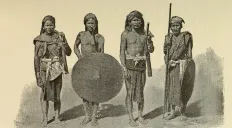
Almost everything written down about our childhood customs was written by outsiders: the American army’s handbook of 1966, which was compiled in Washington from French books and returning soldiers and not from any fieldwork; the anthropologist Gerald Hickey; and missionaries before them. Each people had its own customs, and many had already changed by the 1960s. We give each custom with the people it was recorded for, in the past tense where the source uses it. Elders who remember it differently are the better authority, and we would like to hear from them.
Birth
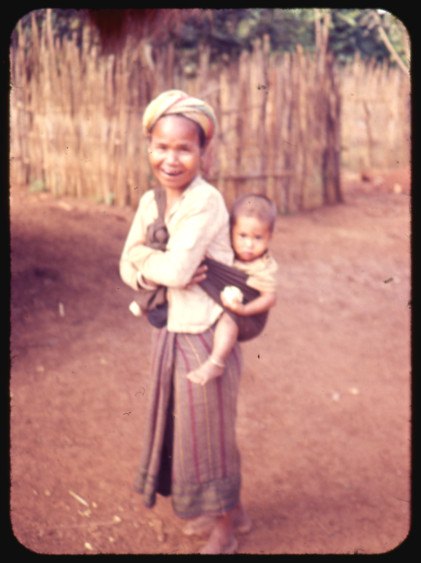
Where a child was born depended on who its people were. Among the Bahnar a married woman gave birth “in the house near the family hearth, where a fire is kept burning,” helped by a midwife, with the husband and the small children in the house and the adolescent boys sent to the communal house until it was over; an unmarried girl gave birth outside the village in the forest, so as not to offend the spirits. The Rengao did the same, by the hearth. The Mnong called childbirth “remaining near the fire”: the woman lay on a mat by the hearth near the granary while her husband, often with her sister, gathered ashes and charcoal from the fire and chanted, the neighbors joining in; she gave birth kneeling, holding a rope strung above her head, and the afterbirth was buried outside under a stone so that the demons could not eat it and kill the child. Seven days later came the “bringing out of the child,” njur koon, when the mother carried the baby for the first time, wrapped in a blanket on her back. Among the Rhade, once the midwife had delivered the baby, the mother was laid by the hearth and rubbed with ginger; custom allowed her six or seven days in bed, though most women were up after three or four, and the child was suckled until it learned to eat rice at two, chewed first by its mother. A pregnant Rhade woman had already been the occasion of one sacrifice, of a dog and a jar of wine in the third or fourth month, and another, of rice wine, a pipe and a young rooster, when her labor began, when all the dead of the family were called on “to make the child beautiful, to make the birth easy, to protect the mother, and to give her many more children so that the whole family, the living and dead, may become larger.”
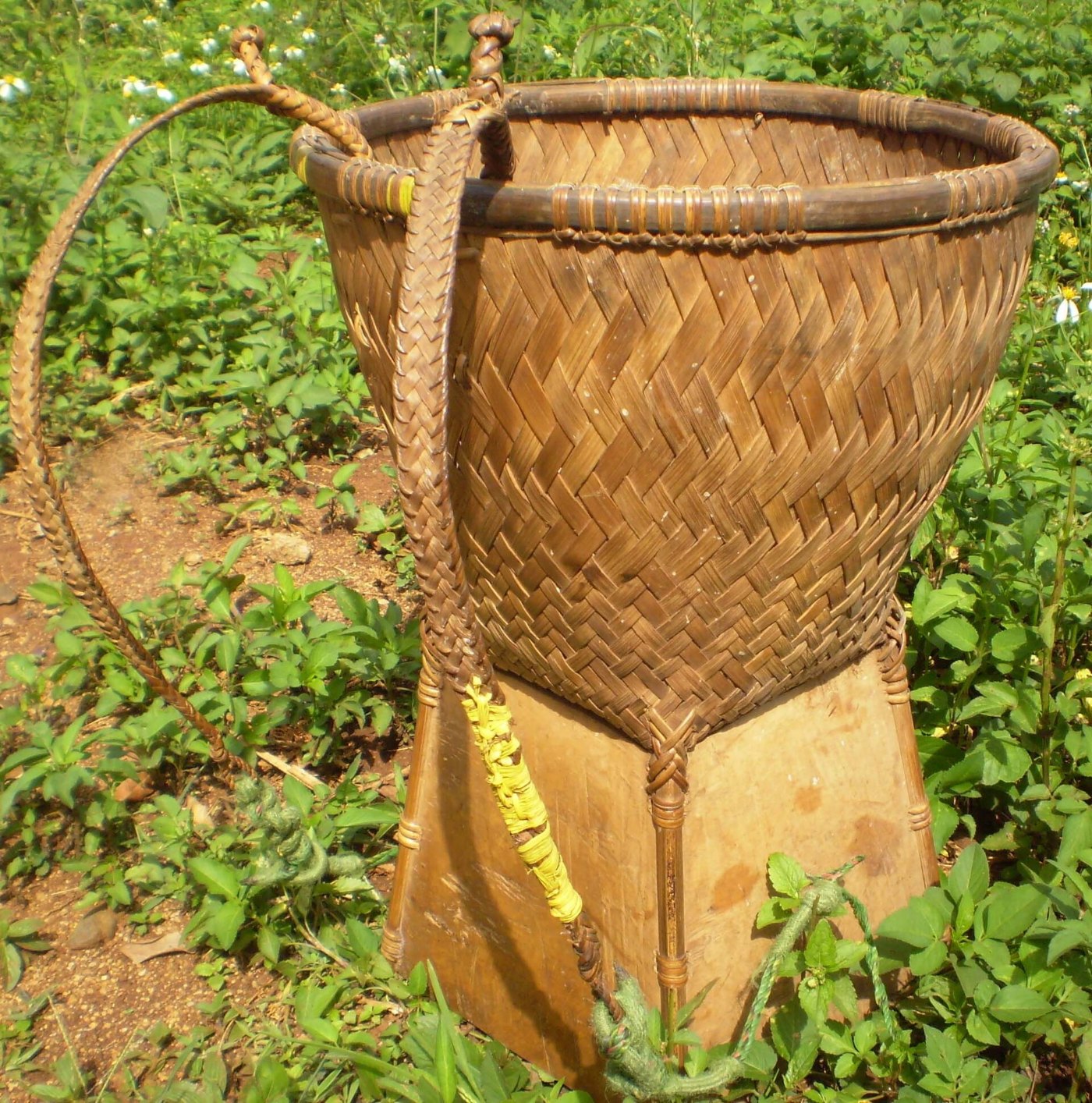

The Sedang gave birth outdoors, the woman kneeling over a shallow hole with a bamboo pole to hold, and did not put the baby to the breast until it had been decided whether it was to live. The Jarai, in the past, gave birth outside the village in the forest, on the bare ground without a mat. The highland Hre held birth itself to be a contamination: the mother went to the forest, several old women caught the child, she buried the afterbirth secretly and wiped herself with leaves, and then carried the baby to a room in the house set aside for women with newborn children, where she stayed a month, her husband visiting but not staying, until on a fixed day the father took the child and presented it to the village at an altar of meat, rice, wine and tobacco. Among the Raglai the father went into the forest as the birth approached to gather roots and herbs for a tea to ease his wife’s labor, and “the husband is not only present but assists in the birth”; a seven-day taboo followed in which only the family could enter the house. A Koho midwife, the mo boai, stayed three days and was paid with a bead necklace, a brass bracelet and a blanket; there were rarer, more expert midwives, one to five or six villages, and some skilled men, and their skill was believed to come from heaven. A Katu house became dien, taboo to everyone but the old midwife, from the first pain; she stayed three days and left once, to bury the afterbirth in the mountains, while the men of the family waited in the communal house for the news and the father killed a pig. The Bru village prepared a feast while the woman was in labor and drank rice wine when the child came. Among the Halang the women “bear few children, and the tribal population increases very slowly.”
Birth brought the soul into the child, and each people had a way of saying how. The Rhade believed that a person has three souls and that the second, the yun, the source of life, entered the newborn through the bluish mark near the base of its spine, the anok ba yun, which faded by the age of two or three; the first cry was the breath entering; and a dead relative could return in a new baby, so that families tried to work out which ancestor had come back and treated a child’s recognition of a dead uncle’s belongings in a neighbor’s house as proof of “a mysterious liaison,” after which the child’s right to the thing “is incontestable.” Among the Jarai someone blew into the newborn’s ear, which “sends the child’s soul into his body,” and the next day the baby’s eyes were rubbed with a bitter herb “so that they can open to the world,” a chicken’s throat was cut, a jar was opened, and the village was closed to strangers for a week of dancing. Among the Halang the midwife blew into the child’s ear and then named it. Among the Bahnar the blowing was the naming itself, the hlom don, without which the child was not yet human: the midwife among the western Bahnar, the mother among the eastern, blew into the infant’s ear saying, “I blow into your ear and you must be …” and listed what she hoped the child would be. Under Rhade customary law it was a crime not to report a birth to the village chief, and a crime to kill a newborn child.

Names
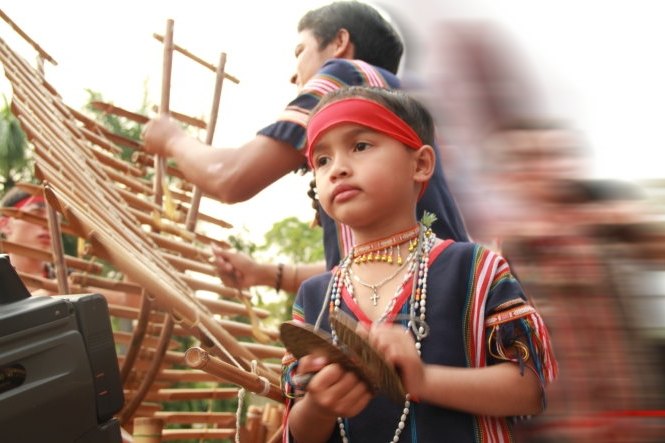
The Rhade naming ceremony, bi hoa bue, took place the day after the birth, before the mother had eaten. The midwife put a drop of dew on the baby’s tongue, the dew that holds the spirits of the dead, and asked, “What is your name? Your name, is it …?” trying the names of the family’s dead maternal aunts and uncles. If the child smiled or was quiet, that was its name; if it cried, the ancestors were not pleased and another name was tried. All the dead aunts and uncles were thus agents in the choice, and they were also the child’s third soul, the tlang hia, which leaves the body at death as a bird and becomes dew.
A child was not called by that name at first. Rhade, Jarai and Bahnar children were given ugly names, “eh, excrement; bru, rotten; djie, death; and trung, big stomach” among the Rhade, Urine or Manure for a very pretty Jarai child, “the name of an unattractive object” for a Bahnar baby, so that evil spirits would pass them by. Among the Rhade the real name was used from about the age of five, “when danger from the evil spirits is past.” Raglai parents chose the name at once, the mother and her brother together, and kept it secret for about six years behind an ugly pseudonym. The Hre kept the false name until a boy was about eight or a girl showed signs of puberty, because a child not yet initiated would tell its real name to the spirits in its sleep. A Jarai personal name “is not permanent”: the parents or the child could change it if it seemed unlucky, and during the Japanese occupation of 1945 some children were named Jap. Among the Halang the name was “the most important influence on the child’s future,” all the children of one family had names that sounded alike, and if one child died the names of the others were changed to escape the same fate. A Koho never used the real name of its parents when addressing them. Among the Bahnar, a child who fell seriously ill could be adopted into a branch of the father’s or mother’s family in an alliance called topok, and took a name relating it to the new family, which it could never marry into; the Mnong Gar had a milk alliance, krao kon u tuh, by which a child thought to have too much spirit-power was given to another woman to nurse, its mother telling her, before the spirits, “This child is yours, not mine,” and the child took a new name while staying with its parents.

A Rhade or Jarai child took the clan name of the mother’s family, and so belonged to her clan. Among the Jarai, in the handbook’s words, “names of all girls begin with an ‘H.’” A Bahnar name, by contrast, “does not indicate the family or sex,” and did not duplicate the name of anyone else living in the village. The Hre have family names that are Vietnamese, imposed in the nineteenth century under the emperor Tự Đức: when the lowland Hre men were made to register, the clerks could not write the Hre names and wrote a group word in front of each personal name instead, so that in one district every Hre came to be surnamed Binh, soldier, and in the mountains Man. The resettlement guide written for American caseworkers in 2002 explains the prefixes that still puzzle officials: in some of our peoples a man’s name is preceded by a long “e” sound written with a capital Y, “comparable to the English Mr.,” and some women’s by a sound written H or K, and the family name may come first, so that Americans “may experience confusion trying to distinguish between the given name, family name, tribal name, and gender prefix.” So do the courts. See Names and words.
Childhood
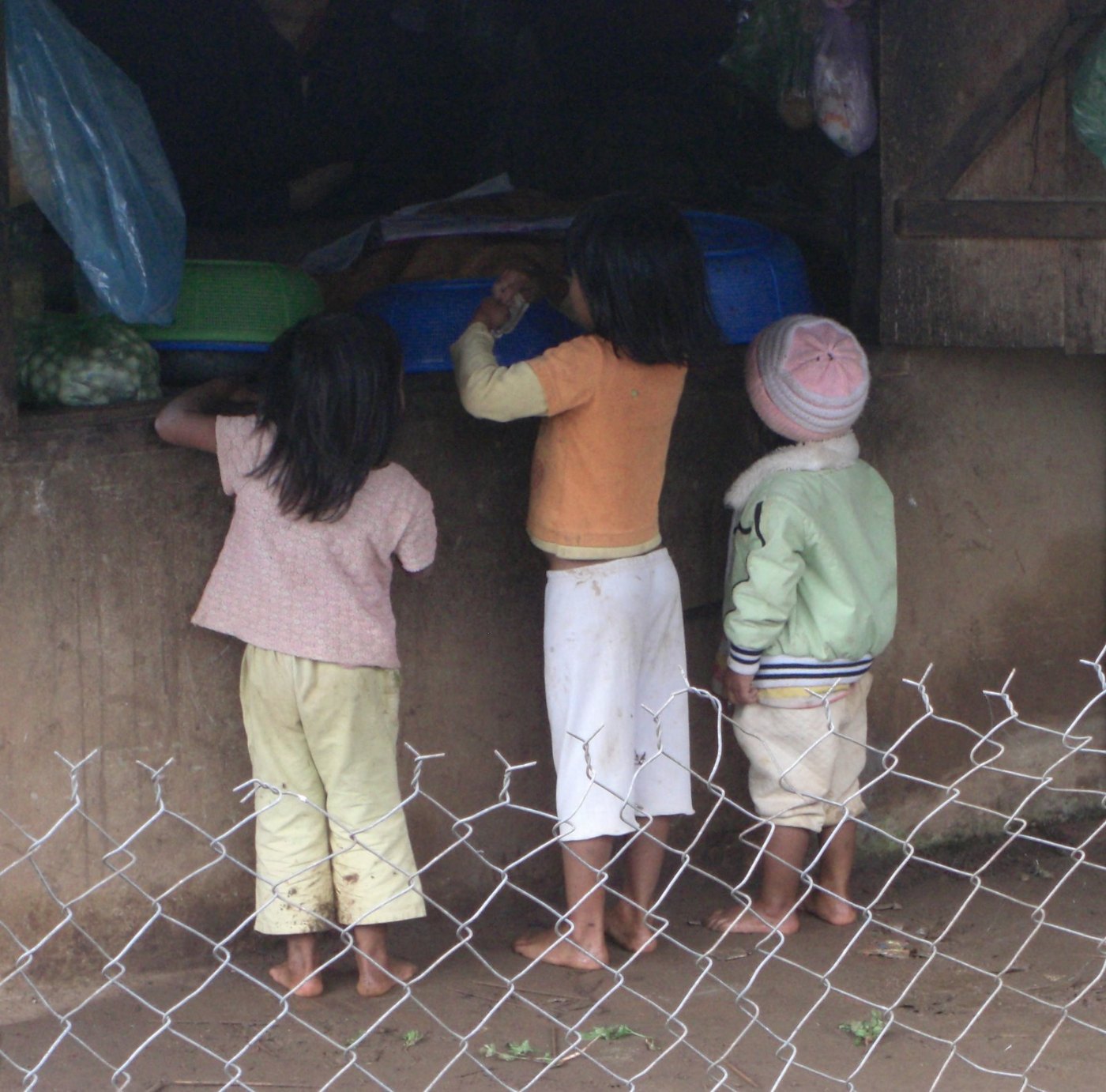
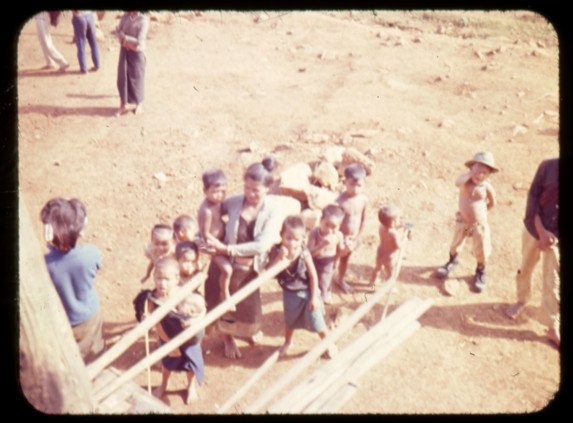
Visitors noticed how freely our children were raised, and said so of almost every people. The Rhade “are very fond of their children and raise them permissively,” treating them “almost as if they were adults with minds of their own”; for the first five years children “are not disciplined,” because the parents thought that paying too much attention to them would attract evil spirits, and adults “never force a child to do anything against his will,” a respect the handbook links to the belief that an ancestor has returned in the child, and also blames, by its own lights, for some of the deaths, since a sick child who refused medicine was not made to take it. The Jarai gave children “great freedom, with few restraints”; the Bahnar raised them “permissively and allowed a great deal of freedom”; the Halang “permissively and with great affection”; the Mnong allowed “complete freedom” and “a great deal of affection” to the very young, though from twelve a boy might not joke before his parents, grandparents or sisters; the Bru children “receive very little discipline”; the Koho reared them “with great care,” never abandoned a child, and had a mother’s family take in an orphan. Of the Katu the handbook says children were disciplined “only by voice, never by hand or beating,” and of the Raglai that a crying child “is immediately picked up and comforted,” because “children are never allowed to remain unhappy.” The Sedang were the exception, and we do not hide it: their children “are disciplined from an early age,” and the punishments recorded are cruel. Whatever the Sedang did, the picture of a plateau of unbeaten children is not a foreigner’s sentiment; it is the same observation made by different observers among a dozen peoples.
.jpg)
Children worked from early on, by age and by sex. Sedang boys of three or four watched the buffaloes and the little girls carried water and minded their brothers and sisters. Bahnar children of five or six looked after the poultry, and a few years later the buffaloes; the boy then began helping his father and the girl her mother, and the youngest child, of either sex, was expected to stay at home to look after the parents and their land, could not marry before their death, and was rewarded with a larger share of the inheritance. Bru children of five or six joined the adults, the boys hunting and fishing with their fathers and learning the crossbow, the plants and “the sounds of the forest,” the girls with their mothers and the younger children. Small Rhade children had chores at planting and harvest and otherwise did little in the fields until puberty, when they took a full part and were expected to watch the younger children and the animals; Rhade girls played with small spinning wheels and miniature looms and so learned to weave, and husked rice, while the boys learned to make snares, nets and winnowing baskets and were “initiated into the secrets of the bush by their elders.” Rhade children walked on stilts, flew kites, spun tops and swam. A Jeh boy who could walk was given a small bow and arrows and other small tools and weapons, “though at first they may only use them to annoy the domestic animals”; a Jeh girl watched the household fire for her mother. A Raglai child of about six was taught the rice year by its mother, who at the end of the dry season put a drop of water on the child’s ear and said, “Don’t forget this moon which teaches us the cycle of rice cultivation; one can’t stay at home anymore, one must now work in the fields. Remember this each year when the first rains begin to fall.” Mnong children wore no clothes until they were six, with their heads shaved but for a lock on top; Jeh children ran the village naked; a Stieng child wore jewelry at the neck and, until its fourth year, an anklet with two bells. The ears were pierced young, and the hole enlarged year by year with wood, bone or ivory until, among the Stieng, the Koho, the Mnong and the Hroi, an old woman’s lobes could reach her shoulders.
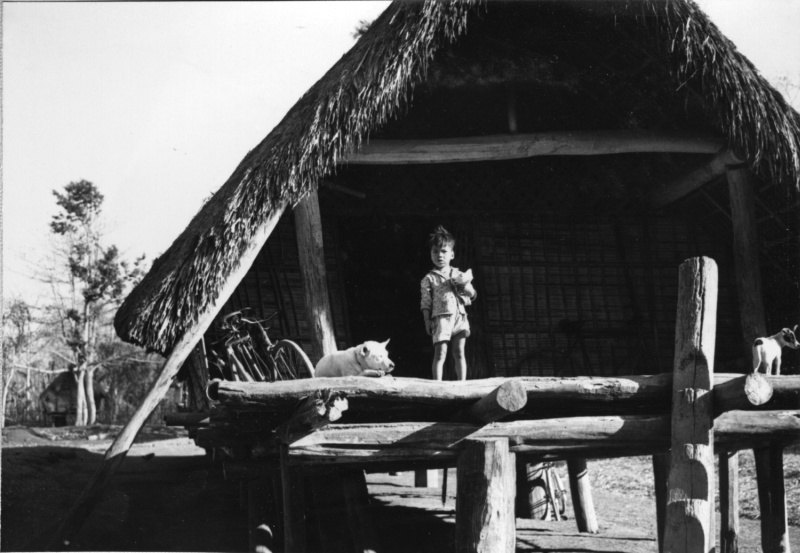

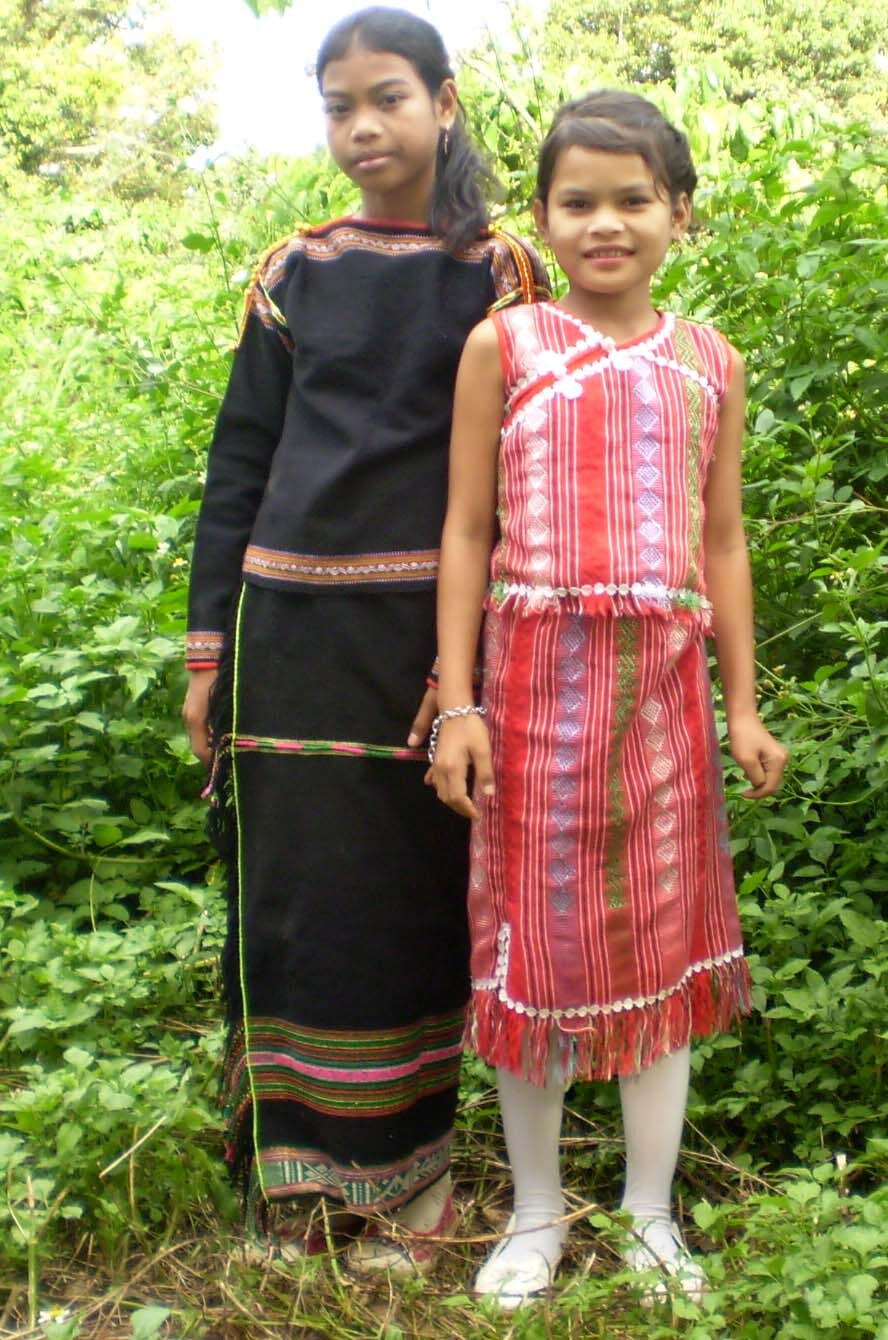

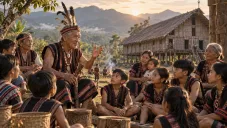
What a child learned, it learned by living beside someone. The Bahnar house had three rooms, the east for the parents and infants, the center for the girls, the west for the boys; the Bahnar reckoned a person’s standing not by years, which nobody counted, but by eight classes from calde nge, the babies, through the children, the adolescents and the adults to cal de kra, the elders past forty-five or fifty. In the evening the Bahnar gathered “around a storyteller to listen to folktales,” the Koho sang and told stories around the hearth until ten, the Raglai family told stories and exchanged the news after supper, and the old Raglai men who could no longer clear the forest carved handles, plaited mats, appraised jars and animals, and “recount[ed] the oral traditions of the tribe.” A Katu boy old enough to tend the buffaloes was let into the communal house, “where the old men will teach him legends, songs, how to trap wild animals, and the art of sculpturing.” The Mnong taught “the legendary history and myths of the tribe” at home and at feasts. “Custom molds and bends the child,” the handbook says of the Raglai, “who learns to think within the limits of the legends, laws, proverbs, and traditional wisdom of his tribal group.” The three R’s were seldom included, and we come to that below.
Many children did not live. The handbook gives, for the Darlac region, an infant mortality of “60 to 70 percent” under the age of one and ten to fifteen percent more between one and five, with malaria the great killer; it is a figure of unknown provenance from the colonial period, and we give it as that. The Katu counted a death before the seventh day as no death at all, and only after that as an “evil death” requiring offerings; a Katu woman who died in childbirth became an evil spirit and the village was left for a while. Among the Rhade, the handbook adds, families were small, and childless Rhade “are reported to have bought Vietnamese children to raise as their own, giving them Rhade names.”

The communal house
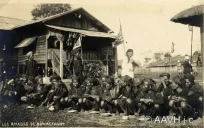
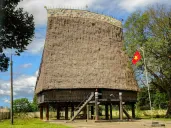
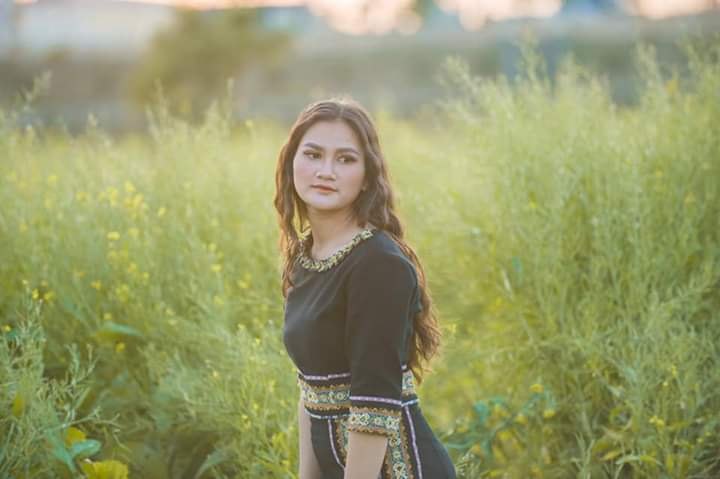
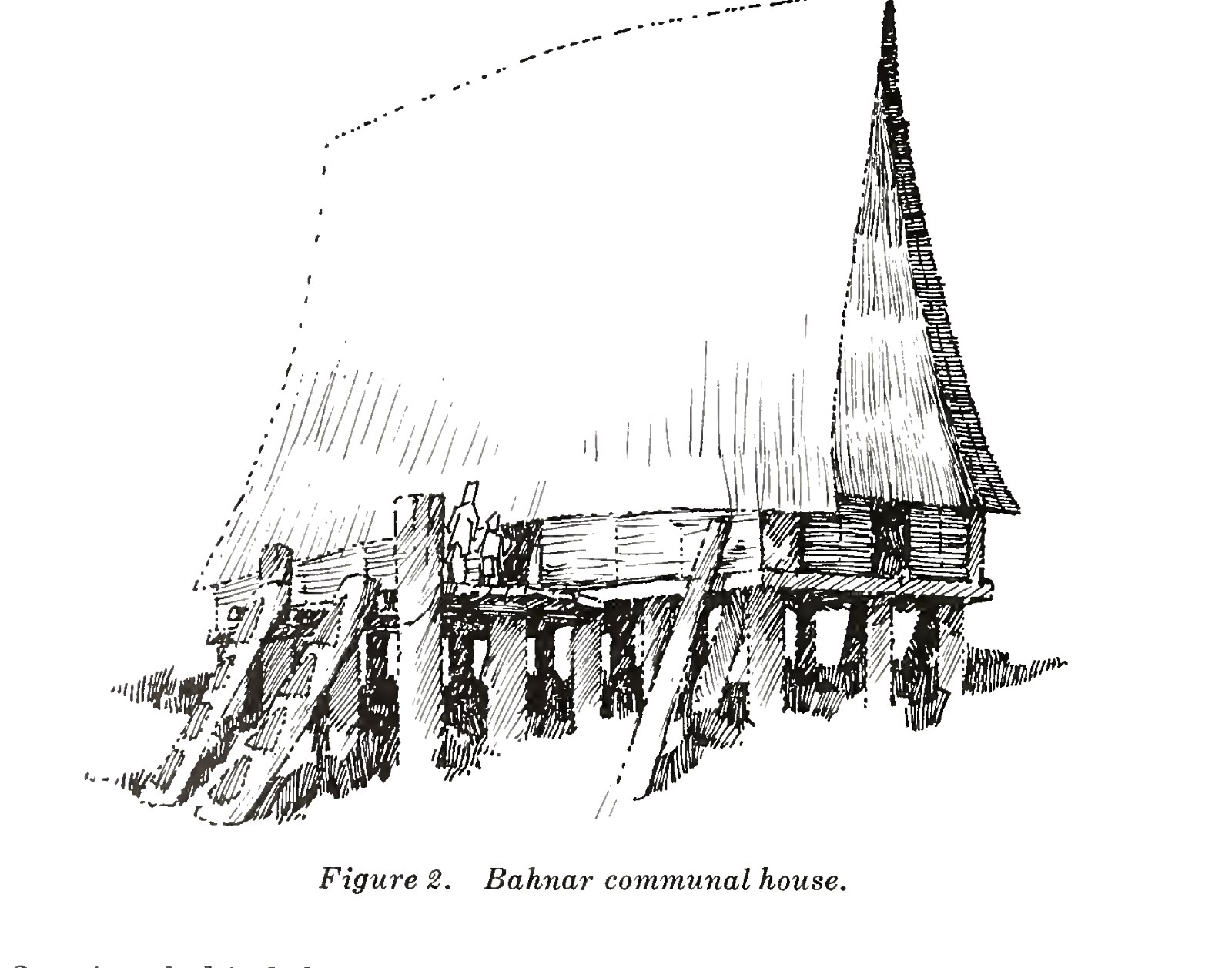
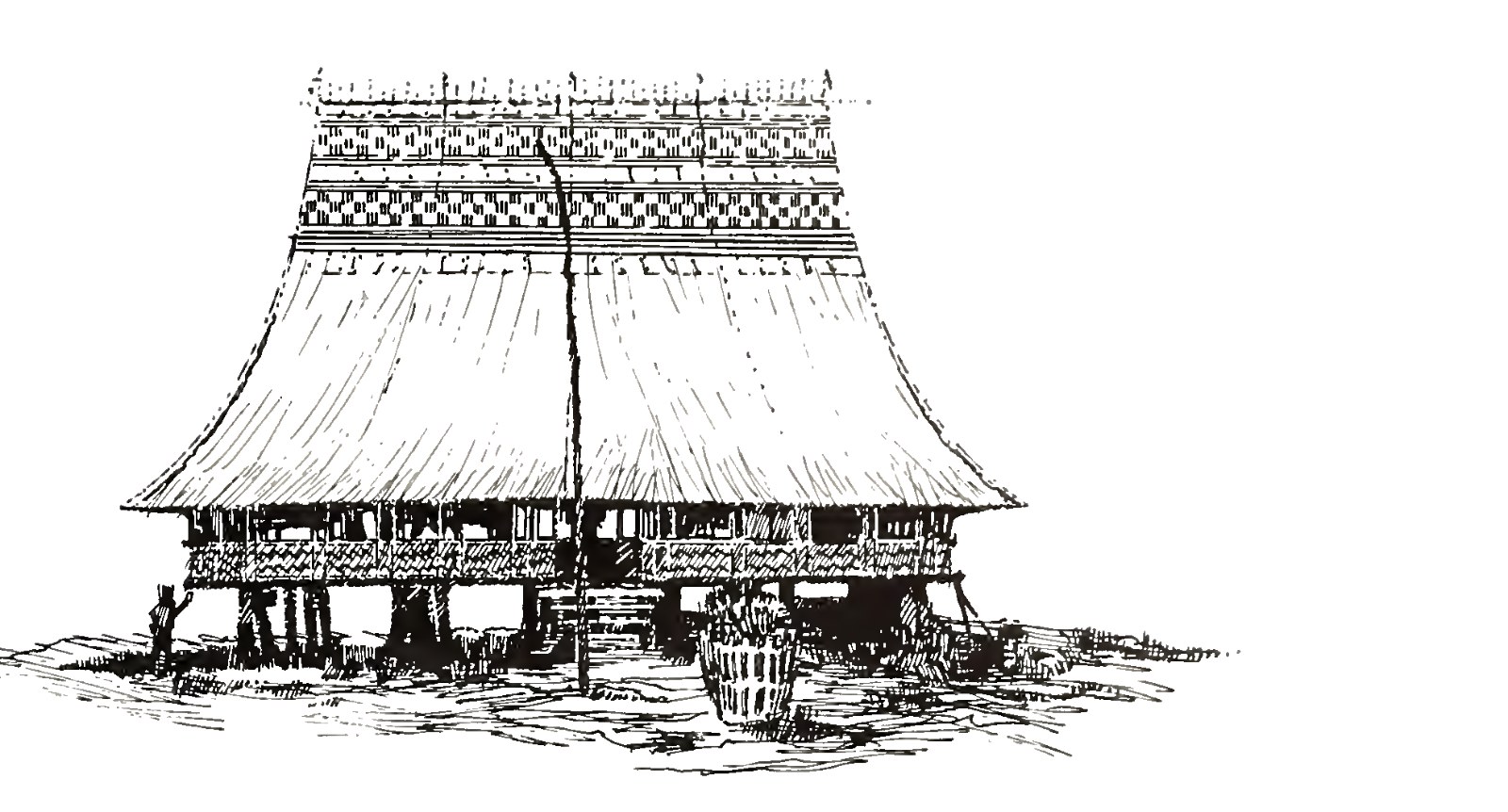
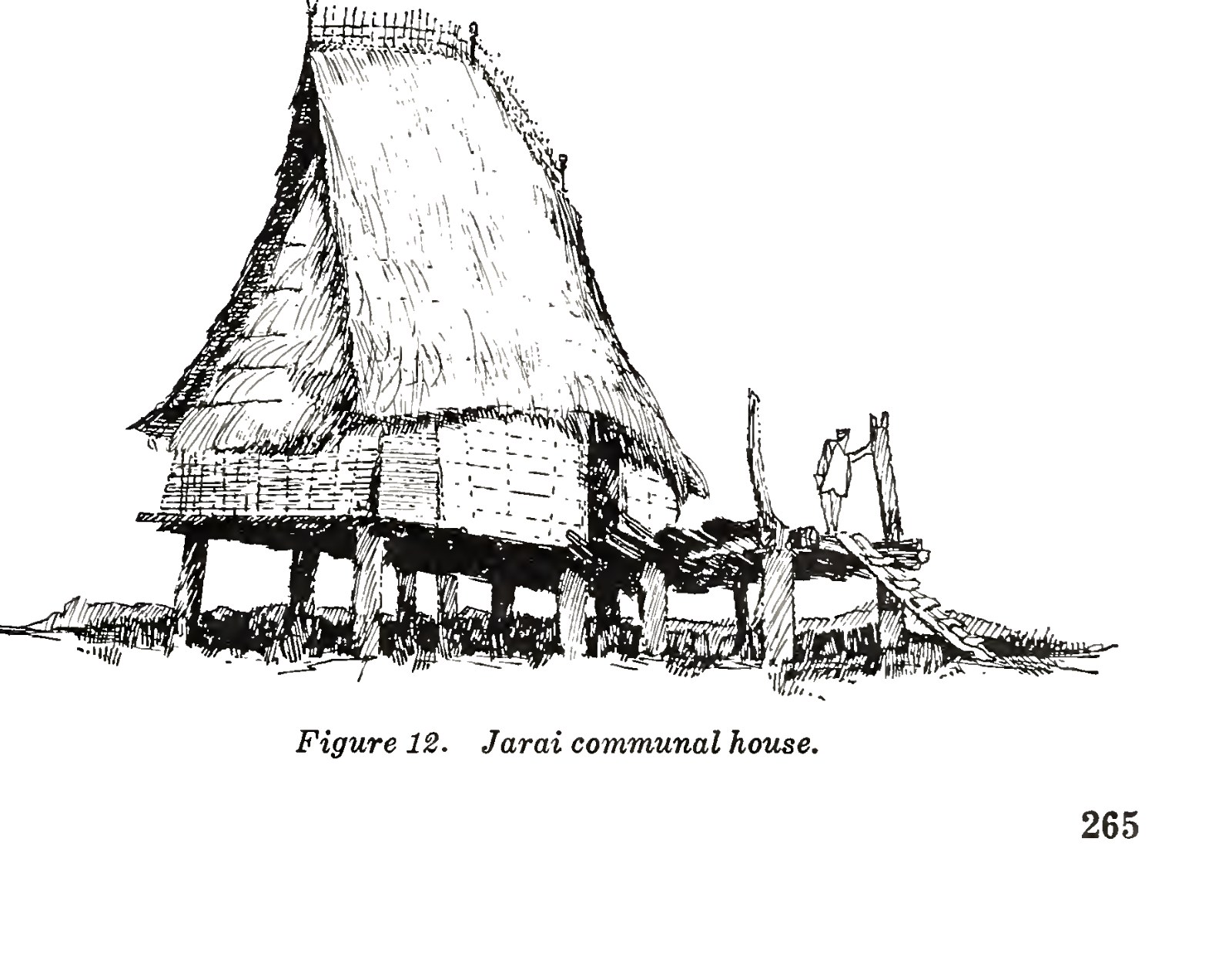
Among the Bahnar, the rong gave “a sleeping place for boys from puberty until marriage,” and was also known as the bachelors’ house; the boys went on eating in their parents’ house and slept there when they were sick. While they lived in the rong the unmarried men made “tools, traps, nets, pipes, baskets, and bamboo storage tubes for water, salt, and tobacco,” articles “made only by the bachelors” though some could be used only by women. The Rengao boys did the same in the jong. The Sedang let a boy sleep in the common house from the age of six, coming home for meals, and there “the boys learn to be men; they are taught to hunt and fight.” The Katu boy was allowed in as a listener when he was old enough to tend buffaloes and slept there from seventeen, when he was counted a man. Among the Jarai of the Chu Ty, Sesan and Arap country the communal house served, like the Bahnar rong, as lodging for travelers, meeting place for the elders and the tribunal, and bachelors’ quarters, and the Halang lodged their widowers there as well. Among the Sedang and the Katu no woman was permitted inside. In time of war the Sedang bachelors’ house was “the defense headquarters,” the place the defenders could move out from, behind earthworks set with bamboo lancets. The Rhade were different: their life centered on the mother’s longhouse, and we have found no source for a Rhade bachelors’ house. See Dega culture.
Coming of age
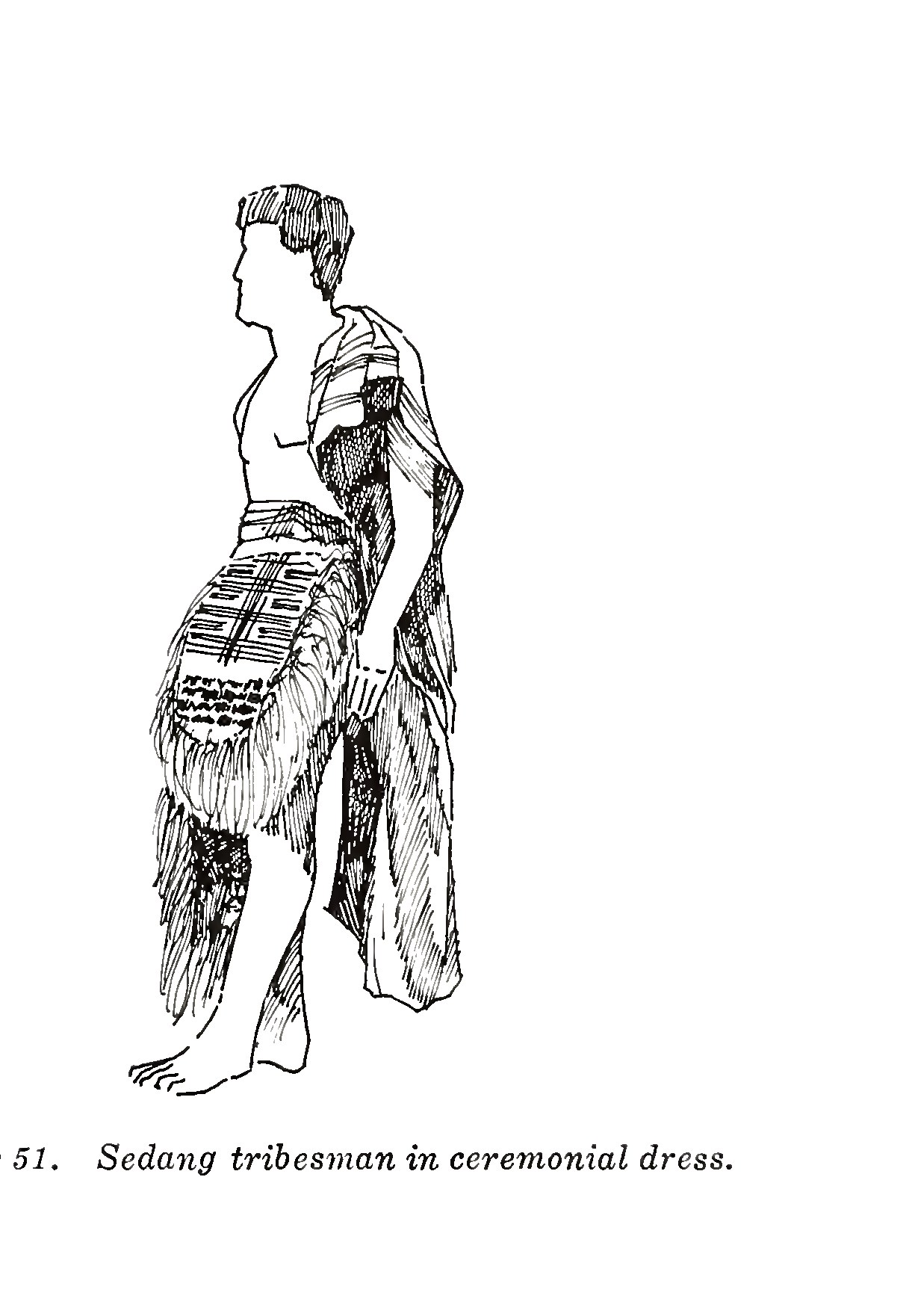
For many of our peoples the end of childhood was marked on the teeth. Bahnar boys and girls of fourteen or fifteen had their upper teeth filed with a piece of basalt, the lower jaw protected by a stick of wood, the mouth washed out, and the teeth rubbed with the gum of the long hot or long yighik nhong plant until they were black and the pain had gone. Jarai boys of about twelve chose the man to do it, often the mother’s brother, and had the teeth filed with a length of basalt and lacquered with the sap of the ana khea, clear at first and black after a few days, and for three days could not eat red peppers or eggplant or talk to a pregnant woman; it marked a boy’s passage to manhood, and filed black teeth were once thought to make a man attractive. Among the Sedang young men and women had the front teeth filed and lacquered black with their parents’ permission, and it was unlucky if a tooth broke; among the Mnong the upper front teeth were filed and stained and the lower ones filed to points, and for eight days afterward a person could not eat chicken; the Bru filed the upper teeth “down to the gums,” a painful operation that “marks the end of their childhood”; the Jeh knocked the incisors out; the Ma and the Hroi filed to the gum line; the Hre and the Koho filed, though the Sre did not and the Halang never had. Among the Rhade the handbook records a former initiation in which a child paid for the sacrifice of a pig and had the upper front teeth cut away with a thatching sickle, an operation of thirty minutes to an hour, after which the company drank a mixture of rice wine, pig’s blood and blood from the child’s foot, and the boy or girl “received a bracelet engraved with a secret mark.” By 1966 all of these were described as dying out, and the Viet Cong’s agents, the handbook noted, were filing their own teeth in the Bahnar manner in order to pass. The bracelet page follows the other mark of standing, the ring on the wrist.
Marriage: who asks whom
Among the Rhade and the Jarai, the woman’s family asks. “The girl asks the boy’s hand in marriage, for which she pays a dowry,” Gerald Hickey wrote of the Rhade in 1964, “and after marriage the couple resides in the bride’s longhouse.” The Rhade families often arranged a match years ahead, through an intermediary sent by the girl’s side; the girl’s family paid the boy’s a price “to compensate them for the loss of their son,” and if it was not paid on the day the groom went home, or the girl went to live with his people until it was, for up to three years. A boy and girl who exchanged bracelets on their own account were bound to marry if she became pregnant. At the wedding the couple squatted before a jar, drank rice wine through long reed straws, crossing them, with their feet on a hatchet to signify permanence, and offerings were set at the east windows of the longhouse. Among the Jarai the girl’s mother gave a bracelet, a kong, to a go-between; the girl consented by not touching it; the go-between carried it to the boy’s family, and if his parents said “Ask the boy what he thinks,” that was no, for a boy referred the question always declined; if yes, his mother put the bracelet on his wrist, his father sent a jar and a chicken back with gifts for the girl, and about a week later the families made their pact, the couple exchanged bracelets and pieces of a sacrificed chicken, the bride’s family agreed a dowry for the groom’s, and the groom paid homage to the spirits of the village spring. A Jarai engagement, bo’kom, could be made once one of the pair was five years old, and was broken by returning the bracelet. Unmarried Jarai over eighteen “may not participate in tribal affairs and are the object of disapproval”; “only an abnormal person does not marry.”
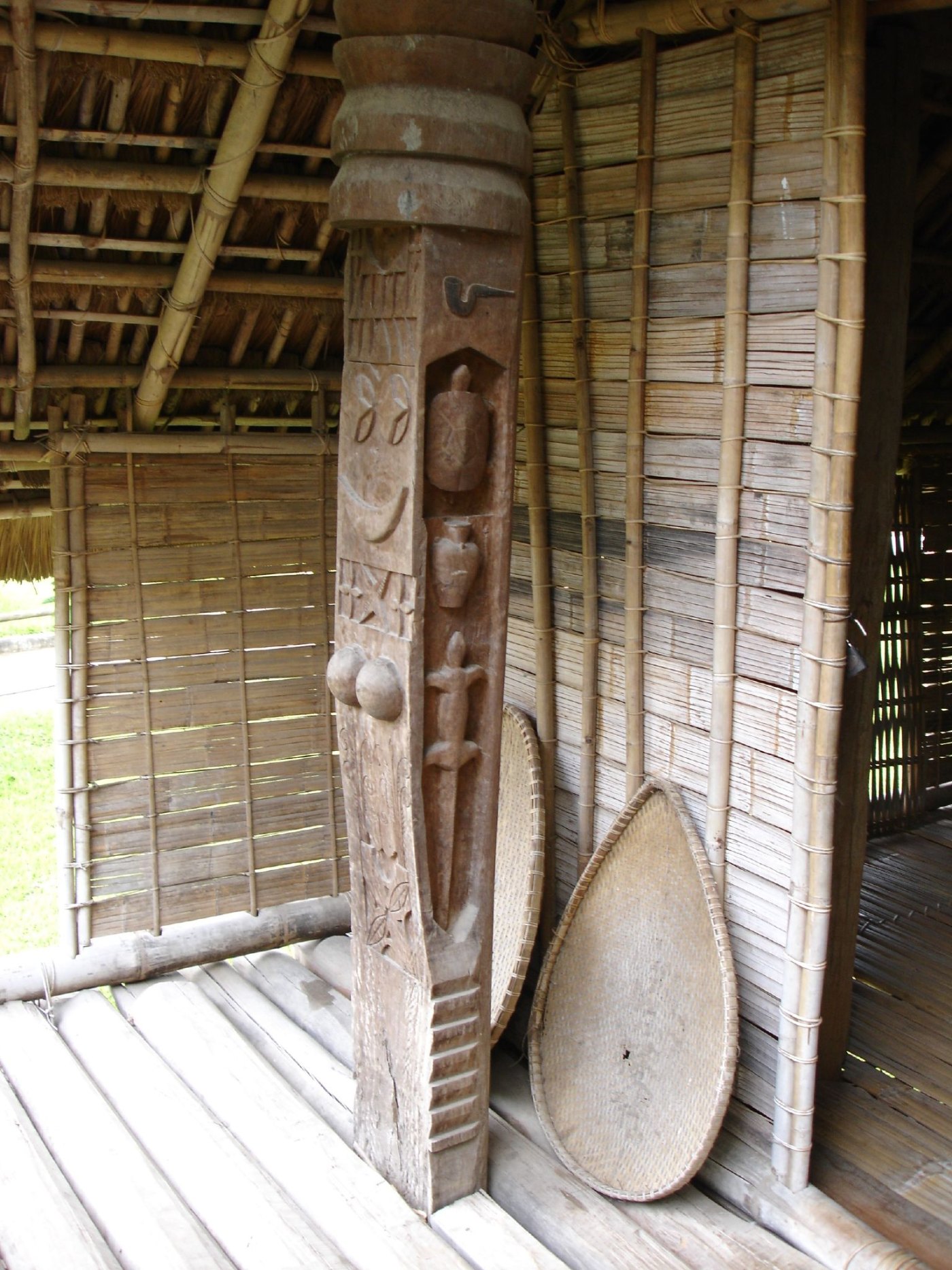

The Mnong girl took the initiative, and the wedding was the tam book, the bumping of heads: the go-between knotted a lock of the bride’s hair to a lock of the groom’s, untied it, prayed, and knocked their heads together while counting to eight. The Koho woman chose her husband from her own or the neighboring villages, her family compensated his for the loss of him, and the couple set up at once in her family’s longhouse. A Ma girl or widow could send a brass bracelet and a bead necklace to the man she wanted; among the poorer Ma a small boy might go to live in the house of a girl of five or six whose family meant them to marry when she came of age. The Raglai were the exception among the matrilineal peoples, since there the boy courted, though he then went to live with his wife’s mother. Among the Bahnar either family could propose, “in general, the wealthier person takes the initiative,” necklaces were exchanged, there was no dowry, a couple had to be old enough to work a field, fifteen to eighteen, and “there are no child marriages”; when a Bahnar woman untied a man’s turban in public it was a declaration of love, and the kiss was unknown. Among the Sedang the boy’s side asked and the couple drank from one jar before the spirits; whichever family the couple went to live with, the other paid. A Jeh man chose a bride from another village, sent an intermediary with a jar and a dead chicken, read the omens, and then brought gifts to her parents every month for a four-year engagement, at the end of which the bride hid, was found by her brothers, and was taken to her husband’s village to spend a lunar month in the nuptial house. A Bru boy married at fifteen or sixteen for a price of buffaloes, pigs and jars; a Katu who had taken part in a successful blood hunt was “a particularly desirable husband.” Among the Halang “wives are not purchased, nor is a marriage dowry paid.” See Dega women.
School
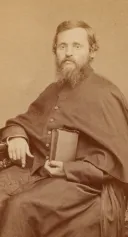
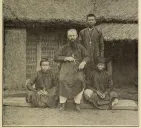
The Catholic mission at Kon Tum opened the first schools in the middle of the nineteenth century, and wrote Bahnar for them. In the 1920s Léopold Sabatier and his deputy Antomarchi founded a school system in Darlac, the Franco-Rhade school at Ban Me Thuot at its head, which was later extended to Pleiku, Kon Tum and the Lam Dong plateau; the Protestant mission did the same in the south, and scripts were made for Bahnar, Rengao, Jarai, Rhade and the Koho languages. Those schools taught in our languages. The government schools that came after 1954 did not: in the government schools, the American handbook found among the Mnong, “instruction is wholly in the Vietnamese language,” and in the mission schools the children learned to read and write their own. The Diem government banned instruction in highland languages altogether, and after our leaders asked for autonomy in 1958 it closed the highland students’ section of the National Institute of Administration and admitted no highlander to it for six years. Where there were schools, Jarai children “rarely attend[ed]”; few Mnong could read either language; but the Rhade and the Koho “greatly desire to send their children to school,” and missionaries reported that when a few Koho had learned to read “other Koho immediately clamored to be taught.”
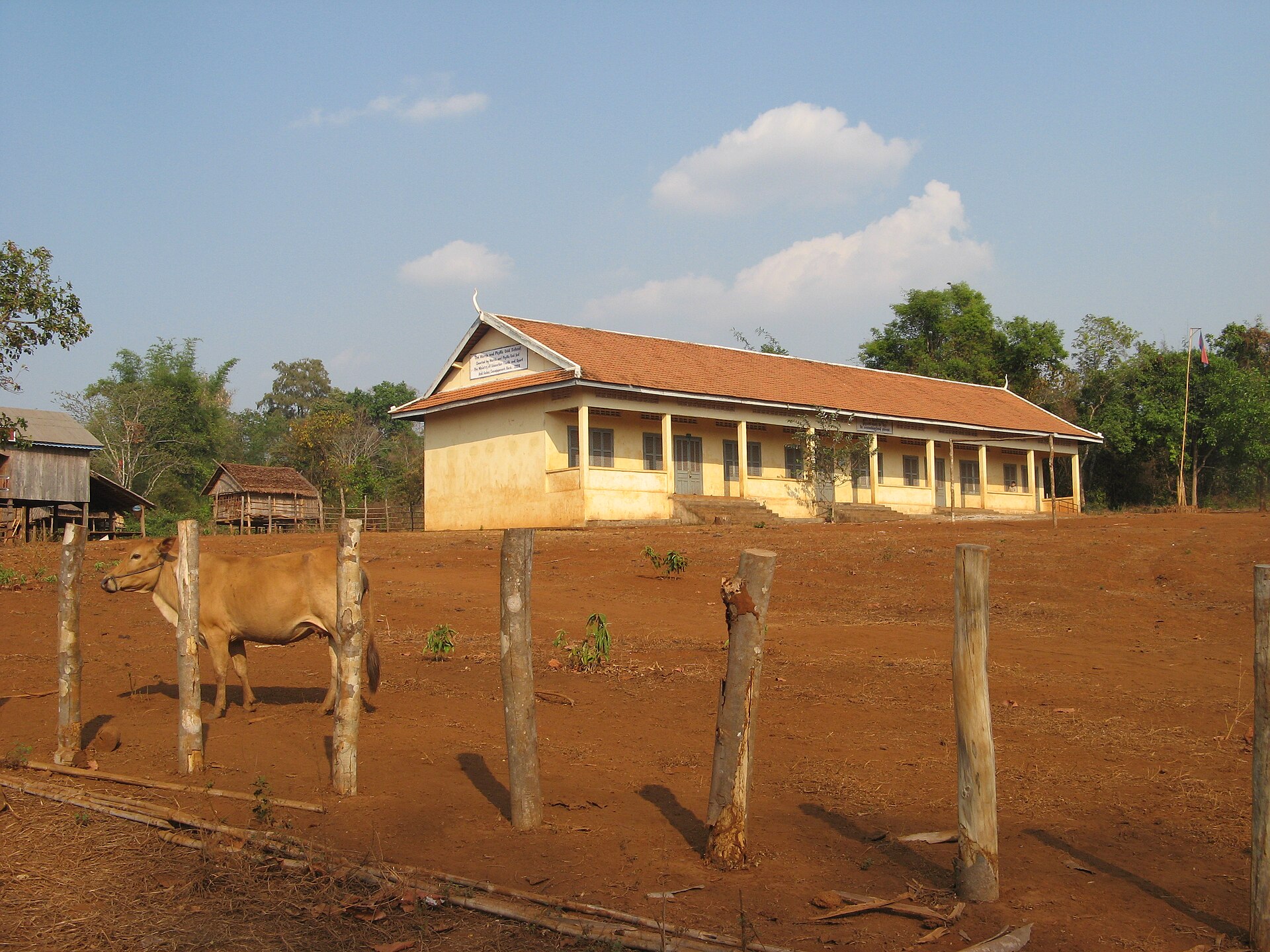

When our leaders met the government at Pleiku in October 1964, after the rising, the first cultural demand was “that teaching of the Highlander dialect (mother tongue) be permitted in primary classes effective the school year 1964–65,” and that teachers “return to their own tribes to teach in their own languages.” The government agreed. By 1966 there were 143 highlander primary schools with 425 teachers and 14,494 pupils, 106 of the schools and 11,468 of the children on the plateau itself, 51 schools and 4,168 children in Darlac alone, and thirty-three boarding schools, which on the plateau alone held more than four thousand boarders; 34,000 primers had been printed in Bahnar, Sedang, Stieng, Northern Roglai, Bru and other languages; the Highland Normal School founded at Ban Me Thuot in 1957 had examined 153 candidates in 1965 and passed forty-eight, twenty-one of them Rhade; highlanders got ten bonus points per hundred in the secondary entrance examinations and twenty percent on the baccalaureate; three hundred government scholarships and a hundred and fifty from the Asia Foundation sent our children to secondary school, eight girls to a home economics school in Saigon, and fourteen young men to study forestry at Hue. The war undid some of it, driving teachers out of the villages into the provincial towns. Only two of our leaders, in 1967, were reputed to hold the second baccalaureate.
After 1975 the state’s schools taught in Vietnamese, as they still do: “the vast majority of primary schools in the Central Highlands conduct their classes in Vietnamese,” whatever the constitution says about minority languages. The state built boarding schools for minority children, which its delegation told the UN in 2023 had been “established in the 1950s to develop ethnic minority cadres” and took “the highest performing ethnic minority students.” For the rest, Human Rights Watch found in 2002 that school fees of 300,000 to 500,000 dong a year for a primary child and a million for lower secondary were imposed on families earning less than two hundred dollars a year, that schools closed at noon and charged for the afternoon, that illiteracy among the Bahnar and Jarai was “70 to 72 percent of males and 88 percent of females,” and that very few of our children went past seventh grade. A girl who had reached tenth grade because she spoke good Vietnamese was told she was no longer welcome after she attended the demonstration of February 2001; a Jarai woman trained as a teacher was refused a post until she undertook in writing to abandon Protestantism; children in one hamlet were kept out of school unless their families denounced Christianity. “They line the kids up and ask them what religion they are,” a Montagnard woman said. “They’ll find a way to drop the kid.” In 2011, three of five minority children finished primary school against more than four of five Kinh, and one teacher said his pupils understood about 60 percent of a lesson given in Vietnamese; when the state and UNICEF taught Jarai children in Jarai, in a pilot that ran in Gia Lai from 2008 to 2015, the children did better on every test, and the ministry now says it will extend the method to eight provinces. In November 2023 a member of the UN’s racial discrimination committee put it to Vietnam that 63 percent of Kinh children reached upper secondary school against 31 percent of minority children, and that 51 percent of minority children dropped out; the delegation answered 59 percent. A birth certificate is needed to enroll, and a household registration to get a birth certificate, and there are said to be twenty thousand stateless households in the highlands. In 2001 as many as 45 percent of minority children in the Central Highlands were malnourished; in 2015, 40.6 percent of some minority children in the region were stunted against 15.8 percent of Kinh children; a study of 1989 put the life expectancy of the Jarai at fifty-four years against sixty-eight for the Vietnamese. See Schools, language and the university gap.

Growing up in exile
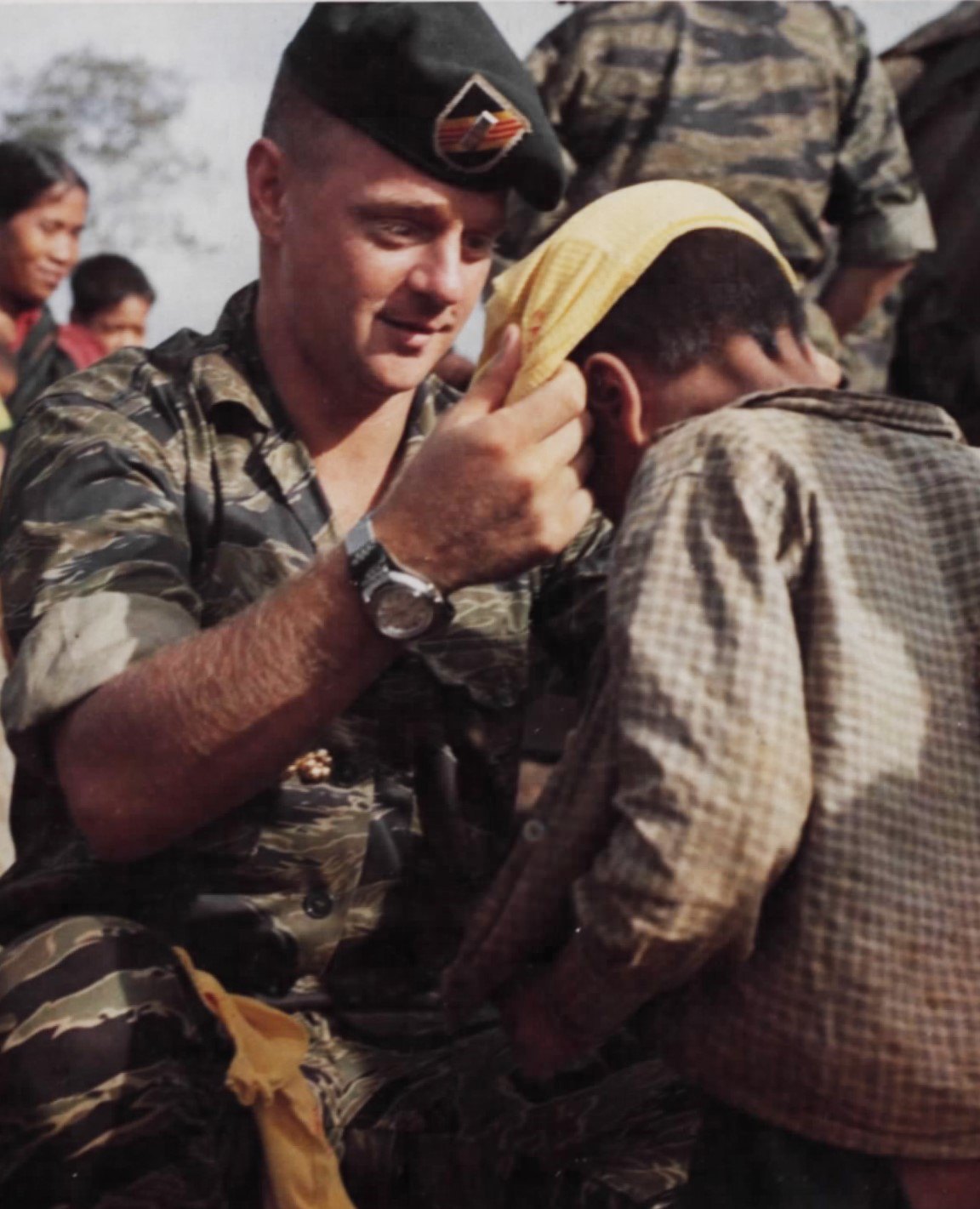
The children who came to North Carolina grew up between two worlds. Most arrived, the resettlement guide of 2002 said, “with little formal education and little if any English,” and tension between the generations grew “when the children learn English more quickly than their parents do and become the culture brokers and interpreters for their families.” Parents could not help with homework, did not understand American rules on discipline, and did not approve of dating. Elders, the traditional source of guidance, were preoccupied with families still in the highlands. The guide’s conclusion was hopeful: “The next generation of the Montagnards, the youth now growing up in the United States, will be the ones to lead the community to a new level of acculturation.” Twenty years on, the community in the Piedmont is put at more than twelve thousand, the second and third generations are born Americans, and the elders’ complaint, recorded in Greensboro in 2023, is the one every immigrant people knows: “they only speak English, they don’t understand Jarai, they don’t understand Bunong, they don’t understand Rhade.” A young Rhade woman who came at nine told her classmates for years that she was Vietnamese, “not trusting they’d grasp the nuances between the two.” Since 2015 the Montagnard Dega Association’s youth branch has taught the children our music, dance and weaving, and young people in their twenties are asking for the stories: “things weren’t being written down, but told through stories,” one of them said. “I would like the stories to be passed down because they tell so much about who we are as a people.” See North Carolina.
Not every child in exile got that far. The two camps the UN ran in Ratanakiri and Mondulkiri after the flight of 2001 held about nine hundred people when they were closed in 2002, and more than seven hundred of them were resettled; a Mnong family, Y Lim, his wife and their five children, holding UN protection papers, was loaded onto a truck by the Cambodian police on May 8, 2001 and sent back. In Bangkok in 2018 more than six hundred of us were living as urban refugees, and, as undocumented people under Thai law, their children were “unable to attend school”; in February and October 2025 the Thai police detained sixty and then seventy of us near Bangkok, and the women with children were sent to an immigration detention center. We do not know how many Dega children are growing up in Thailand today, or in what.
What is missing
The 1966 handbook also records, as customs of the past, harsh responses to twins among the Rhade and to a first child, to twins and to defective or motherless infants among the Jarai and the Sedang. They are in the book, and the book’s own sources are French and second-hand. We do not repeat them as our history without the account of our own elders, and we would like to hear from anyone who remembers what was actually done. We have not found a source on how children are named, taught or brought of age in Dega families today, in the highlands or in exile. If you can record an elder on how a child was named in your village, see How to record an elder.
See also: The bracelet.
Sources
- Department of the Army, Minority Groups in the Republic of Vietnam, Pamphlet 550-105 (1966), DCHO library — the Rhade (pp. 665–681), Bahnar (pp. 10–23), Jarai (pp. 271–279), Sedang (pp. 733–738), Mnong (pp. 492–502), Koho (pp. 400–406), Katu (pp. 358–359), Halang (pp. 129–134), Hre (pp. 174–175), Raglai (pp. 581–583), Jeh (pp. 315–319), Bru (pp. 64–65), Ma (pp. 446–448) and Rengao chapters, and the passages on schools in each
- Gerald C. Hickey, The Major Ethnic Groups of the South Vietnamese Highlands, RAND RM-4041 (1964), text copy, DCHO library — “the girl asks,” the Bahnar house, the Sedang bachelors’ house, the milk alliance, Sabatier’s schools; Hickey, The Highland People of South Vietnam, RAND RM-5281/1 (1967), DCHO library, pp. 42, 60–67, 127 — the Institute of Administration, the schools of 1966–67 (Table 2), the primers (Table 3), the Normal School (Table 4), the bonus points, the Pleiku demands
- Raleigh Bailey, Montagnards: Their History and Culture, Culture Profile (Center for Applied Linguistics, 2002), DCHO library, pp. 20, 23, 26–27, 29; Cultural Orientation for Vietnamese Montagnard Refugees: A Special Project of IOM Cambodia (2002), DCHO library
- Human Rights Watch, Repression of Montagnards (April 2002), chapter VIII, “Ethnic Discrimination” — the schools, the fees, the illiteracy figures, the girl in tenth grade, the teacher, 45 percent, fifty-four years; chapter XIII — Y Lim and his family; HRW, “Cambodia: Protect Montagnard Refugees Fleeing Vietnam” (September 25, 2002) — the 900 and the 700
- OHCHR, summary of the CERD dialogue with Viet Nam (November 2023) — 63 and 31 percent, 51 percent, 59 percent, the boarding schools, 20,000 stateless households; UK Home Office, Country Policy and Information Note: Ethnic and religious groups, Vietnam (December 2024), §9.2.1 — birth certificates and household registration
- UN Viet Nam, “Viet Nam launch Scaling Up Nutrition (SUN) movement” (January 31, 2018) — 40.6 and 15.8 percent; UNICEF and the World Bank, press release of September 12, 2019; UN Viet Nam, mother-tongue schooling, September 16, 2016; UNICEF Viet Nam, “Bringing mother tongues into the classroom”; IRIN, “Vietnam: Boosting education for ethnic minority children” (December 20, 2011) — three of five, 60 percent
- Sudha et al., “Our Elders, Our Legacy” (UNC Greensboro, 2023); NBC News, “The young Montagnard generation in the U.S. is using art and social media to keep their culture alive” (2022); UNC Greensboro Center for New North Carolinians, “Can you help us get to America?” (2018) — Bangkok; Human Rights Watch, “Thailand: Vietnamese Refugees at Risk from Hanoi” (November 13, 2025)
- Our own records
Compiled September 2026. The page numbers for the 1966 handbook are the printed ones; the handbook’s own sources for the customs were French books of the colonial period and the questionnaires of returning American soldiers, and its infant mortality figure for Darlac is given here as it gives it, without a source. The Republic’s school figures are those of Hickey’s survey for the American army in 1967.