

A directory of the organizations that Dega people in exile have founded, and of the groups that work closely with us: what each is, where it is, when it began, and what has happened to it since. We list them so that readers know who is who. Listing an organization here is not an endorsement of everything it says, and none of them speaks for us.


Our own history
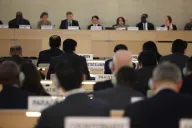
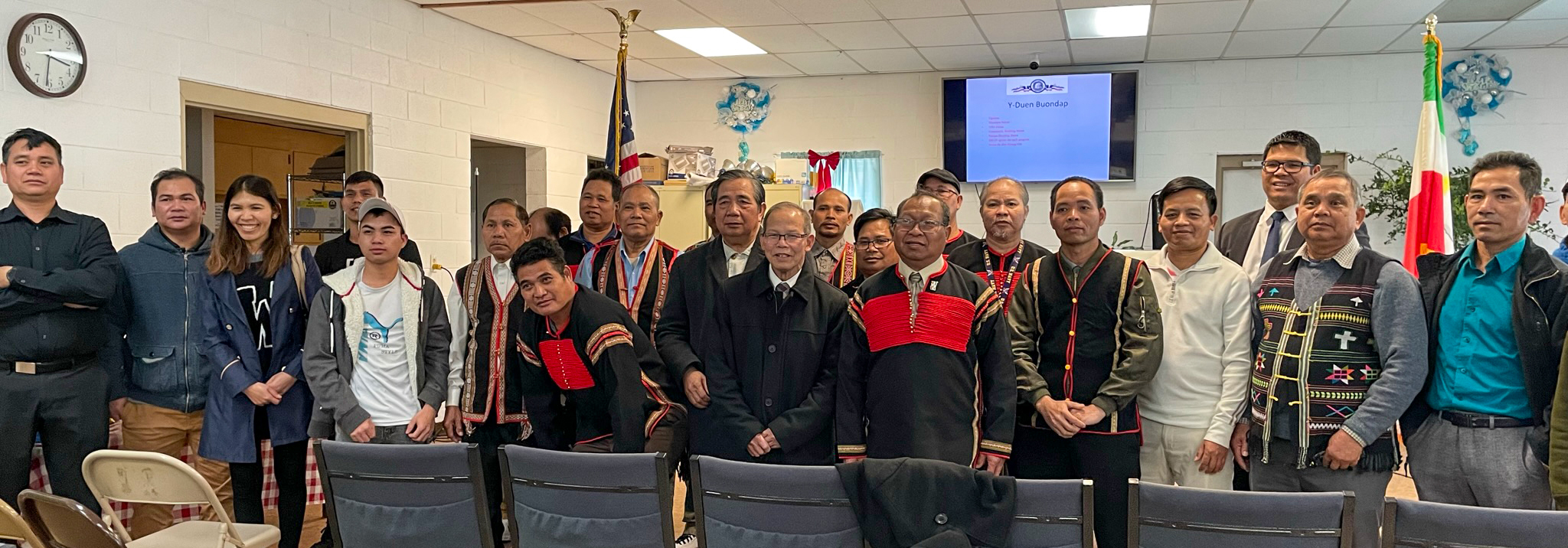
We began in 1998, in Raleigh, North Carolina, founded by former leaders of the highland resistance forces and the independence movement. From the start the work had two sides: speaking for our people in Vietnam, and helping families here with the paperwork of a new country. In 2008 the US Board of Immigration Appeals recognized the organization and accredited its staff to represent people in immigration cases, and that service has since been opened to refugees of every origin. Family reunification, advocacy with the US immigration and refugee agencies and with UNHCR, and our work at the UN in Geneva grew out of the same two sides.
The organization is now incorporated as the Dega Central Highlands Organization, based in Charlotte, and has been tax-exempt since 2021. Its purpose has not changed: to promote the rights and the cultural heritage of the Dega people, in the highlands and wherever they now live.
Advocacy
- Montagnard Foundation, Inc. (Degar Foundation)
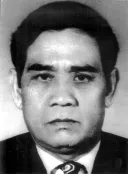
- Founded in 1990 in Spartanburg, South Carolina, by Kok Ksor, a Jarai from Cheo Reo who had fought with the US Special Forces; tax-exempt since August 1992. It took the case of the highlands to the United Nations and to foreign governments, and represented the Degar-Montagnards in the Unrepresented Nations and Peoples Organization from 2003 to 2016. In 2000 and 2001 its supporters in the highlands called for independence, for non-violence and for redress; Human Rights Watch found no sign that it had ever advocated violence, but Vietnam blamed the protests of 2001 and 2004 on it, as the work of outside agitators and “reactionaries”. Kok Ksor died on January 9, 2019. The foundation is still registered, under the care of his family, but files only the smallest annual return, and in 2024 the historian Joe Dunn judged it largely moribund, overtaken by newer organizations. degarfoundation.org
- Montagnard Support Group, Inc. (MSGI)
- Founded in North Carolina in 2011 by former members of FULRO. It states its aim as restoring the independence of Dega country. Vietnam named it a “terrorist organization” on March 6, 2024; its leaders say it is non-violent.

Community
- Montagnard Association of North Carolina (MANC)
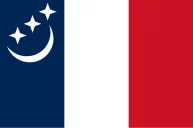
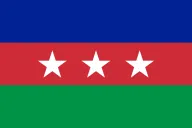
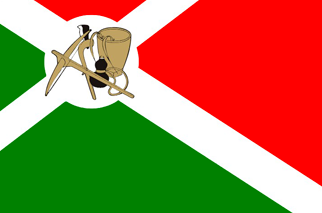
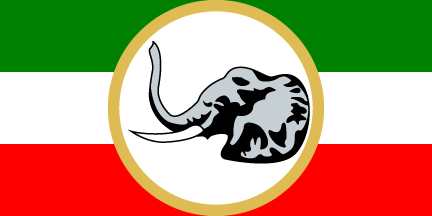
- Organized in 1986–87 by the first elders to arrive in North Carolina, as the Montagnard Dega Association, and tax-exempt since 1988; based in Greensboro, with a branch in Raleigh. It serves families in Greensboro, Raleigh, Charlotte and New Bern. Its youth branch, the Montagnard American Organization, teaches traditional dance, music and language, and its Traditional Arts Program for Students teaches weaving and dance (see Weaving and dress). montagnardda.org
- Save the Montagnard People, Inc. (STMP)
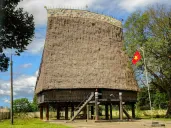
- Formed in 1986 by American Special Forces veterans, first as the General Coactive Montagnard Association, to help the highlanders they had served with. It helped resettle the first group in 1986 and the larger group that came from Cambodia at the end of 1992. In 2003 it made a down payment on about 100 acres near Asheboro, North Carolina, where it has built a Rhade longhouse and a Mnong house. It is run entirely by unpaid volunteers. montagnards.org
- Newer groups
- Charlotte, now home to many of the families who came in 2002 and after, has its own organizations, among them the Bunong Indigenous Community Association, registered in 2014, and the United Montagnards Organization and Montagnards of Charlotte, both registered in 2025.
The Montagnard and Asian community research network, which grew out of this community, has held symposia in Greensboro since 2021 on health, on oral history and on who should control research about us. See North Carolina.
_created_in_1987_-_Marko_de_Haeck.png)
Veterans and aid
- Special Forces Association Chapter 78
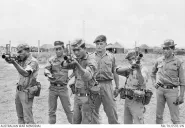
- The Lieutenant Colonel Frank J. Dallas chapter, in Southern California. Since a visit to the highlands in 2016, its member Tom Turney has raised money among Special Forces veterans for orphanages run by Catholic sisters and for rural schools in Kon Tum, and reports on it in a series called “Forgotten Warriors”.
- Friends of Vinh Son
- Based in San Jose, California, since 2005. It supports nearly 800 highland children through the Vinh Son orphanages in Kon Tum, run by the Sisters of the Miraculous Medal.
- Montagnard Assistance Project
- Gives humanitarian help to highland asylum seekers and refugees in North Carolina, Bangkok and Phnom Penh, and supports orphans in Kon Tum.
- Counterparts Veterans Association
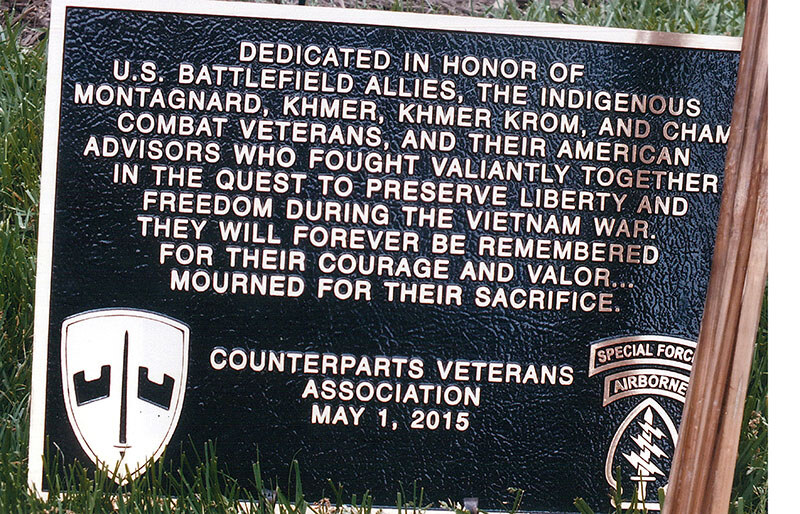
- American veterans who served as advisors alongside Southeast Asian units. On May 1, 2015, it dedicated a memorial at Arlington National Cemetery to the Montagnard, Khmer, Khmer Krom and Cham veterans who fought beside them.
Churches
Much of Dega life in the United States is organized through churches, and they are the most numerous of all our organizations. Among them:
- Christian and Missionary Alliance: the First Montagnard Alliance Church of Raleigh (also known as the Dega C&MA Church of Raleigh), the Montagnard Alliance Church in Charlotte, the Hope Montagnard Alliance Church in Matthews, and Bunong-language Alliance churches in Charlotte and Winston-Salem.
- Independent and Baptist congregations: the United Montagnard Christian Church and the International Montagnard Bible Church in Greensboro, the Living Stone Montagnard Christian Church in Charlotte, and many more. When eleven Montagnard men were ordained together in Greensboro in November 2013, they came from eleven congregations, among them the Dega Christian Church in Charlotte, the Jarai Baptist Church in New Bern and the Highland Christian Church in Asheboro.
- Congregations that share a building: at First Christian Church in Charlotte, Bunong, Ede and Jarai congregations worship in their own languages; the Jarai congregation Dao Blung Hlao began there in 2015.
- Beyond North Carolina: Montagnard congregations in Duncanville and Grand Prairie, Texas.
Inside Vietnam, the Evangelical Church of Christ of the Central Highlands, one of the house-church networks the state does not recognize, has joined reports to the UN. See North Carolina and The church they closed.
Elsewhere
We know of no Dega organization in Cambodia today. We have not been able to verify Dega organizations in Canada, France or elsewhere in Europe, though there are Dega families in all of them (see The wider diaspora). If you run or belong to one, please tell us, and we will add it once we can confirm the details.
A caution
Vietnam has named several diaspora organizations as “terrorist” or “reactionary”: Viet Tan in 2016, two overseas Montagnard groups, among them the Montagnard Support Group, in 2024, and it has treated the Montagnard Foundation as “reactionary” since 2001. Being listed by Vietnam is not evidence that an organization has done anything wrong; the UN experts who examined the listings of March 2024 found that they lacked due process. But it does mean that contact with these organizations can put people inside the country at risk, and that it has been used in court against them. If you are in Vietnam, read Reporting safely before contacting anyone.
Sources
- Degar Foundation, “About us”; Kok Ksor obituary, Floyd’s Mortuary (January 2019); Joe P. Dunn, “Kok Ksor and the Struggle for Cultural Survival, Human Rights, and Religious Freedom for the Montagnards of the Central Highlands”, Athens Journal of History 10:1 (2024); UNPO, “Degar-Montagnards”
- Human Rights Watch, Repression of Montagnards (April 2002); “Thailand: Montagnard Activist Extradited to Vietnam” (December 1, 2025)
- Radio Free Asia, “Vietnam labels 2 foreign-based groups ‘terrorist’” (March 6, 2024); OHCHR, “Experts condemn misuse of counter-terrorism law against Montagnards in Viet Nam” (August 28, 2024); Montagnard Support Group, “About the organization”
- Montagnard Association of North Carolina, home, “About”, MAO and TAPS pages; Flags of the World, Montagnard Dega Association flag
- Save the Montagnard People, “Background”; Janie Dyhouse, “Montagnards find home in North Carolina”, VFW (April 2019)
- Special Forces Association Chapter 78, “Forgotten Warriors” updates (2023–2026); Friends of Vinh Son; Montagnard Assistance Project; Duke University, Migration Memorials, Montagnard Counterparts Veterans Association Memorial
- Biblical Recorder, “11 Montagnard men ordained” (December 2, 2013); First Christian Church, Charlotte, Montagnard support
- IRS exempt organization records, via ProPublica Nonprofit Explorer
- Our own earlier records, on the founding, accreditation and work of the organization
Compiled September 2026. Organizations change names, addresses and leaders. If something here is out of date, please tell us.