





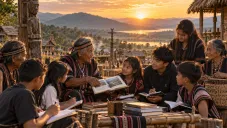
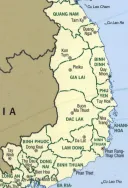






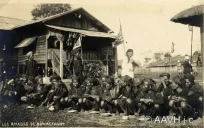

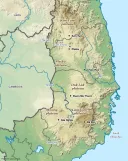
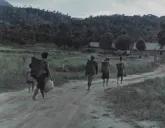

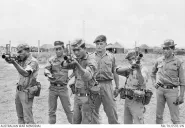
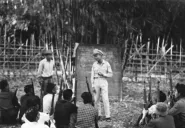
Every highland household farmed, and hunting was part of most men’s lives, with the crossbow as its mark; among the Bru, boys began to learn it at five or six. The forest gave meat, fish, fruit, medicine and poison, and our peoples knew it the way farmers know a field. This page sets down what the record says about how we hunted, fished and trapped, people by people, before the forest was fenced.
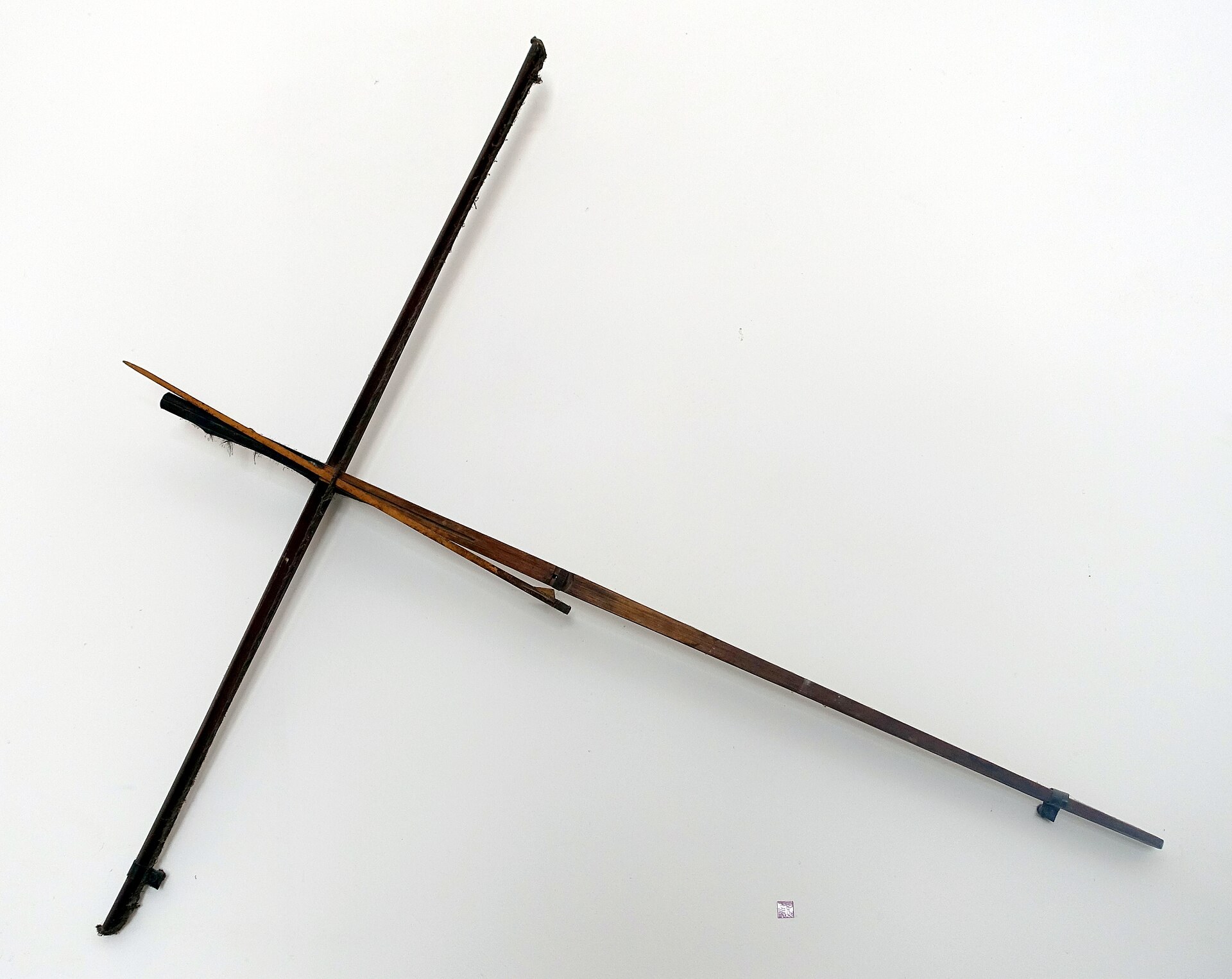

The crossbow
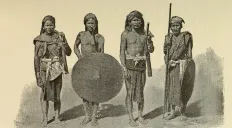
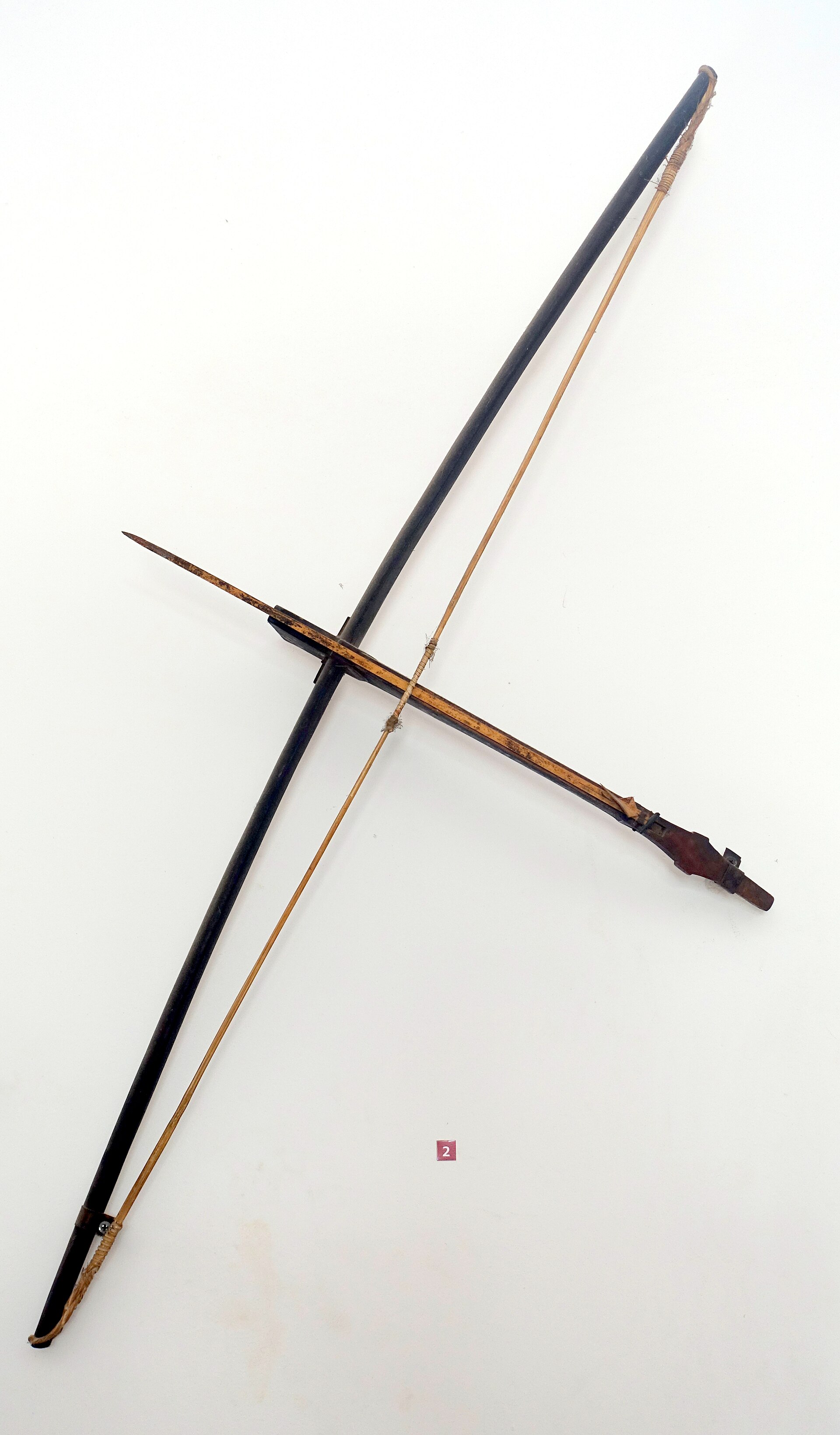
The 1966 US Army handbook on the highland peoples lists the crossbow among the weapons of almost every group it describes, from the Bru in the north to the Stieng in the south, and usually in the same breath as the spear, the sword, the knife and the shield. It is a hardwood stock, a single stave of bamboo for the bow, and short arrows of sharpened bamboo. The Hroi made theirs “larger and stronger than those of most other Montagnard tribes,” with arrows “bamboo with one end sharply pointed; the other end has a leaf tied to it.” Among the Cua, “spears and crossbows hang from the roof”; among the Mnong, “crossbows are also hung from the roof supports in the common room near the entrance; the common room also houses gongs and large drums.” Among the Rengao a man was buried with his: at the grave, “jars, baskets, crossbows, or other articles are placed on it.” The Stieng believed that spirits lived in all the objects of their world, “including such things as streams, rocks, the soil, crossbows, jars, and gongs.” A Rhade woman who dreamed of a knife or a crossbow, the handbook says, would bear a boy; one who dreamed of a basket, a girl.
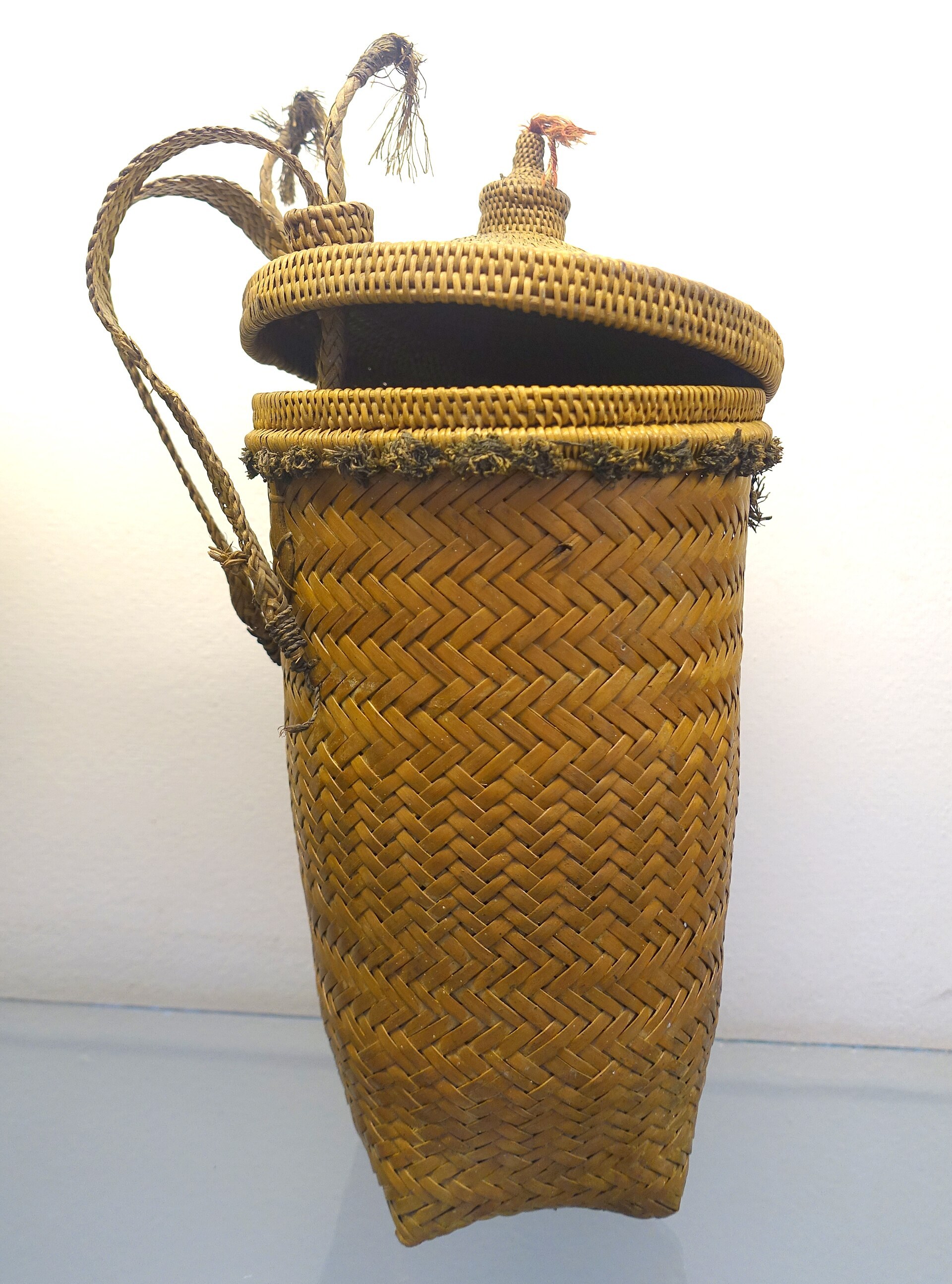
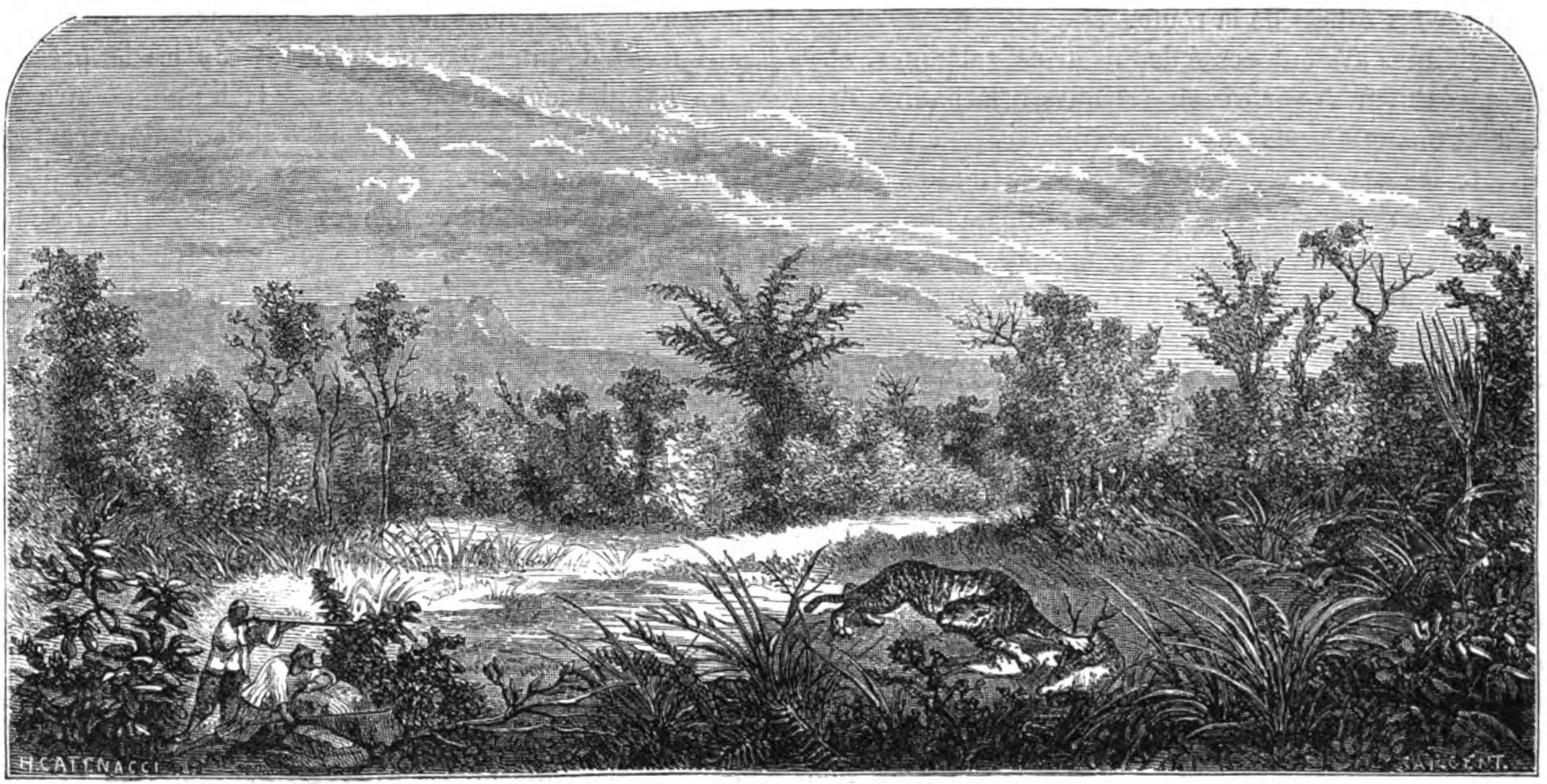
Among the Bru, “both boys and girls begin participating in typical adult activities by the age of 5 or 6. Boys hunt and fish with their fathers; they learn to shoot crossbows and to identify the forest sounds and wild plants.” The Mnong likewise “learn to use these ancient weapons at an early age.” What a hunter killed was shared: among the Bru, “animals killed by hunters are shared by their families with other villagers”; among the Sedang, “the men hunt and contribute the game to the household, while the women clothe the family by weaving.” Of the Stieng: “The ordinary tribesman can track and stalk game with great skill. His principal weapon is the crossbow with poisoned arrows, and he is also skillful in the use of pits and traps.” And of the Katu, a line that says more about the division of labor than about hunting: “Women walk behind men, often carrying heavy burdens such as a load of wood while the men carry only a crossbow.”


Poison
For hunting and for war, arrows were poisoned. The handbook records several recipes, and one test.
- Hre. “This poison is made by mixing over a flame a resin obtained from the cam tree (which resembles the persimmon tree) with red pepper, rang ret (centipede teeth), and rang ran (serpent teeth). The concoction is cooked until it becomes a shiny black ointment. To test the poison while it is cooking, a drop of poison is placed about an inch away from a fresh cut on a tribesman’s hand; if the blood stops flowing, the poison is strong enough to kill man or beast.” The arrowheads were dipped and left to dry. There was no antidote, “however, the flesh of animals killed by this poison is safe to eat.” The Hre believed spirits lived in poison.
- Hroi. “From the sap of the cong tree, Hroi tribesmen make a poison that is mixed with red pepper. They believe that this sap is extremely powerful if taken from the tree on the ninth day of the first month of the lunar year.” The traditional antidote was to eat a frog, a worm, or chicken droppings.
- Katu. “A form of curare poison made from plants of the genus strychnos.”
- Raglai. An early account reported arrows and spears “tipped with virulent poison obtained from the upas (antiaris) tree,” which “apparently caused death within minutes.”
Traps, snares and dogs
Traps were as important as the crossbow: pits, snares, and the spiked foot trap of concealed sharpened sticks that the handbook records, in the same words, for the Bru, the Cua, the Hre, the Hroi, the Jeh, the Sedang and the Stieng. Rhade boys learned to make “snares, nets, and winnowing baskets” and were “initiated into the secrets of the bush by their elders.” The Katu hunted with “the trap, the crossbow (sometimes with poisoned arrows), imitative calls to attract birds, and hunting dogs,” and Katu women, with the dogs, caught “lizards, rats, snakes, squirrels, and birds.” Rhade farmers set traps and snares against the birds that raided the rice. The hunt had its rules: among the Bahnar, “silence should be maintained when tribesmen go to hunt, to war, and to find honey,” and a hunter might not eat tomatoes, eggplant, wild bananas or meat before setting out.

Fishing and gathering
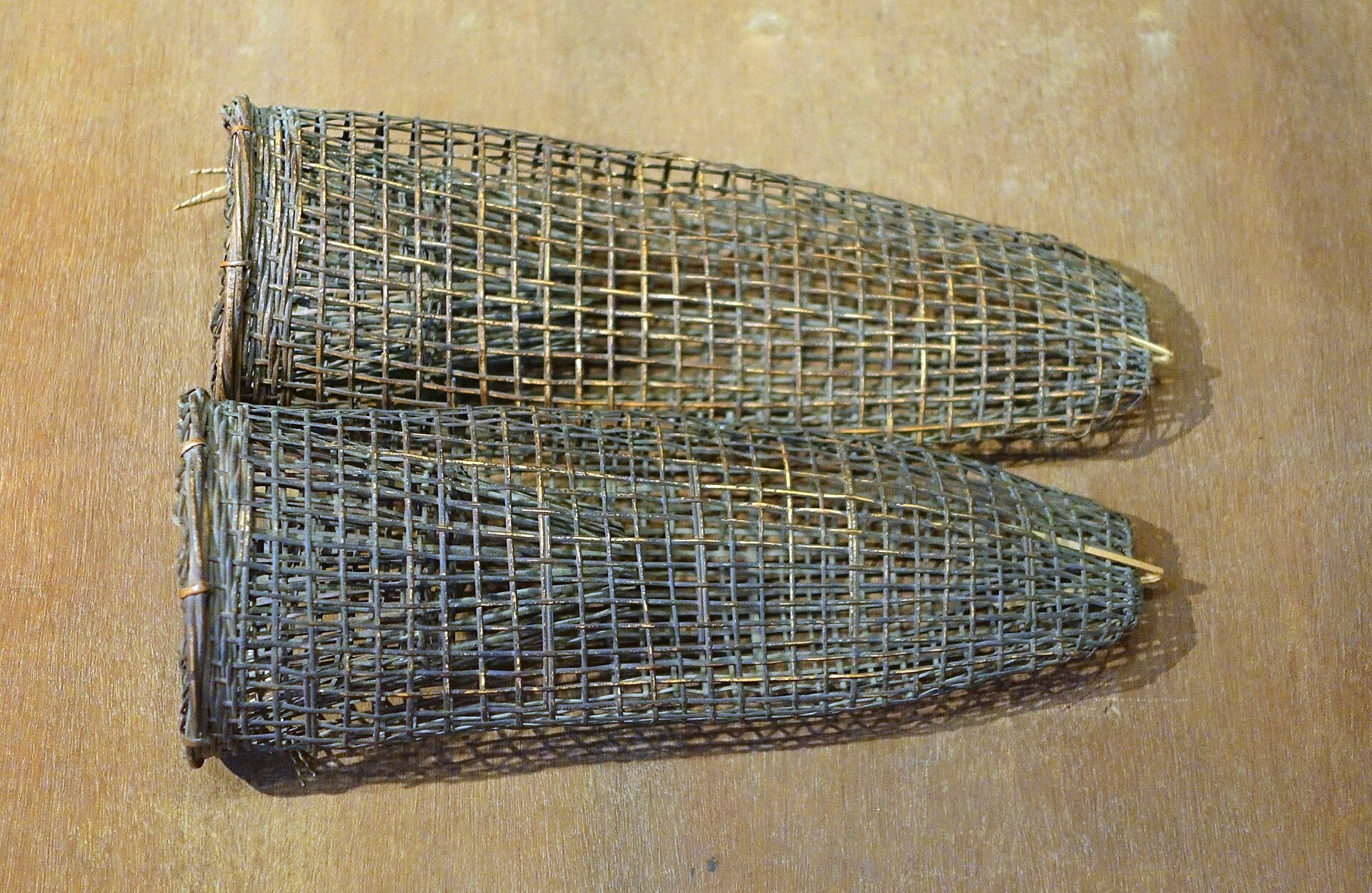
Among the Bahnar and the Rengao the whole village fished together: “A method frequently used involves drugging the marine life by placing a narcotic in the water. Men, women, and children alike help to haul in the netted fish.” Another method, scooping the fish up in baskets, belonged to the women and children. The Jarai told a story about the same method: the fishermen of the Ro’mah clan poisoned the water, ate the fish, and their skin turned to leather and they became elephants, “since then the Ro’mah have not eaten elephants.” Jeh, Halang and others gathered berries, vegetables and other wild foods from the forest, and the Cua traded cinnamon bark. See Forests, logging and the sacred groves for what has happened to that forest.
_-_Vietnam_Museum_of_Ethnology_-_Hanoi,_Vietnam_-_DSC03293.JPG)
Elephants
The great hunters were the Mnong and Rhade of Ban Don, who caught and tamed wild elephants; their story is on The elephants of Ban Don. Among the Rhade the elephant, “sold by elephant hunters or captured by certain villages along the Srepok River,” was a means of transport and “also represents capital. Furthermore, he is a kind of talisman, supposedly having mystical ties with the clan. These ties are so strong that he is considered a part of the family and given a name.” The Jarai Ro’mah clan would not eat elephant, for the reason told above; the Stieng, who counted elephants among a rich man’s possessions with slaves, jars and gongs, would not eat domestic elephants.

.jpg)
In the war
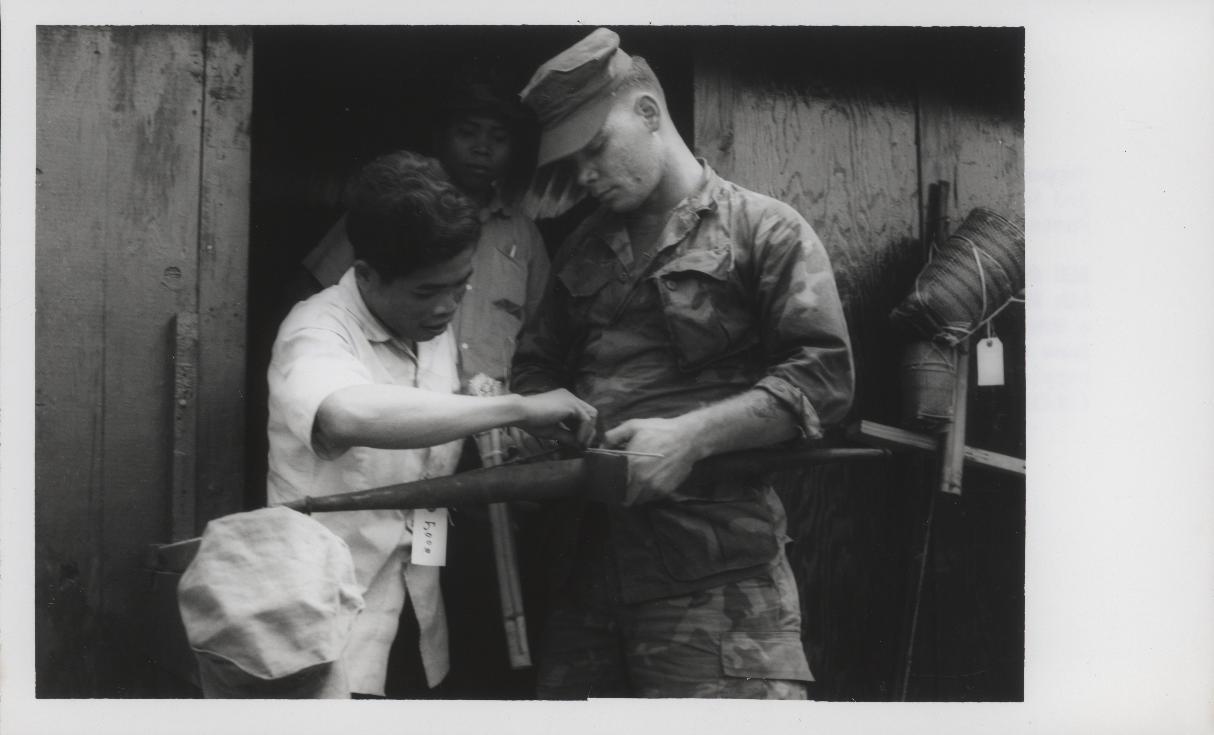
The crossbow went to war too. The Sedang were the first highland people trained by the US Special Forces, and the handbook records that “in one case, the Sedang fought aggressively against the Viet Cong with only crossbows.” Every people’s chapter lists the crossbow and the poisoned arrow among its traditional arms, beside the spear, the sword and the round wooden shield; the Maa shields were “decorated with circles and triangles symbolizing tiger teeth, fish, and the kapok flower.” In 1969, as the photograph above shows, a highland man at a Bru handicraft shop at Đông Hà showed a Marine how to shoot one (see also The American years).
What the record is
Almost everything on this page comes from one book, written by the American army in 1966 so that its soldiers would know the peoples they were arming. It is careful, it names its sources, and it is the fullest single description of how we lived that anyone published in English. It is also an army’s manual, and it describes our hunting under the heading of “paramilitary capabilities.” We use it because it is specific and dated, and we would rather have our own elders’ words. If your father or grandfather hunted, record him.
See also: Food and the highland kitchen, The trail and the poison.
Sources
- Department of the Army, Minority Groups in the Republic of Vietnam, Pamphlet 550-105 (1966), DCHO library, also on the Internet Archive — the Bahnar, Bru, Cua, Halang, Hre, Hroi, Jarai, Jeh, Katu, Koho, Ma, Mnong, Raglai, Rengao, Rhade, Sedang and Stieng chapters, quoted above
- Gerald C. Hickey, The Major Ethnic Groups of the South Vietnamese Highlands, RAND RM-4041 (1964), DCHO library, also at RAND — hunting taboos and the animals with which a clan has an alliance
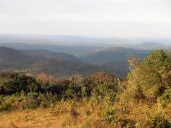
- Henri Mouhot’s journey of 1859 among the Stieng, as engraved in Le Tour du monde 8 (1863) — the picture of the Stieng forest
Compiled September 2026. Hunting is restricted in much of the highlands today, and the forests are smaller; we are collecting accounts of how hunting was learned and practiced before 1975.